Raul Delapena Setiawan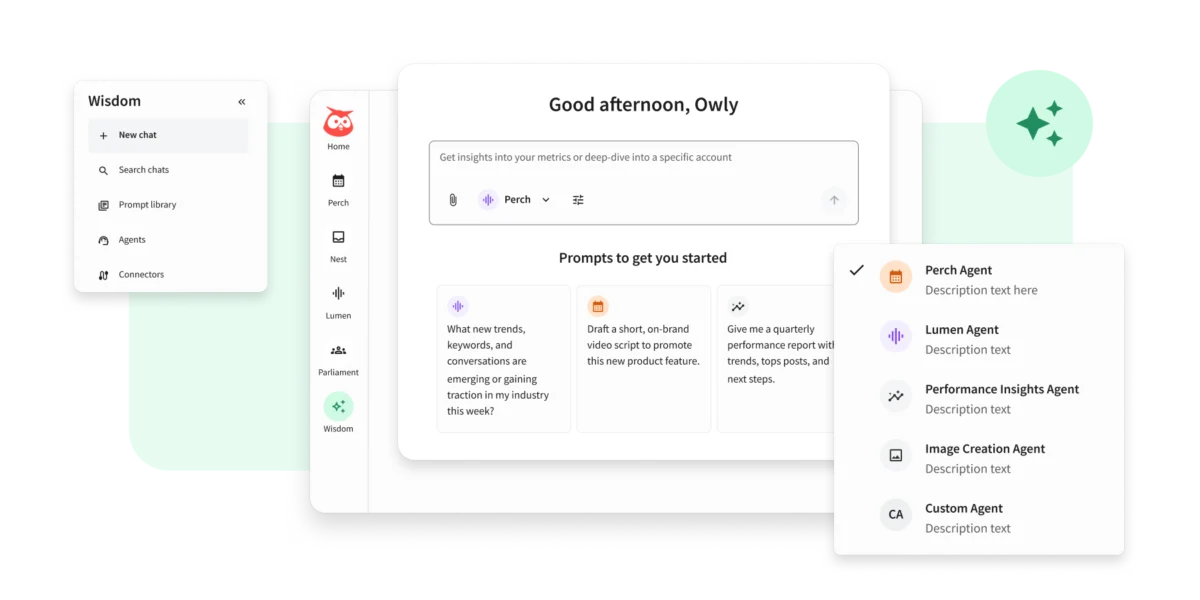
In a bold move that signals a departure from traditional social media management, Hootsuite has officially unveiled its "Social OS"—a complete architectural overhaul of its flagship platform. Led by co-founder and returning CEO Ryan Holmes, the company is betting that the future of marketing lies not in static, historical data analysis, but in "real-time signal" processing.
This transformation represents one of the most significant pivots in the company’s eighteen-year history, moving beyond the legacy of a simple scheduling dashboard to become an AI-native operating system for the modern marketing enterprise.
The Evolution of the Signal: A Chronology of Change
To understand the magnitude of this shift, one must look at the trajectory of the social media landscape over the last two decades.
- 2008: Hootsuite launches, fundamentally changing how brands communicate by providing a centralized hub for multi-channel social posting.
- 2015–2022: The platform matures, layering on analytics, listening tools, and customer care features. However, these tools largely functioned as distinct silos.
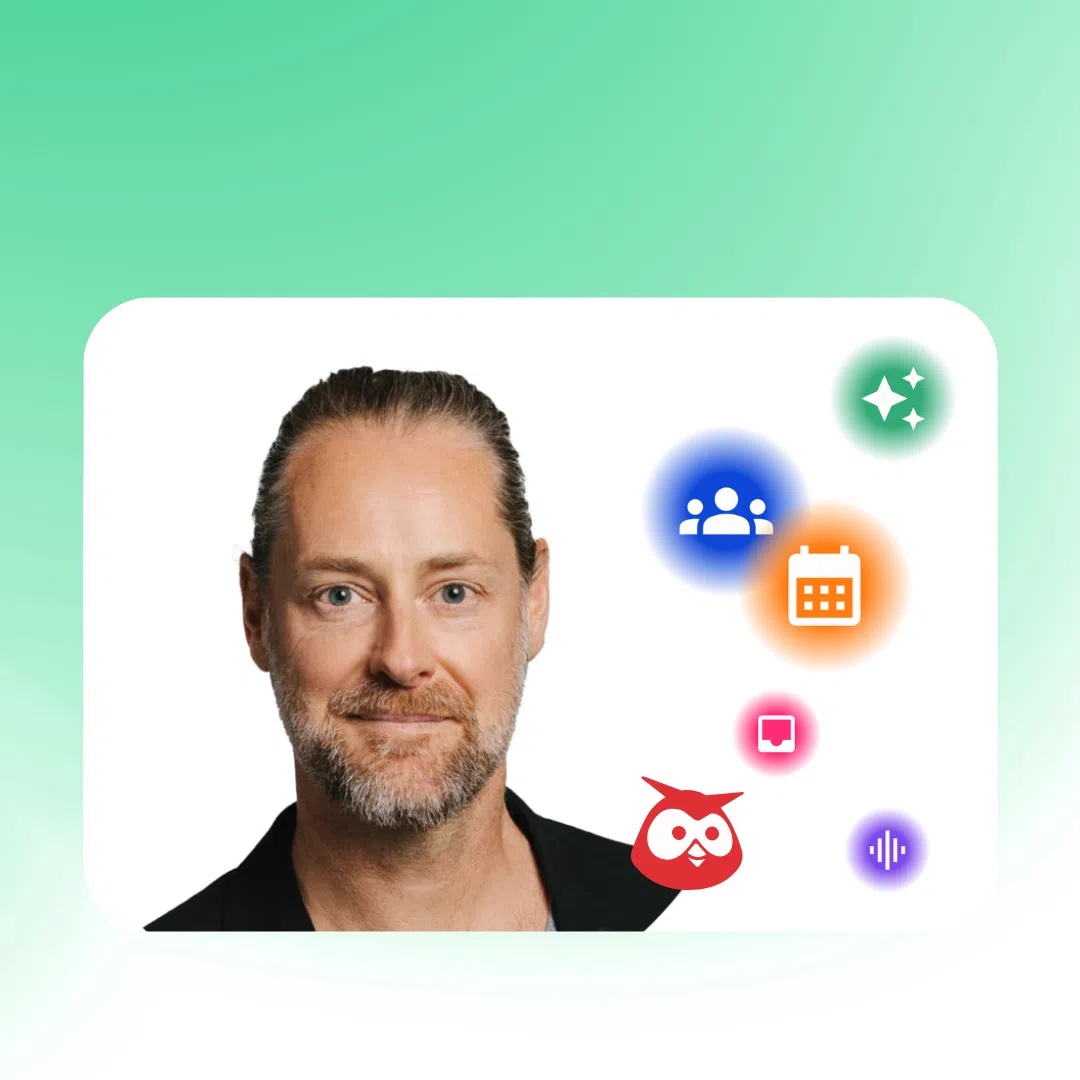
- Early 2026: Ryan Holmes returns to the CEO chair with a clear mandate: to confront the "AI gap."
- June 2026: Hootsuite announces the launch of Social OS, deprecating legacy standalone features in favor of an integrated, AI-first ecosystem.
The central thesis behind this evolution is that the current generation of AI tools, while impressive at drafting copy or summarizing past reports, is essentially "blind" to the present. By relying on large language models (LLMs) trained on historical datasets, most marketing tools provide insights that are already outdated by the time they reach a decision-maker. Hootsuite’s new architecture aims to bridge this gap by treating social media not as a historical record, but as a live, high-frequency stream of consumer intent.
The Problem with "Pattern Recognition" AI
The core frustration driving this update is the industry’s reliance on static intelligence. As Holmes notes, most current AI vendors are simply delivering sophisticated pattern recognition. While useful for creating content, this approach fails to capture the "moment"—the fleeting trend, the sudden shift in brand sentiment, or the emerging narrative that can make or break a brand’s reputation in a matter of hours.
Hootsuite’s competitive edge, according to the leadership team, lies in its "live signal layer." Spanning 150 million sources and 187 languages, the platform processes massive volumes of real-time data. By moving away from "bolted-on" AI features and toward a social-first intelligence core, the company is attempting to provide what it calls "True-Now" analytics. This system doesn’t just tell a brand what was true last quarter; it provides actionable intelligence on what is happening in the market at this very second.
The Anatomy of Hootsuite Social OS
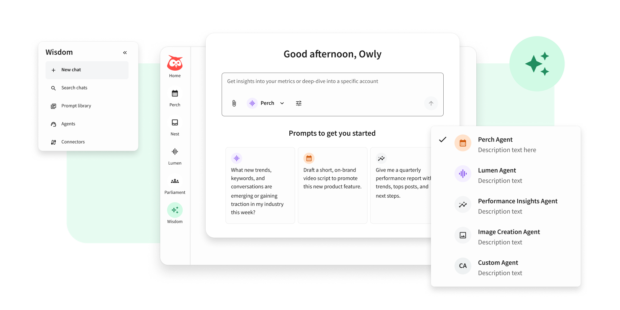
The new Social OS is designed to dissolve the artificial barriers between publishing, customer care, advocacy, and intelligence. The system is built upon three primary pillars:
1. Wisdom: The Social-First AI Agent
Wisdom acts as the central brain of the new ecosystem. By consolidating the capabilities previously scattered across tools like OwlyGPT and Yeti, Wisdom provides a unified interface. Users can query the system in natural language—for example, asking how specific market events are currently shaping brand perception—and receive answers grounded in live, filtered social data.
2. A Connected Operating System
The platform now operates as a single, cohesive entity. A signal detected in the "Lumen" listening module is immediately available to the "Perch" content planning tool and the "Nest" customer care system. This connectivity ensures that teams do not work in isolation. If a customer service interaction reveals a brewing brand health crisis, the content team is automatically alerted to pause scheduled posts. This synchronization transforms social media from a reactive department into a proactive, data-informed organization.
3. The Headless Future: MCP Connectors
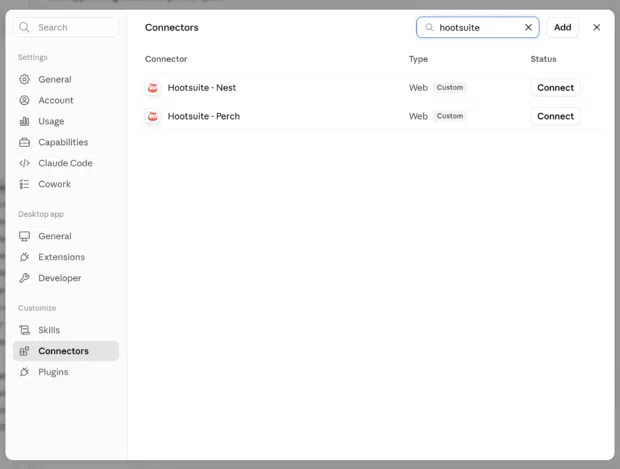
Perhaps the most disruptive aspect of the new release is the integration of the Model Context Protocol (MCP). Recognizing that marketing professionals are increasingly working within various AI assistants like ChatGPT, Claude, and Gemini, Hootsuite has gone "headless."
Through MCP, Hootsuite allows its real-time social signals to flow directly into the generative AI tools that teams already use. This means a user can prompt an external AI to "triage my inbox" or "pull a sentiment report," and the AI will interact directly with Hootsuite’s back-end to execute the task. This effectively removes the need for users to toggle between tabs, placing the power of the platform directly into the workflows where users already live.
Official Responses and Strategic Implications
The industry response to the pivot has been one of cautious optimism. Analysts note that while the shift to an "operating system" model is necessary to compete with specialized AI startups, it carries significant operational risk.

"Rebuilding a product while your customers are using it is like changing the engine of a plane mid-flight," says industry analyst Sarah Chen. "However, Hootsuite has a massive advantage in its legacy data. If they can successfully execute on this ‘live signal’ promise, they will be positioned as the primary source of truth for social data, rather than just a publishing tool."
Ryan Holmes has been transparent about the friction this change may cause. In his public statement, he acknowledged that the shift to a new operating model will require a learning curve for existing users. By inviting feedback on LinkedIn and explicitly asking customers what they "cannot afford to lose," Holmes is attempting to build a collaborative feedback loop.
Implications for the Marketing Industry
The broader implications of Hootsuite’s pivot are profound for the marketing sector:
- The Death of the "Dashboard": We are witnessing a shift away from dashboards as the primary UI for marketing. As AI agents become more sophisticated, the role of the human shifts from "monitoring" to "directing."
- Real-Time as a Requirement: The standard for data latency is moving from "daily reports" to "live streams." Brands that cannot act on information within hours of it breaking will find themselves at a structural disadvantage.
- The Rise of Interoperability: By embracing the open-standard Model Context Protocol, Hootsuite is signaling that it no longer views itself as a "walled garden." This reflects a broader trend toward an interconnected software stack where data portability is the expectation, not the exception.
As organizations grapple with the noise of the digital age, the ability to discern signal from static is becoming the ultimate competitive advantage. Hootsuite’s Social OS is not merely a product update; it is an admission that the old way of doing social media marketing is no longer sufficient.
For brands looking to survive, the challenge now is to move as quickly as the algorithms they employ. With the launch of the Social OS, Hootsuite is clearly aiming to be the engine for that speed. Whether the market is ready for this degree of change remains to be seen, but one thing is certain: in the race to define the next era of social intelligence, Hootsuite has officially placed its bet on the power of the live, real-time signal.

 Nana Wu
 Neng Nana