Siti Muinah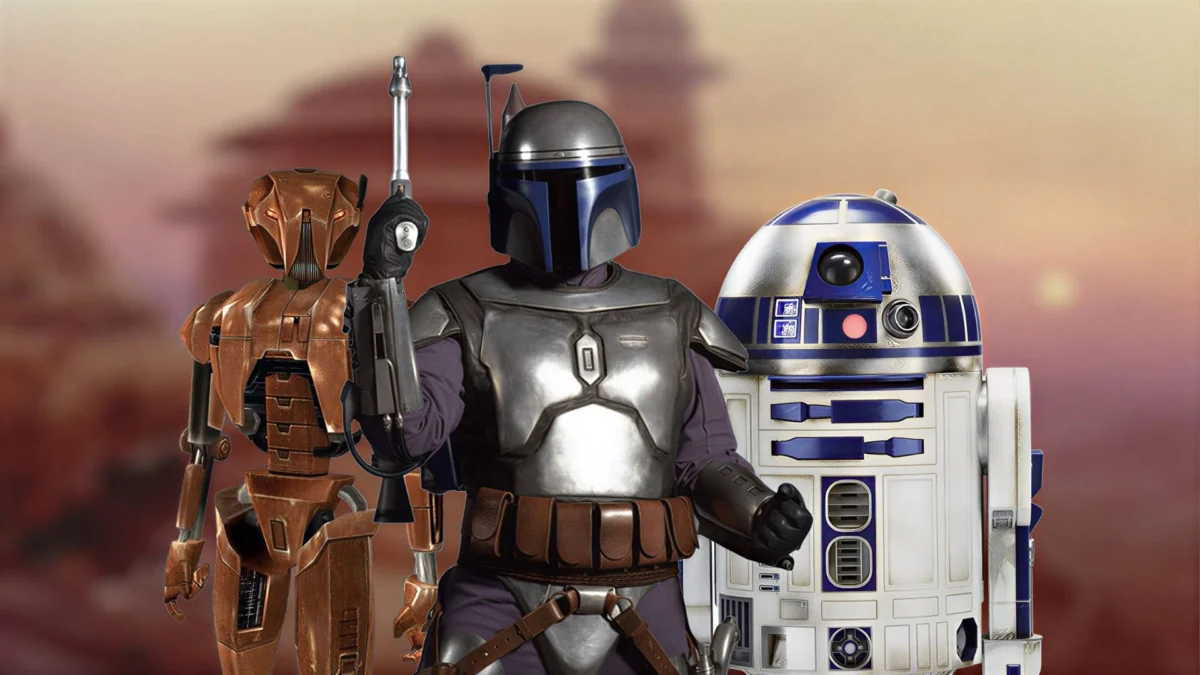
The Star Wars universe is a boundless expanse, brimming with tales of heroism, villainy, and the eternal struggle between light and darkness. For decades, video games have served as a crucial medium for fans to not only experience these iconic narratives but to forge their own destinies within this beloved galaxy. While the franchise boasts a vast library of titles, not all have achieved the same level of acclaim. Some have fallen short due to mechanical shortcomings or underdeveloped stories, leaving players yearning for more. However, a select few have transcended the limitations of their medium, offering experiences so compelling and immersive that they truly make players feel as though they are living and breathing within the Star Wars galaxy.
This article delves into some of the most impactful and immersive Star Wars games, exploring what makes them stand out, their place in the franchise’s history, and the lasting impressions they’ve left on players. We’ll examine their gameplay mechanics, narrative depth, and overall contribution to the ever-expanding Star Wars lore, celebrating the titles that have truly captured the magic of a galaxy far, far away.
The Enduring Appeal of Star Wars in Gaming
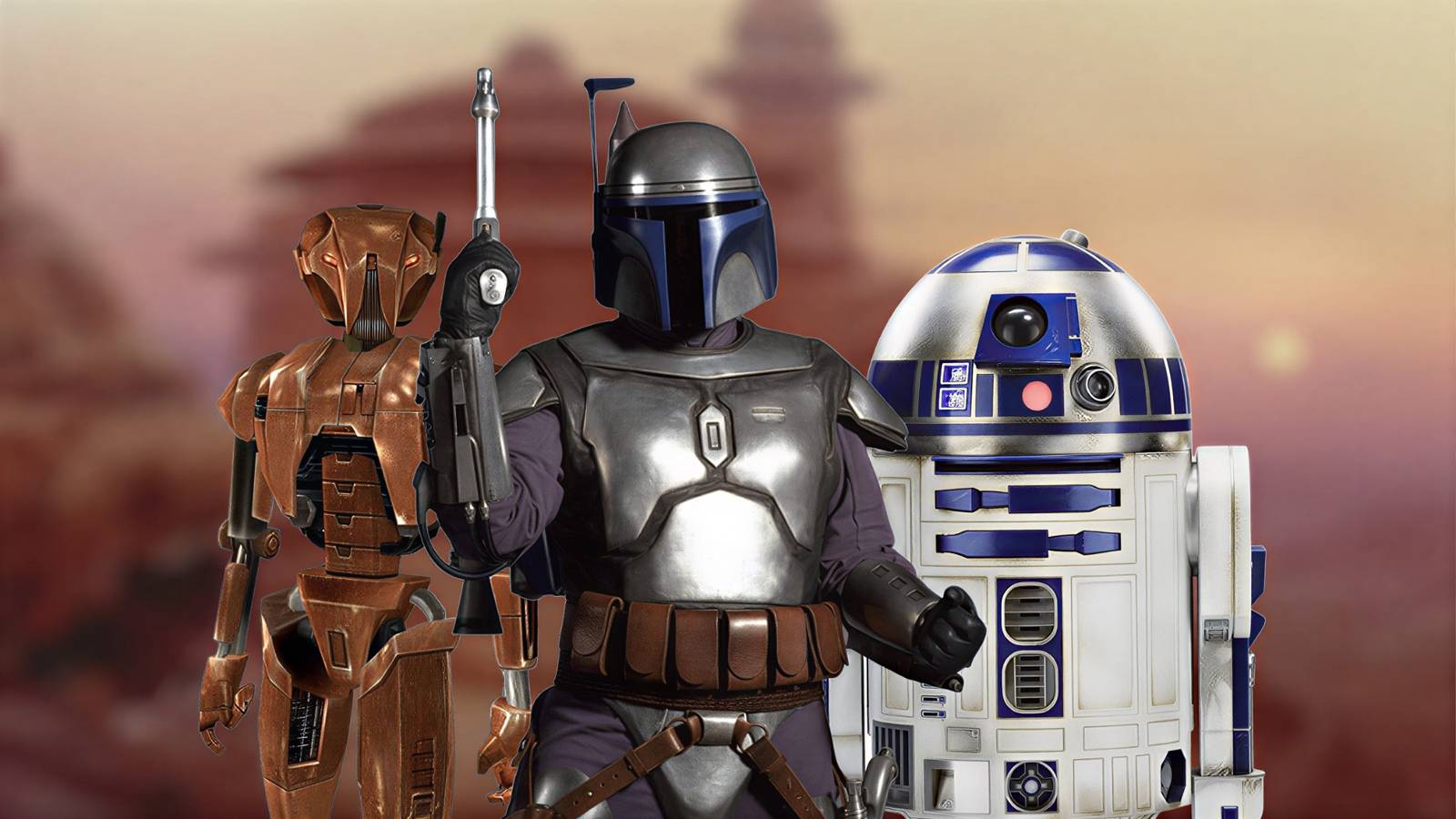
The Star Wars saga’s enduring appeal lies in its rich tapestry of characters, compelling lore, and epic conflicts. This inherent strength has provided fertile ground for video game developers to explore various facets of the universe, from the intimate struggles of individual heroes to the grand scale of galactic warfare. The ability for players to step into the boots of Jedi Knights, cunning bounty hunters, or elite soldiers, and directly influence the course of events, is a powerful draw.
A Journey Through Time: Chronological Highlights of Immersive Star Wars Gaming
To truly appreciate the evolution of immersive Star Wars gaming, a chronological perspective is essential. Early titles laid the groundwork, while later entries refined mechanics and storytelling to deliver increasingly profound experiences.

10. Star Wars: Bounty Hunter (2002)
A Deeper Look Into Jango Fett’s Exploits
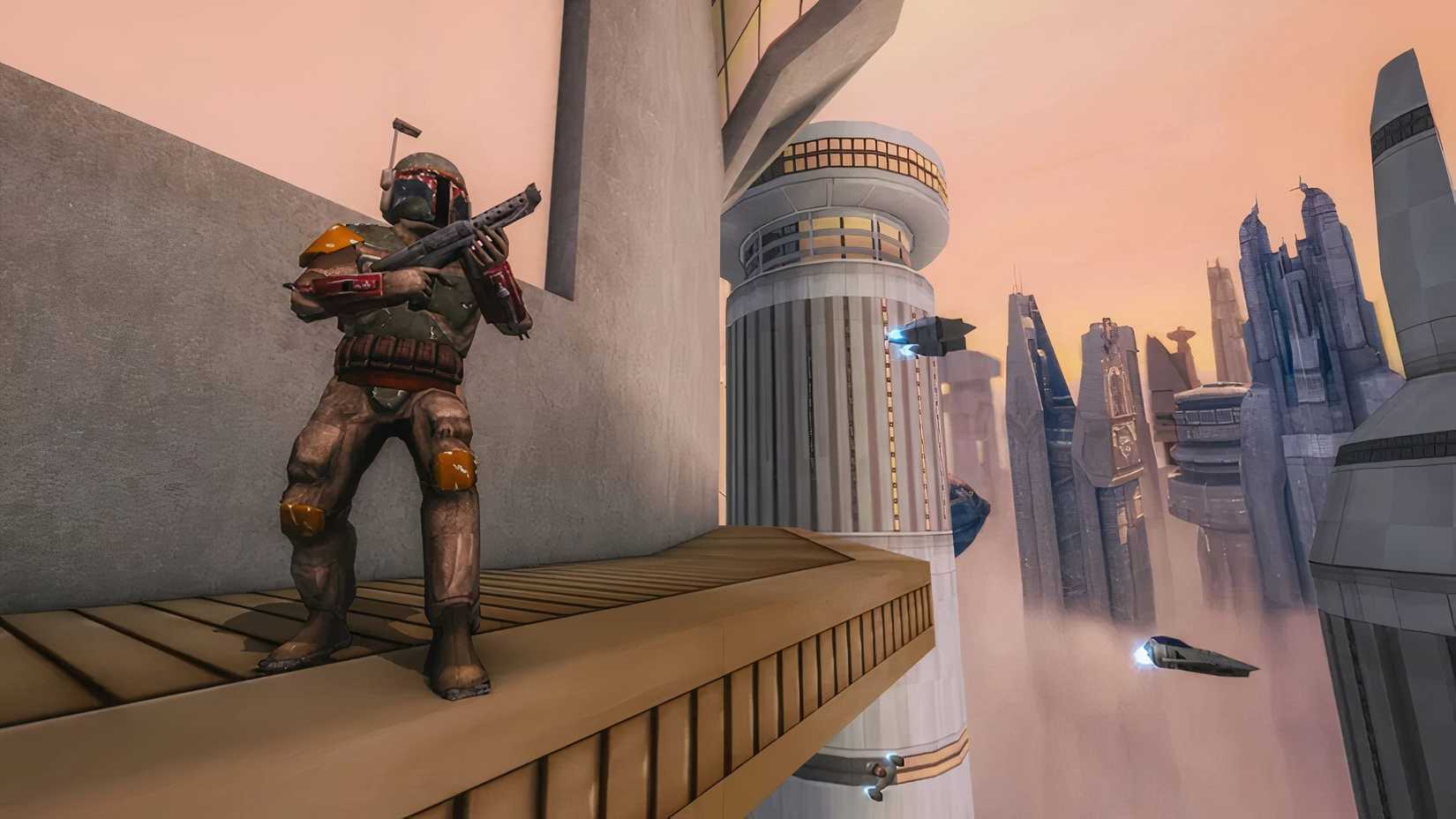
Released in 2002, Star Wars: Bounty Hunter offered a unique perspective on the Star Wars universe by placing players in the role of the formidable Jango Fett, the genetic template for the Republic’s clone army. This action-adventure game provided a gritty, ground-level view of the galaxy, focusing on the morally ambiguous profession of bounty hunting.
- Gameplay Mechanics: The game’s core gameplay revolved around tracking targets, engaging in blaster combat, and utilizing Jango Fett’s signature equipment, including his jetpack and flamethrower. While the mechanics were straightforward for their time, they effectively conveyed the physicality and danger of Jango’s work.
- Narrative Immersion: The narrative delved into Jango Fett’s motivations and his complex relationship with his son, Boba Fett. It offered a rare glimpse into the life of a character who played a pivotal role in the prequel trilogy’s unfolding events, adding a layer of depth to his on-screen portrayal.
- Impact: Bounty Hunter provided a refreshing departure from the typical Jedi-centric narratives, allowing players to explore the seedier side of the Star Wars galaxy. Its focus on a less morally upright protagonist offered a compelling alternative to the traditional hero’s journey.
9. Star Wars: Episode III – Revenge of the Sith (2005)
A Controversial Rendition of the End of the Prequel Trilogy
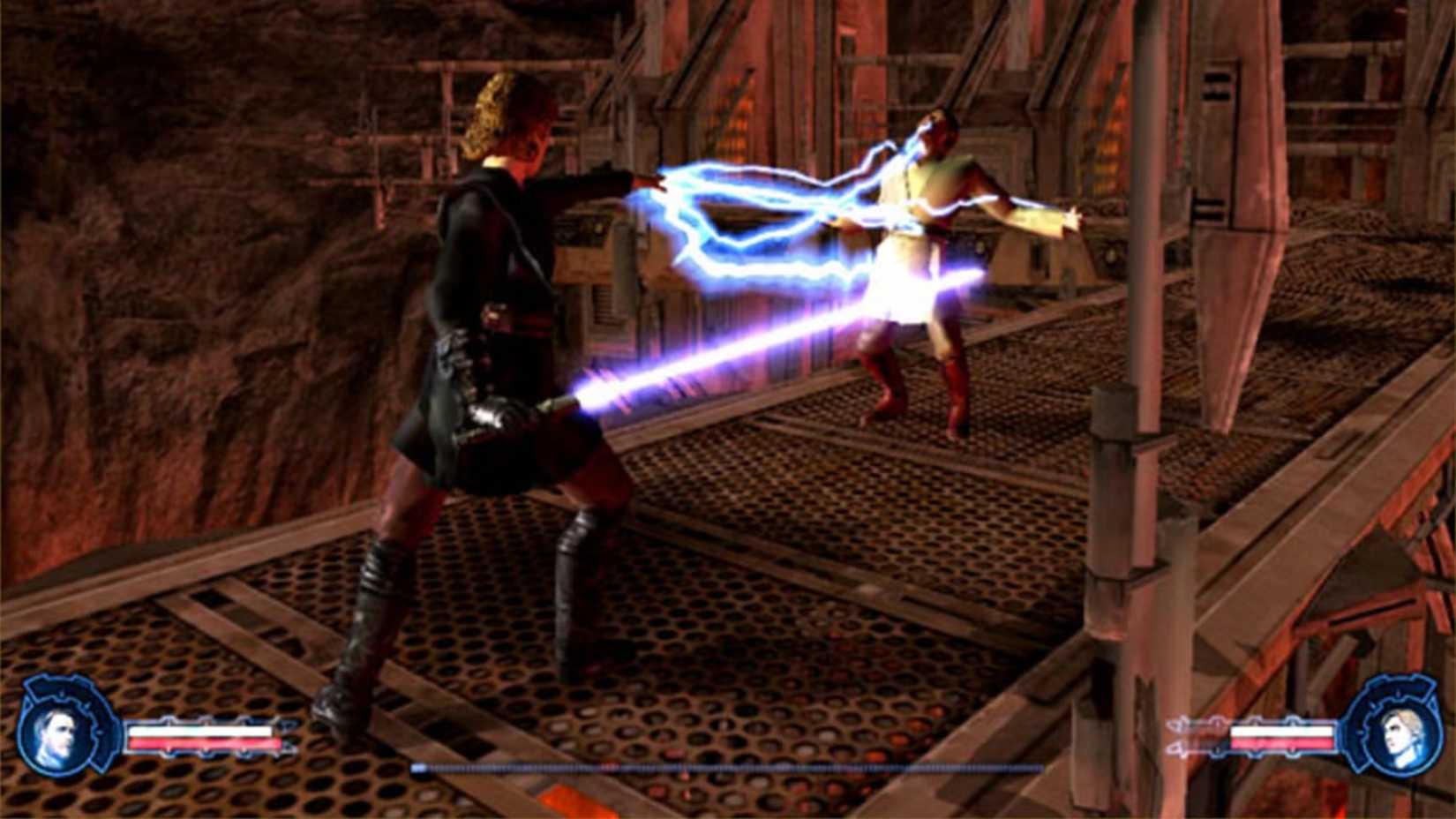
Serving as a tie-in to the critically acclaimed film of the same name, Star Wars: Episode III – Revenge of the Sith game aimed to translate the epic conclusion of the prequel trilogy into an interactive experience. While the film is often lauded for its dramatic arc, the game’s reception was more mixed, though it still offered moments of undeniable immersion.
- Gameplay Mechanics: The game primarily focused on lightsaber combat, allowing players to embody both Anakin Skywalker and Obi-Wan Kenobi. While the combat was fluid and visually impressive for its era, some critics found it to be somewhat repetitive over time.
- Narrative Immersion: The game closely followed the film’s narrative, culminating in the iconic duel between Anakin and Obi-Wan. The inclusion of an alternate ending, which offered a different perspective on the events, was a notable addition that deepened player engagement. The level depicting the invasion of the Jedi Temple, in particular, was a harrowing and immersive experience.
- Impact: Despite its mechanical limitations, the game succeeded in making players feel like they were participating in key moments of the film. It provided a visceral connection to the tragic fall of the Jedi and the rise of the Empire, solidifying its place as a memorable, albeit flawed, addition to the Star Wars gaming canon.
8. Star Wars: Battlefront (2015)
The Multiplayer Was Very Entertaining
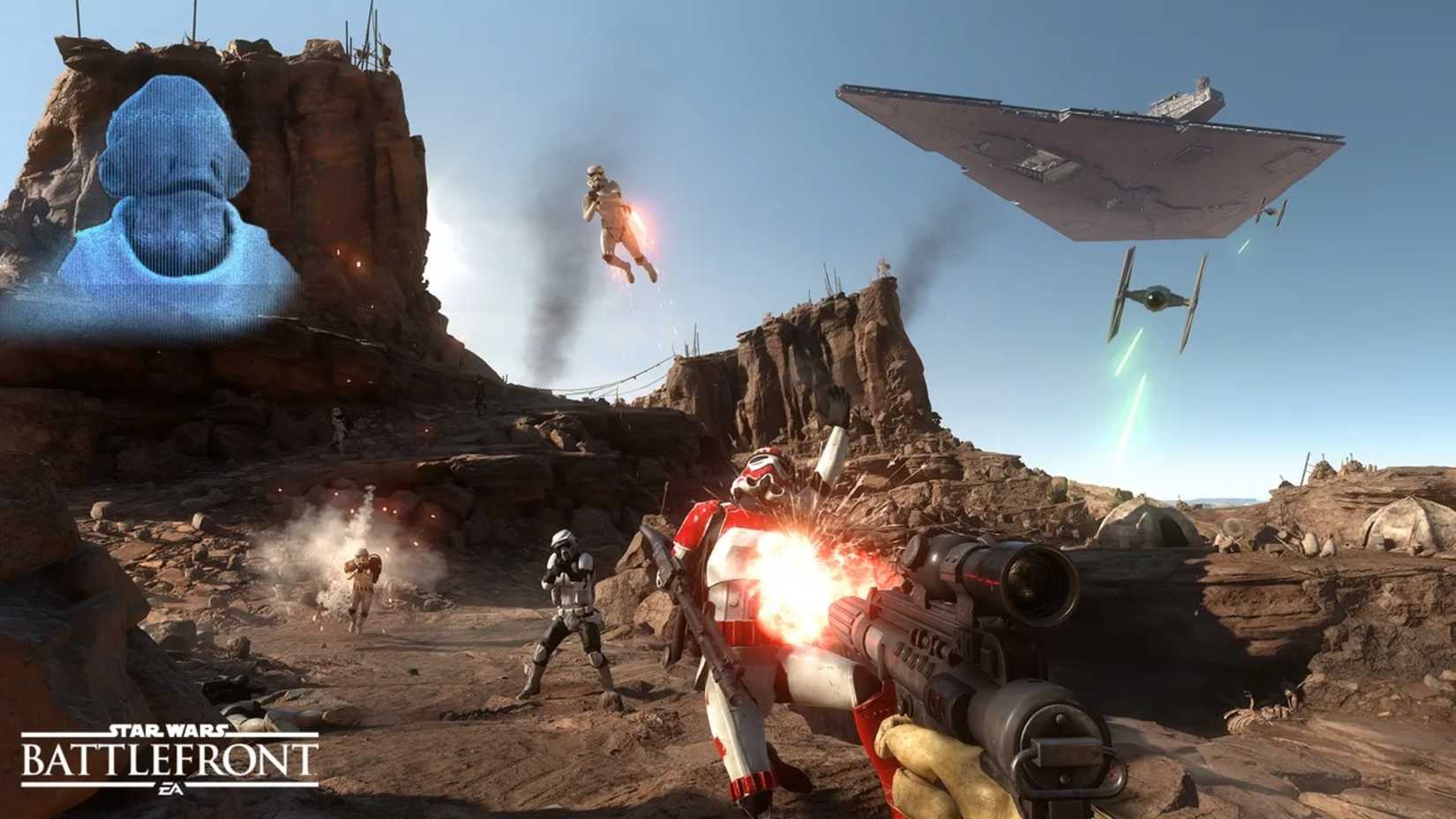
The reboot of the beloved Battlefront franchise in 2015 brought the iconic large-scale battles of Star Wars to a new generation of consoles with stunning visual fidelity. While it faced criticism for its lack of a traditional single-player campaign, its multiplayer offerings provided a deeply immersive battlefield experience.
- Gameplay Mechanics: The game excelled in its multiplayer modes, accurately recreating the feel of Star Wars battles. Players could choose from various classes, wield iconic blasters, and even pilot iconic vehicles like AT-STs and X-wings. The seamless integration of ground and air combat created a dynamic and engaging experience.
- Narrative Immersion: While lacking a narrative campaign, the game’s immersion stemmed from its faithful recreation of Star Wars environments and its ability to place players directly into the heart of iconic conflicts. The sounds of blaster fire, the roar of starfighters, and the visual spectacle of massive battles contributed to a palpable sense of being present in the Star Wars universe.
- Impact: Battlefront (2015) reignited interest in large-scale Star Wars multiplayer experiences. Despite its shortcomings, it delivered on the fantasy of participating in epic battles on iconic planets, offering countless hours of engaging gameplay for fans.
7. Star Wars: The Force Unleashed (2008)
Starkiller Might Not Be Canon, but He Was Fun to Play As Him
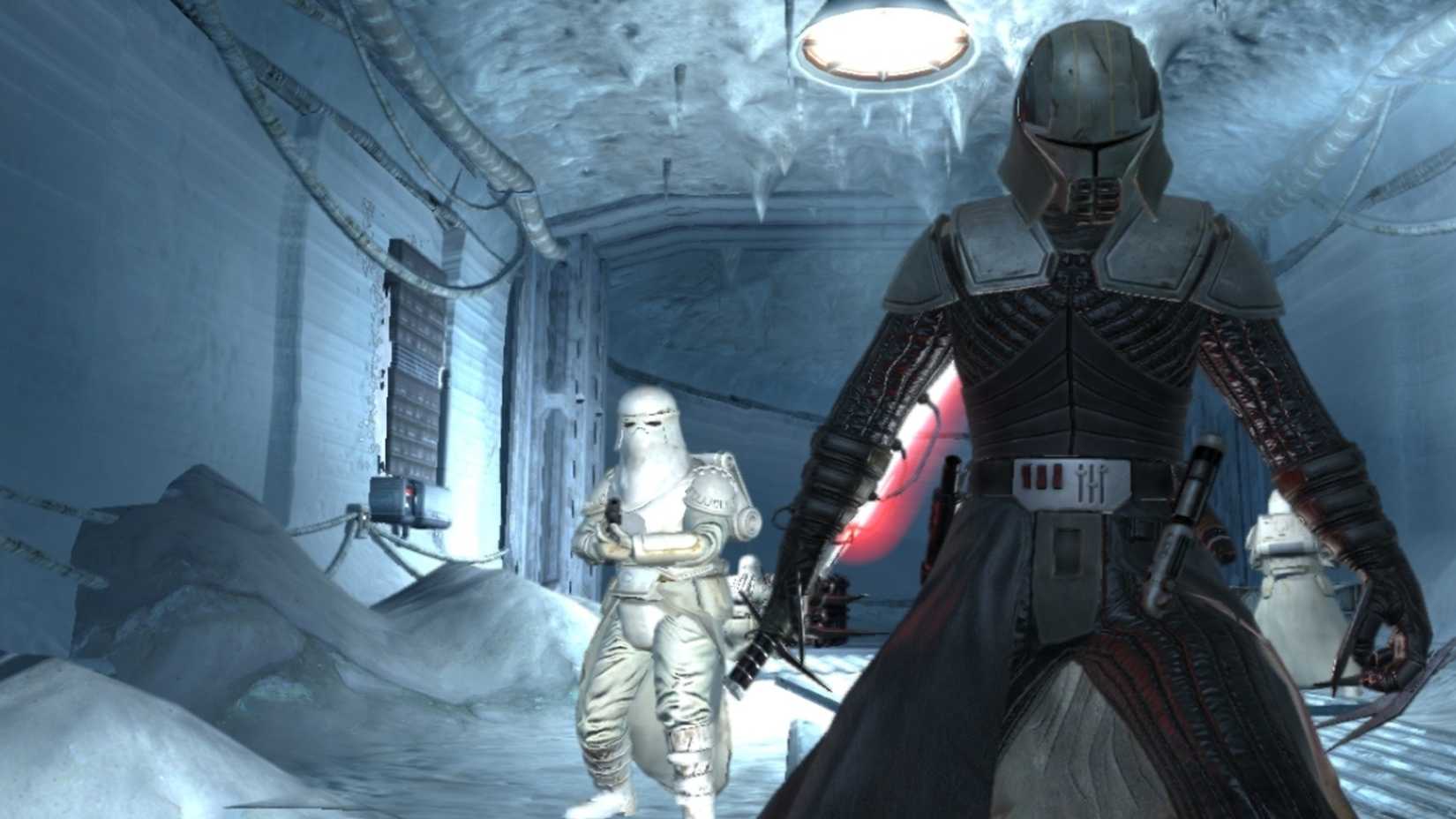
Star Wars: The Force Unleashed introduced a new, powerful character to the Star Wars universe: Starkiller, Darth Vader’s secret apprentice. This game was a significant departure, focusing on the sheer power of the Force and delivering a visually spectacular experience.
- Gameplay Mechanics: The game’s standout feature was its revolutionary physics engine, powered by Havok. This allowed for unprecedented destruction and interaction with the environment. Players could hurl objects, rip apart machinery, and unleash devastating Force powers, making them feel incredibly powerful.
- Narrative Immersion: While Starkiller’s story exists in the Legends continuity, it was incredibly engaging. The narrative explored the moral complexities of his training and his eventual conflict with the Jedi and Sith. The development of his character, alongside Juno Eclipse and Rahm Kota, provided a compelling emotional core.
- Impact: The Force Unleashed demonstrated the potential for Star Wars games to explore new characters and push the boundaries of Force-based gameplay. Starkiller himself became a fan favorite, a testament to the game’s ability to create memorable and impactful experiences.
6. Star Wars: Republic Commando (2005)
A Jewel From a Simpler Past
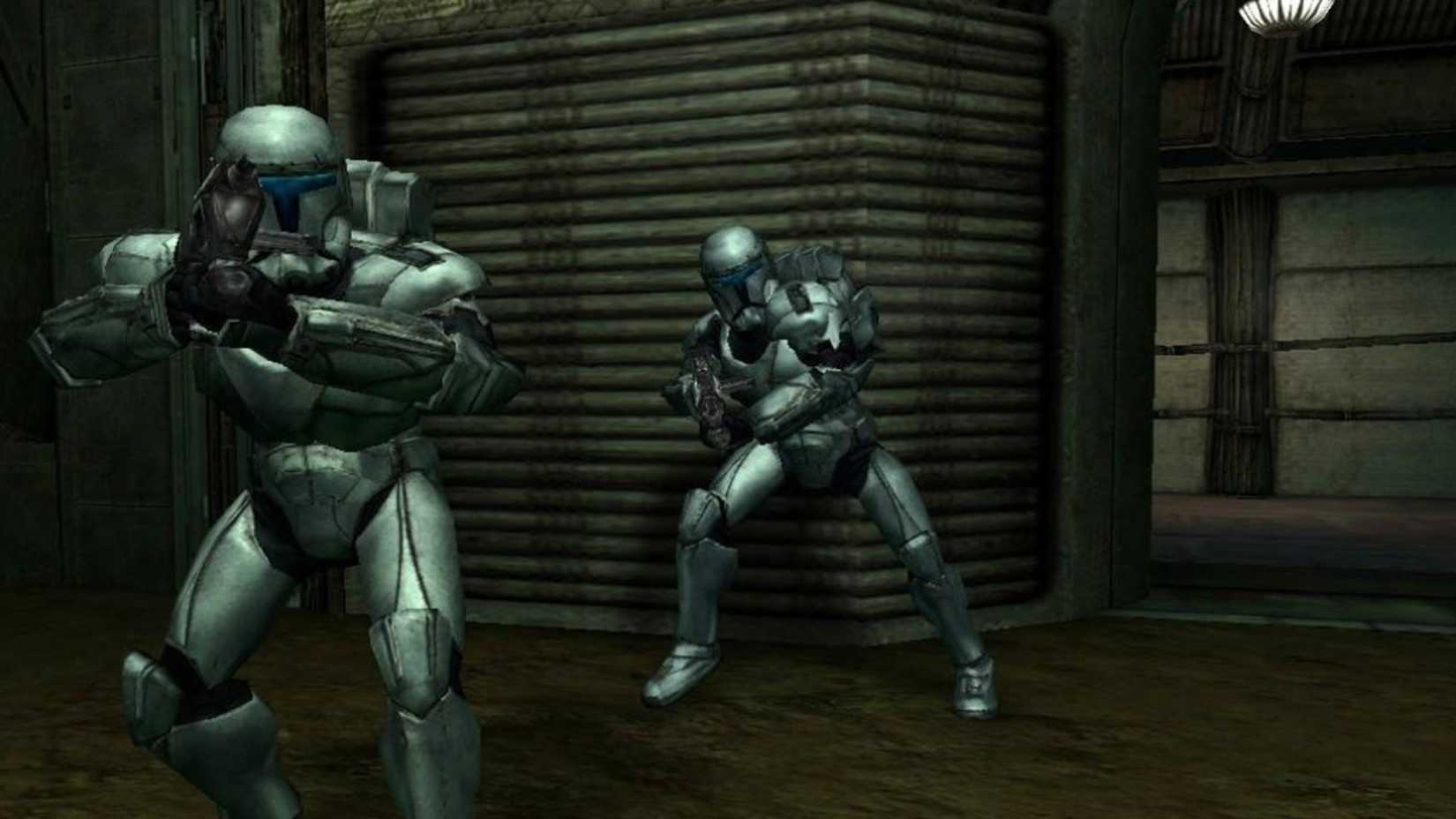
Star Wars: Republic Commando offered a starkly different perspective on the Clone Wars, eschewing the Jedi-centric narratives for the gritty reality of an elite squad of clone troopers. This first-person shooter delivered an immersive experience that highlighted the camaraderie and harsh realities of warfare from the clone perspective.
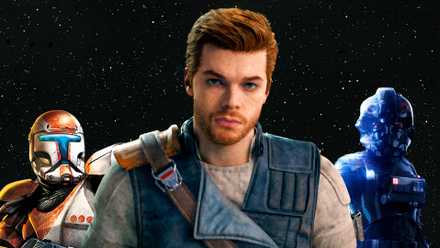
- Gameplay Mechanics: The game’s tactical squad-based combat was a key element. Players commanded Delta Squad, issuing orders for them to flank, provide cover fire, or breach enemy positions. This strategic element, combined with visceral close-quarters combat, made players feel like they were part of a cohesive fighting unit.
- Narrative Immersion: The game’s narrative was delivered through the eyes of RC-1138, "Boss," the squad leader. The dialogue between the squad members was realistic and often darkly humorous, building a strong sense of brotherhood. The game explored themes of individuality within a manufactured army, offering a unique and poignant look at the clones’ role in the war.
- Impact: Republic Commando proved that compelling Star Wars stories could be told outside the traditional Jedi narrative. Its focus on the clone troopers resonated with players, offering a raw and authentic depiction of their wartime experiences.
5. Star Wars: Empire At War (2006)
A More Strategic Approach to the Star Wars Universe
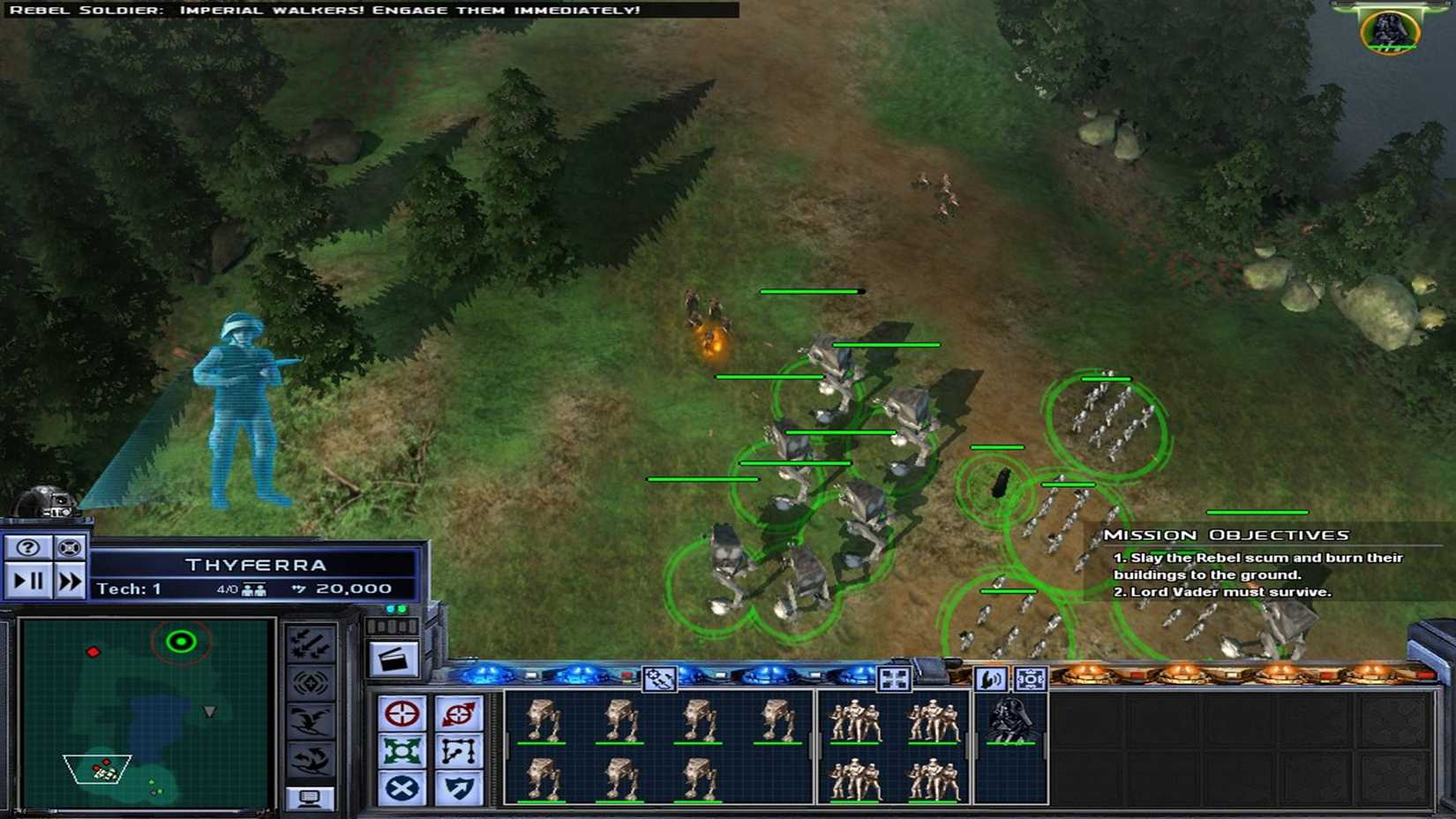
For players who crave grand-scale galactic strategy, Star Wars: Empire at War delivered an exceptional real-time strategy experience. This title allowed players to command vast fleets and armies across the galaxy, making crucial decisions that would shape the fate of the Galactic Civil War.
- Gameplay Mechanics: The game featured two core gameplay loops: a galactic strategic map where players managed resources, built fleets, and moved armies, and tactical space and ground battles. The transition between these modes was seamless, offering a comprehensive strategic experience. The ability to command iconic Star Wars units and capital ships in epic battles was incredibly satisfying.
- Narrative Immersion: While the game offered a campaign mode that loosely followed the Galactic Civil War, its true immersion came from the freedom it afforded players. Building your own empire, dictating the flow of battle, and witnessing the consequences of your strategic decisions created a deeply personal and engaging experience.
- Impact: Empire at War filled a void for strategy game enthusiasts within the Star Wars universe. It allowed players to experience the conflict from a commanding officer’s perspective, offering a different, yet equally immersive, way to engage with the Star Wars saga.
4. Star Wars Jedi Knight: Jedi Academy (2003)
One of the Stepping Stones of the Modern Star Wars Experience
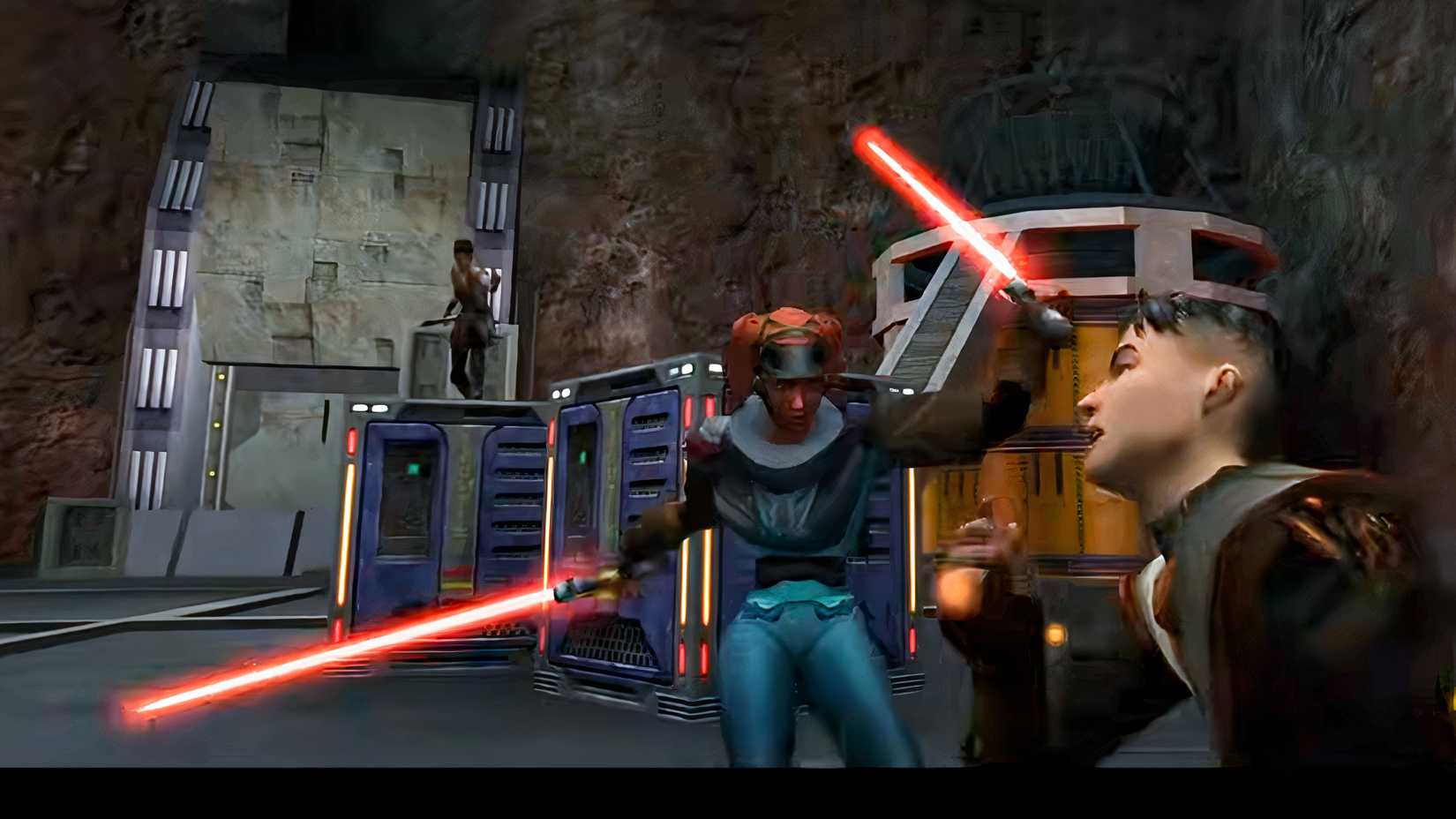
Star Wars Jedi Knight: Jedi Academy continued the legacy of the beloved Jedi Knight series, offering players an unparalleled experience in wielding a lightsaber and the Force. While its age is apparent in its graphics, its gameplay mechanics and overall feel remain remarkably fresh.
- Gameplay Mechanics: The game’s combat was its crowning achievement. Players could choose from various lightsaber forms, master Force powers, and engage in fluid, fast-paced duels. The ability to customize your character and choose your own path through the Jedi Order provided a sense of agency and immersion.
- Narrative Immersion: Players stepped into the role of Jaden Korr, a Force-sensitive student at Luke Skywalker’s Jedi Academy. The narrative revolved around uncovering a dark cult and confronting powerful Sith Lords. The sense of progression and growth as a Jedi, guided by iconic characters like Luke Skywalker and Kyle Katarn, was deeply satisfying.
- Impact: Jedi Academy refined the lightsaber combat formula, setting a high bar for future Star Wars action games. Its focus on player choice and the classic Jedi fantasy made it a standout title that continues to be played and enjoyed by fans today.
3. Star Wars: Battlefront II (2005)
Unit Design and Classes Were Amazing
The original Star Wars: Battlefront II is a legendary title, beloved for its expansive gameplay, iconic single-player campaign, and the sheer breadth of content it offered. This game truly captured the essence of Star Wars battles on a grand scale.
- Gameplay Mechanics: Battlefront II boasted a vast array of playable units, from standard infantry to powerful Jedi heroes and massive starfighters. The inclusion of vehicles on both land and in space, combined with diverse game modes, provided endless replayability. The progression system, where players unlocked new units and abilities, added a satisfying layer of depth.
- Narrative Immersion: The game’s single-player campaign, told from the perspective of the 501st Legion, was a masterstroke. It offered a poignant and often harrowing look at the Clone Wars and the transition to the Galactic Empire, delving into the moral complexities faced by the clones. Experiencing key battles from their perspective, understanding their loyalty and their doubts, was incredibly immersive.
- Impact: Battlefront II (2005) remains a benchmark for Star Wars multiplayer and single-player experiences. Its ability to put players directly into the heart of iconic Star Wars conflicts, with compelling narratives and a vast array of gameplay options, solidified its status as a timeless classic.
2. Star Wars Jedi: Survivor (2023)
A Strong Sequel to an Already Great Title
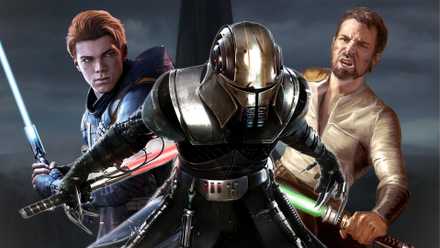
The latest installment in Cal Kestis’s journey, Star Wars Jedi: Survivor, builds upon the success of its predecessor, Jedi: Fallen Order, to deliver an even more refined and immersive experience. This action-adventure title pushes the boundaries of storytelling and gameplay within the Star Wars universe.
- Gameplay Mechanics: Survivor refines the combat mechanics introduced in Fallen Order, offering more lightsaber stances, Force abilities, and customization options. The exploration is more expansive, with larger planets and new traversal mechanics. The combination of challenging combat and intricate level design creates a truly engaging gameplay loop.
- Narrative Immersion: The story of Survivor delves deeper into Cal’s personal struggles and his place in a galaxy under Imperial rule. The narrative explores themes of survival, found family, and the weight of the past. The introduction of new characters and the expansion of existing ones, particularly Merrin, add significant emotional depth. The quest for Tanalorr provides a compelling narrative driver, making players feel like they are part of a grand and dangerous adventure.
- Impact: Star Wars Jedi: Survivor is a testament to the power of modern game development in crafting immersive Star Wars experiences. Its rich narrative, refined gameplay, and expansive universe exploration offer players a profound connection to Cal Kestis’s story and the wider Star Wars lore.
1. Star Wars: Knights of the Old Republic (2003)
The Best Star Wars Game to Ever Exist
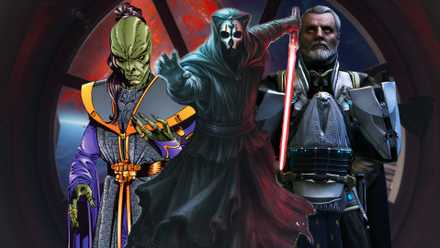
Widely regarded as one of the greatest Star Wars games ever made, Star Wars: Knights of the Old Republic (KOTOR) set a new standard for narrative-driven RPGs within the franchise. Set thousands of years before the Skywalker saga, it offered a unique and captivating glimpse into a pivotal era of galactic history.
- Gameplay Mechanics: KOTOR features a turn-based combat system with real-time elements, allowing players to strategically command their party. The character progression system is deep and rewarding, allowing players to customize their Jedi’s abilities and playstyle. The moral choices presented throughout the game have a tangible impact on the narrative and character development, fostering a strong sense of player agency.
- Narrative Immersion: The game’s story is its undisputed masterpiece. The discovery of the Star Maps, the unfolding mystery of the player character’s identity, and the legendary plot twist are all expertly crafted. The rich lore of the Old Republic, populated by memorable characters like Revan, Bastila Shan, and Darth Malak, creates an incredibly immersive world. Players are not just playing a game; they are participating in an epic saga.
- Impact: KOTOR revolutionized Star Wars storytelling in video games. Its intricate plot, compelling characters, and meaningful choices set a benchmark for RPGs and demonstrated the potential for deep, engaging narratives within the Star Wars universe. Even today, its influence is felt, and the anticipation for its remake underscores its enduring legacy.
Official Responses and Industry Impact
The consistent success and critical acclaim of these Star Wars games have not gone unnoticed by Lucasfilm and its parent company, Disney. The positive reception has directly influenced future game development, with a renewed focus on storytelling, character development, and diverse gameplay experiences. The success of titles like Jedi: Fallen Order and Jedi: Survivor has led to increased investment in narrative-driven single-player experiences, while the enduring popularity of games like Battlefront II (2005) has spurred the development of modern multiplayer entries. The industry has recognized that authentic Star Wars experiences, whether through grand battles or personal journeys, are highly sought after by fans.
Implications for the Future of Star Wars Gaming
The evolution of immersive Star Wars games points towards a bright future for the franchise’s interactive endeavors. With a remake of Knights of the Old Republic in development and other promising titles on the horizon, players can anticipate even more deeply engaging experiences. The ongoing success of games that prioritize strong narratives, compelling characters, and diverse gameplay mechanics suggests a continued trend towards delivering rich, lore-expanding adventures. As technology advances, we can expect Star Wars games to become even more visually stunning and interactive, offering unparalleled opportunities for players to forge their own legends in a galaxy far, far away. The legacy of these immersive titles serves as a guiding light, ensuring that the Star Wars universe will continue to captivate and transport players for generations to come.

 Lina Irawan
 Sagoh
Sagoh