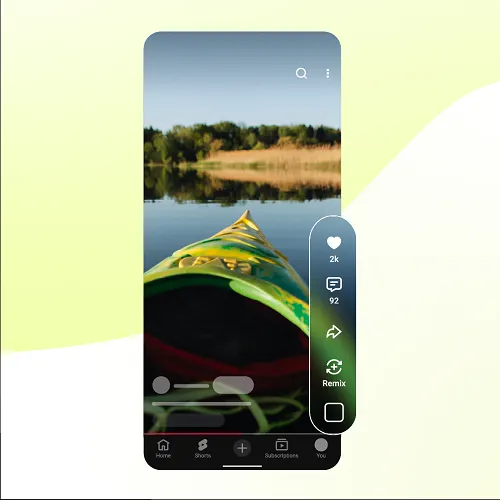
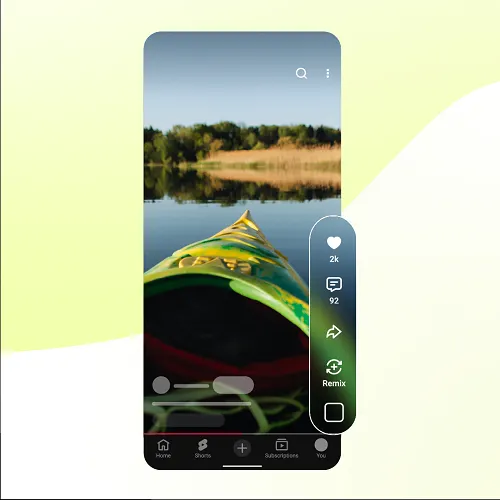
In a significant move to refine the short-form video ecosystem, YouTube has announced a comprehensive update to its Shorts playback interface. This overhaul represents a fundamental shift in how viewers interact with content, moving away from the traditional binary "like/dislike" model toward a more nuanced, feedback-oriented system. By integrating a heart-based engagement icon, introducing a "Clear Screen" viewing mode, and rolling out a 2x playback speed feature, YouTube is signaling a maturation of its Shorts product as it aggressively competes with industry titans like TikTok and Instagram Reels.
The Core Transformation: Moving Beyond Binary Engagement
For years, the digital landscape of social media has been defined by the binary "like" or "dislike" dynamic. However, YouTube has determined that this simplistic model no longer serves the complexity of user preferences. The platform is replacing the dual thumbs-up and thumbs-down icons with a singular heart icon for positive engagement.
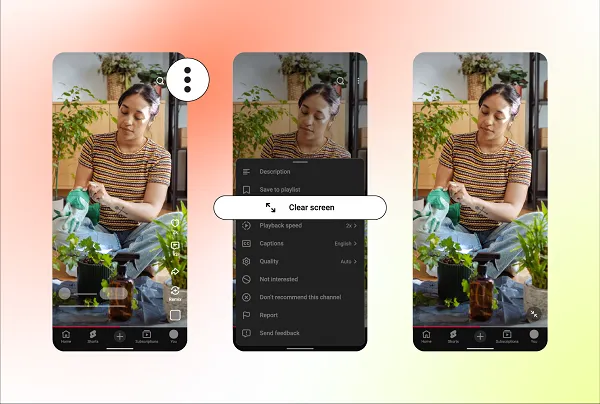
This is not merely a cosmetic change; it is a structural pivot. Under the new system, users who wish to express dissatisfaction or curate their feed will no longer use a dislike button. Instead, they are directed to the menu options, where they can select "Not Interested," "Don’t recommend this channel," or utilize the "Report" function.
Granular Feedback for Algorithmic Precision
YouTube’s official stance on this transition is rooted in data quality. By segregating positive reinforcement (the heart) from negative feedback (menu-driven preferences), the platform aims to gather more granular insights. The previous binary approach often lumped "dislikes" together, making it difficult for the recommendation engine to distinguish between a video that was genuinely offensive and one that was simply not relevant to a specific user’s tastes. The new system allows the algorithm to learn with greater precision, potentially leading to a more personalized "Shorts Feed" for every user.
Chronology: The Evolution of the Shorts Interface
The journey of YouTube Shorts has been characterized by rapid iteration. Launched globally in 2021 as a direct response to the meteoric rise of TikTok, Shorts initially relied on the existing YouTube infrastructure.
- 2021: YouTube introduces Shorts globally, integrating the familiar YouTube player controls, including the thumbs-up and thumbs-down icons.
- 2022-2023: The platform focuses on creator monetization and the expansion of the Shorts library, incorporating tools like "Remix" and improved editing capabilities.
- Early 2024: YouTube begins internal testing of UI refinements, seeking to clean up the screen clutter that often plagues short-form video players.
- Mid-2024: The official announcement of the "Clear Screen" mode and the transition to the heart-based engagement model, aligning the platform more closely with the user experiences found on Reels and TikTok.
This progression reflects a deliberate strategy: YouTube first established its presence, then built its creator base, and is now refining the user experience to ensure maximum retention and satisfaction.
Supporting Data and the "Clear Screen" Initiative
One of the most frequent criticisms of the Shorts interface has been the "clutter" factor. With channel names, captions, audio tracks, and action buttons overlaid directly on the video, the aesthetic quality of the content is often compromised.
The Clear Screen Feature
The new "Clear Screen" option is a direct response to this feedback. Accessible via the three-dot menu within the Shorts player, this feature allows users to strip away the UI overlays, offering an immersive viewing experience. By removing the distraction of engagement buttons and text, YouTube is prioritizing the video content itself—a move that mirrors the sleek, minimalist design philosophies favored by younger demographics who prioritize visual consumption over interface interaction.
The 2x Playback Speed
Complementing the UI changes is the introduction of a 2x playback speed. By holding down the edge of the screen, viewers can accelerate through content. This feature acknowledges the shifting habits of digital consumers who increasingly value efficiency. As attention spans fluctuate, the ability to "power-watch" through longer-form Shorts or bypass slower segments has become a standard expectation in short-form media.
Official Responses and Creator Impact
The transition away from public dislike counts for Shorts has sent ripples through the creator community. YouTube has clarified that while creators will retain access to historical dislike data within YouTube Studio, the count will stop updating for Shorts at the end of June.

The Data Vacuum for Creators
For creators, the dislike count was historically a performance metric. Some utilized it to gauge the "controversy" or "divisiveness" of a video, while others used it as a diagnostic tool to identify content that failed to resonate. With this data being phased out, creators must pivot their analytical focus toward other KPIs (Key Performance Indicators).
YouTube’s official guidance suggests that creators should focus on "Retention Rates" and "Engagement Ratios" (hearts per view) rather than negative sentiment metrics. This shift forces a professionalization of content strategy: creators are now encouraged to focus on creating content that is either highly engaging or, if it fails to perform, simply fades into the algorithm’s background rather than being "downvoted" into obscurity.
Implications: A New Era for YouTube Shorts
The implications of these changes are far-reaching, touching upon user behavior, algorithmic optimization, and the competitive landscape of the attention economy.
1. Aligning with Industry Standards
By adopting the heart icon and the "Clear Screen" functionality, YouTube is effectively harmonizing its Shorts UI with the established industry norms set by TikTok and Meta’s Reels. This is a strategic move to lower the barrier to entry for users who are already accustomed to the UI language of its competitors. It minimizes "platform friction," making it easier for users to migrate between apps without feeling disoriented.
2. Refining the Algorithm
The move toward more granular feedback is perhaps the most significant long-term implication. By forcing users to categorize their negative feedback (via the "Not Interested" or "Don’t Recommend" options), YouTube is essentially crowdsourcing the training of its recommendation engine. This should theoretically result in a higher quality, more relevant feed, which in turn increases the amount of time users spend on the platform.
3. The Future of Creator Performance Tracking
Creators will need to adapt their strategies to this "post-dislike" era. As negative sentiment becomes harder to quantify, the value of positive engagement (hearts) will likely increase. Creators who can cultivate a loyal audience that actively engages with the heart icon will be rewarded by the algorithm more heavily than those whose content relies on broad-spectrum, "neutral" appeal. This may lead to a rise in content that is more "opinionated" or "niche," as creators lean into the types of engagement that the new algorithm prefers.
4. Competitive Positioning
YouTube remains the only platform with a massive, integrated library of long-form and short-form video. These updates represent the platform’s commitment to making Shorts not just an add-on, but a seamless part of the YouTube experience. By introducing 2x speed and a cleaner UI, YouTube is acknowledging that Shorts are a "lean-forward" experience, whereas traditional YouTube long-form content remains a "lean-back" experience. The ability to toggle between these modes effectively within the same app is a significant competitive advantage that platforms like TikTok cannot replicate with the same depth.
Conclusion
The latest update to YouTube Shorts is more than a simple design refresh; it is a sophisticated recalibration of the platform’s social architecture. By removing the binary dislike, YouTube is attempting to foster a more positive and data-rich environment. While creators will need to adjust their analytical frameworks to accommodate the loss of dislike metrics, the trade-off is a potentially more efficient, personalized, and visually immersive experience for the end user.
As YouTube continues to evolve, these changes underscore the platform’s agility. In the battle for global attention, the winner is often the platform that best understands the tension between content and control. By giving users more power to curate their feeds and enjoy an uncluttered viewing experience, YouTube is securing its position as a dominant force in the short-form video market for the foreseeable future. The coming months will be a critical testing period as the algorithm integrates this new data, and as creators refine their content to thrive in this evolving digital landscape.