Neng Nana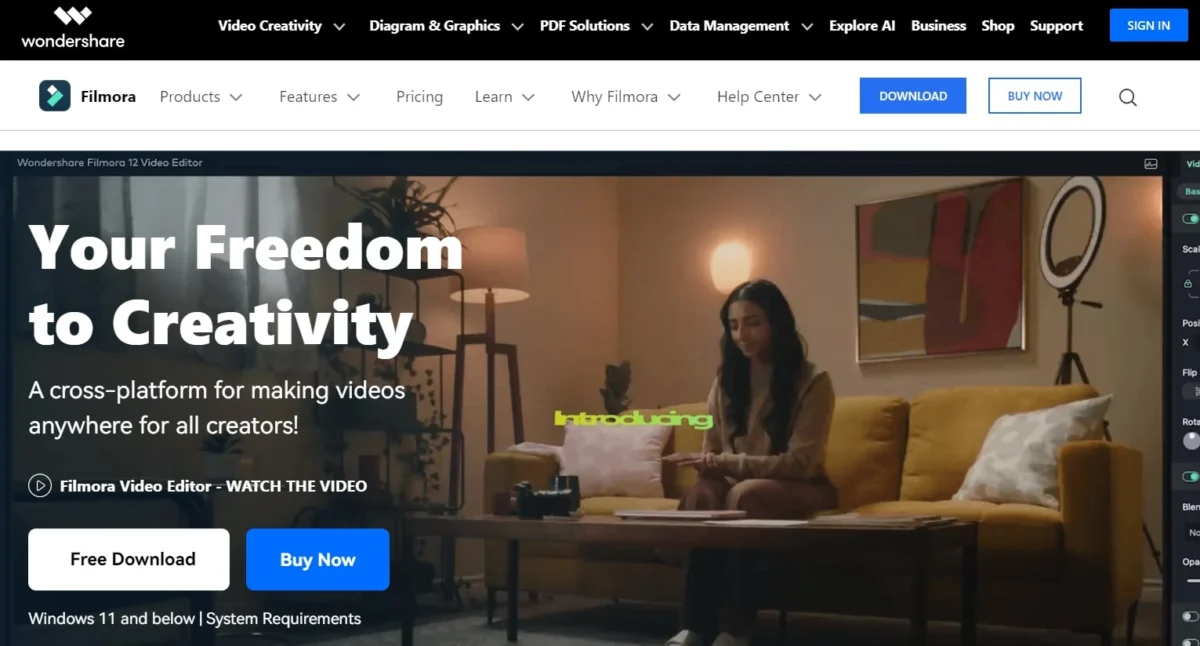
In the rapidly evolving landscape of digital health, video marketing has emerged as the most potent tool for bridging the gap between clinical complexity and patient understanding. As we approach 2025, healthcare providers, hospital systems, and medical technology firms are increasingly relying on YouTube—the world’s second-largest search engine—to humanize their brands, showcase cutting-edge expertise, and deliver vital public health information.
However, the intersection of creative marketing and clinical communication is fraught with specific challenges. Healthcare entities must balance high-production aesthetics with the rigid constraints of HIPAA compliance, the need for surgical accuracy, and the imperative to maintain unwavering patient trust. To navigate this, marketing teams require more than just artistic vision; they need robust, reliable, and efficient video editing software.
This article explores five industry-leading video editors that are shaping the future of healthcare communication, providing the technical infrastructure needed to transform medical data into compelling visual narratives.
The Strategic Importance of Video in Modern Healthcare
The transition toward video-centric marketing in the medical sector is not merely a trend; it is a response to changing patient behaviors. According to recent industry data, patients are 60% more likely to trust a medical provider after viewing an educational video compared to reading static text.
For hospitals and private practices, video serves three primary functions:

- Patient Education: Simplifying complex diagnostics or surgical procedures into digestible explainers.
- Brand Humanization: Highlighting the compassionate side of medical care through patient testimonials and "day-in-the-life" staff profiles.
- Credibility Building: Establishing physician authority through webinars and expert commentary.
Yet, for the marketing professional, the technical burden is significant. Ensuring that videos meet privacy standards while maintaining professional quality requires tools that offer precision, security, and accessibility.
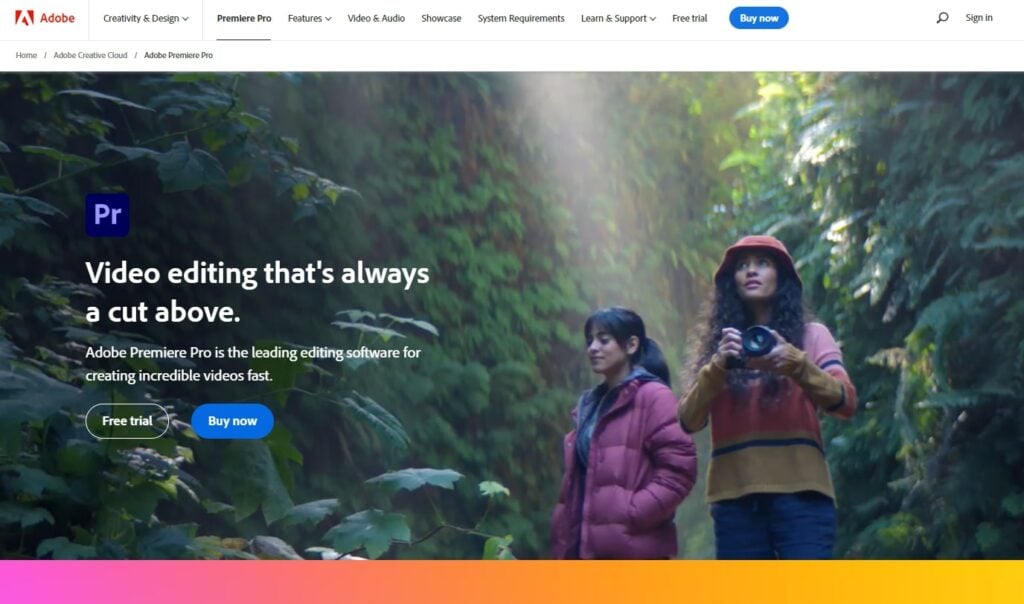
1. Adobe Premiere Pro: The Gold Standard for Professional Production
Adobe Premiere Pro remains the industry leader, serving as the backbone for high-stakes healthcare marketing. Its deep integration with the Adobe Creative Cloud ecosystem makes it the preferred choice for institutions that demand broadcast-quality outputs.
Key Features and Professional Utility
Premiere Pro excels in multi-cam editing, which is invaluable for professional-grade interviews with surgeons or hospital administrators. Its sophisticated "Lumetri Color" panel allows for the consistent branding of clinical environments, ensuring that hospital logos and color palettes remain uniform across a vast library of content.
- Pros: Unmatched professional feature set; seamless integration with After Effects for medical motion graphics.
- Cons: Steep learning curve; subscription model can be costly for smaller clinics.
- Best for: Large hospital systems and medical marketing agencies producing high-end documentaries or long-form educational series.
Pricing: $20.99/month (Creative Cloud subscription).
2. Animaker: Bridging the Gap with Medical Animation
Visualizing internal human anatomy or the mechanics of a new medical device can be difficult with live-action footage alone. Animaker has emerged as the premier AI-powered solution for simplifying intricate medical concepts.
Simplifying the Complex
By utilizing drag-and-drop animation, Animaker allows marketing teams to create procedural guides that are both safe and easy to understand. For instance, explaining a cardiac procedure via animation avoids the "ick factor" of graphic surgical footage, making the content more accessible for a general patient audience.
- Pros: Massive library of pre-built medical assets; zero-code requirements for high-end animation.
- Cons: Can sometimes feel "cartoony" if not managed with professional design choices.
- Best for: Explainer videos, patient intake tutorials, and public health awareness campaigns.
Pricing: Free tier available; Pro plans start at $15/month.
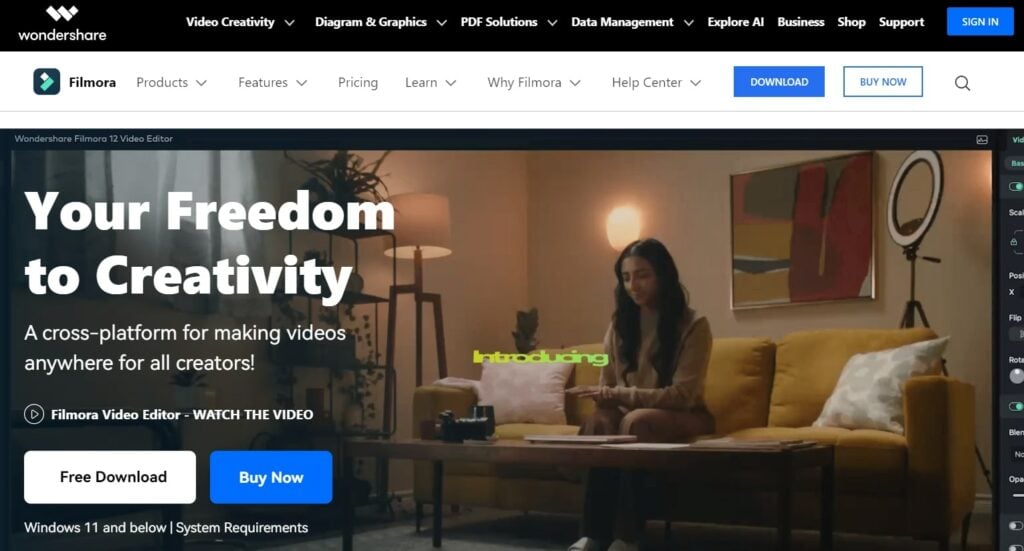
3. Filmora: Balancing Efficiency and Creativity
For healthcare marketing teams that lack a dedicated video production department, Wondershare Filmora provides the perfect middle ground. It offers advanced features without the overwhelming complexity of professional-grade software.
Empowering the In-House Marketer
Filmora’s strength lies in its intuitive interface. Marketing managers can quickly import footage from hospital events or facility tours and utilize the software’s AI-powered tools—such as auto-reframe and noise reduction—to polish content in minutes rather than hours.
- Pros: Highly accessible; excellent library of templates and royalty-free music.
- Cons: Fewer advanced color grading options compared to Premiere or DaVinci.
- Best for: Small-to-mid-sized clinics and internal communications departments.
Pricing: Annual plans start at $49.99.

4. iMovie: The Accessible Choice for Apple-Centric Teams
Apple’s iMovie is frequently overlooked, yet it remains one of the most efficient tools for quick, high-quality edits. For medical professionals who prioritize speed and mobile workflow, iMovie is an essential component of the toolkit.
Rapid Turnaround
When a hospital needs to share a quick update on a public health announcement or a snippet of a physician’s advice, iMovie offers an unmatched speed-to-market. It provides all the essential cuts, transitions, and audio-balancing tools required for crisp, clean social media content.
- Pros: Free, lightweight, and incredibly stable on macOS and iOS.
- Cons: Limited to Apple hardware; lacks advanced track layering for complex projects.
- Best for: Quick updates, social media snippets, and internal staff announcements.
Pricing: Free for all Apple users.
5. DaVinci Resolve: The Cinematic Powerhouse
DaVinci Resolve is the software of choice for those who view video production as a cinematic craft. While it is known for being a Hollywood-grade color correction tool, its "Cut" and "Edit" pages are increasingly utilized by medical marketers aiming for a high-end, polished aesthetic.
Precision and Quality
In the world of medical marketing, lighting and color accuracy are critical. DaVinci Resolve offers the most advanced color correction tools in the industry, ensuring that skin tones are natural and medical imagery is presented with total clarity.
- Pros: Industry-leading color grading; robust free version; one-time purchase for the Studio version.
- Cons: Requires powerful hardware to run effectively.
- Best for: Cinematic brand storytelling and high-quality facility showcases.
Pricing: Free version; Studio version is a one-time purchase of $295.
Implications for Healthcare Marketing in 2025
The choice of editing software is a reflection of an organization’s broader communication strategy. As we look toward the mid-decade, three trends are clear:
- AI-Driven Efficiency: Tools that incorporate AI—for transcription, closed-captioning, and automated editing—will become mandatory. Accessibility is no longer optional; it is a regulatory and ethical requirement.
- Short-Form Dominance: While YouTube remains the hub, the ability to repurpose long-form educational content into "YouTube Shorts" is essential. All five tools mentioned provide the export flexibility to cater to this mobile-first audience.
- Trust-Based Branding: In an era of medical misinformation, high-production value serves as a signal of legitimacy. A well-edited, professional video conveys competence and stability, which are the cornerstones of patient trust.
Chronology of Adoption
The shift toward these tools has followed a distinct path. In the early 2020s, healthcare marketing was largely experimental. By 2023, the focus shifted toward compliance and scalability. By 2025, the industry has reached a stage where video is no longer an "add-on" but a fundamental pillar of the patient journey. From the initial search for a doctor to the post-operative care instructions, video content is now the primary medium of exchange between provider and patient.
Conclusion: Making the Right Investment
The "best" editor is not necessarily the one with the most features, but the one that aligns with your team’s workflow.
- Choose Adobe Premiere Pro if you have a dedicated video team.
- Choose Animaker if you need to explain complex, intangible medical concepts.
- Choose Filmora for day-to-day agile marketing.
- Choose iMovie for on-the-go Apple users.
- Choose DaVinci Resolve if visual excellence is your top priority.
As you refine your strategy for the coming year, remember that the goal of these tools is to simplify the complex. In the healthcare sector, clarity is the ultimate form of empathy. By leveraging the right technology, you can ensure that your message not only reaches your audience but resonates with the humanity at the heart of your medical mission.


 Siti Muinah
 Dwi Wanna