

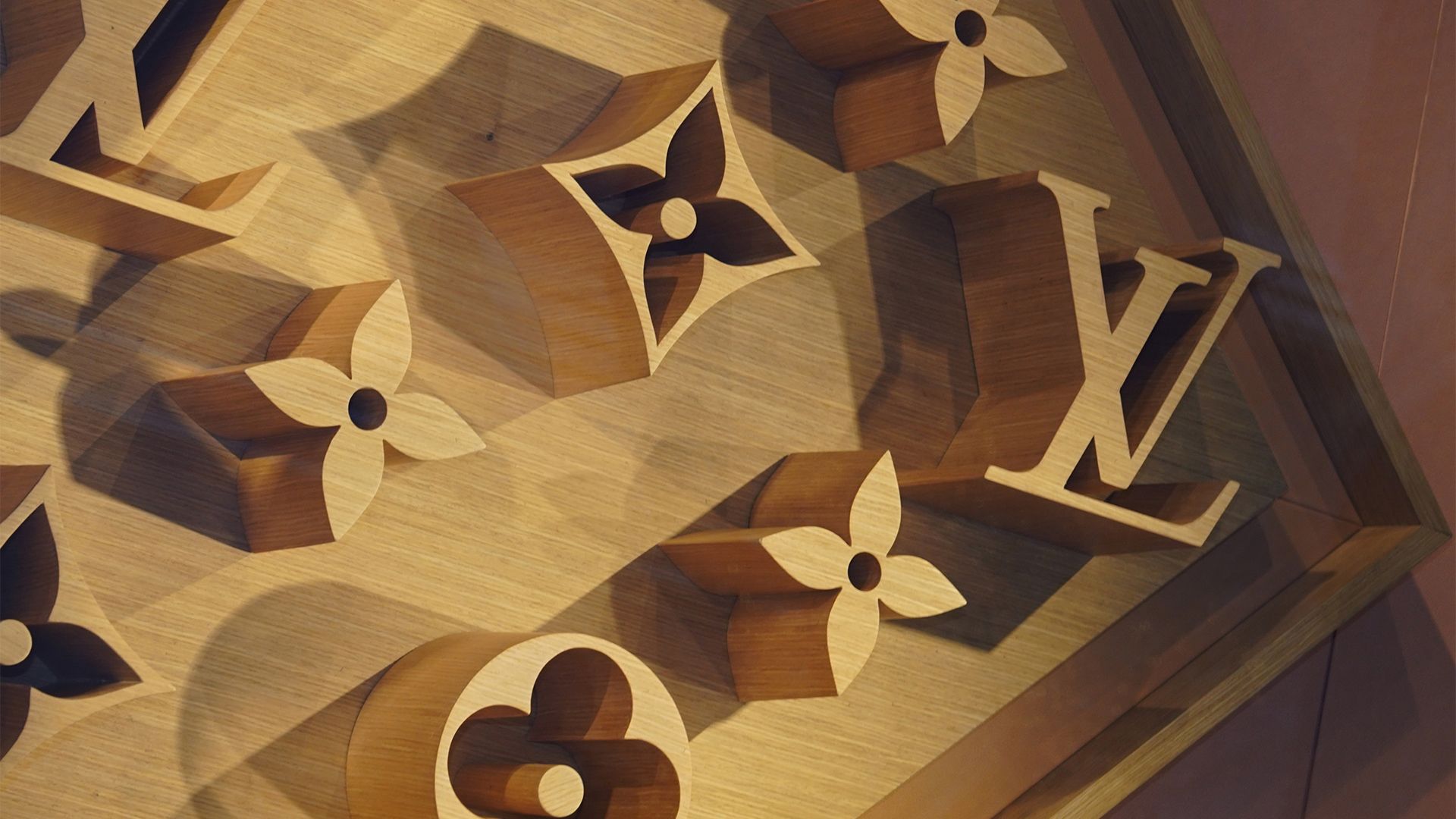
In the world of luxury fashion, the "Toile Monogram"—that interlocking sequence of L, V, and floral motifs—is more than just a brand logo; it is a cultural shorthand for status, heritage, and exclusivity. Recently, however, that iconic pattern has become the centerpiece of a high-stakes legal battle that pits the pinnacle of Parisian haute couture against a regional American entertainment powerhouse.
Louis Vuitton Malletier, the fashion giant under the LVMH umbrella, has officially filed a lawsuit against Maryland Live! Casino, a prominent gaming and hospitality venue based in Hanover, Maryland. The luxury house alleges that the casino engaged in willful trademark infringement, counterfeiting, and unfair competition by distributing promotional merchandise that mirrors the globally recognized Louis Vuitton aesthetic. The case, which is currently unfolding in federal court, highlights the extreme lengths to which luxury brands must go to protect their intellectual property (IP) in an era where brand dilution can occur at the speed of a social media post.
The Core Allegations: A Breach of Luxury Identity
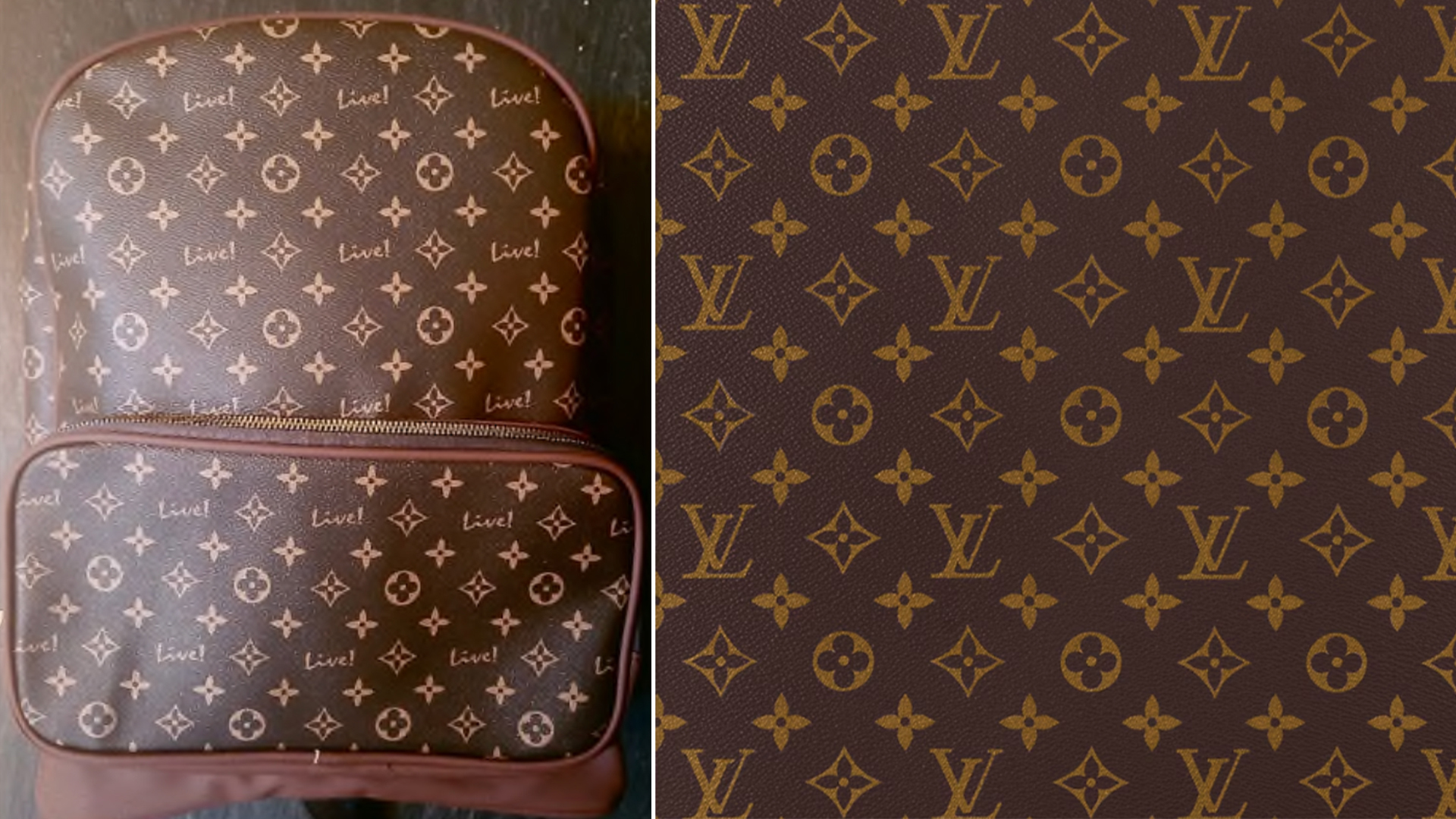
At the heart of the dispute is a series of promotional bags and backpacks distributed by Maryland Live! Casino during its marketing initiatives. Louis Vuitton’s legal team contends that the casino’s design team did not merely "borrow" inspiration from the fashion house; rather, they deliberately mimicked the geometry and layout of the LV monogram.
The lawsuit alleges that the casino replaced the signature LV initials with its own "Live!" branding, yet maintained the distinctive, repeating pattern and structural motifs that have defined Louis Vuitton’s products for over a century. According to the filing, this was not an innocent design choice but a calculated effort to create a "false association" between the high-end, aspirational brand of Louis Vuitton and the commercial, gaming-focused environment of the casino.
In legal terms, the plaintiff claims that this conduct constitutes "trademark counterfeiting" and "trademark dilution." By creating products that confuse the average consumer, Louis Vuitton argues that the casino is eroding the distinctiveness of the monogram—a trademark that the fashion house has spent decades meticulously curating and defending.
Chronology of the Conflict: From Giveaway to Courtroom
The timeline of this dispute suggests a progressive escalation, moving from a standard corporate request to a full-blown litigation battle.
Phase 1: The Initial Campaign (April 2026)
The tension began in early 2026, when Maryland Live! Casino launched a series of promotional giveaways. As part of a marketing push to attract patrons, the casino offered branded bags and backpacks as prizes. Upon discovering these items, Louis Vuitton’s legal department—known for its aggressive defense of its IP—immediately flagged the design as a flagrant imitation of its protected trade dress.
Phase 2: The Cease and Desist
In a move standard for large corporations, Louis Vuitton dispatched a formal cease and desist letter to Maryland Live! Casino. The letter outlined the infringement, provided evidence of the similarities between the casino’s bags and the luxury monogram, and demanded that the casino halt all production and distribution of the offending merchandise.
Phase 3: The "Endless Elegance" Re-emergence
Rather than complying, the casino allegedly doubled down. In a move described in court documents as "particularly brazen," the casino re-introduced the contentious bags during a subsequent promotional campaign dubbed "Endless Elegance." The repetition of the design after receiving legal notice is a critical point in the lawsuit, as it allows Louis Vuitton to argue that the casino’s actions were "willful" and "malicious," rather than accidental.
Phase 4: Formal Litigation
Following the second campaign, Louis Vuitton exhausted its patience for informal resolution. The fashion house filed a lawsuit in federal court, seeking an injunction to stop the casino from using the design, the destruction of all existing infringing stock, and significant monetary damages.
Supporting Data: The Economics of Brand Protection
To understand why Louis Vuitton is pursuing a casino in Maryland with such intensity, one must look at the economics of luxury branding. Louis Vuitton’s brand equity is valued in the billions, and it is a protected asset that the company guards with a dedicated global enforcement team.
The "Counterfeit Mark" Clause
The lawsuit specifically seeks up to $2 million per counterfeit mark for each type of product sold. This high figure is designed as a deterrent. If the court finds in favor of Louis Vuitton, the penalty could reach millions of dollars, far exceeding the initial cost of producing the promotional bags. This strategy sends a clear message to other corporations: "Borrowed" design is an expensive gamble.
The Value of Exclusivity
Luxury brands rely on a concept called "scarcity value." If the public begins to associate the Louis Vuitton monogram with mass-market giveaways at a local casino, the perceived value of the original, high-priced goods diminishes. The "dilution" of the brand—where the trademark loses its unique association with the luxury house—is a tangible financial harm that economists and legal experts testify to in cases of this magnitude.
Official Responses and Legal Perspectives
Neither party has issued a statement that would suggest an early settlement. Representatives for Louis Vuitton have maintained a firm stance, emphasizing that their intellectual property is the lifeblood of their business model. Their argument remains focused on the "likelihood of confusion"—the legal standard in trademark law—which asks whether a consumer might reasonably believe that the casino’s bags were an official collaboration with or authorized by Louis Vuitton.
Conversely, while Maryland Live! Casino has not offered a public defense regarding the specific design choices, legal analysts speculate that the casino might argue the design was a "parody" or an independent creation that lacks sufficient similarity to warrant the "counterfeit" label. However, the use of the term "Endless Elegance" for a campaign featuring knock-off goods is likely to be viewed by the court as evidence of intent to trade on the luxury aesthetic.
Implications: A Warning to Marketers
The outcome of this case will likely serve as a landmark precedent for how brands interact with "inspired-by" design in marketing.
The End of "Fast-Fashion" Marketing
For regional businesses, this case serves as a cautionary tale. Marketing teams often look to high-fashion trends to make their giveaways more attractive, but the legal line between "inspired by" and "infringement" is thinner than ever. The use of repeating, geometric patterns that mimic the LV, Gucci, or Chanel style is now a high-risk endeavor.
Impact on Intellectual Property Law
If Louis Vuitton succeeds, it will reinforce the power of luxury houses to police their branding across entirely different sectors. It confirms that you do not need to be a fashion competitor to commit trademark infringement; you simply need to benefit from the reputation of a brand you do not own.
The Broader Context
This case joins a growing list of high-profile design disputes. From Patagonia’s battle with independent artists to Aston Martin’s internal squabbles with shareholders, the landscape of intellectual property is becoming increasingly litigious. As digital design tools make it easier for companies to replicate professional patterns, courts are being forced to define the boundaries of corporate identity more clearly than ever.
Conclusion
As the legal proceedings continue, the fashion and gaming industries remain in a state of observation. For Louis Vuitton, this is a matter of maintaining the sanctity of its heritage. For Maryland Live! Casino, the lawsuit represents a significant legal and financial hurdle.
While the verdict remains uncertain, one thing is clear: the Louis Vuitton monogram remains one of the most protected symbols in history. Any organization—regardless of its industry—that decides to use the patterns of a luxury house as a promotional tool is walking a dangerous path. In the "Endless Elegance" of the fashion world, the price of copying is increasingly becoming the cost of a brand’s reputation.









No comments yet. Be the first to join the conversation!