Nana
Nana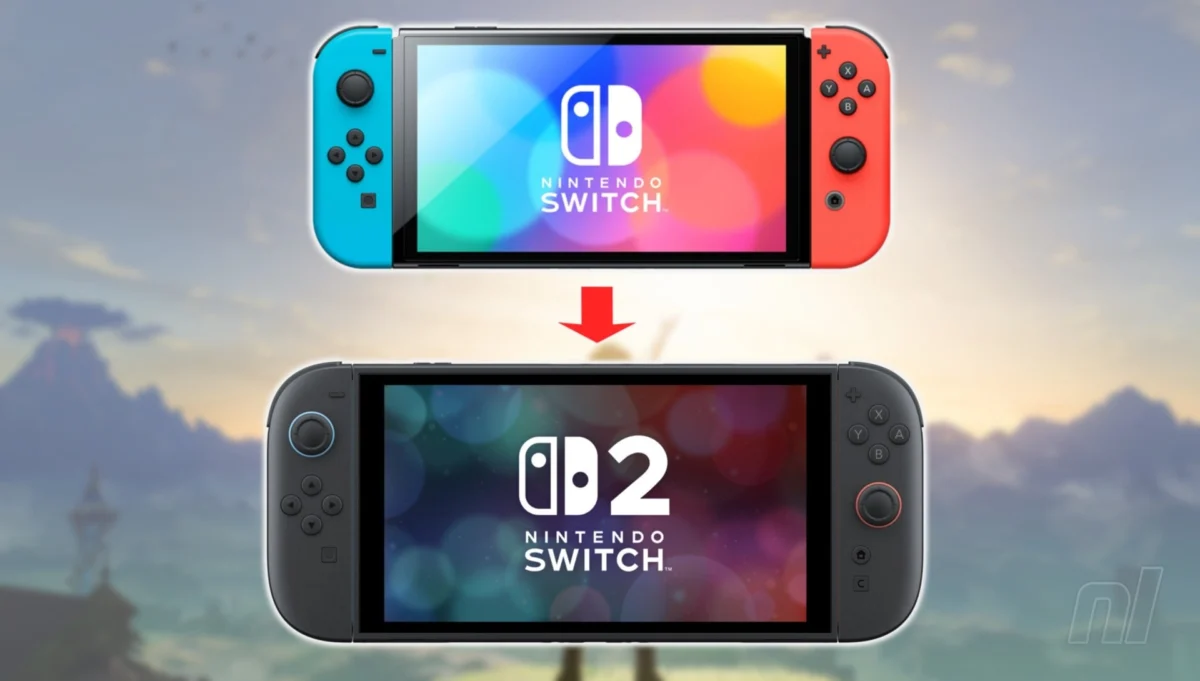
The hybrid console’s ongoing commitment to a vast and accessible library is further solidified as Shovel Knight and numerous other titles receive crucial compatibility enhancements.
[City, State] – [Date] – As the Nintendo Switch 2 confidently strides into its second year of existence, Nintendo’s dedication to ensuring a smooth and comprehensive gaming experience for its users remains paramount. A testament to this commitment, the company has recently rolled out another significant wave of compatibility updates, specifically targeting the seamless integration of existing Nintendo Switch titles onto the new hybrid hardware. This latest patch introduces notable improvements for beloved classics like Shovel Knight and a diverse range of other games, further enriching the backwards compatibility of the platform.
This proactive approach to software maintenance not only demonstrates Nintendo’s ongoing investment in its established player base but also actively works to expand the appeal of the Switch 2 by preserving access to the extensive library built by its predecessor. The continuous refinement of these compatibility features ensures that gamers can confidently anticipate a robust and ever-improving experience as they transition their digital and physical collections to the new console.
A Legacy of Play: The Importance of Backwards Compatibility
The concept of backwards compatibility, while not entirely new to the gaming industry, has become an increasingly valued feature for consumers. For a platform like the Nintendo Switch 2, which inherits the legacy of one of the most successful consoles of all time, maintaining access to a vast library of previously purchased games is not just a convenience; it’s a crucial factor in user adoption and satisfaction. Nintendo has historically placed a strong emphasis on its intellectual properties and the unique experiences they offer. By ensuring that these games can be played, and ideally played better, on the Switch 2, the company not only honors its past but also actively cultivates future engagement.
The Switch 2, with its enhanced processing power and updated architecture, presents an ideal environment for developers to revisit and optimize their existing titles. These compatibility updates are not merely about making games run; they are about making them run better. This can manifest in various ways, from improved frame rates and reduced loading times to enhanced visual fidelity and the elimination of minor glitches that may have existed on the original hardware. For a game as meticulously crafted and beloved as Shovel Knight, these optimizations can breathe new life into the experience, allowing long-time fans to rediscover its charm and new players to be captivated by its timeless design.
The Latest Enhancements: A Deep Dive into the Updates
The recent batch of compatibility fixes, as detailed by Nintendo Everything, addresses a range of titles, indicating a comprehensive and systematic effort to fine-tune the Switch 2’s performance across its expansive software catalog. While the exact nature of the fixes for each individual game is not always explicitly detailed in public announcements, the overarching goal is clear: to provide a more stable, performant, and enjoyable gaming experience.
Focus on Shovel Knight:
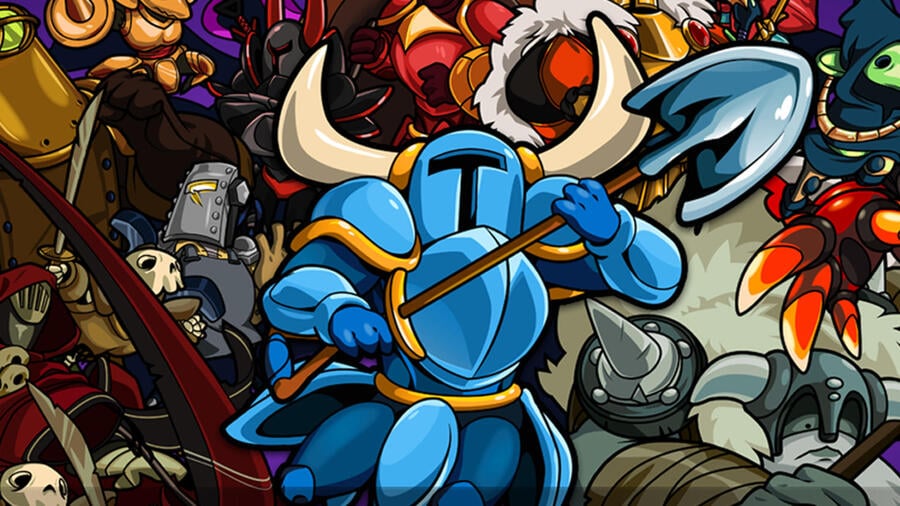
The inclusion of Shovel Knight in this update is particularly noteworthy. Developed by Yacht Club Games, Shovel Knight is a critically acclaimed indie title that has garnered widespread praise for its retro-inspired design, tight gameplay mechanics, and charming narrative. Its availability across multiple platforms, including the original Nintendo Switch, has cemented its status as a modern classic. For Shovel Knight on the Switch 2, improvements could range from smoother animations and more responsive controls to enhanced audio quality. The game’s pixel-art aesthetic, while timeless, can also benefit from the Switch 2’s more advanced display capabilities, potentially leading to sharper visuals and more vibrant colors.
Broader Impact Across the Library:
Beyond the flagship Shovel Knight, the update encompasses a variety of other titles, underscoring Nintendo’s commitment to a wide-ranging compatibility program. While the specific list of affected games is not fully itemized in the provided excerpt, the implications are significant. Developers and Nintendo itself are actively identifying and rectifying any performance discrepancies or functional issues that might arise when running older Switch games on the newer hardware. This process is crucial for maintaining player trust and ensuring that the vast library of Switch games remains a valuable asset for Switch 2 owners.
The ongoing nature of these updates suggests a dynamic and iterative process. Nintendo is not simply launching a product and leaving it to stand on its own. Instead, it is actively engaging with its software library, refining the experience based on testing, user feedback, and developer input. This commitment to continuous improvement is a hallmark of a company that values its players and the longevity of its gaming ecosystem.
A Chronological Perspective: The Evolution of Switch 2 Compatibility
This latest wave of updates is not an isolated event but rather a continuation of a well-established trend. Nintendo has been diligently working on backwards compatibility for the Switch 2 since its inception. This strategic approach allows for a gradual and well-managed transition, giving players ample time to acclimate to the new hardware while still enjoying their existing game collections.
Early Days and Initial Rollouts:
Upon the Switch 2’s launch, Nintendo immediately made available a foundational level of backwards compatibility. This initial phase likely focused on ensuring that the most popular and essential Switch titles functioned without major issues. As the hardware matured and developers gained more experience with its capabilities, more granular and specialized optimizations began to emerge.

Recent Milestones and Notable Updates:
The provided information highlights that this is not the first time such extensive compatibility fixes have been deployed. The article references "a bunch of compatibility updates last month" that addressed titles such as Monster Hunter Stories and Wolfenstein: Youngblood. This indicates a consistent and ongoing effort by Nintendo to address any and all compatibility concerns. The inclusion of a AAA title like Wolfenstein: Youngblood alongside an RPG like Monster Hunter Stories demonstrates the breadth of Nintendo’s focus, spanning various genres and development studios.
Furthermore, the mention of a recent "system firmware update" for the Switch 2 suggests a holistic approach to hardware and software integration. System updates often lay the groundwork for improved game performance and can address underlying system-level issues that might impact compatibility. This layered approach ensures that both the hardware and the software are working in concert to deliver the best possible experience.
Supporting Data and Official Resources
Nintendo has proactively provided resources for players to stay informed about the compatibility status of their games. The introduction of an "official compatibility search page" is a significant step towards transparency and empowers users to verify the performance of their favorite titles on the Switch 2. This dedicated resource likely offers detailed information, potentially including specific notes on performance enhancements, any known issues, and the dates of the latest updates for individual games.
The existence of such a page underscores Nintendo’s commitment to open communication with its player base. In an era where digital storefronts can be vast and overwhelming, providing a centralized and easily accessible hub for compatibility information is invaluable. It allows players to make informed decisions about their purchases and to troubleshoot any potential problems they might encounter.
The article also alludes to the identification of "more unsupported titles and some other Switch games with audio issues on Switch 2." This further reinforces the idea that Nintendo is actively engaging in a comprehensive audit of its game library. Identifying unsupported titles is just as important as improving compatibility for supported ones. It manages player expectations and helps them understand which games might require alternative solutions or may not be playable on the new hardware. Addressing audio issues, while seemingly minor, can significantly impact the immersion and overall enjoyment of a game, and their identification and subsequent correction demonstrate a keen attention to detail.
Developer Collaboration and the Future of Gaming
The success of the Switch 2’s backwards compatibility program is not solely reliant on Nintendo’s internal efforts. It also hinges on the continued collaboration and support of third-party developers and publishers. The fact that titles like Shovel Knight, Monster Hunter Stories, and Wolfenstein: Youngblood are receiving updates indicates a healthy and ongoing relationship between Nintendo and the wider development community.
The Role of Developers:
While Nintendo provides the platform and the framework for compatibility, developers often play a crucial role in optimizing their games for new hardware. This can involve submitting updated versions of their titles to Nintendo for testing and approval, or even working directly with Nintendo’s engineering teams to fine-tune performance. The fact that these updates are occurring suggests that developers are actively participating in this process, recognizing the value of ensuring their games remain accessible and enjoyable for the Switch 2 audience.
Implications for the Gaming Ecosystem:
The ongoing commitment to backwards compatibility on the Switch 2 has several positive implications for the broader gaming ecosystem:
- Extended Lifespan of Games: By ensuring that older titles remain playable and perform well, Nintendo effectively extends the lifespan of its vast game library. This is beneficial for both players who have invested in these games and for developers who continue to see engagement with their past works.
- Reduced Barrier to Entry: For new players entering the Nintendo ecosystem with the Switch 2, the prospect of accessing a massive library of proven and beloved games at launch is a significant draw. It lowers the barrier to entry and provides immediate value.
- Sustainable Gaming Practices: In an industry often criticized for its focus on new releases, Nintendo’s emphasis on preserving and enhancing existing content aligns with more sustainable gaming practices. It encourages players to engage with the games they already own rather than constantly chasing the next new title.
- A Unified Player Base: By fostering a cohesive gaming experience across generations of hardware, Nintendo helps to maintain a unified player base. This can lead to more vibrant online communities and a stronger overall sense of belonging within the Nintendo family.
As the Switch 2 continues its journey, the ongoing refinement of its backwards compatibility features will undoubtedly remain a cornerstone of its success. The recent updates, featuring beloved titles like Shovel Knight, are a clear indication that Nintendo is committed to providing its players with the most comprehensive and enjoyable gaming experience possible, ensuring that the magic of the Nintendo Switch library lives on for years to come. The question now turns to what further enhancements players can expect, and which other classic titles will be brought into the fold of optimal Switch 2 performance.

 Lina Irawan
 Sagoh
Sagoh