Lina Irawan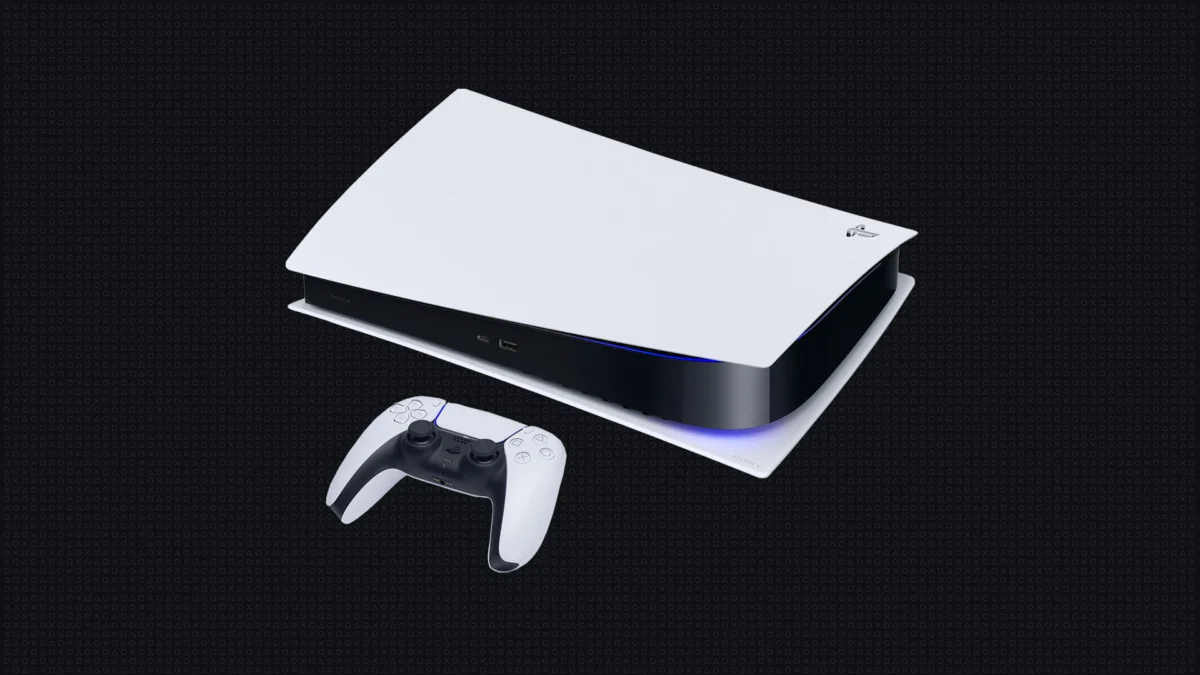
Main Facts
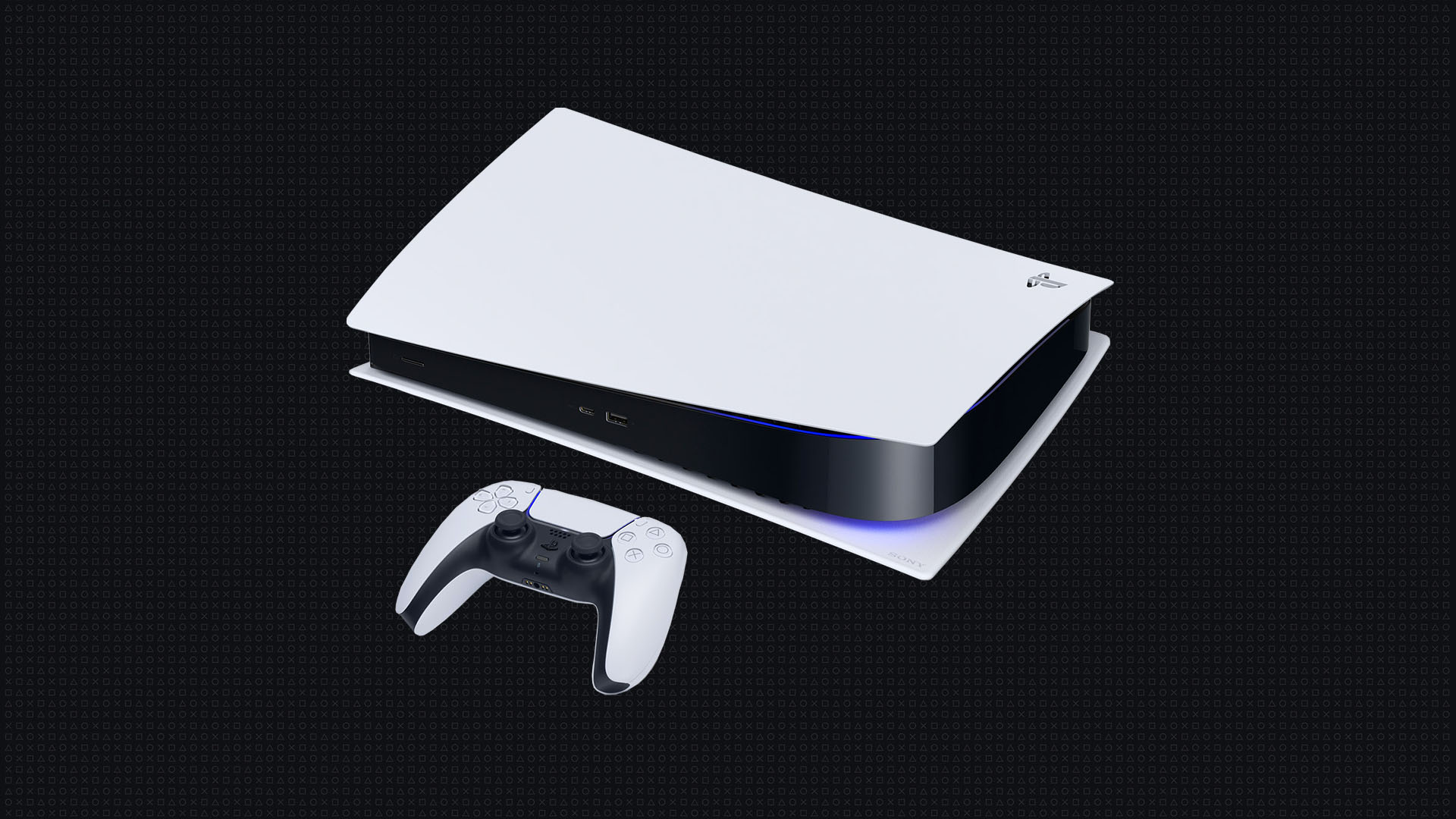
Tokyo, Japan – July 30, 2026 – Sony Group Corporation today announced that its latest console, the PlayStation 5 (PS5), has shipped an impressive 95.3 million units worldwide as of June 30, 2026. This significant figure places the console firmly on track to surpass the monumental 100 million unit mark in the coming fiscal year, a testament to its enduring popularity and the brand’s global reach. However, the latest financial results for the three months ended June 30, 2026, also reveal a noticeable deceleration in quarterly sales, with 1.6 million PS5 units shipped during this period. This represents a substantial year-over-year decline of 0.9 million units compared to the 2.5 million units shipped in the same quarter of the previous fiscal year, raising questions about the console’s peak sales trajectory and Sony’s evolving strategy for the platform.
The disclosure, made during Sony’s Q1 FY2026 earnings call, highlights a maturing console cycle. While the cumulative sales nearing 100 million units underscores the PS5’s widespread adoption and success in a competitive market, the drop in quarterly shipments signals a potential shift in consumer demand and market saturation in key territories. Industry analysts are closely scrutinizing these figures to understand the broader implications for Sony’s Game & Network Services segment, which remains a cornerstone of the conglomerate’s financial performance. The console, launched in late 2020, faced unprecedented challenges in its early years, including global supply chain disruptions and component shortages, which significantly hampered its availability. The current sales data suggests that the era of aggressive supply ramp-up might be winding down, giving way to a more stable, albeit slower, growth phase.
Chronology
The PlayStation 5’s journey to 95.3 million units has been marked by both fervent demand and considerable obstacles. Launched globally in November 2020, the console entered a market grappling with the initial throes of the COVID-19 pandemic and subsequent supply chain breakdowns. Its initial release was met with unprecedented demand, leading to widespread shortages that saw the console remain elusive for many consumers for nearly two years. Scalpers thrived, and retailers struggled to keep stock on shelves, fueling an almost mythical status for the next-generation hardware.
Throughout fiscal years 2021 and 2022, Sony’s primary challenge was not demand generation, but rather the sheer inability to produce enough units to meet consumer appetite. Component shortages, particularly for crucial semiconductors, limited manufacturing capabilities. This period saw Sony prioritizing production, often at the expense of other divisions, to accelerate PS5 availability. The company’s executives frequently addressed the supply issues in earnings calls, promising increased production volumes as the global semiconductor crisis began to ease.
By fiscal year 2023 and into 2024, the situation dramatically improved. Supply chain bottlenecks began to clear, allowing Sony to ramp up production significantly. This period saw a surge in PS5 shipments, with the console finally becoming readily available in most major markets. This sustained period of robust supply allowed the PS5 to catch up on pent-up demand, leading to impressive sales figures and rapidly growing its install base. The previous fiscal year, FY2025, likely represented a peak in quarterly shipments, particularly in the April-June quarter, which saw 2.5 million units shipped – a strong indicator of the console’s widespread availability and strong consumer uptake post-shortage era.
The current quarter, Q1 FY2026, marks a turning point. The year-over-year decline of 0.9 million units, resulting in 1.6 million shipments, indicates that the initial surge of post-shortage sales has largely subsided. The console is now operating in a more mature phase of its lifecycle, where sales are driven more by new software releases, strategic pricing, and potential hardware revisions rather than simply fulfilling unmet demand. This transition is a natural part of any console generation, but its timing and magnitude will be crucial for Sony’s strategic planning for the remainder of the decade. The PS5 is now positioned to enter its final phase of major growth before the inevitable discussions around its successor begin to dominate industry discourse.
Supporting Data
The reported 1.6 million PS5 units shipped in Q1 FY2026 contrasts sharply with the 2.5 million units shipped in Q1 FY225, highlighting a 36% drop in quarterly performance. While significant, this slowdown comes after a period of aggressive catch-up, where Sony was effectively making up for lost time due to earlier supply constraints. The cumulative figure of 95.3 million units shipped globally puts the PS5 in an elite league of consoles. To contextualize, its predecessor, the PlayStation 4, eventually shipped over 117 million units. The iconic PlayStation 2, the best-selling console of all time, reached over 155 million units. The original PlayStation sold over 102 million units, and the PlayStation 3 concluded its run with over 87 million units. The PS5 is now rapidly approaching the lifetime sales of the original PlayStation and is well on its way to surpassing the PS3. Reaching 100 million units within the next fiscal year would place it among the fastest-selling PlayStations to achieve that milestone, especially considering its challenging launch period.
Beyond hardware, Sony’s financial results also typically provide insights into software sales, PlayStation Plus subscriptions, and network services revenue, though specific figures for these were not detailed in the initial press release snippet. Historically, a robust install base translates into strong software sales, both for first-party titles developed by Sony’s PlayStation Studios and for third-party releases. A slowdown in hardware shipments, while impacting immediate revenue from console sales, does not necessarily indicate a proportional decline in software and services revenue, especially if the existing install base remains highly engaged. PlayStation Plus, with its tiered subscription model, has become a critical driver of recurring revenue for Sony’s gaming division. Sustaining or growing its subscriber base will be paramount, as these services offer higher profit margins compared to hardware sales.
The Game & Network Services segment is a vital component of Sony’s overall financial health. While hardware sales contribute significantly to the segment’s top line, the profitability is often driven by software, digital content, and subscription services. A decline in hardware shipments could exert pressure on overall revenue growth for the segment, even if margins improve due to a higher proportion of software and services sales. Furthermore, geographical sales data, typically broken down in detailed investor reports, often reveals regional strengths and weaknesses. Major markets like North America and Europe have historically been strongholds for PlayStation, while Japan has seen more mixed results for the PS5 compared to previous generations. Understanding these regional dynamics would further refine the interpretation of the global shipment figures. The continued strong performance of competing platforms, such as the Nintendo Switch and Xbox Series X/S, also plays a role in the broader console market landscape, though the PS5 continues to maintain a strong lead in global unit sales over its direct competitor from Microsoft.
Official Responses
While specific quotes from Sony executives regarding the Q1 FY2026 results are yet to be fully released, the company’s official statements accompanying financial disclosures typically strike a balance between acknowledging performance and outlining future strategies. Sony Interactive Entertainment (SIE) CEO Jim Ryan, or his successor if he has since retired, would likely emphasize the impressive cumulative achievement of 95.3 million units, underscoring the PS5’s position as a dominant force in the gaming industry. The focus would likely shift from raw hardware volume to the burgeoning ecosystem surrounding the console.
Executives are expected to highlight the sustained engagement of the PlayStation community, emphasizing the robust performance of first-party titles, the continued growth of the PlayStation Plus subscription service, and the expanding digital storefront. The slowdown in hardware shipments would likely be framed as a natural evolution in the console’s lifecycle, moving from an aggressive supply-driven phase to a more mature, demand-driven market. This perspective suggests that the initial rush to acquire the console has largely been satisfied, and future sales will be more influenced by blockbuster game releases, strategic marketing campaigns, and potential hardware revisions.
Furthermore, Sony’s leadership might subtly hint at upcoming initiatives designed to maintain momentum. This could include discussing the pipeline of exclusive first-party titles, the potential for new color variants or special editions of the console, or perhaps even a mid-cycle refresh, such as a "PS5 Pro" or "PS5 Slim," which have historically been used to reinvigorate sales in the latter half of a console’s lifespan. The company’s long-term vision for cloud gaming and expanding its intellectual property to other platforms, like PC and mobile, would also likely be reiterated as key strategic pillars for growth beyond the core console hardware. Investors will be keen to hear how Sony plans to leverage its massive install base to drive higher-margin revenue streams and ensure the long-term profitability of its gaming division.
Implications
The latest PS5 sales data carries significant implications for Sony, the broader gaming industry, and consumers alike. For Sony, the transition from rapid hardware growth to a more measured pace necessitates a strategic pivot. The company will likely intensify its focus on software development, particularly for its highly anticipated first-party exclusives, which serve as powerful console sellers and ecosystem drivers. Investment in PlayStation Studios titles, from established franchises to new intellectual properties, will be crucial to keep the existing 95.3 million users engaged and attract new buyers who may have held off on purchasing the console.
Furthermore, the emphasis on PlayStation Plus and other network services will become even more pronounced. Recurring revenue from subscriptions and digital content sales offers higher margins and greater financial stability than hardware sales, which can be susceptible to manufacturing costs and aggressive pricing. Sony may explore new tiers, benefits, or content for PlayStation Plus to enhance its value proposition and drive subscriber growth. The expansion of PlayStation’s reach beyond its console ecosystem, through PC ports of its popular titles and potential ventures into mobile gaming, will also play a critical role in diversifying revenue streams and growing its audience base in an increasingly platform-agnostic gaming landscape.
For the wider gaming industry, the PS5’s maturing sales cycle signals a shift in market dynamics. Third-party developers and publishers can now rely on a massive, established install base for their upcoming titles, which typically leads to stronger software sales across the board. However, it also means that the initial "gold rush" of new console adoption is largely over, and publishers will need to compete more fiercely for player engagement on a platform that is already widely owned. This could translate into more innovative game designs, aggressive marketing, and potentially more competitive pricing strategies for software.
Consumers stand to benefit from these trends. With the console now widely available and the initial rush subsiding, there might be less urgency to purchase, potentially leading to future price adjustments or attractive bundle deals from retailers and Sony itself. The focus shifting to software means a steady stream of high-quality games is likely on the horizon, ensuring that PS5 owners have plenty to play. Moreover, the long-term commitment to the platform implies continued support, updates, and community features that enhance the overall gaming experience. As the PS5 cements its place in gaming history, its performance in the coming quarters will dictate the narrative of its final ascent towards, and potentially beyond, the illustrious 100 million unit milestone.


 Sagoh
Sagoh
 Azzam Bilal Chamdy