In the modern digital landscape, marketing leaders are drowning in a deluge of data. Every hour brings a fresh wave of industry reports, AI-driven frameworks, and “must-read” case studies. Yet, despite the sheer volume of content available, the industry faces a paradox: while information is abundant, true insight is increasingly scarce.
The team at Convince & Convert (C&C) has identified a fundamental shift in how professionals consume information. They argue that marketing leaders no longer need more content; they need better filters. This realization has triggered a significant strategic pivot for the consultancy, moving from its long-standing ON newsletter to a revamped, insight-driven publication titled The Trendline.
The Core Problem: The Overload Epidemic
The digital marketing ecosystem is currently suffering from a crisis of noise. Marketing leaders are tasked with staying informed on rapidly evolving trends, but they lack the time to sift through the endless feeds, podcasts, and think pieces that demand their attention.
For years, the standard playbook for brand newsletters has been a simple aggregation of links—a "content-first" approach that treats the reader as a consumer of volume rather than a consumer of value. However, as the digital content landscape matures, the bar for quality has risen sharply. What worked as a engagement strategy five years ago is now easily ignored.
C&C’s leadership posits that if a newsletter does not provide immediate, digestible value—without requiring the reader to click through multiple links to find the "point"—it risks losing its authority. The modern professional does not want more to read; they want to be entertained, inspired, and, most importantly, equipped to make smarter, faster decisions.
Research-Driven Strategy: Listening to the Audience
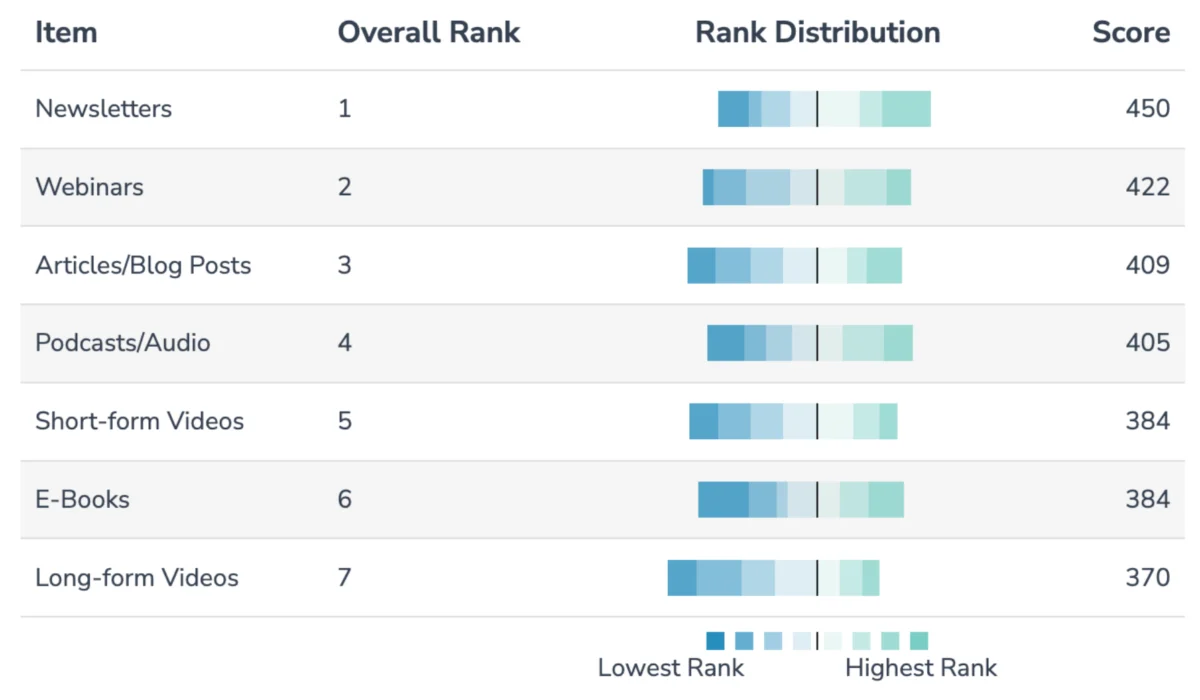
The decision to overhaul C&C’s newsletter was not based on creative intuition alone, but on a rigorous, data-backed assessment of their audience’s habits. Every year, C&C conducts a survey of its readership to understand the changing dynamics of the marketing profession.
In the most recent iteration of this study, a clear trend emerged: newsletters are the preferred method for staying informed, ranking higher than short-form video, webinars, blogs, and podcasts. When asked to rank seven different content formats, respondents consistently placed newsletters at the top of the list, citing them as the most effective vehicle for distilling complex industry shifts into actionable takeaways.

This data provided the catalyst for the rebrand. By understanding that their audience values "strategic synthesis" over "content distribution," the team began to move away from the ON brand—which they felt lacked distinctiveness—toward The Trendline. This new format is designed to function less like a news feed and more like a high-level executive debrief.
A New Philosophy: The Shift from Curation to Interpretation
The fundamental difference between the old newsletter and The Trendline lies in the "lens" of the content. Previously, the newsletter was structured around the medium—blog posts were listed, followed by podcast episodes.
The new approach reverses this. It prioritizes the topic and the implication.
The Pillars of the New Format
To better serve their audience, C&C has implemented four primary improvements to their email strategy:
- Strategic Synthesis: Instead of merely summarizing what happened, the team focuses on what it means. Every story is framed through a strategic lens, posing questions that help leaders think critically about their own business models.
- Zero-Click Value: The goal is to provide the "meat" of the insight within the email body itself. While links are provided for those who want to dive deeper, the core argument or data point is presented upfront, respecting the reader’s time.
- The "Debrief" Structure: The newsletter is organized as a concise, curated briefing. It saves the reader from having to perform their own research, acting as a filter that separates the signal from the noise.
- Interactive Engagement: Through a feature called "Sound Off," the team has introduced a poll at the end of each edition. This serves a dual purpose: it provides the reader with a moment of engagement and provides C&C with proprietary data that is far more reliable than standard open or click-through rates.
The Implications for Marketing Leaders
The transition to The Trendline is not merely a rebranding exercise; it is a signal to the entire marketing industry. It highlights a broader shift in how B2B companies should approach owned media.
For many organizations, the newsletter has become a "zombie" channel—automated, link-heavy, and ignored. C&C’s model suggests that to regain trust and engagement, brands must shift their focus to:
- Audience-First Architecture: Before deciding on a content format, leaders must ask: "Who is my audience, and what is their greatest pain point?" For CMOs, the pain point is rarely a lack of content; it is a lack of time.
- The Power of Authority: By offering a "strategic lens," a brand stops being a publisher and starts being a consultant. This elevates the brand’s authority and builds a deeper, more trust-based relationship with the reader.
- Quality Over Quantity: The "more is better" approach to email marketing is dying. Brands that consolidate their efforts into fewer, higher-quality communications are likely to see better long-term engagement metrics than those clinging to high-frequency, low-value newsletters.
A Lesson in Executive Communication
The philosophy behind this change extends to how marketing leaders present information internally. When presenting to senior decision-makers, the goal should be to solve problems, not present a data dump.

"When we’re presenting research reports or a new strategy," says the leadership team at C&C, "the first thing I consider is who the main audience target is and what they most need out of this presentation to be happy." This philosophy of brevity and relevance is the bedrock of the new Trendline format.
Conclusion: The Future of Email Marketing
The evolution of The Trendline serves as a case study for any organization looking to revitalize its content strategy. In an era where trust and attention are the most expensive commodities, the value of a well-curated, thoughtful, and concise newsletter cannot be overstated.
As marketing becomes increasingly complex, the role of the "filter"—the entity that helps professionals understand what matters—becomes more critical. By listening to their audience and pivoting to meet their actual needs, Convince & Convert is betting that the future of content marketing lies not in the creation of more, but in the intelligent curation of the essential.
For marketing leaders, the takeaway is clear: stop treating your audience like they have an infinite appetite for content. Treat them like they are time-starved experts who need a partner in their success. If you can provide that partnership, you won’t just earn an open rate—you’ll earn a place in their professional toolkit.
To observe this shift in practice, marketing professionals are encouraged to subscribe to The Trendline and evaluate how the structured, high-value format compares to the traditional, link-heavy newsletters that have dominated the inbox for the past decade. The landscape of email marketing is changing, and those who prioritize clarity, strategy, and audience needs will define the next chapter of industry influence.