

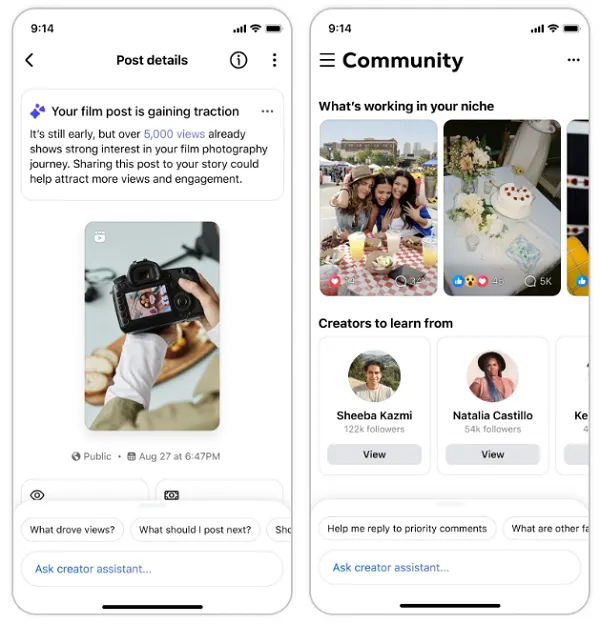
In a move that acknowledges the shifting landscape of digital content creation, Meta has officially announced the return of Facebook Creator Studio. Originally shuttered in early 2023 in favor of a consolidated Business Suite, the platform is being revived with a fundamental transformation: it is no longer just a management dashboard, but an artificial intelligence-powered companion designed to streamline the creative process, optimize engagement, and accelerate monetization.
For creators who once lamented the loss of the original, dedicated interface, this pivot represents a significant olive branch. Meta is repositioning its tools to prioritize the specific, high-friction needs of influencers and content producers, attempting to stem the tide of creative talent migrating toward competing short-form video platforms.
Main Facts: What is the New Creator Studio?
The reinvented Facebook Creator Studio is characterized by its integration of advanced generative AI, intended to act as a "co-pilot" for creators. Unlike the previous iteration, which focused largely on analytics and scheduling, the new platform is proactive. Meta’s design philosophy for this relaunch centers on three pillars: efficiency, strategic guidance, and algorithmic personalization.
At its core, the platform is built to provide actionable insights. Instead of presenting raw data, the new interface highlights "next-best actions"—specific, data-driven recommendations that guide creators on what to post, when to post it, and how to optimize content for maximum reach.
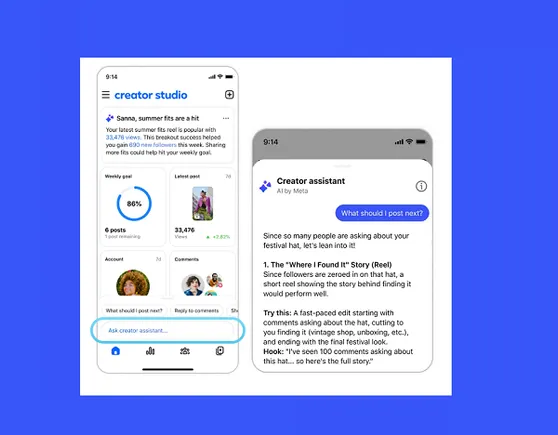
Central to this experience is the AI Creator Assistant. This always-on chatbot serves as an on-demand consultant for users. Creators can pose nuanced questions about their content strategy, seek advice on audience retention, or request breakdowns of their performance metrics. The assistant is trained to synthesize platform-wide trends with the creator’s individual performance data, offering a level of personalized mentorship that was previously unavailable in the standard Business Suite.
Chronology: From Consolidation to Specialized Rebirth
To understand why Meta is bringing back a tool it previously deemed redundant, one must look at the recent history of the platform’s creator-facing infrastructure.
- Pre-2023: Facebook Creator Studio served as the primary hub for creators to manage video uploads, monitor insights, and engage with followers.
- January 2023: Meta announced the sunsetting of the standalone Creator Studio. The company pushed all users toward the "Meta Business Suite," arguing that a single, unified interface for advertising, community management, and analytics would provide a more cohesive experience for both business owners and creators.
- 2023–2024: During this interim, many creators expressed dissatisfaction. The Business Suite, while powerful for advertisers, felt bloated and lacked the intuitive, creator-centric focus that defined the original Studio. Feedback consistently pointed toward a need for a dedicated space that separates "business operations" from "content creation."
- Late 2024/Early 2025: Responding to sustained feedback and the competitive pressure of the AI revolution, Meta officially unveiled the "new" Creator Studio, shifting from a management tool to an AI-driven creative accelerator.
This U-turn highlights a critical lesson in platform governance: while consolidation improves backend efficiency for the corporation, it often dilutes the user experience for creative professionals who require specialized workflows.
Supporting Data and Technical Features
The technical backbone of the new Creator Studio relies on deep integration with Meta’s proprietary AI models. The system does not merely display static numbers; it interprets them.
AI-Powered Comment Management
One of the most controversial yet potentially time-saving features is the "draft reply" system. By tapping a button, the AI generates responses to comments in the creator’s unique voice. Meta claims this is designed to "deepen connections" by allowing creators to respond to high volumes of engagement that they might otherwise ignore.
Performance Analytics and Inspiration
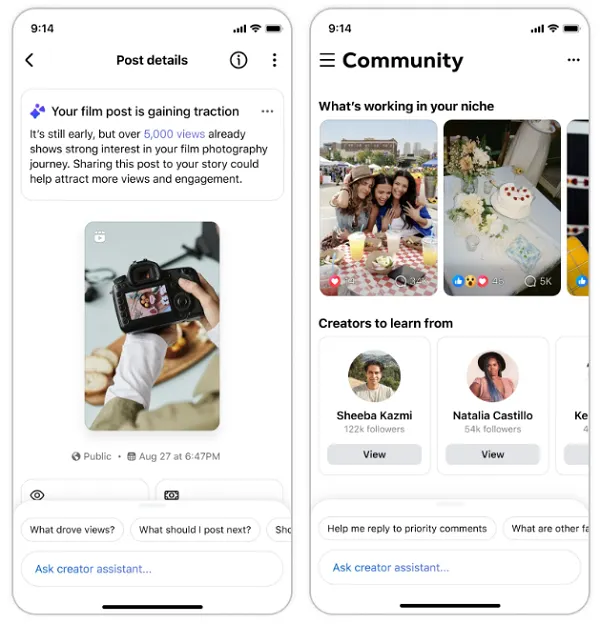
The system continuously scans global trends across Facebook and Instagram. If a specific format, filter, or topic is trending, the Creator Studio alerts the user, providing "inspiration" based on what is currently working for similar accounts. This creates a feedback loop where the platform dictates trends, and creators are encouraged to adopt them to remain relevant in the feed.
Integration with Partnership Ads Hub
Meta has been aggressively expanding its monetization ecosystem. In December, the company updated its Partnership Ads Hub to facilitate easier affiliate marketing. The new Creator Studio acts as the interface for these features, allowing creators to view potential brand deals, track affiliate conversions, and manage paid partnerships directly within the same space where they edit and publish their videos.
Official Responses and Strategic Rationale
Meta’s official stance on the relaunch is one of active listening. According to company statements, the decision was driven by the "we’ve heard you" mandate. Meta acknowledges that creators missed a dedicated space that allowed them to focus on their primary objective: content creation, rather than administrative business management.
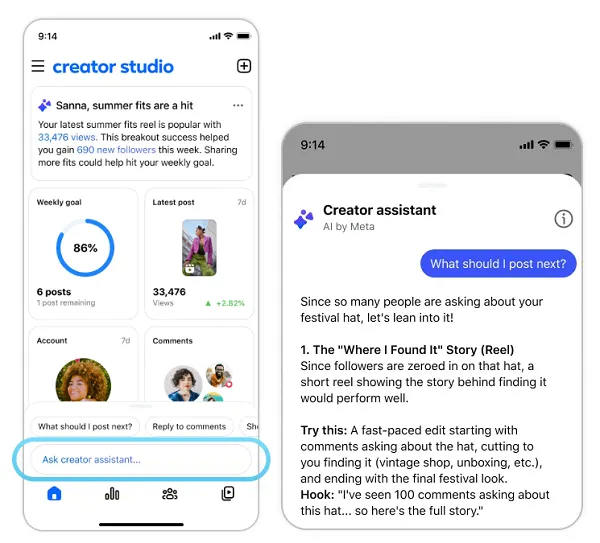
"We’re reintroducing Facebook Creator Studio—this time as an AI-powered app that shows you exactly what to do next to succeed on Facebook, allowing you to meet your goals faster and with less effort," a company representative stated.
This is a clear attempt to professionalize the creator experience. By lowering the "effort" required to succeed, Meta aims to maximize the amount of content produced on its platform. In the eyes of Meta’s leadership, the more successful a creator is, the more likely they are to remain exclusive to Meta’s ecosystem, thereby maximizing ad revenue and user engagement time.
Implications: The Future of Creator-Platform Relationships
The resurrection of Creator Studio carries profound implications for the future of social media.
The Authenticity Paradox
The introduction of AI-drafted comment replies raises an immediate question: can an automated response ever be "authentic"? While Meta argues that these tools save time, critics argue that the core of the creator economy is the parasocial relationship between the creator and the fan. When an AI handles that interaction, it may create an "uncanny valley" effect, where the fan feels like they are engaging with a brand rather than a person. If used indiscriminately, this could lead to a decline in genuine audience loyalty.
Algorithmic Dependency
By providing creators with a roadmap of "what to do next," Meta is effectively nudging its user base toward a standardized content strategy. While this is helpful for beginners, it could lead to a homogenization of content, where creators feel pressured to follow the "AI-suggested" path to gain visibility. This effectively turns creators into high-end laborers for the platform’s algorithm rather than independent creative entities.
The Battle for Creative Talent
Meta is currently locked in a fierce battle with TikTok, YouTube Shorts, and X (formerly Twitter) for top-tier creative talent. By investing in tools that help creators monetize, the company is attempting to prove that Facebook is a viable career path, not just a social network. The integration of affiliate marketing, brand partnership tools, and AI-driven growth strategies is designed to ensure that the "creator economy" remains firmly tethered to Meta’s infrastructure.
The Shift in User Experience
For the average creator, the return of the Creator Studio is likely a net positive. The move away from the cluttered Business Suite back to a specialized environment is a tacit admission that "one size fits all" solutions often fail power users. However, the success of this initiative will ultimately depend on whether the AI is genuinely helpful or merely an intrusive layer of automation that forces creators into a narrow, algorithmic mold.
Conclusion: A Turning Point for Meta
Meta’s reintroduction of Facebook Creator Studio is more than just a software update; it is a strategic repositioning. By acknowledging the failures of its previous consolidation strategy and leaning heavily into AI-driven assistance, Meta is betting that the future of social media lies in the tight integration of human creativity and machine intelligence.
As the industry watches, the success of this platform will be measured not by how many creators return to the dashboard, but by whether the AI tools genuinely improve the quality of content and the depth of community engagement. If the platform can strike the right balance between helpful guidance and creative autonomy, it may well secure its position as the premier destination for digital creators for years to come. Conversely, if it pushes too far into automation, it risks alienating the very users it is trying so desperately to keep.










