Laily UPN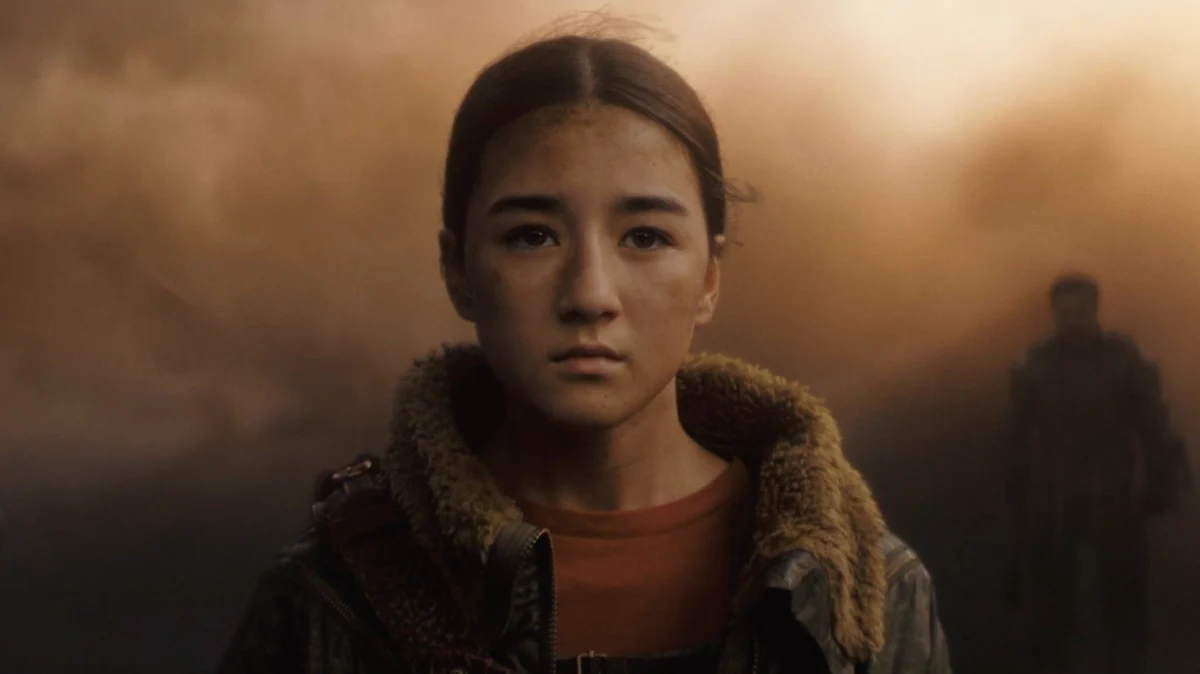
The release of DC Studios’ Supergirl—a cinematic adaptation of Tom King and Bilquis Evely’s acclaimed miniseries Supergirl: Woman of Tomorrow—has sparked a vibrant conversation among cinephiles and comic book enthusiasts alike. While the film is undeniably a spectacle of cosmic proportions, its narrative backbone is remarkably grounded, drawing heavy inspiration from one of the most storied genres in American cinema: the Western.
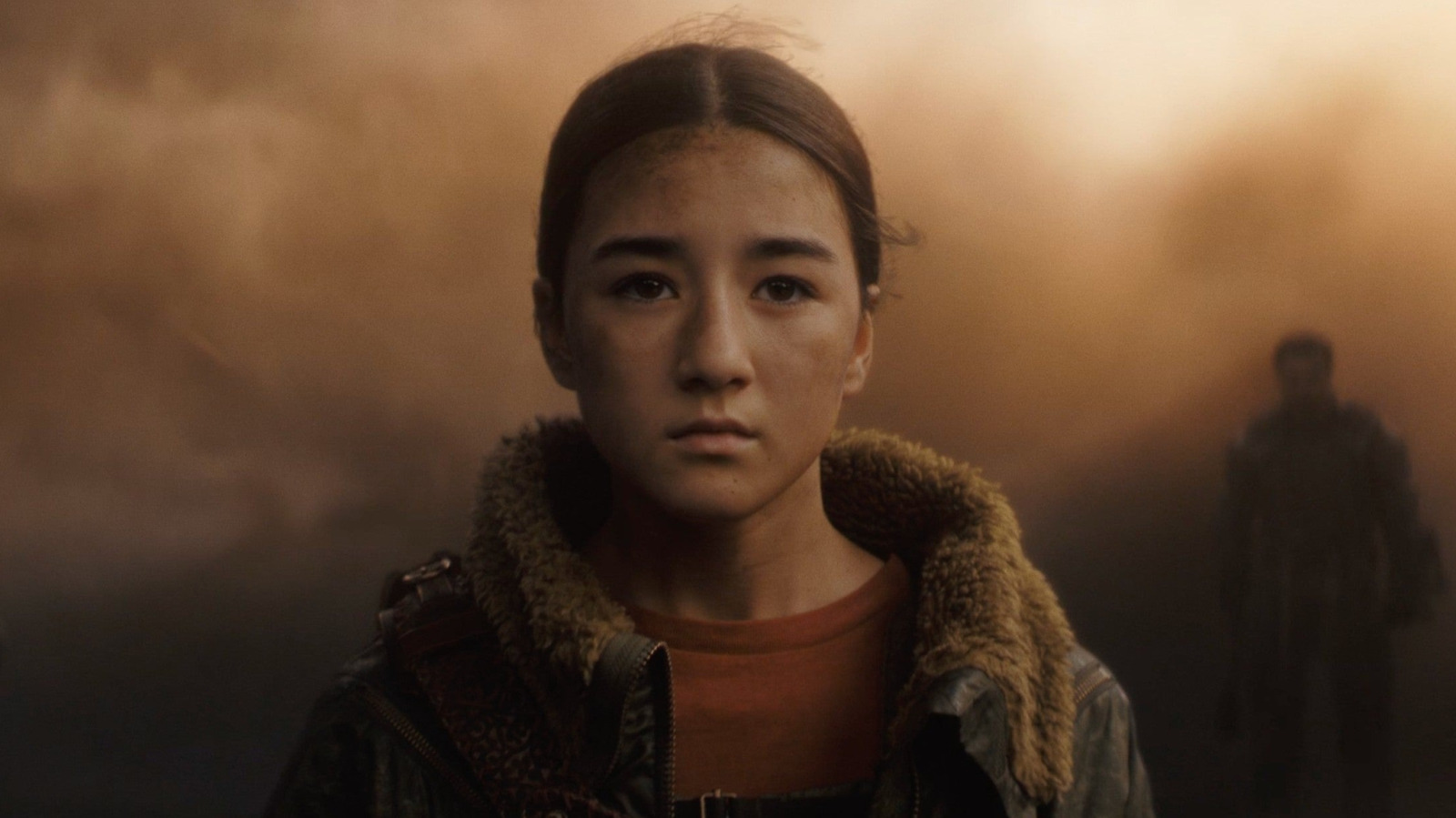
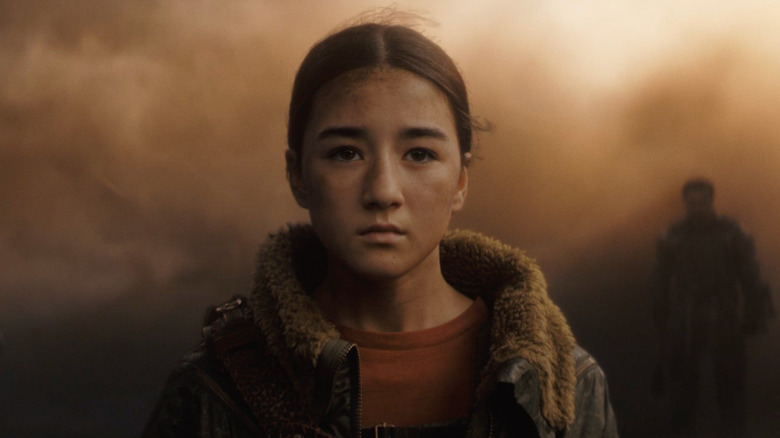
At its heart, the film functions as a modern-day True Grit, exploring the corrosive nature of vengeance through the eyes of a young protagonist, Ruthye (played by Eve Ridley), who seeks justice for her murdered father. By positioning the volatile and weary Kara Zor-El (Milly Alcock) as the "Rooster Cogburn" figure in this intergalactic odyssey, the film successfully interrogates the cyclical nature of violence. Most significantly, Supergirl dares to provide an ending that evades the moral compromises of its predecessors, offering a resolution that feels both earned and evolutionarily superior.
The Western Blueprint: The DNA of ‘True Grit’
To understand the narrative weight of Supergirl, one must first examine the source material it mirrors. Charles Portis’ 1968 novel True Grit established the quintessential template for the "vengeance quest." The story follows Mattie Ross, a precocious and iron-willed teenager who enlists the help of a grizzled, alcoholic U.S. Marshal to track down her father’s killer.
The story has seen two definitive film adaptations: the 1969 classic featuring John Wayne and the 2010 Coen Brothers’ reimagining starring Hailee Steinfeld. In both iterations, the narrative hinges on the power dynamic between the young seeker of justice and the flawed, battle-hardened lawman. Supergirl adopts this structural skeleton with precision. Kara Zor-El, burdened by the existential trauma of a lost planet, fills the role of the reluctant mentor whose cynicism is constantly challenged by the unwavering, albeit misguided, resolve of her young charge.
A Chronology of Vengeance: From 1969 to the DCU
The evolution of the "vengeance-seeker" arc in film reveals a shift in how audiences perceive justice.
- 1969 (The John Wayne Era): In the original adaptation, Mattie Ross is a formidable figure, but the agency of the kill shot is ultimately removed from her. When she confronts the antagonist, Tom Chaney, the recoil of her own weapon sends her tumbling into a snake pit. The "heroic" act of dispatching the villain is left to Rooster Cogburn. The film concludes on a high note, suggesting that despite the trauma, Mattie manages to integrate into society successfully.
- 2010 (The Coen Brothers Era): The remake subverted this by giving Mattie the killing blow. However, the victory is pyrrhic. The physical cost—the loss of her arm to the snake pit—symbolizes the permanent scar of vengeance. The film’s final act depicts an adult Mattie who has become a frigid, isolated figure, suggesting that while she achieved her goal, she lost her humanity in the process.
- 2026 (The ‘Supergirl’ Era): The new film takes a third path. Ruthye is not denied her agency, nor is she destroyed by it. Instead, she is afforded the luxury of choice, a luxury rarely granted to protagonists in the Western genre.
Structural Integrity: Why ‘Supergirl’ Breaks the Cycle
The brilliance of Supergirl lies in its structural departure from the source material’s comic book roots. In the original Woman of Tomorrow miniseries, the narrative beats are intense, but the film adaptation amplifies the emotional stakes through its pacing.
Kara spends the majority of the film attempting to warn Ruthye that vengeance is a hollow pursuit. She argues that the act of killing will not restore what was lost; it will only expand the shadow of the murderer over the survivor’s life. This thematic backbone is consistent with the best of the Western genre, which often serves as a morality play regarding the "frontier justice" that leaves both the hunter and the hunted diminished.
The Power of Refusal
The climax of Supergirl serves as the film’s most profound moment. When Ruthye finally holds the power to end the life of the man who destroyed her family, she stops. She chooses, under the guidance of Kara, to step back. This is not depicted as an act of cowardice, but rather as an act of supreme psychological strength. By refusing to pull the trigger, Ruthye effectively severs the tether that the villain has on her soul. She realizes that her identity is defined by her own choices, not by the legacy of the man who wronged her.
Official Perspectives and Creative Intent
In recent press junkets, the creative team behind Supergirl has emphasized that the goal was to avoid the "nihilistic trap" of traditional revenge stories.
"We wanted the audience to see that Kara is a mirror for Ruthye," noted the production team in a recent press release. "If Kara had let her own trauma dictate her actions, she would be just another villain. Ruthye represents the chance to break that cycle before it fully sets in."
Critics have noted that the decision to have Kara ultimately carry out the act—not as a primary goal, but as a byproduct of her duty to protect the innocent and settle a debt of honor—allows the film to have its cake and eat it too. It fulfills the audience’s desire for justice while preserving the psychological growth of the younger protagonist.
Implications: The Future of the DC Universe
The success of this approach carries significant implications for the future of the DC Universe. By leaning into character-driven drama over simple "hero vs. villain" spectacle, DC Studios is signaling a willingness to prioritize narrative complexity.

The "True Grit" influence suggests that the new DCU will not be afraid to borrow from classic cinema genres to ground its larger-than-life characters. This "genre-bending" approach allows for:
- Lower stakes with higher resonance: By focusing on one girl’s journey, the movie makes the stakes feel more personal than a global cataclysm.
- Character Evolution: Kara Zor-El is established not as a static icon, but as a person with a trajectory, mirroring the arc of a classic Western protagonist who must reconcile their past with their present.
- Audience Engagement: By tackling themes of trauma and the morality of violence, the film invites a more mature conversation about what it means to be a hero.
Conclusion: A New Standard for Redemption
Supergirl succeeds because it recognizes that the greatest victory is not the death of one’s enemy, but the preservation of one’s self. Where previous iterations of the True Grit story forced their leads to choose between failure and emotional ruination, Supergirl presents a third, more hopeful path.
Ruthye enters the world of the film as a victim of a cold-blooded massacre and exits as a survivor who has successfully reclaimed her agency. Kara, in turn, finds a way to channel her own immense burden into a protective force, rather than a destructive one. In doing so, the film doesn’t just improve on a legendary Western; it modernizes the very concept of heroism for a generation that understands that the hardest battles are the ones fought within the mind.
As the film continues its theatrical run, it serves as a testament to the idea that even in a universe defined by super-powered beings, the most powerful weapon remains the human capacity for mercy and the wisdom to walk away. Supergirl is not merely a comic book adaptation; it is a thoughtful, cinematic meditation on the cost of justice and the beauty of choosing a different path.


 Muslim