Azzam Bilal Chamdy
The history of cinema is littered with masterpieces that once captivated audiences, only to slowly drift into the periphery of public consciousness. While the thriller genre remains a cornerstone of Hollywood—defined by its ability to manipulate tension, pace, and the viewer’s perception—the shelf life of even the most impeccably crafted films is often surprisingly short. As the cultural conversation moves toward the latest blockbusters and streaming trends, many films that once pushed the boundaries of the medium have been relegated to the status of "forgotten classics."
This article explores eight such films: thrillers that, despite their artistic precision, narrative ingenuity, and stellar performances, have largely faded from the mainstream spotlight. From Hitchcockian suspense to neo-noir character studies, these movies deserve a resurgence.
1. Phone Booth (2002): The Masterclass in Claustrophobia
The Premise and Production
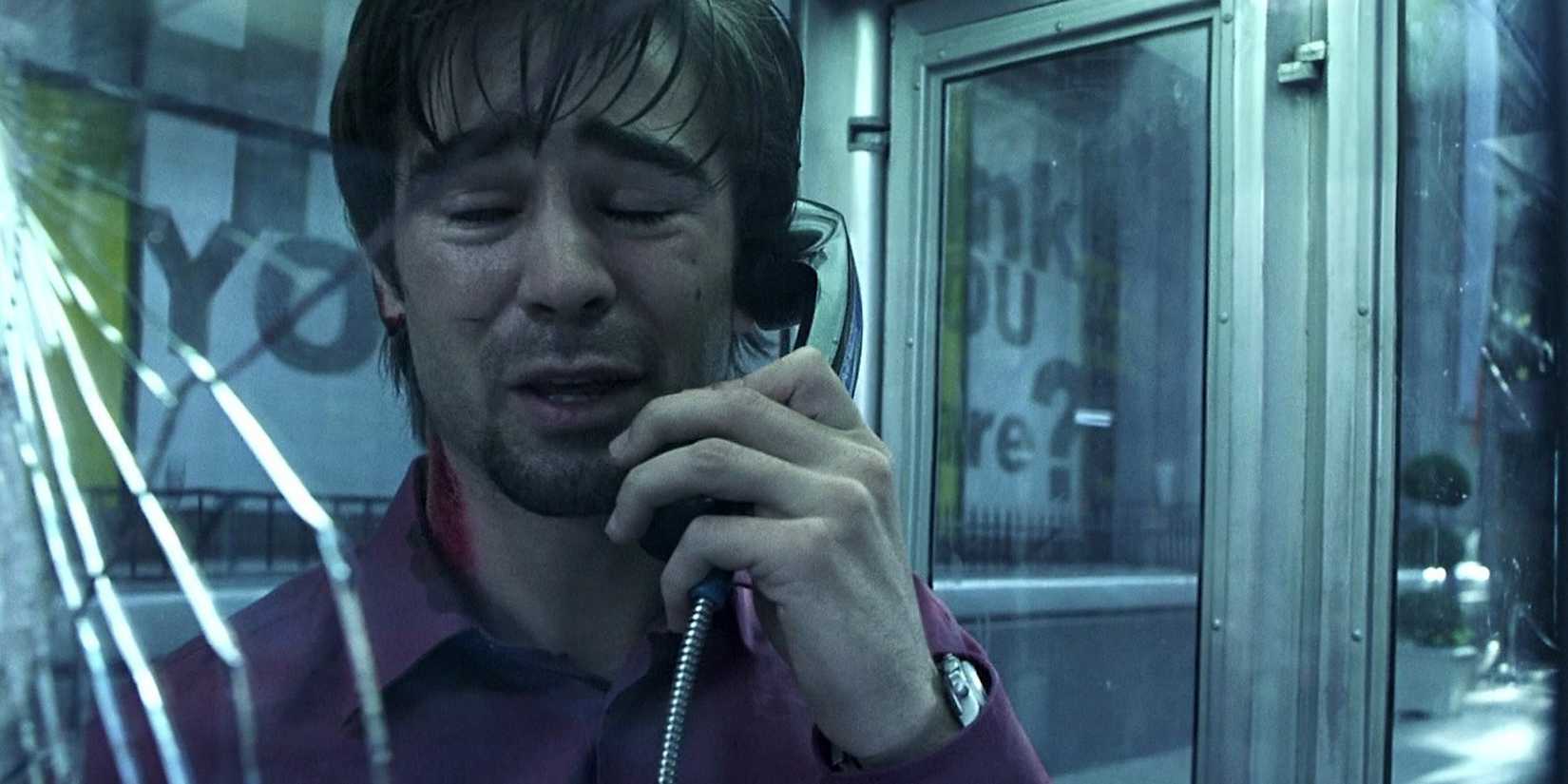
Directed by Joel Schumacher and penned by the master of the "high-concept" script, Larry Cohen, Phone Booth remains one of the most effective examples of a contained thriller. The film stars Colin Farrell as Stu Shepard, an arrogant publicist who finds himself trapped in a Times Square phone booth, held at virtual gunpoint by a mysterious sniper (voiced by Kiefer Sutherland).

Chronology and Context
Initially set for a late 2002 release, the film’s distribution was delayed by the tragic reality of the D.C. sniper attacks. When it finally premiered in 2003, it arrived with a somber tone that perhaps influenced its reception. Despite being a box office success, it is rarely discussed in the context of the best thrillers of the early 2000s.
Why It Holds Up
Phone Booth is a brilliant study in tension. By restricting the narrative to a single, claustrophobic location, Schumacher forces the audience to focus entirely on Farrell’s performance. It is a film about accountability and the masks we wear in public, and it remains a testament to how much narrative mileage can be gained from a simple, terrifying premise.
2. Kiss Kiss Bang Bang (2005): A Neo-Noir Masterpiece
The Genre-Bending Debut
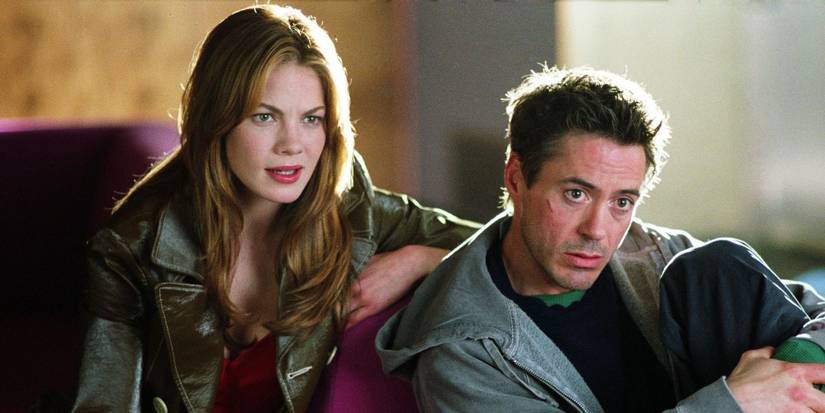
Shane Black, known for his work on Lethal Weapon, made his directorial debut with this sharp, meta-commentary on the detective genre. Robert Downey Jr. plays Harry Lockhart, a small-time crook who stumbles into an audition and is thrust into a real-life murder mystery alongside a cynical private investigator played by Val Kilmer.

Supporting Data and Legacy
While Kiss Kiss Bang Bang was a critical darling at the 2005 Cannes Film Festival, it struggled to find an audience at the box office. However, its influence is undeniable. Many industry insiders credit Downey Jr.’s performance in this film as the catalyst that proved his range and charisma, eventually paving the way for his casting as Tony Stark in Iron Man.
Implications for the Genre
The film serves as a love letter to the pulp fiction novels of the 1940s while simultaneously dismantling them with modern, biting humor. It is a rare film that balances genuine danger with razor-sharp wit.
3. The Game (1997): Fincher’s Forgotten Puzzle
The Narrative Architecture
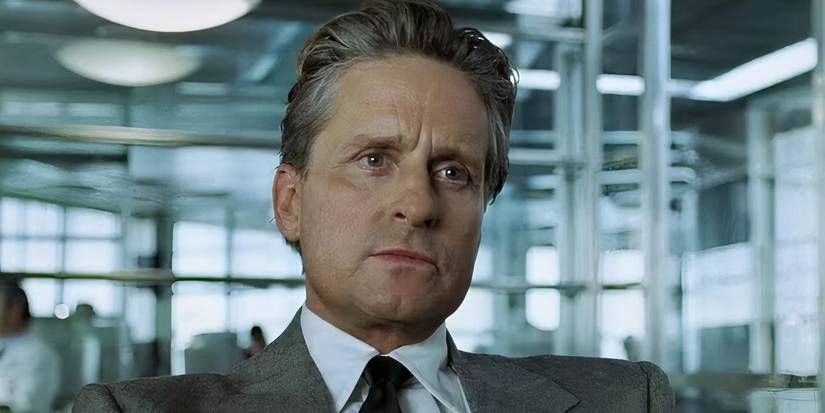
Before David Fincher became the titan of the psychological thriller with Se7en and Fight Club, he delivered The Game. Michael Douglas portrays Nicholas Van Orton, an isolated investment banker whose life is upended when he accepts a birthday gift from his brother: entry into a "game" that integrates itself into his reality.
Critical Response
In 1997, critics were polarized by the film’s ending, which many found too audacious. While it grossed over $109 million, it has often been overshadowed by Fincher’s other works.
Why It Deserves Another Look
The Game is a masterclass in atmosphere and paranoia. Fincher uses San Francisco as a labyrinthine character, mirroring the protagonist’s descent into a world where he can no longer distinguish between the performance of the game and his own life. It is, arguably, Michael Douglas’s most nuanced performance, capturing the vulnerability beneath the arrogance of his "Gordon Gekko" archetype.
4. Michael Clayton (2007): The Legal Thriller Redefined
A Study in Moral Ambiguity
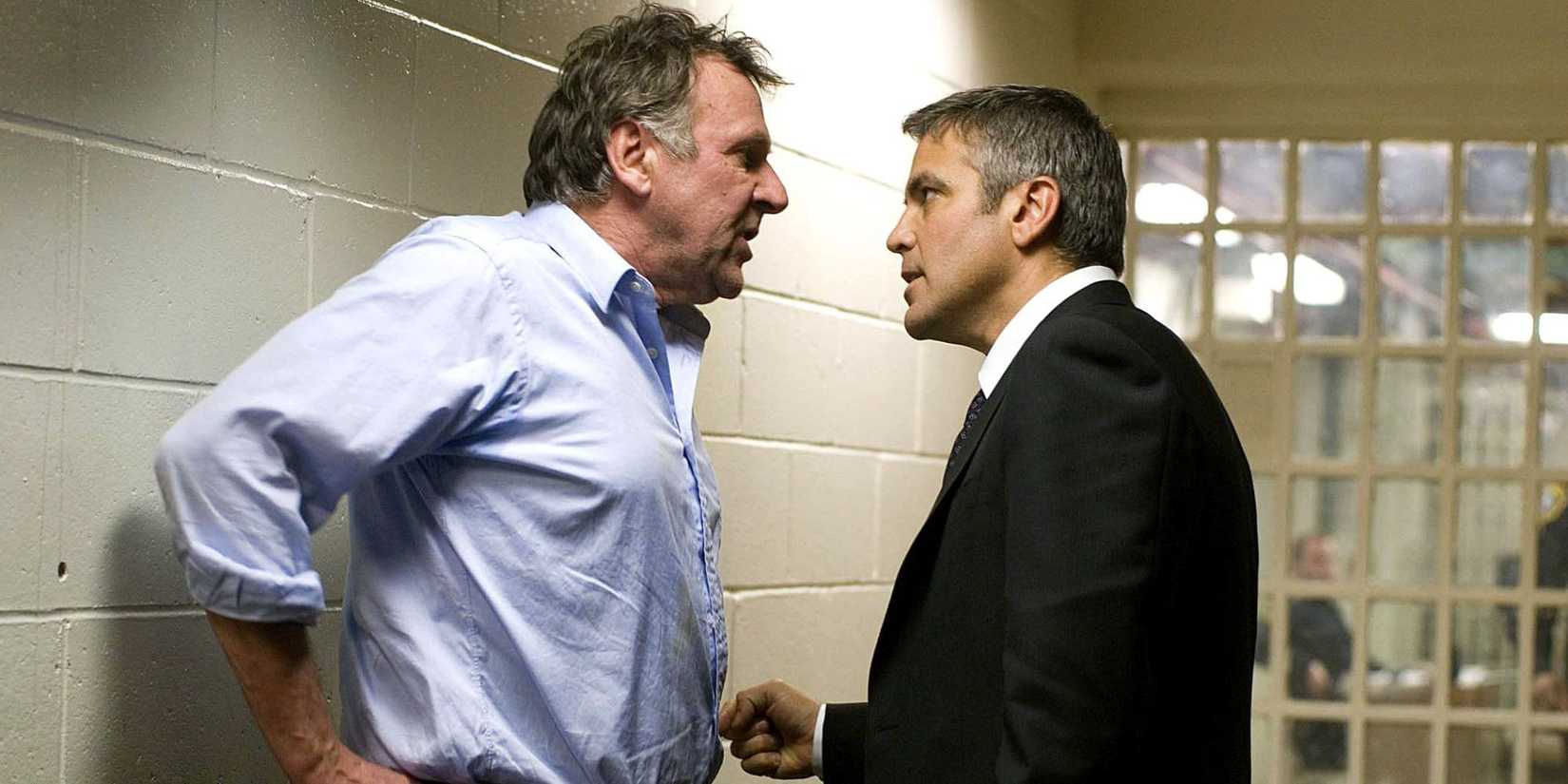
Tony Gilroy’s directorial debut is a cold, calculated, and brilliant examination of corporate corruption. George Clooney stars as the titular "fixer"—a man whose job is to clean up the messes of a high-powered law firm.
Official Recognition
The film earned seven Academy Award nominations, including Best Picture, Best Director, and Best Actor, with Tilda Swinton taking home the Oscar for Best Supporting Actress. Despite this critical acclaim, the film has largely been absent from the cultural conversation in the years since its release.
Implications
Michael Clayton is perhaps the most "perfect" legal thriller ever made. It avoids the melodramatic courtrooms of the 90s in favor of a quiet, creeping dread. It asks the audience a difficult question: What is the cost of our professional survival, and at what point does that cost become too high to pay?
5. Martha Marcy May Marlene (2011): The Anatomy of Trauma
The Cult Phenomenon
Sean Durkin’s debut feature launched the career of Elizabeth Olsen. The film follows a young woman attempting to readjust to society after escaping a dehumanizing cult led by the charismatic and terrifying Patrick (John Hawkes).
Chronology and Impact
Premiering at the 2011 Sundance Film Festival, the film was hailed as a chilling, non-linear exploration of psychological fragmentation. It won the Directing Award at Sundance and solidified Olsen’s status as a powerhouse actor.
Why It Remains Relevant
Unlike many "cult" movies that rely on gore or sensationalism, Martha Marcy May Marlene is a quiet, devastating look at the lasting effects of manipulation. It captures the way trauma erodes one’s identity, leaving the viewer as disoriented as the protagonist.
6. Triangle (2009): The Time-Loop Terror
A Greek Myth Modernized
Directed by Christopher Smith, Triangle is a British psychological horror film that is frequently mislabeled as a simple "slasher" movie. In reality, it is a complex, time-bending narrative inspired by the myth of Sisyphus.
Supporting Data
The film has a cult following, but its theatrical release was modest. Melissa George’s performance as Jess is the anchor of the film—a tour de force of emotional exhaustion and desperate resolve.
Implications for Cinema
Triangle is a prime example of how a limited budget can lead to immense creativity. By utilizing the structure of the time loop, Smith creates a narrative loop that forces the audience to engage with the film as a puzzle. It is one of the most intellectually stimulating thrillers of the 21st century.
7. Badlands (1973): The Poetic Crime Spree
Terrence Malick’s Origins
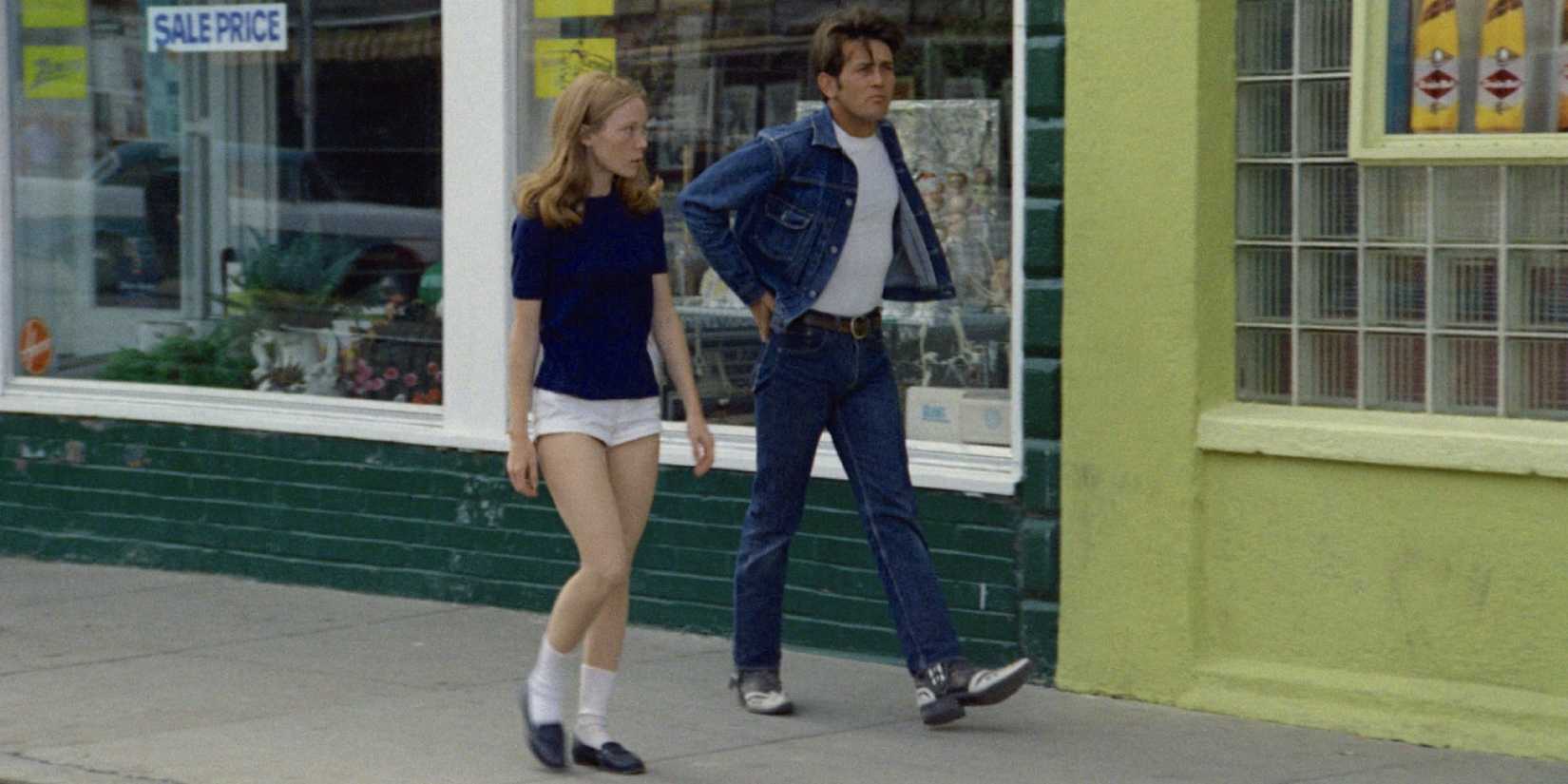
Badlands is the foundational text of the "lovers on the run" subgenre. Inspired by the Starkweather–Fugate killing spree, the film stars Sissy Spacek and Martin Sheen as a couple whose detachment from the violence they commit is both fascinating and horrifying.

Cultural Significance
In 1993, the National Film Registry selected Badlands for preservation, citing its cultural and historical importance. It is a film that uses the vast, empty landscapes of the American West to reflect the hollow souls of its protagonists.
Implications
It is a mistake to view Badlands purely as a thriller. It is a meditative, visual poem that challenged the conventions of 1970s cinema. Its influence can be seen in countless films that followed, from True Romance to Natural Born Killers.
8. Dressed to Kill (1980): De Palma’s Hitchcockian Homage
Erotic Suspense
Brian De Palma is often accused of being a "stylist without a soul," but Dressed to Kill proves otherwise. It is a stylish, provocative, and genuinely shocking erotic thriller that serves as a love letter to Alfred Hitchcock’s Psycho.

Critical Reception
Upon its release, the film was a massive commercial success and received high praise for its technical mastery—specifically, a tense, dialogue-free scene set in a museum that remains a high-water mark for suspense in cinema.
The Verdict
While the film’s narrative twists have been debated, its technical execution is flawless. De Palma utilizes the camera to manipulate the viewer’s gaze, making the audience complicit in the voyeurism that defines the film’s plot. It is a dark, complex, and deeply unsettling experience that deserves to be remembered as one of the best thrillers of the 1980s.
Conclusion: The Case for Re-watchability
The thriller genre is often treated as disposable entertainment—designed for a single viewing to experience the "twist." However, the films listed above represent something more enduring. Whether through the claustrophobic tension of Phone Booth, the intellectual depth of Triangle, or the moral weight of Michael Clayton, these films demonstrate that the best thrillers are those that linger in the mind long after the credits roll.
In an era where streaming algorithms prioritize the "next" new thing, taking the time to revisit these forgotten gems offers a rewarding experience. These are not merely movies; they are masterclasses in craft, performance, and the art of suspense. They serve as a reminder that a perfect film isn’t defined by its box office performance or its current cultural footprint, but by its ability to remain as gripping and resonant years—or even decades—after its initial release.


 Suro Senen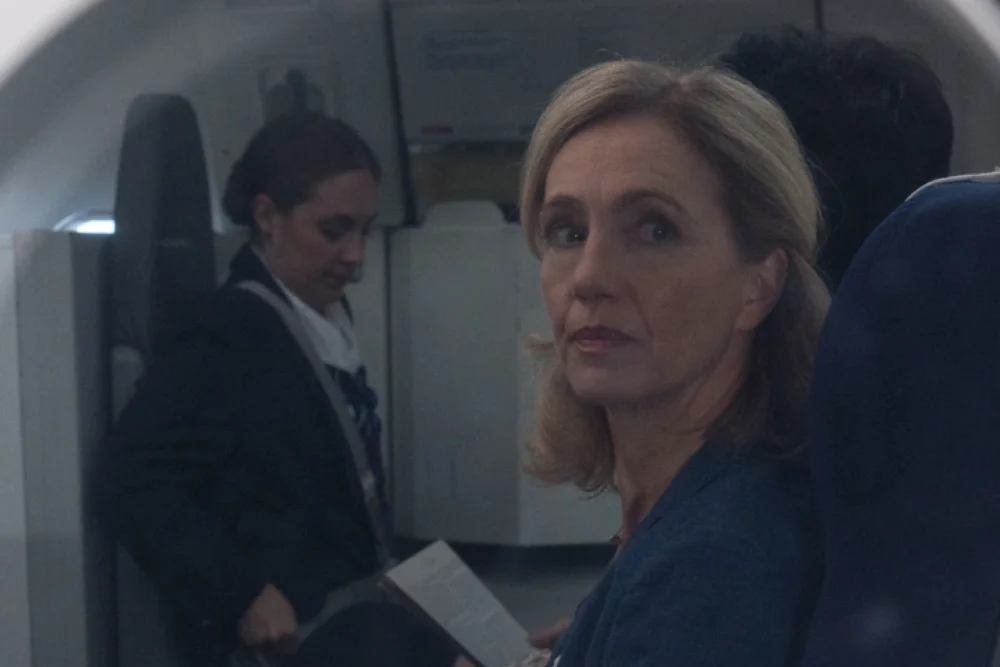
 Nana
Nana