Siti Muinah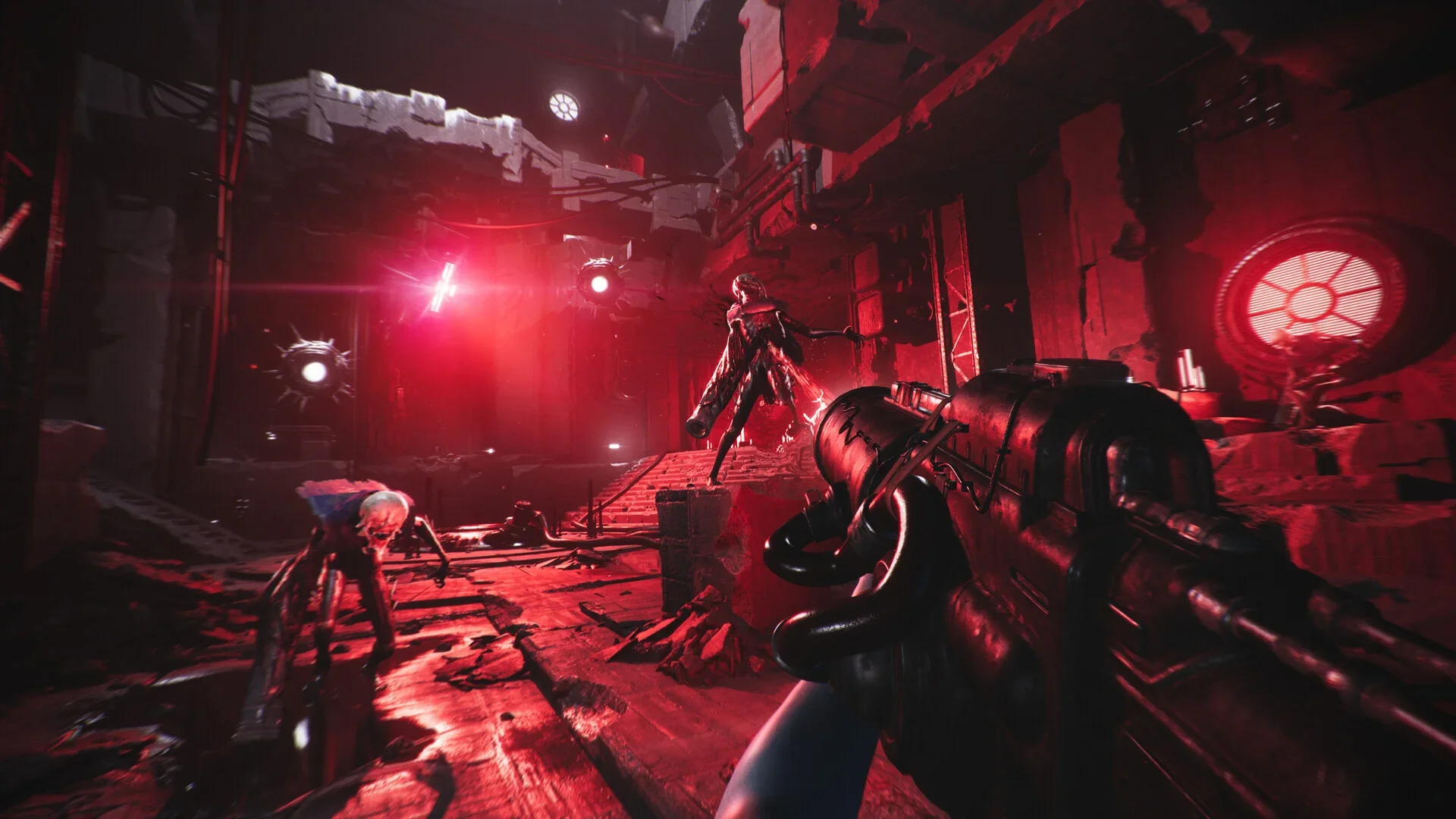
The video game industry is no stranger to the volatile cycles of boom and bust, but the recent closure of Kwalee Labs—a studio that, until mere weeks ago, was riding the wave of its maiden release—serves as a particularly stark reminder of the fragility inherent in independent game development. Just one month after the release of the atmospheric sci-fi shooter Luna Abyss, the nine-person team behind the project has been laid off in its entirety, marking a sudden and somber end to a studio that had only recently found its footing.
The closure of the studio, formerly known as Bonsai Collective, highlights the extreme pressures faced by small-to-mid-sized developers in an increasingly crowded market, where even critically well-received titles can struggle to find the commercial traction necessary to survive in the long term.
The Main Facts: A Studio Shuttered
Kwalee Labs, a boutique development team that operated under the umbrella of the UK-based publisher Kwalee, confirmed that its doors have officially closed. The news was broken by CEO Hollie Emery via a poignant LinkedIn post, in which she confirmed that all nine members of the development team had been made redundant.
The studio’s flagship title, Luna Abyss, a narrative-driven, bullet-hell shooter, was released on May 21st to generally favorable reviews. Despite the creative success of the project and the praise heaped upon it by critics and the industry at large, the financial reality of the project—coupled with broader, "uncontrollable" factors within the parent organization—led to the swift termination of operations. The studio, which had navigated a complex path from its origins as an independent entity to its acquisition out of administration, has now ceased all development activities.
A Complex Chronology: From Bonsai Collective to Kwalee Labs
To understand the collapse of Kwalee Labs, one must first look at the tumultuous history of its predecessor, Bonsai Collective.
The Foundation and Early Promise
Founded in 2019, Bonsai Collective was established as a fully remote studio under the leadership of CEO Hollie Emery, a veteran of the industry with previous experience at Team17. The studio’s initial trajectory appeared promising; it successfully secured $3.5 million in funding in 2021 from the publisher Super.com (which would later undergo a corporate rebranding to Super Good Games). This capital was intended to fuel the development of Luna Abyss, an ambitious project that promised a blend of intense combat and deep, cryptic world-building.
The Struggle and Acquisition
Despite the initial influx of capital, the realities of game development—which often include protracted schedules and rising costs—eventually led Bonsai Collective into financial distress. By September 2024, the studio had entered administration. It was at this critical juncture that Kwalee, the UK-based publishing powerhouse founded by Codemasters legend David Darling, stepped in.
Kwalee acquired the assets of the studio, breathing new life into the team and rebranding the firm as "Kwalee Labs." This move was viewed by many as a lifeline, providing the studio with the resources and stability of an established publisher to bring Luna Abyss across the finish line.
The Final Launch
The transition to Kwalee Labs appeared successful in the short term. The team spent the months following the acquisition polishing Luna Abyss for its multi-platform launch. When the game finally hit PC, PlayStation 5, and Xbox on May 21st, it was met with a warm reception. The game was lauded for its distinctive visual style and demanding combat mechanics. However, the internal clock was ticking. Just four weeks after the launch, the news of the total shutdown was communicated to the staff.
Supporting Data: The Commercial Landscape
While critical reception for Luna Abyss was strong, the commercial data presents a more nuanced picture of why the studio may have struggled to maintain its independence.
According to data provided by GameDiscoverCo, Luna Abyss recorded approximately 12,000 units sold on the Steam platform. While for a boutique studio this represents a notable achievement in community engagement, in the context of modern development costs and the overheads required to sustain a team of nine, it is a figure that rarely provides a sustainable runway for future projects.
The gaming market is currently characterized by a "winner-takes-all" dynamic, where a massive influx of daily releases makes it increasingly difficult for mid-tier, specialized titles to achieve the high-volume sales necessary to recoup development budgets. When a studio is operating under the pressure of having been rescued from administration, the "grace period" for a game to prove its profitability is significantly shorter than that of a traditional, self-funded indie team.
Official Responses and Emotional Toll
The announcement of the closure was handled with a mix of professional transparency and personal regret. Hollie Emery’s statement on LinkedIn acknowledged the pain of the decision, noting that the outcome was "completely outside of our control."
Emery expressed a profound sense of pride in the work the team had accomplished, despite the hardships. "Whilst we faced many challenges along the way, it has been the highlight of our careers—and we are incredibly proud that it has finally seen the light of day," Emery wrote. She also emphasized the team’s gratitude for the support received from journalists, media outlets, and the wider gaming community, who championed the game during its launch window.
The human element remains the most significant tragedy of the closure. Nine developers, who had navigated the volatility of administration and the stress of a multi-platform launch, are now entering a job market that is currently saturated with talent from widespread industry layoffs. Emery’s post concluded with an urgent call to the industry to support her former colleagues, noting that "the entire team are available for work as of today."
Implications for the Industry
The closure of Kwalee Labs serves as a microcosm of the current state of the mid-tier game development sector. Several key implications can be drawn from this event:
1. The Fragility of the "Rescue" Model
When a publisher acquires a studio out of administration, the expectations for performance are often significantly higher than those for a studio with a longer runway. The acquisition by Kwalee was clearly intended to save the project, but it also placed the team in a position where they had to deliver immediate, high-impact results. This structure leaves little room for the "long tail" growth that many indie games rely on to become profitable.
2. The Saturation of the Shooter Market
Luna Abyss was a quality product, but it was competing in one of the most crowded genres in the industry: the sci-fi action shooter. In a market where players are inundated with high-budget blockbusters and a constant stream of indie gems, the "good enough" threshold for commercial success has moved significantly higher. Being "well-received" is no longer a guarantee of financial survival.
3. The Role of Publishers in Uncertain Times
Kwalee, founded by industry icon David Darling, is known for its diverse portfolio, including titles like the deck-building game Rune Dice. However, the company’s decision to shut down its dedicated lab suggests a strategic shift—or perhaps a limitation—in how large publishers approach their smaller, experimental satellite teams. If a publisher cannot see a clear path to long-term profitability for a project, the tendency to cut ties quickly is becoming an unfortunate industry standard.
4. A Warning for Independent Studios
The narrative of Bonsai Collective—a studio that secured millions in funding only to eventually end up in administration—should serve as a cautionary tale for independent developers regarding the reliance on high-burn, high-pressure publishing models. The search for a "big hit" can often lead to a scenario where the studio’s fate is entirely tied to the first-month sales of a single title.
Conclusion
The story of Kwalee Labs is one of immense creative achievement marred by the harsh realities of corporate economics. The team behind Luna Abyss succeeded in the most important task for any developer: they created a game that resonated with those who played it. They took a vision, navigated the complexities of studio administration, and delivered a polished experience to multiple platforms.
Yet, in the modern gaming industry, artistic success is only one half of the equation. As the team moves on to new ventures, the industry is left to reflect on the closure of yet another talented group of individuals. The legacy of Luna Abyss remains, but the loss of the team that built it is a stark reminder that even the most promising stories can have an abrupt and painful ending in the current economic climate. For the nine members of the former Kwalee Labs team, the focus now shifts to the future, as the industry watches to see how these talented professionals will shape the next generation of games.


 Reynand Wu
 Nila Kartika Wati