The second episode of House of the Dragon’s third season, titled "The Price of Victory," marks a seismic shift in the political and military landscape of Westeros. Picking up immediately in the wake of the devastating Battle of the Gullet, the narrative abandons the slow-burn tension of the premiere for a rapid, visceral, and bloody reconfiguration of power. As the Dance of the Dragons reaches a fever pitch, the events of this installment solidify the show’s reputation for delivering high-stakes, character-driven tragedy that mirrors the brutal history established in George R.R. Martin’s Fire & Blood.
The Aftermath of the Gullet: A Kingdom in Mourning
The episode opens on a somber note, dealing with the direct consequences of the naval conflict that defined the premiere. The victory over the Triarchy’s fleet, while militarily significant, is hollow—a sentiment echoed by Lord Corlys Velaryon. Upon being recovered from the sea, the "Sea Snake" offers a haunting assessment: "If this be victory, I pray I never win another."
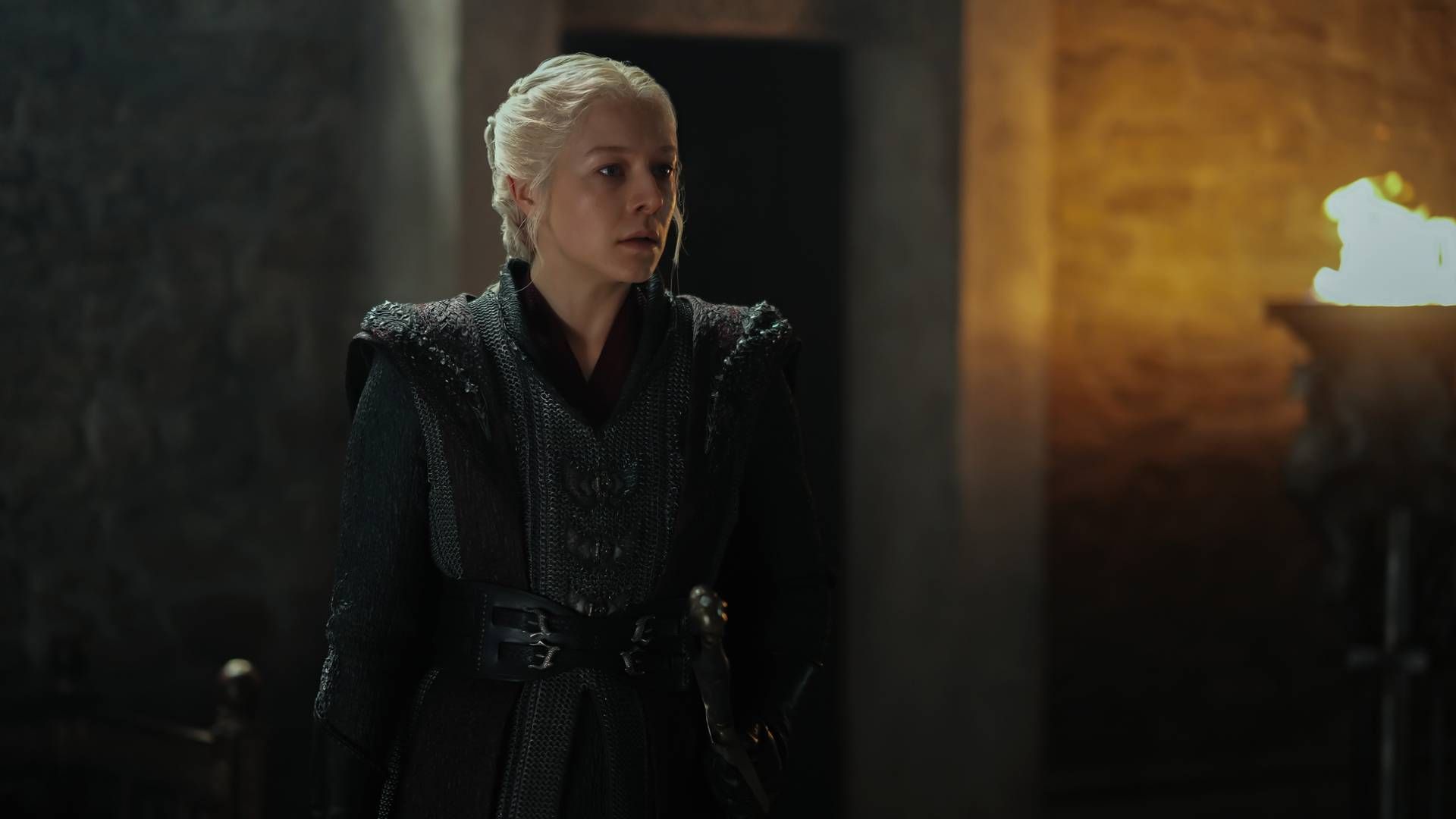
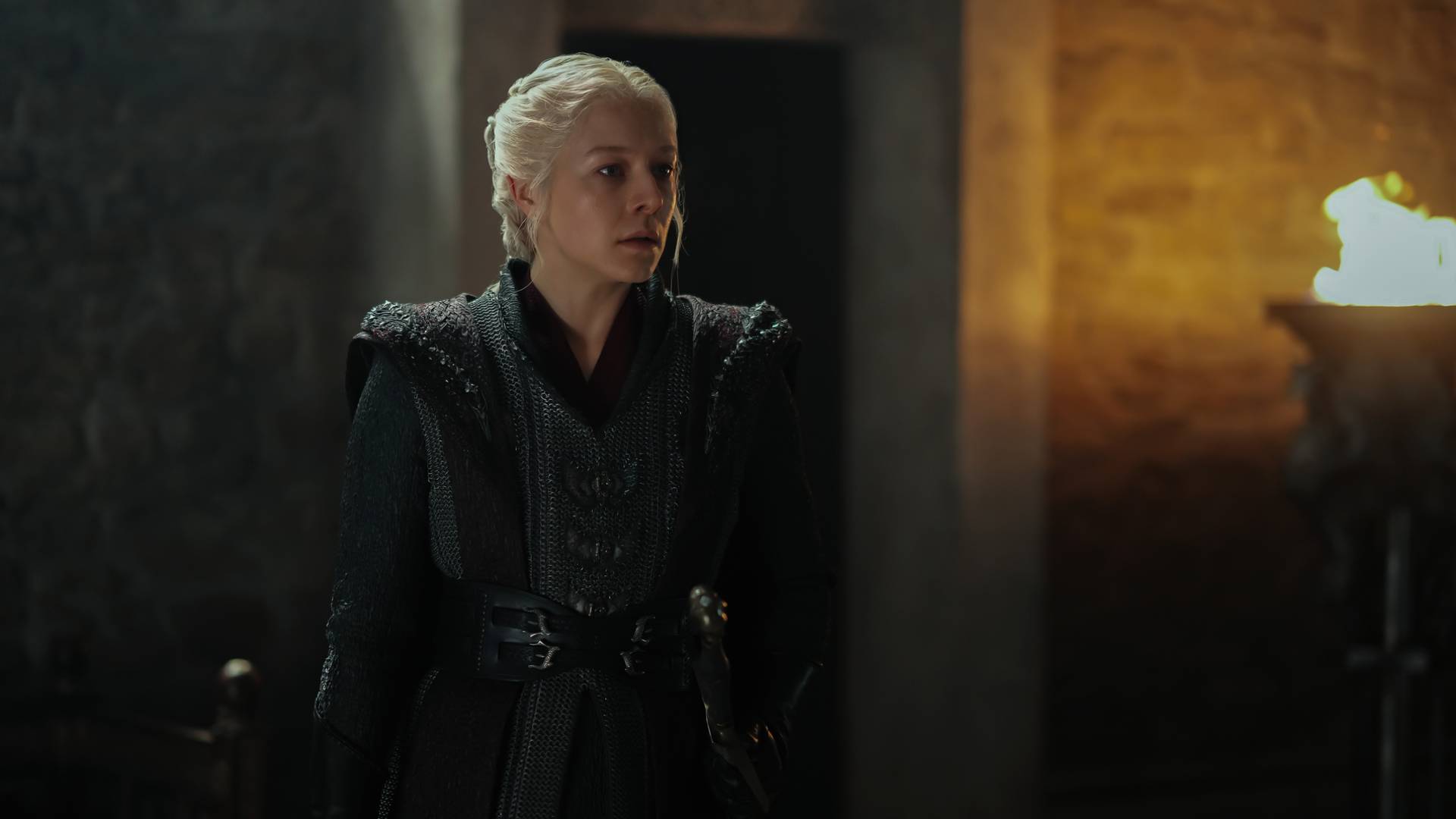
For Rhaenyra Targaryen, the cost of this victory is personal and profound. The return of Baela Targaryen to Dragonstone, carrying the lifeless body of Jacaerys Velaryon, serves as the emotional catalyst for the episode. Rhaenyra’s initial catatonic state, followed by an outpouring of raw, primal grief, underscores the show’s central theme: the personal cost of dynastic ambition. The queen, once restricted to the confines of her chambers, is thrust back into the fray, her resolve hardened by the cold reality of her loss.
Chronology: A Swift March on the Capital
The episode moves with a frantic energy, tracking the disparate movements of the warring factions:
- The Dragonseeds’ Integration: Hugh Hammer, Ulf, and Addam of Hull solidify their roles as the essential, if volatile, assets of the Black faction. Their role in mopping up the remnants of the Triarchy’s fleet proves their worth, though their loyalty remains a wildcard in the long-term game.
- Rhaena’s Diplomacy: Seeking to secure the future of her line and her dragon, Rhaena Targaryen travels to the Vale. Despite Lady Jeyne Arryn’s initial hesitation to harbor a dragon-rider, Rhaena successfully argues that a dragon is the only deterrent sufficient to protect the Vale from the escalating conflict.
- The Fall of Harrenhal: Aemond Targaryen arrives at the cursed castle of Harrenhal with Vhagar. In a display of unchecked fury, he incinerates the structure, killing Ser Simon Strong. However, the battle leaves Aemond wounded, forcing him to seek aid from the enigmatic Alys Rivers, setting the stage for a complex alliance in the Riverlands.
- The Siege of King’s Landing: The climax of the episode sees Rhaenyra and Daemon, accompanied by the dragonseeds, descending upon the capital. The ease with which they navigate the Red Keep—aided by the City Watch—signals a total collapse of the Green faction’s authority.
- The Execution: In the throne room, the power structure is dismantled. Otto Hightower, long the puppet master of the Greens, is brought before Rhaenyra. In a moment of grim finality, she executes him. Daemon simultaneously dispatches Lord Jasper, the Master of Coin, preventing any further political maneuvering.
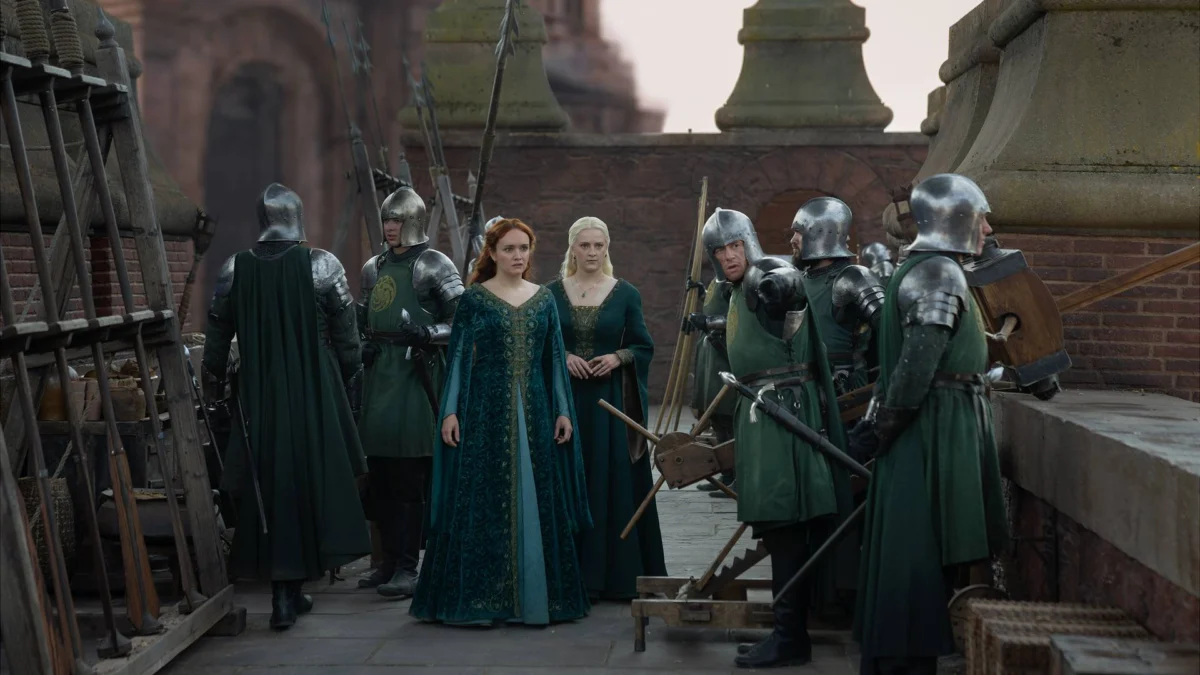
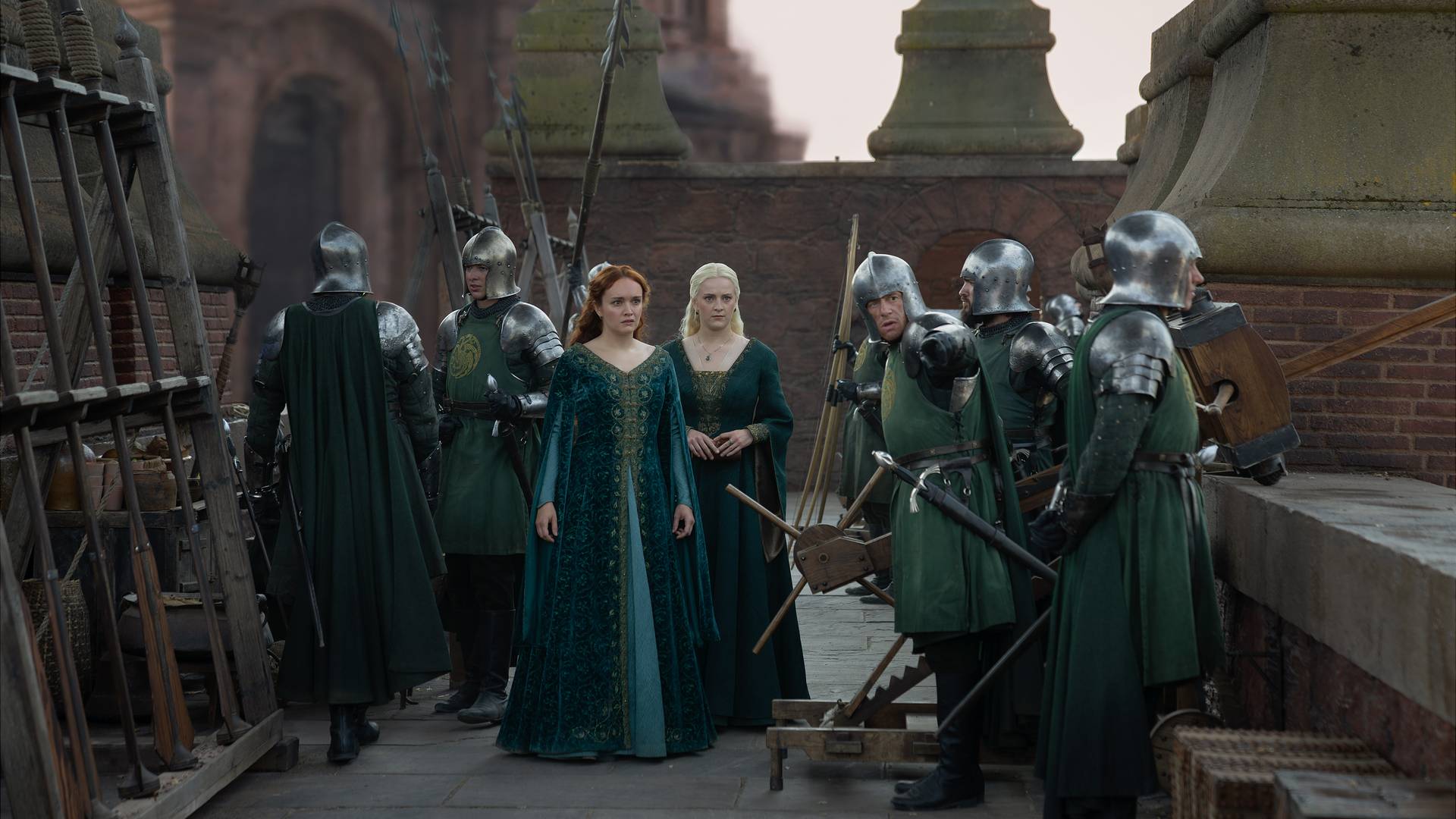
- The New Order: The episode concludes with Rhaenyra ascending the Iron Throne. Her path is marked by literal and metaphorical blood, as she stares down a horrified Alicent Hightower, who has been apprehended alongside her daughter, Helaena.
Supporting Data: The Cost of the Conflict
The casualty list, while perhaps smaller than the massive fleet destruction seen in the premiere, carries heavier narrative weight. The death of Jacaerys Velaryon is the most significant loss, depriving the Blacks of a charismatic heir. The execution of Otto Hightower effectively decapitates the Green leadership, leaving the remaining members of the court in a state of total vulnerability.
Furthermore, the "smallfolk" perspective—represented by the shifting loyalties of the City Watch—highlights the fragility of the Green claim. As Alicent realizes her mistake in placing Aegon on the throne, the guard’s decision to stand down proves that the legitimacy of the crown is ultimately held by those who carry the steel, not those who hold the title.
Thematic Implications and Easter Eggs
The episode is rich with connections to the broader lore of the A Song of Ice and Fire universe:
- The Prophecy: Daemon’s attempt to rouse Rhaenyra from her grief by reciting the prophecy of the "Song of Ice and Fire" and his vision of Daenerys Targaryen serves as a bridge between the two eras of the franchise. By framing the conflict as a necessary precursor to the survival of humanity against the White Walkers, the show elevates the personal war into a cosmic necessity.
- Literary Parallels: The dialogue regarding "never winning another victory" is a direct lift from George R.R. Martin’s text, grounding the television adaptation in the source material’s cynical view of war.
- Visual Symbolism: The title sequence’s evolving tapestry, now depicting the death of Jacaerys and the Battle of the Gullet, reinforces the idea that the characters are merely actors in a history that is already being written.
- Cinematic Callbacks: The execution of Otto Hightower, requiring two blows, serves as a grim echo of the execution of Rodrick Cassel in the original Game of Thrones series, reminding viewers that in Westeros, death is rarely quick or clean.
Official Responses and Narrative Trajectory
While HBO has not released specific ratings for this episode, the online discourse suggests a high level of engagement regarding the pacing. The showrunners have clearly chosen to accelerate the timeline, moving away from the "Cold War" dynamic of the early seasons toward a total, scorched-earth conflict.
The implication of these events is clear: the Green faction is effectively broken. With Aegon missing, Otto dead, and the City Watch defecting, the "Dance" is no longer a civil war between two equal powers, but a desperate struggle for survival for the remaining members of House Hightower.
As we look toward future episodes, the focus will likely shift to the fallout of Rhaenyra’s rule in the capital. Can a queen who claims the throne through blood and fire maintain the loyalty of a city that was, until moments ago, under the control of her rivals? And with Aemond wounded and in the company of the mysterious Alys Rivers, the threat from the Riverlands remains a looming shadow.
The second episode of this season does more than just advance the plot; it clears the board. By removing key players and centralizing power, the show ensures that the remaining chapters of the Dance will be defined by desperation, ideological conflict, and the inevitable, tragic realization that when dragons fight, it is the world that burns. The Iron Throne is now occupied, but for Rhaenyra, the true challenge of ruling has only just begun.