

The FIFA World Cup, currently being hosted across the expansive landscapes of Canada, Mexico, and the United States, has once again proven its unique ability to bring the globe to a standstill. For Japan, the tournament has been more than a series of athletic contests; it has been a unifying cultural force. As the "Samurai Blue" navigated their high-stakes group stage, the tension and excitement reverberated thousands of miles away, culminating in a striking display of communal passion at the heart of Tokyo.
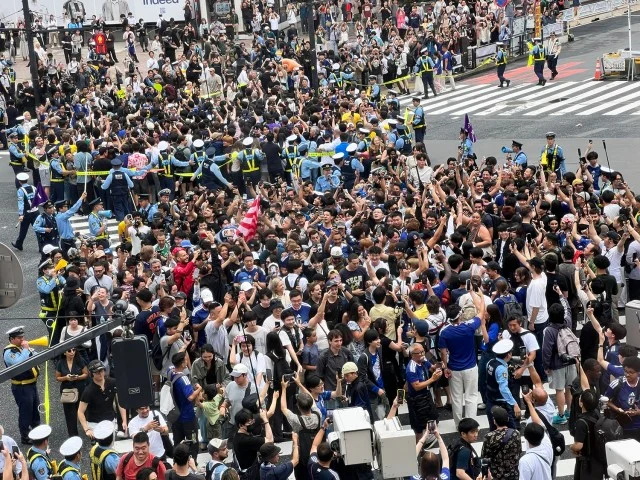
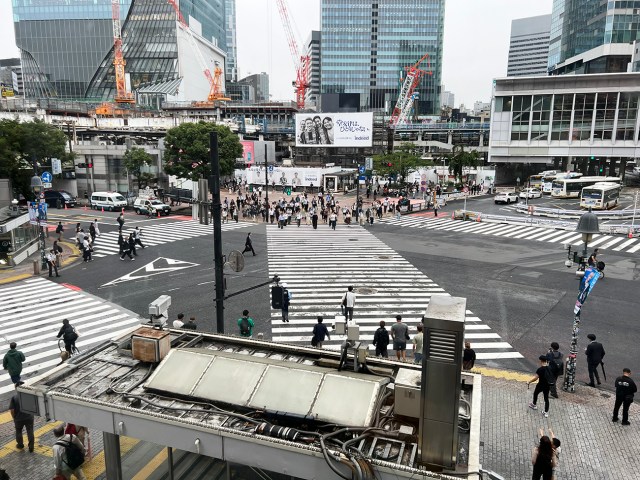
On the morning of June 26, the famous Shibuya Scramble intersection—typically a cold, efficient artery of urban commerce—was repurposed into a makeshift theater of national pride. Following Japan’s final group stage match against Sweden, thousands of fans descended upon the iconic crossing. What began as a nerve-wracking morning of digital anticipation ended in an orderly, yet exuberant, demonstration of national solidarity that has left observers wondering: if this is the energy for the group stage, what will happen when the knockout rounds begin?
A Chronology of the Morning: From Quiet Tension to Collective Celebration
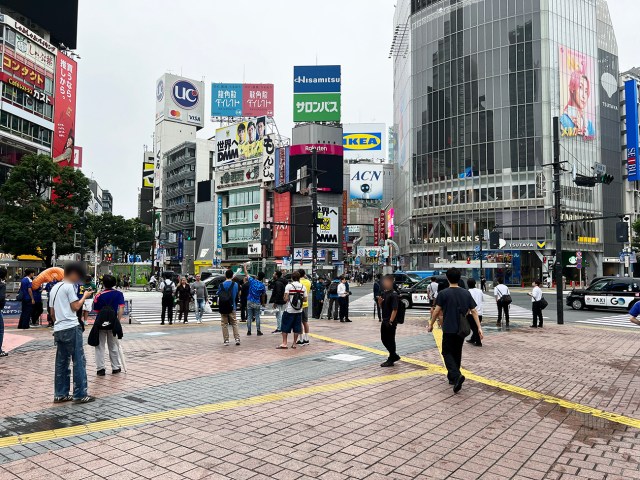
The atmosphere in Shibuya in the hours leading up to the 8:00 a.m. JST kickoff was one of disciplined restlessness. While the days of massive, broadcast-integrated screens at the intersection have largely been relegated to history due to crowd-control concerns, the spirit of the event remained undimmed.
7:30 a.m. – 8:30 a.m.: The Quiet Before the Kickoff
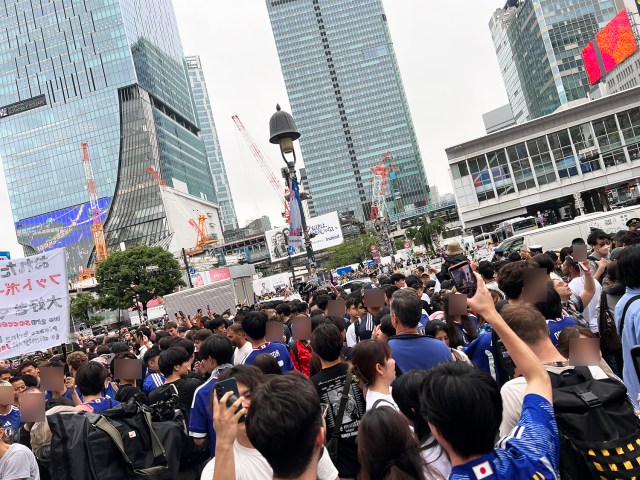
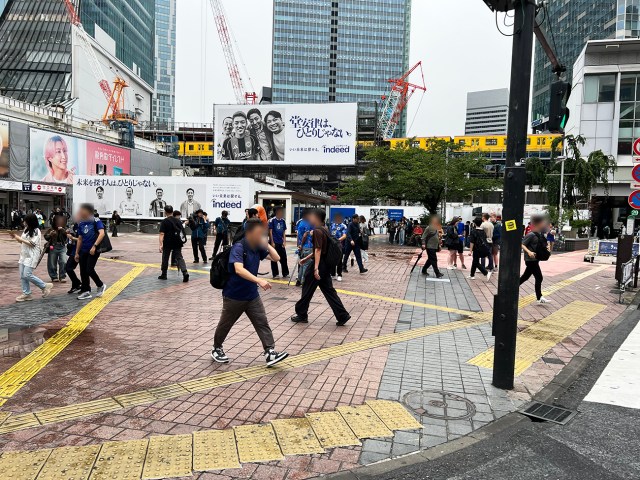
As the sun rose over Tokyo, the Shibuya Scramble was already showing signs of an unusual morning. Local authorities were on high alert, with police officers stationed strategically around the perimeter. Commuters weaving through the area were joined by a growing number of individuals adorned in the signature Samurai Blue kits of the Japanese national team. While the intersection itself remained relatively fluid, the Hachiko Plaza began to serve as a hub for clusters of fans, many of whom were huddled over their smartphones, livestreaming the match in hushed, collective focus.
9:00 a.m.: The First Surge of Emotion
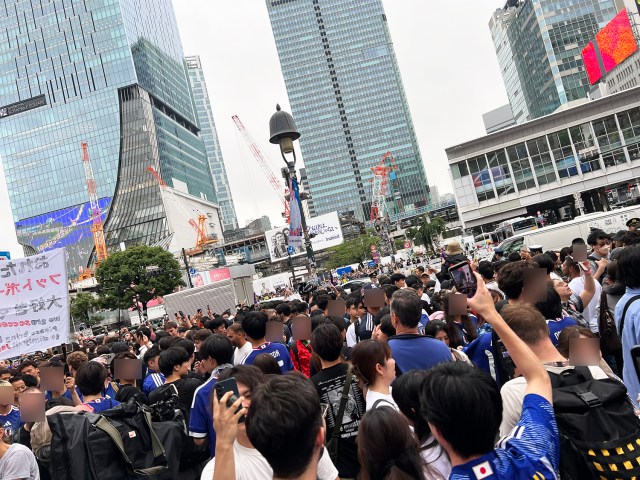
By 9:00 a.m., the density of the crowd had noticeably thickened. The transition from a standard weekday morning to a sports-centric gathering was palpable. Inside the nearby Starbucks overlooking the intersection—a coveted vantage point for observers—the mood shifted from casual to electric when Daizen Maeda found the back of the net for Japan. The sudden eruption of cheers from within the cafe signaled that the match had reached a critical inflection point, drawing in those outside who were following the live updates via digital notifications.
9:30 a.m. – 10:00 a.m.: Intensification and the Final Whistle
As the match progressed into the second half, the stakes rose. When Sweden’s Anthony Elanga equalized the score, the mood in the cafe and on the street shifted from celebratory to tense. The silence of the observers in the cafe, watching intently on their laptops, was broken by animated discussions between Japanese fans and international tourists. The game concluded in a 1-1 draw—a result that left the crowd with a bittersweet "what if" feeling, though it was nonetheless met with a sense of pride regarding the team’s resilience.
10:00 a.m.: The Post-Match Release
The true spectacle began as the official viewing event at Toho Cinemas Shibuya concluded. A wave of spectators poured out onto the streets, joining the already swelling masses at the Scramble. Every time the pedestrian signal turned green, the intersection became a stage. Fans chanted "Nippon! Nippon!" in rhythmic unison, exchanging high-fives with strangers and capturing the moment on their mobile devices. The intersection had effectively become an impromptu fan zone.
Supporting Data: The Anatomy of a Crowd Event
To understand the significance of this gathering, one must look at the shift in Japanese football culture. Historically, Japanese fans were known for a more reserved, observational style of support. However, recent tournaments have seen a move toward more vocal, participatory fandom.
The presence of a high number of international visitors within the crowd at Shibuya adds a new dimension to the event. The Scramble has become a "must-see" destination for tourists, and the intersection of global tourism with local sporting passion has turned these gatherings into a form of performance art. Data from local transport authorities indicated an uptick in foot traffic in the Shibuya ward during the match window, despite it being a standard weekday, underscoring the "World Cup Effect" on urban mobility.
Official Responses and Security Infrastructure
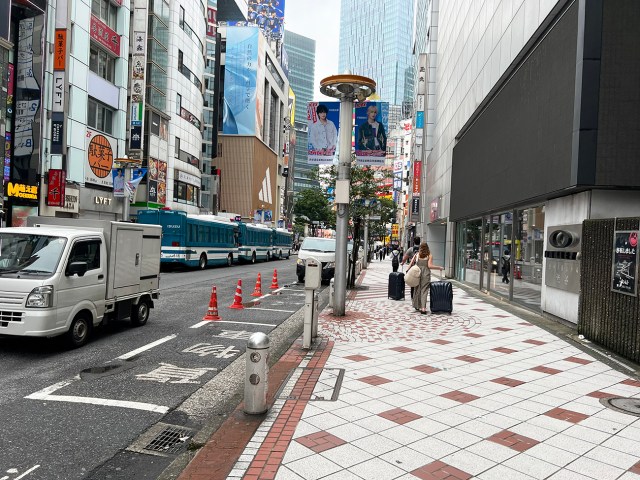
The response from local authorities has been one of proactive containment. Knowing the history of "chaos" associated with mass gatherings in Shibuya—such as the infamous Halloween events—the Tokyo Metropolitan Police implemented a "wait and see" policy, scaling up personnel only as necessary.
By 9:30 a.m., targeted traffic control measures were initiated to ensure that the influx of pedestrians did not impede essential transit services. This level of coordination highlights the evolution of how Tokyo handles large-scale public expressions of joy. Rather than attempting to suppress the gatherings, the current strategy focuses on channeling the energy into designated pedestrian phases, ensuring that the intersection remains a functional part of the city even during periods of intense celebration.
Implications: The Road to the Knockout Stage
The orderly nature of the morning’s events provides a fascinating insight into the current state of Japanese public morale. Despite the draw, the mood was one of optimism. There is a growing sense of confidence in the national team; a decade ago, a draw might have been the ceiling of expectations, but today, there is a tangible frustration at not having secured the win. This shift in mindset reflects the team’s growth on the international stage.
The true test of this "orderly chaos" will arrive on June 30 at 2:00 a.m. JST, when Japan faces off against Brazil in the first match of the knockout stage. The timing of the match, combined with the formidable nature of the opponent, suggests that the Shibuya Scramble will likely see an even larger, more passionate turnout.
If the group stage served as a rehearsal, the knockout round promises to be the main event. Whether the intersection remains a site of organized celebration or devolves into something more unpredictable remains to be seen. However, one thing is certain: for the fans in Shibuya, the World Cup is not just a match on a screen—it is a shared experience that defines the rhythm of the city. As the nation prepares for the clash with Brazil, the eyes of the world, and the cameras of the spectators, will undoubtedly remain fixed on the center of the Scramble.











