

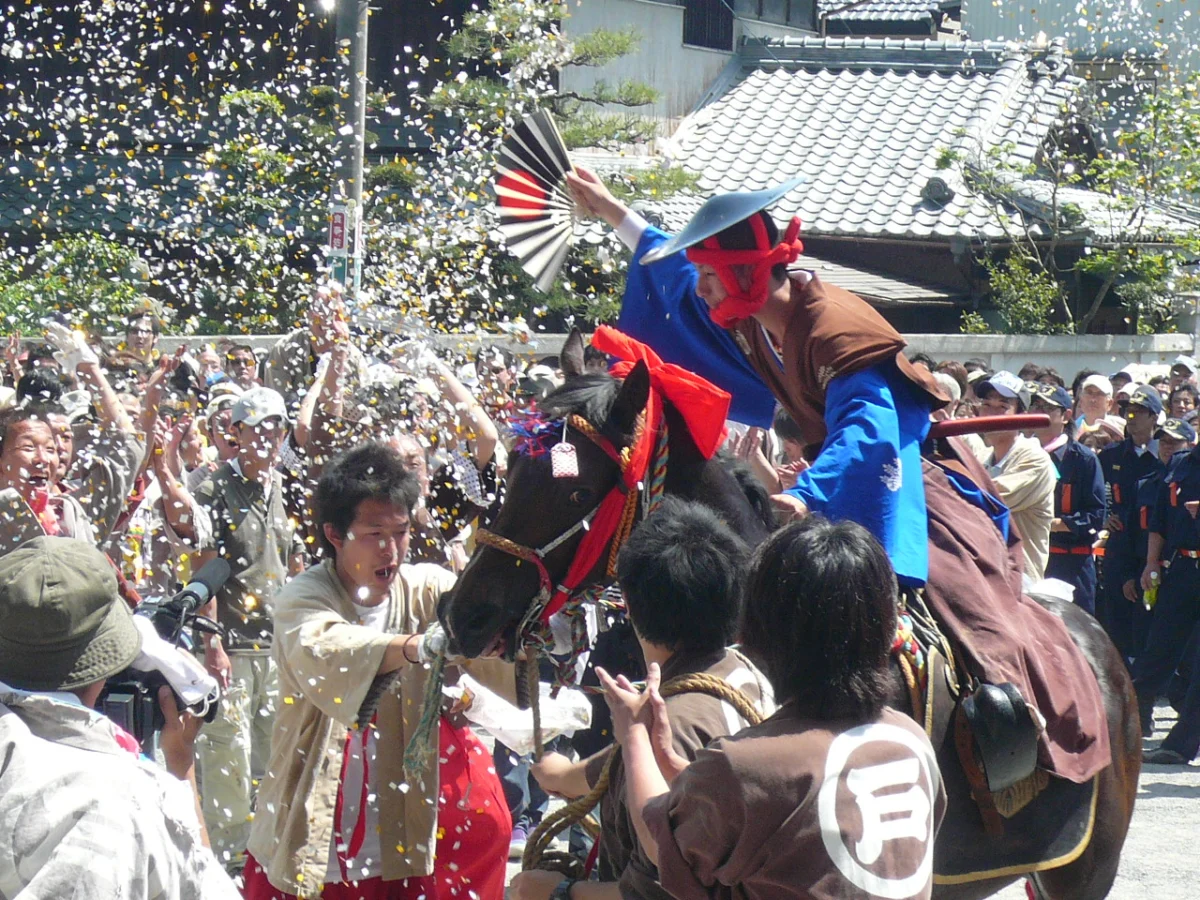
Nestled at the base of the 403-meter Mount Tado in northern Mie Prefecture, Japan, the Tado Taisha (Tado Grand Shrine) stands as a monumental pillar of Shinto tradition. Every year, on May 4th and 5th, this serene sanctuary transforms into the site of the Tado Festival (Tado Matsuri), an event that balances the weight of a thousand-year-old history with the pressures of 21st-century ethics. At its heart lies the Ageuma Shinji—the "Rising Horse Rite"—a spectacle of speed, faith, and physical audacity that serves as a divine barometer for the coming year’s rice harvest.
Main Facts: The Ritual of the Rising Horse
The Ageuma Shinji is widely regarded as one of Japan’s most physically demanding Shinto rituals. During this event, young men dressed in traditional samurai armor spur their horses up a steep, 100-meter-long packed-earth slope. The path culminates in a two-meter-high vertical wall that the horse and rider must clear.
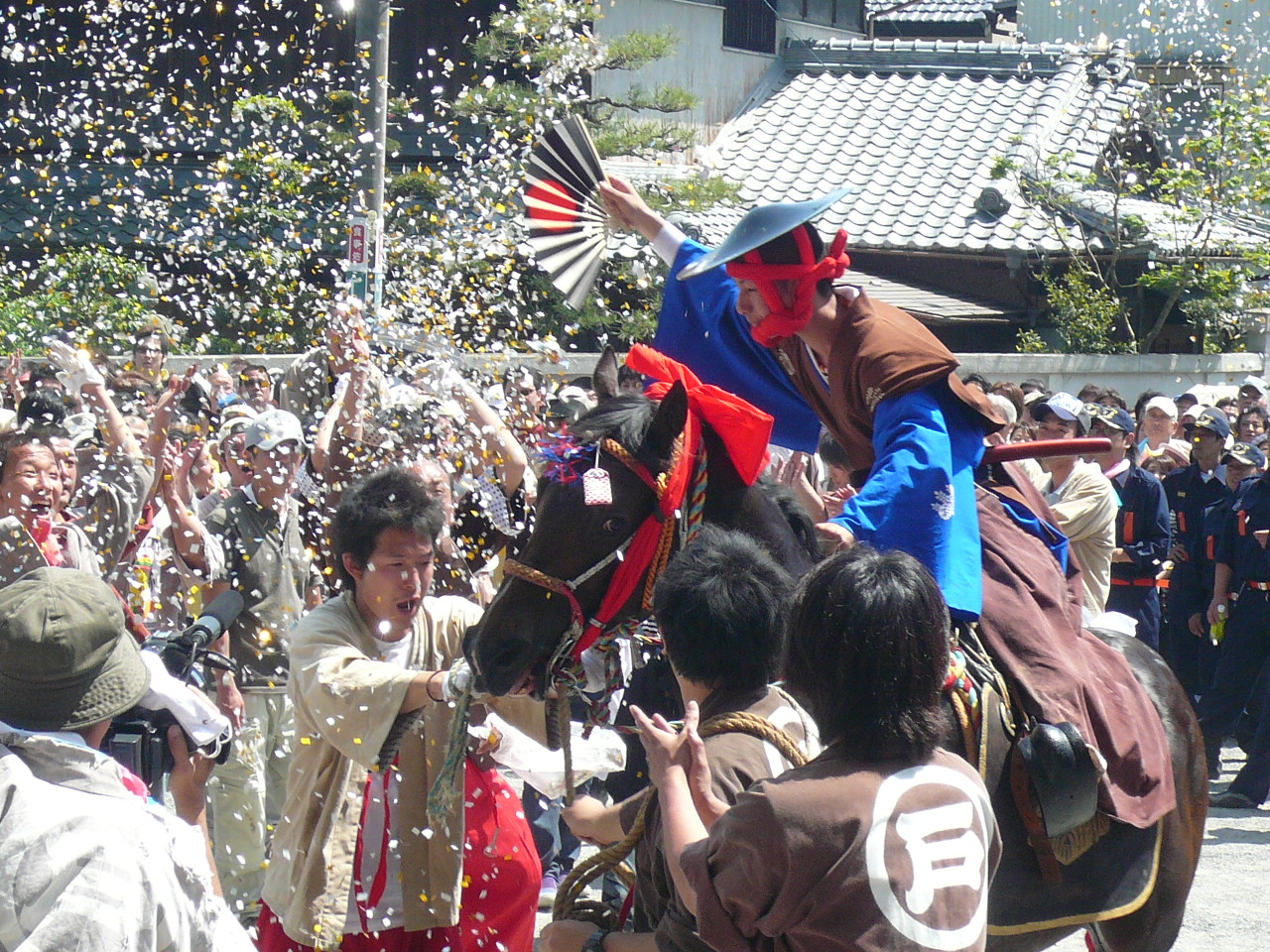
In Shinto belief, the outcome of the jump is prophetic. A successful, clean leap is interpreted as a sign of a bountiful rice harvest for the region; a refusal or a failed attempt is viewed as a grim harbinger of drought or poor crop yields. The ritual is not merely a display of horsemanship but an act of spiritual consultation with the deities of Tado Taisha.
Chronology: A Thousand-Year Legacy
The history of Tado Taisha is inextricably linked to the history of Japan itself. Historical records date the shrine’s founding to 459 CE, during the reign of Emperor Yuryaku. If these records hold, Tado Taisha pre-dates even the illustrious Ise Grand Shrine, making it one of the oldest sacred sites in the country.
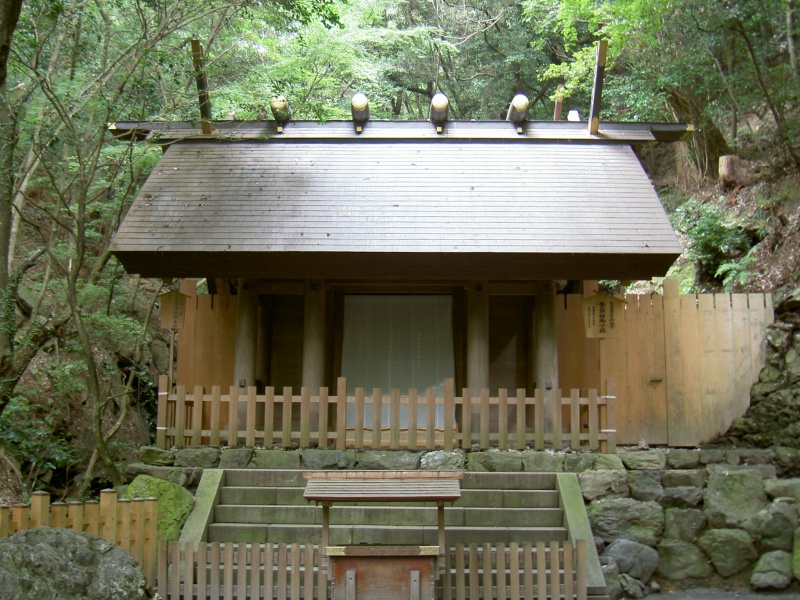
Documentary evidence becomes particularly robust from the 9th century onward, with the shrine appearing in the Engishiki—the 927 CE register of officially recognized shrines—which granted it elevated national rank. Throughout the centuries, the shrine has been destroyed and rebuilt on roughly a 300-year cycle, with the current structures representing a continuous link to the Kamakura period (1185–1333) and beyond. The Ageuma ritual, while evolving in form, has been a centerpiece of this timeline for roughly seven centuries, serving as a focal point for medieval cavalry blessings, Edo-era agricultural prayers, and contemporary spiritual petitions.
Supporting Data: The Theology of the Horse
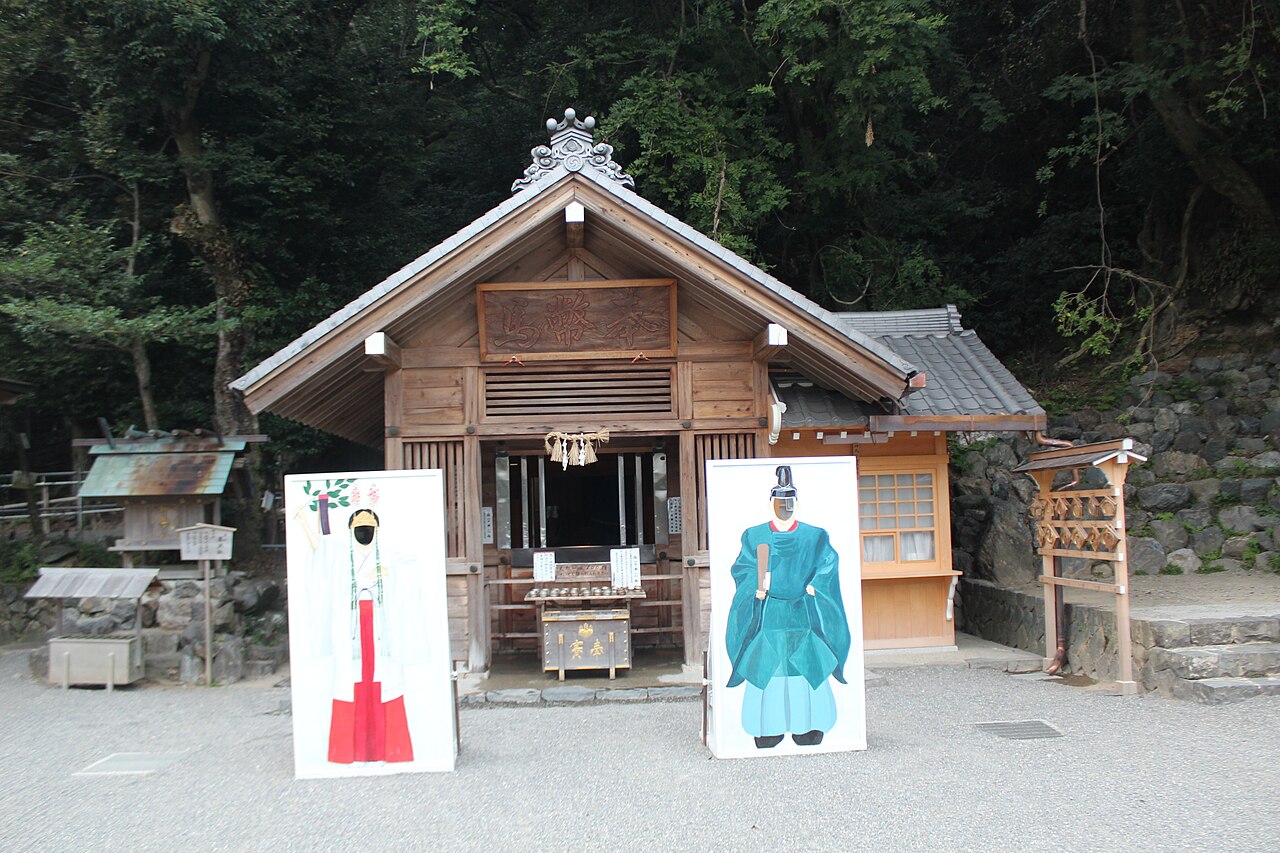
Tado Taisha is dedicated to the deity Amatsuhikone-no-mikoto, a child of the sun goddess Amaterasu. In the lexicon of Shinto mythology, he is venerated specifically as the "horse protector." This divine association permeates every aspect of the shrine’s culture:
- The Jinmesha (Sacred Stable): The shrine houses a sacred horse, currently a white thoroughbred named Kintaro, who serves as a living embodiment of the shrine’s devotion to the equine species.
- The Gakuraden (Ceremonial Music Hall): This structure acts as the stage for pre-ritual Shinto prayers and kagura dances, creating a sonic atmosphere of immense solemnity before the intensity of the horse-jumping begins.
- Motorsport Pilgrimage: In a fascinating modern adaptation, the shrine’s historical connection to horses has evolved to encompass "horse-power" in a literal sense. Today, motorcycle and car enthusiasts flock to Tado Taisha to receive kito (blessings) for vehicle safety, with the shrine offering formal rituals for the equivalent of $35 USD per vehicle.
Official Responses: The Weight of Controversy
In the 2020s, the Tado Festival entered a period of intense public scrutiny. As global awareness regarding animal welfare has risen, the Ageuma Shinji has faced mounting criticism from animal rights organizations. The primary concerns center on the safety of the horses, as the hard-packed earth of the slope and the unforgiving nature of the vertical wall have led to recurring injuries, including leg and shoulder trauma.
The shrine’s response to these concerns has been characterized by a policy of incremental reform rather than outright cancellation. Recognizing the shift in public sentiment, the shrine administrators have implemented the following changes since 2021:
- Reduction of Difficulty: The height and angle of the jump have been modified to reduce the physical impact on the horses.
- Cushioning Measures: New materials have been introduced at the landing zone to mitigate the shock of the jump.
- Age and Skill Restrictions: The shrine has implemented stricter oversight regarding the experience level of the riders and the selection of horses to ensure the highest possible standard of safety.
Despite these efforts, the ritual remains a lightning rod for debate. Any visitor to the 2026 festival or beyond will likely encounter both the traditional, high-stakes spectacle and the presence of protest groups advocating for the end of the rite.
Implications: A Living Tradition in a Modern World
For the traveler or the cultural historian, the Tado Festival presents a complex duality. On one hand, it is a genuine, continuous piece of Japanese folk religion, untouched by the artificiality of modern theme parks. It offers an unfiltered look at how ancient agricultural societies navigated the uncertainties of nature through ritual. On the other hand, it forces an engagement with the uncomfortable intersection of traditional cultural property and modern animal welfare ethics.
Practical Considerations for the Visitor
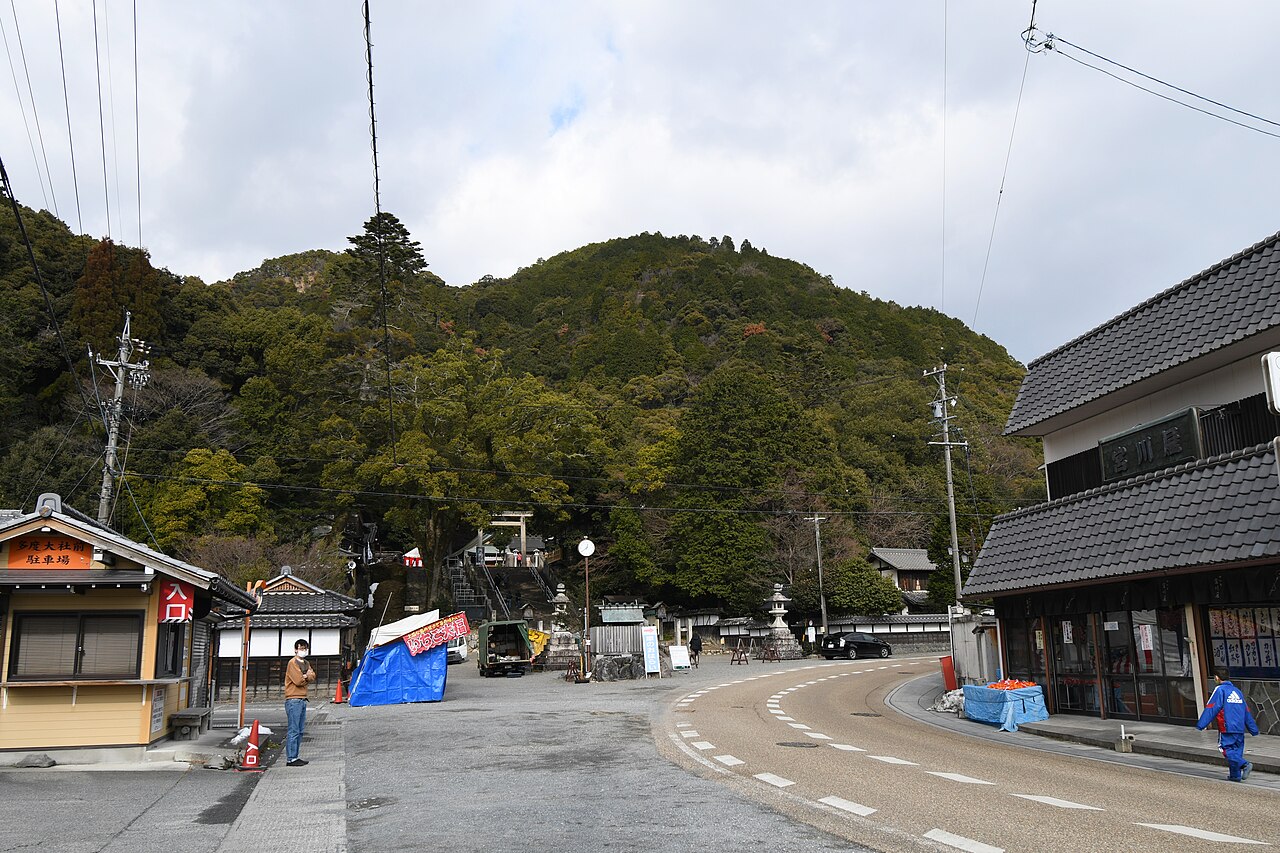
If you are planning to attend, preparation is essential. The festival draws between 300,000 and 400,000 visitors annually, far exceeding the shrine’s standard capacity.
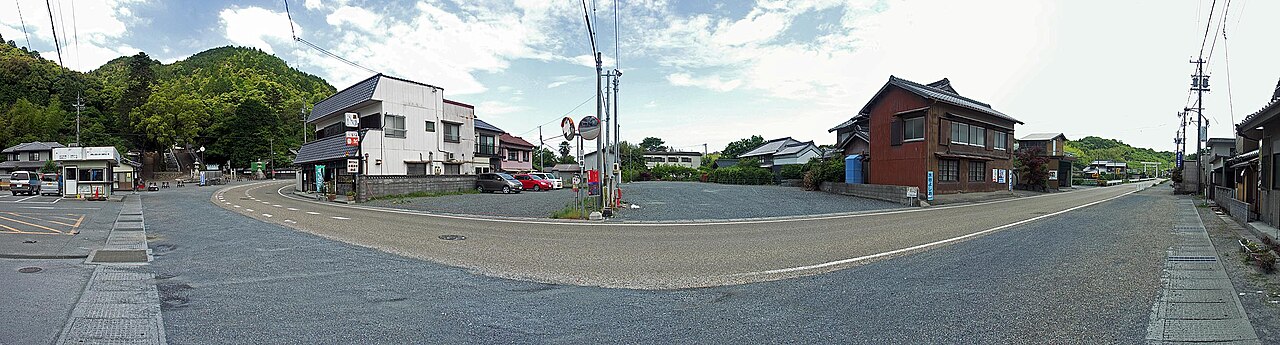
- Logistics: The festival takes place on May 4th and 5th. Travelers should base themselves in Kuwana or Nagoya. Accommodations in the region fill up rapidly, often by early March, so booking months in advance is mandatory.
- Viewing the Rite: Admission to the grounds is free, but the best spots for the Ageuma Shinji are claimed early—often by dawn. Reserved seating, which offers a better vantage point near the slope, can be purchased for $20–$35 through the shrine’s official website starting in late March.
- Managing Expectations: Visitors should expect a lack of extensive English signage or announcements. While the atmosphere is electric, the presence of protesters and the potential for witnessing animal injury means the event may not be suitable for young children or those sensitive to animal rights issues.
The Broader Visit: Beyond the Festival
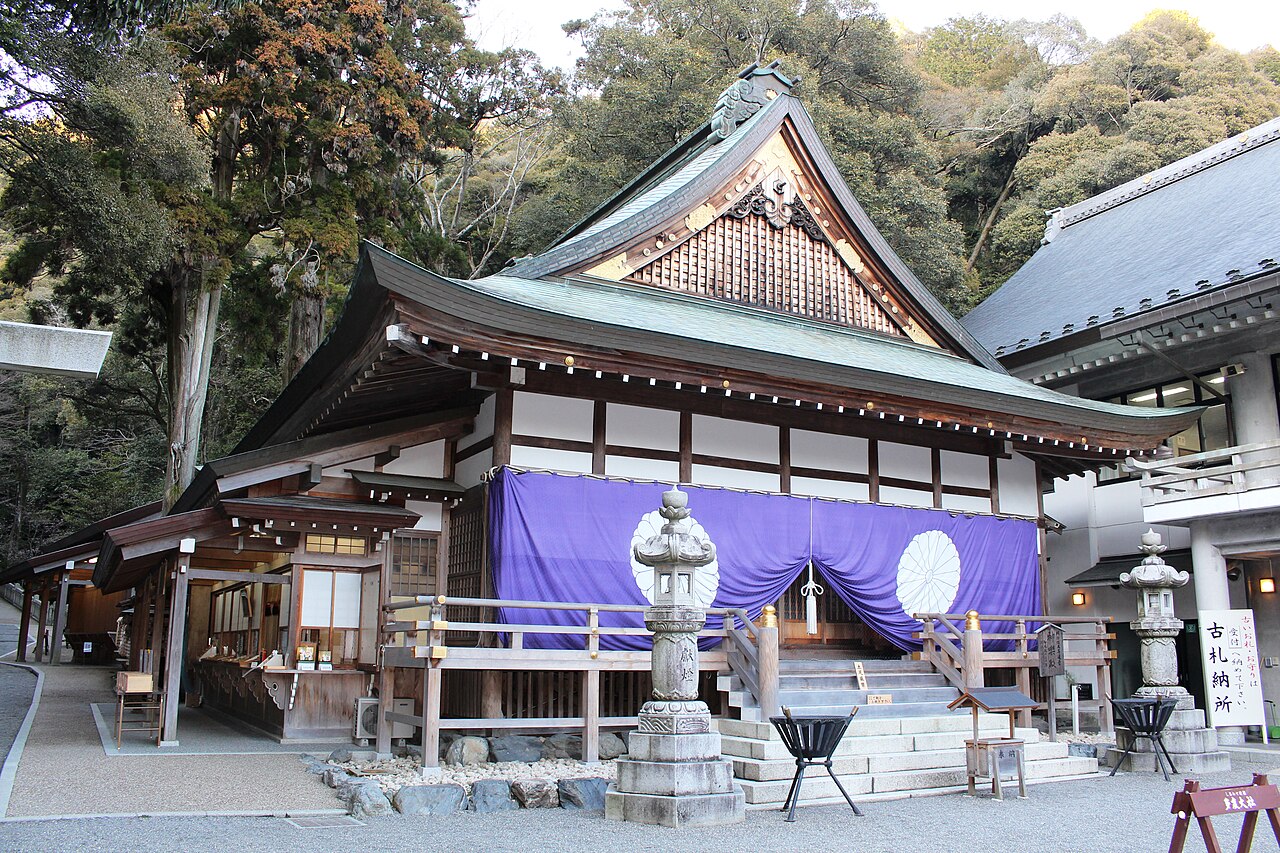
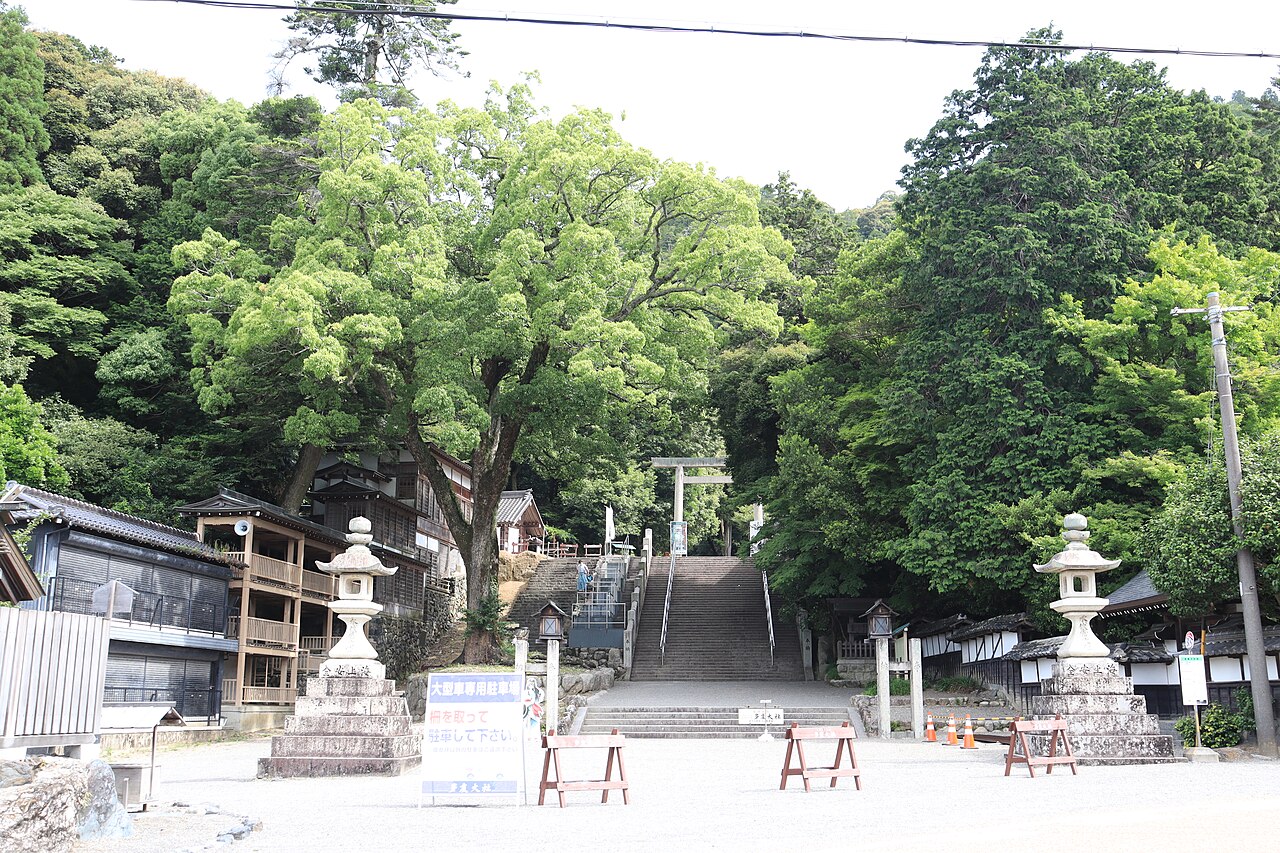
Even outside of the May festival, Tado Taisha is a destination of profound beauty. The walk through the precinct, passing through the cryptomeria forest and the main hall, is a 30-to-40-minute journey into serenity. The Shuho-kan (Treasure Hall) provides essential context, housing ceremonial saddles and samurai armor that bring the history of the shrine to life.
For the active traveler, the 90-minute hike to the summit of Mount Tado rewards the climb with panoramic views of the Ibi River delta and the Kiso Sansen river-mouth system. It is a reminder that while the Ageuma rite is the headline, the shrine itself is a permanent fixture of the Mie landscape, offering quiet reflection to those who seek it.
Conclusion: Is It Worth It?
For the dedicated student of Shintoism and Japanese folk culture, the Tado Festival is a necessary experience. It is one of the few places in Japan where you can observe a ritual that has been performed with consistent intensity for over 700 years. However, it is an experience that comes with a caveat: the visitor must be prepared to witness a collision between the past and the present.
Whether the Ageuma Shinji continues in its current form or undergoes further, more radical transformations, it remains a powerful testament to the human desire to seek divine favor. Tado Taisha does not merely host a festival; it preserves a living, breathing, and deeply contested dialogue between the people of Mie and the ancient deities of their land. For those willing to navigate the complexities, it is a journey that offers more than just a view—it offers a deeper understanding of the evolving nature of tradition itself.











