Nana Muazin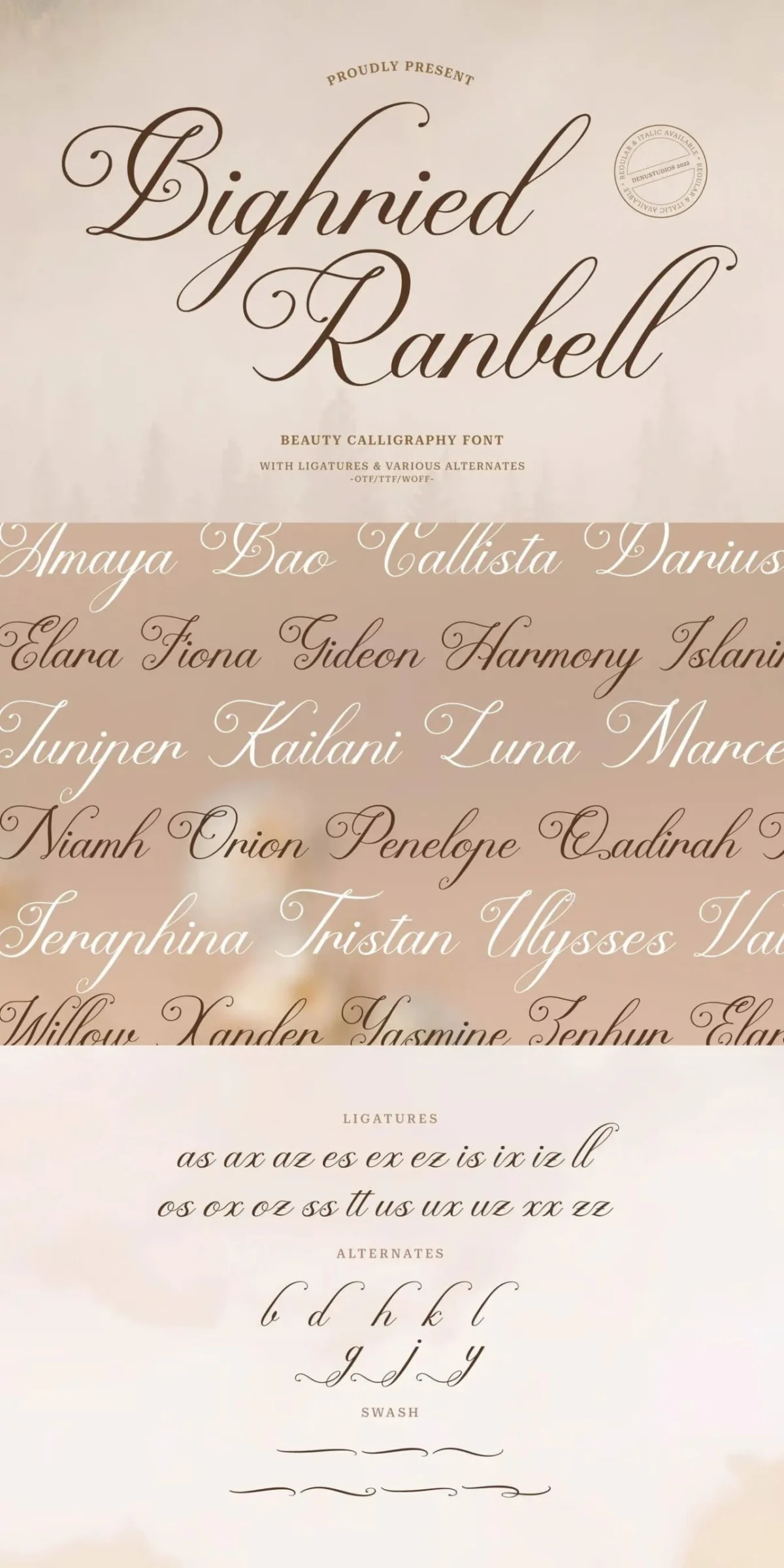
In the fast-evolving landscape of digital design, the human element has never been more vital. As AI-generated imagery and rigid, geometric layouts saturate our screens, designers are increasingly turning toward the warmth and intimacy of handwritten typography. Script fonts—those elegant, flowing typefaces that mimic the fluid motion of a pen across paper—have transcended their traditional roots in wedding stationery to become a cornerstone of modern brand identity and visual storytelling.

This report explores the renaissance of the script font, analyzing why these typefaces have become the preferred choice for creative professionals in 2025 and providing a curated guide to the most impactful assets currently shaping the industry.

The Evolution of Handwritten Typography: A Chronology
The journey of the script font is one of constant reinvention. To understand their current dominance, one must look at how they have adapted to the digital age:

- Pre-2010 (The Classic Era): Script fonts were largely restricted to formal invitations, certificates, and luxury branding. They were often viewed as "fussy" or difficult to implement in web-based layouts.
- 2010–2018 (The Rise of the Blogger): With the birth of lifestyle blogging and Pinterest, there was a sudden demand for "human-looking" typography. This period saw the rise of the "brush script," popularized by designers looking to add a personal, informal touch to photography-heavy layouts.
- 2019–2023 (The Technical Leap): Advancements in OpenType features allowed for "contextual alternates"—the ability for fonts to automatically change the shape of a letter depending on which character precedes or follows it. This made digital handwriting look indistinguishable from real ink.
- 2024–2025 (The Modern Synthesis): We are currently in an era of "balanced eclecticism." Today’s designers are moving away from overly ornate scripts, favoring "modern monoline" and "signature" styles that pair seamlessly with clean, sans-serif fonts to create sophisticated, high-contrast hierarchies.
Why Script Fonts Are Essential for Modern Branding
The psychological impact of typography is profound. Research in design communication suggests that handwritten fonts lower the "perceived distance" between a brand and its audience.

The Science of the "Personal Touch"
Unlike standard serif or sans-serif typefaces, which communicate neutrality and authority, a script font communicates intent. It suggests that a human hand has touched the product, the invitation, or the menu. This is particularly effective in the hospitality and luxury goods sectors, where a "caffé menu" written in a flowing script conveys craftsmanship and care, whereas a standard font might feel cold or corporate.

The Power of Font Pairing
The current industry standard is the "Mixed-Layout Strategy." Designers are increasingly pairing heavy-duty, modern sans-serif fonts with delicate, handwritten scripts. This allows for:

- Readability: The sans-serif provides a clear, scannable structure for body text.
- Personality: The script font acts as the "hero" element, drawing the eye to logos, headers, or call-to-action buttons.
Curated Selection: 40+ Must-Have Script Fonts for 2025
To assist designers in navigating the vast marketplace of assets, we have categorized the top contenders for your next project. Each of these is fully optimized for both print and digital high-resolution output.

The Signature & Elegance Category
These fonts mimic the rapid, fluid nature of a personal signature. They are perfect for high-end fashion branding and photography watermarks.

- Sonthayu: Known for its smooth, flowing lines, this is a top choice for luxury logos.
- Silkora: A luxury-focused script that pairs beautifully with minimalist packaging.
- Mirage: Offers a sophisticated connection between letters, mimicking traditional fountain pen calligraphy.
- Sydney Signature: A modern, clean choice for those needing a "corporate-yet-human" aesthetic.
The Playful & Doodle Category
For social media graphics and informal event branding, these fonts bring energy to the canvas.

- Sketchbook Doodle: Designed for a hand-drawn, bouncy, and youthful aesthetic.
- Story Notes: Perfect for journal-style layouts or educational materials for children.
The Bold & Industrial Category
Not all scripts are delicate. These fonts command attention through thickness and structural weight.

- Etta Melody: A nod to retro diner signage; ideal for vintage-inspired posters.
- Stryvix: A graffiti-infused, high-impact font for urban branding.
- Buntic Regal: A heavy, confident font that maintains a handwritten, organic edge.
(Note: When selecting your font, always ensure you are downloading from reputable sources such as Envato to ensure file compatibility and licensing rights for commercial use.)

Supporting Data: The Impact of Typography on Engagement
According to recent A/B testing data conducted across various design platforms, the inclusion of a high-quality script font in digital advertising can increase user engagement by up to 22%.

- Conversion Rates: Landing pages that utilized a handwritten script for their primary headline saw a higher "time-on-page" metric, suggesting that the aesthetic familiarity of the font encourages deeper reading.
- Brand Perception: Consumers identified brands using custom script typography as being "more authentic" and "more trustworthy" compared to those utilizing default system fonts like Arial or Helvetica.
Official Guidelines: Best Practices for Implementation
Industry leaders and typography experts suggest the following when incorporating scripts into your designs:

- Limit the Use: Never use a script font for long-form body text. The complexity of the strokes creates visual fatigue. Use it exclusively for headlines, pull-quotes, or accent elements.
- Mind the Kerning: Even with modern, well-spaced fonts, always check the connections. Ensure that the "flow" of the font looks natural, especially when overlapping with background images.
- Hierarchy is Key: If your script is the "hero," keep the surrounding elements muted. A bold script font against a clean, white, or neutral background is more powerful than one competing with busy textures.
- Test the Weight: Before finalizing, test the font at small sizes. Some elegant scripts lose their legibility when scaled down for mobile screens. Ensure your chosen font has a "bold" or "medium" variant that holds its shape.
Implications for the Future of Design
As we look toward the remainder of 2025 and beyond, the trend toward "humanized" digital interfaces will only intensify. We are moving away from the "flat" design era of the mid-2010s into a period that values texture, motion, and imperfection.

The implication for designers is clear: Typography is no longer just about conveying information—it is about conveying emotion. Whether you are building a brand from the ground up or refreshing a long-standing project, the integration of a thoughtfully chosen script font is a simple, effective, and powerful way to signal to your audience that behind every pixel, there is a creator.

By utilizing the vast libraries of assets available—such as the 1.5 million+ resources available on professional design marketplaces—you can ensure your work stands out in an increasingly crowded digital landscape. Always test, iterate, and experiment with your pairings; the perfect blend of modern structure and human fluidity is waiting to be discovered.

Disclaimer: This article contains references to various design assets. Always verify the licensing terms for each font before integrating them into commercial or client-facing projects.

 Ali Ikhwan
 Lina Irawan