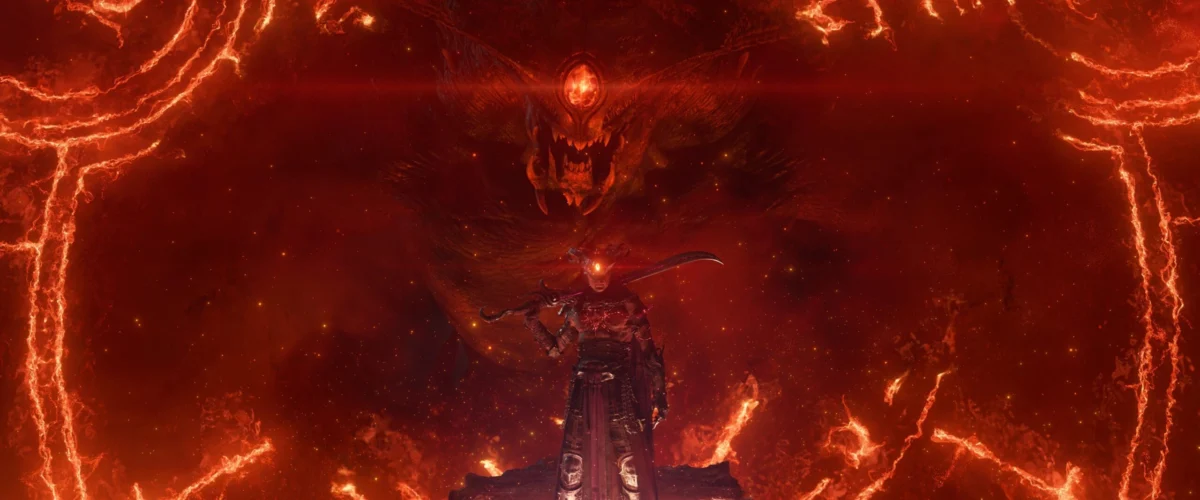
In a landmark celebration marking the 30th anniversary of the Diablo franchise, Blizzard Entertainment has pulled back the curtain on the future of its flagship action-RPG series. While the "Diablo 30th Anniversary Spotlight" event was expected to be a retrospective, it quickly pivoted into a high-stakes reveal of upcoming content. The most significant announcement was the official unveiling of the Warlock, the second of two new classes arriving in the upcoming Lord of Hatred expansion for Diablo IV.
As the franchise steps into its fourth decade, Blizzard is clearly signaling a return to the dark, esoteric roots of the series, balancing the holy fervor of the previously announced Paladin with the forbidden, hell-bent powers of the Warlock.
The Warlock: A Study in Forbidden Power
The Warlock stands as a narrative and mechanical antithesis to the Paladin. While the Paladin draws its strength from divine protection, unwavering faith, and the radiant power of the Light, the Warlock represents the darker, more volatile side of Sanctuary’s magic.
Blizzard describes the Warlock as an "edgy, antihero counterpart" to the Paladin. Rather than seeking to cleanse the world of demonic influence through prayer and steel, the Warlock masters it. They utilize forbidden knowledge, tethering their soul to the powers of the Burning Hells to turn the demons’ own malice against them. This "fire-with-fire" philosophy promises a gameplay loop focused on high-risk, high-reward mechanics, where the player constantly dances on the precipice of corruption to wield devastating, otherworldly abilities.
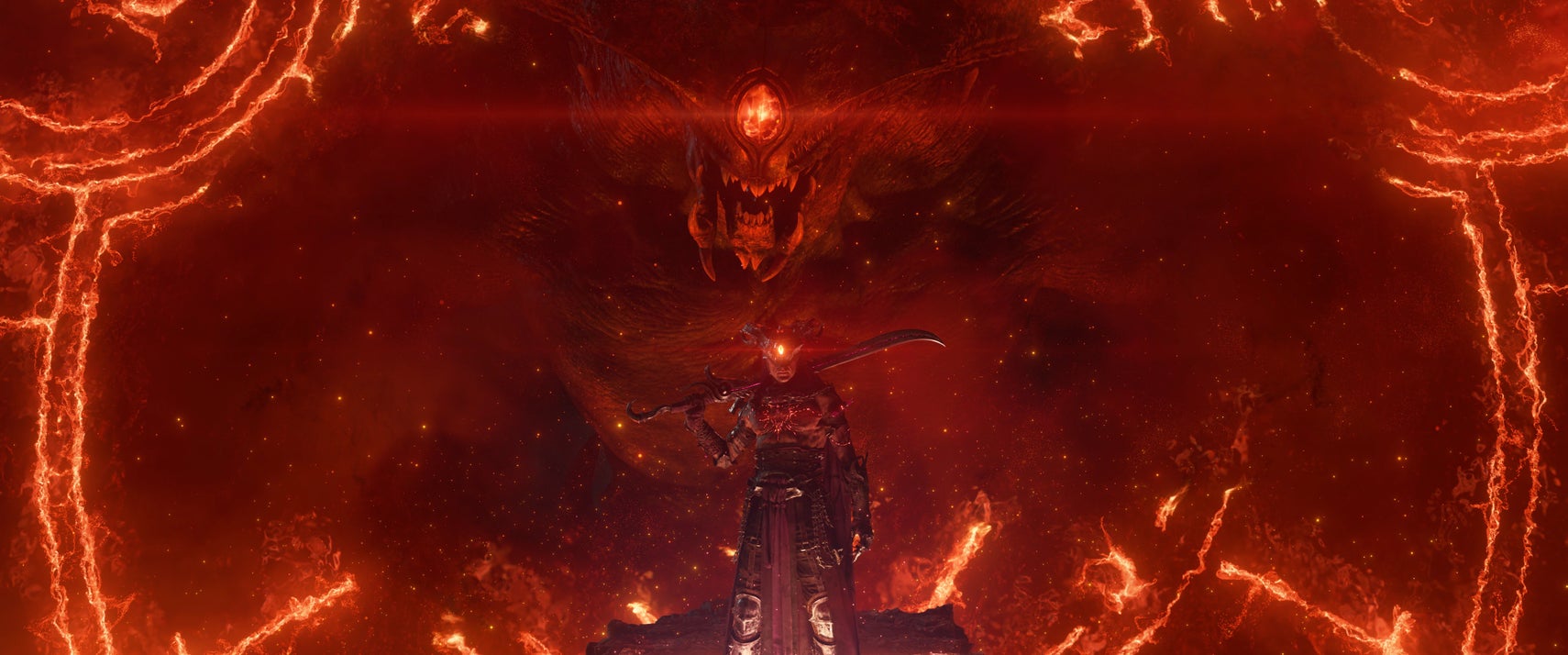
While gameplay footage for the Warlock remains under wraps, anticipation is reaching a fever pitch. Blizzard has confirmed that a dedicated deep-dive livestream is scheduled for March 5, where they will pull back the curtain on the class’s specific skill trees, unique ability synergies, and the lore behind their emergence in the current era of Diablo IV.
Chronology: From Anniversary Spotlight to Expansion Launch
The reveal of the Warlock follows a carefully orchestrated rollout plan for the Lord of Hatred expansion. Here is the timeline of the rollout as it currently stands:
- The Reveal: During the 30th Anniversary Spotlight, the Warlock was officially introduced, following the earlier announcement of the Paladin.
- The Paladin Early Access: Blizzard has already opened early access to the Paladin class for players who have pre-ordered the Lord of Hatred expansion, allowing the community to begin testing the defensive and melee-focused meta.
- The Warlock Wait: Unlike the Paladin, the Warlock will not be playable until the full launch of the Lord of Hatred expansion, which is currently slated for late April.
- The Deep Dive: On March 5, Blizzard will host a broadcast dedicated exclusively to the Warlock, offering the first real look at their animations, combat flow, and specialized gear.
- Expansion Launch: The full release of Lord of Hatred in late April will mark the official integration of the Warlock into the core Diablo IV experience.
Supporting Data: Expansion Features and Endgame Evolution
The Lord of Hatred expansion is not merely a content drop; it is a fundamental shift in the Diablo IV endgame. The expansion centers on the new region of Skovos, a Mediterranean-inspired coastal landscape that serves as the backdrop for the new narrative arc. However, beyond the story, Skovos is being positioned as the primary endgame destination for high-level players.
New Endgame Systems
Blizzard is introducing two pillar mechanics to redefine how players engage with the endgame:

- War Plans: This system allows players to curate their own endgame experience. By creating a custom playlist of up to five activities, players can target specific loot drops and tailor their grinding experience. This system integrates with a new "Activity Tree," which provides a structured sense of progression for all endgame tasks, ensuring that time spent in the game feels consistently rewarded.
- Echoing Hatred: Triggered by a rare lootable item, this event functions as a sophisticated horde mode. Players must defend against unending waves of Mephisto’s minions. While the core concept is familiar, Blizzard has promised "twists" that will keep the encounter unpredictable and challenging, serving as a test of build optimization for the most dedicated players.
Systemic Overhauls
The expansion will also bring universal updates to the game’s core mechanics. Every class will receive expanded skill trees, providing more depth for character customization. Furthermore, the introduction of the Talisman system will allow for complex set-bonus configurations, a long-requested feature that gives players more agency over their power spikes. Finally, the return of the Horadric Cube provides players with unprecedented control over item affixes, allowing for the "min-maxing" of gear to reach a new level of precision.
Cross-Generational Impact: The Reign of the Warlock
In an unprecedented move for the franchise, the Warlock is not being confined to Diablo IV. Blizzard is making the Warlock a "Year of the Warlock" event across three distinct titles:
- Diablo IV: The primary launch platform for the new class.
- Diablo Immortal: The class will be integrated into the mobile experience, likely adjusting its mechanics to fit the faster, more aggressive tempo of Immortal.
- Diablo II: Resurrected: Perhaps the most shocking reveal was the Reign of the Warlock DLC for D2R. This is the first time a new class has been added to Diablo II in 25 years.
The Reign of the Warlock update for D2R is available now and includes more than just the character class. It introduces major quality-of-life improvements, updated Terror Zones, and the "Colossal Ancients" endgame encounter. As a bridge between titles, purchasing the D2R expansion also grants exclusive cosmetic rewards in Diablo IV, incentivizing players to engage with the legacy title to prepare for the future of the series.
Official Responses and Strategic Implications
Blizzard’s decision to bring the Warlock to both the modern Diablo IV and the classic Diablo II: Resurrected indicates a deliberate strategy to unify the community. By anchoring the Diablo brand around a singular thematic identity—the Warlock—Blizzard is attempting to bridge the generational gap between veteran players who cut their teeth on Diablo II and the newer demographic that entered the series with Diablo IV.

The focus on "forbidden knowledge" and the "antihero" archetype is a calculated move to contrast with the high-fantasy tropes often associated with the Paladin. It allows for a more nuanced narrative exploration of the Diablo universe, where the lines between the forces of Light and the minions of Hell are increasingly blurred.
From a design perspective, the integration of the Horadric Cube and the Talisman system suggests that Blizzard is listening to feedback regarding the lack of agency in Diablo IV’s loot system. By reintroducing these beloved mechanics, they are attempting to appease the "hardcore" base that felt the initial itemization of the game was too simplified.
Conclusion: The Path Ahead
As the Lord of Hatred expansion looms, the addition of the Warlock represents the most ambitious content phase in Diablo IV’s history. With a new region, a revolutionary endgame loop, and a class that challenges the moral boundaries of the game’s lore, Blizzard is doubling down on its commitment to evolving the series.
Whether the Warlock will effectively shift the meta and satisfy the cravings of a fanbase demanding more complexity remains to be seen. However, with the March 5 deep dive on the horizon, the community will soon have the answers they need. For now, the message from the 30th Anniversary Spotlight is clear: the forces of Hell are evolving, and players will need to embrace the forbidden if they hope to survive what comes next.