Layla Zulfa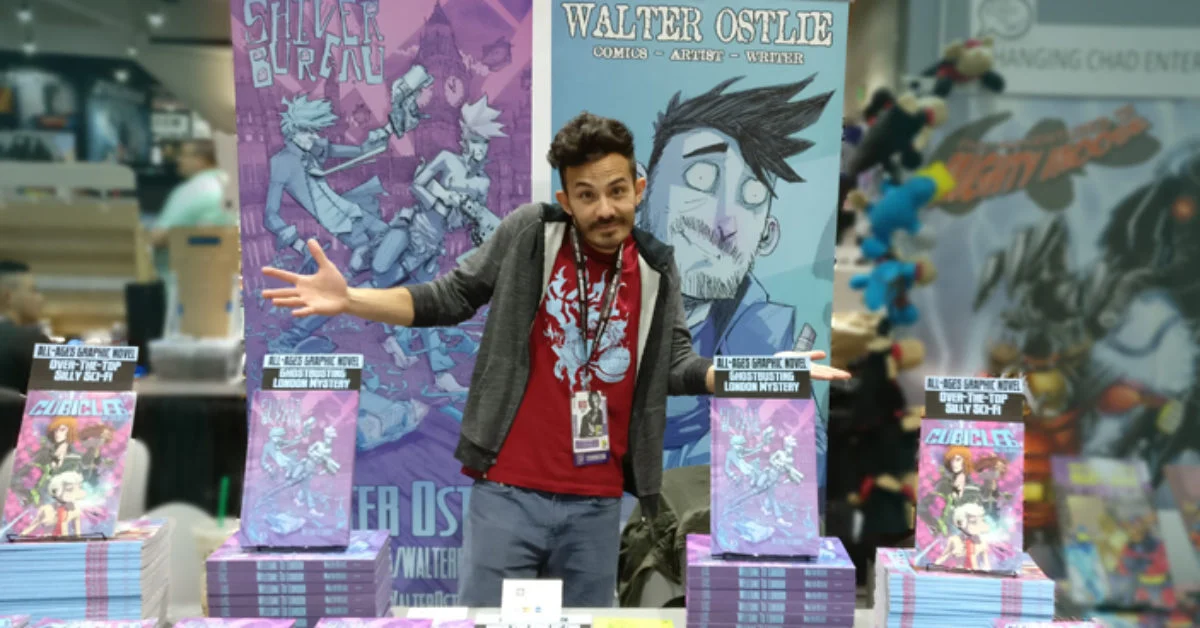
In the rapidly shifting landscape of independent comics, few creators have navigated the transition from traditional print to the digital-first era as effectively as Walter Ostlie. A multi-hyphenate talent—writer, artist, and educator—Ostlie has spent the better part of the last decade carving out a niche that bridges the gap between old-school graphic novel sensibilities and the hyper-accessible, vertical-scroll world of Webtoons. From his humble beginnings teaching himself to draw in 2008 to his current status as a prolific creator of viral hits like Metalshark Bro, Ostlie’s journey serves as a blueprint for the modern independent artist.
A Chronology of Artistic Growth
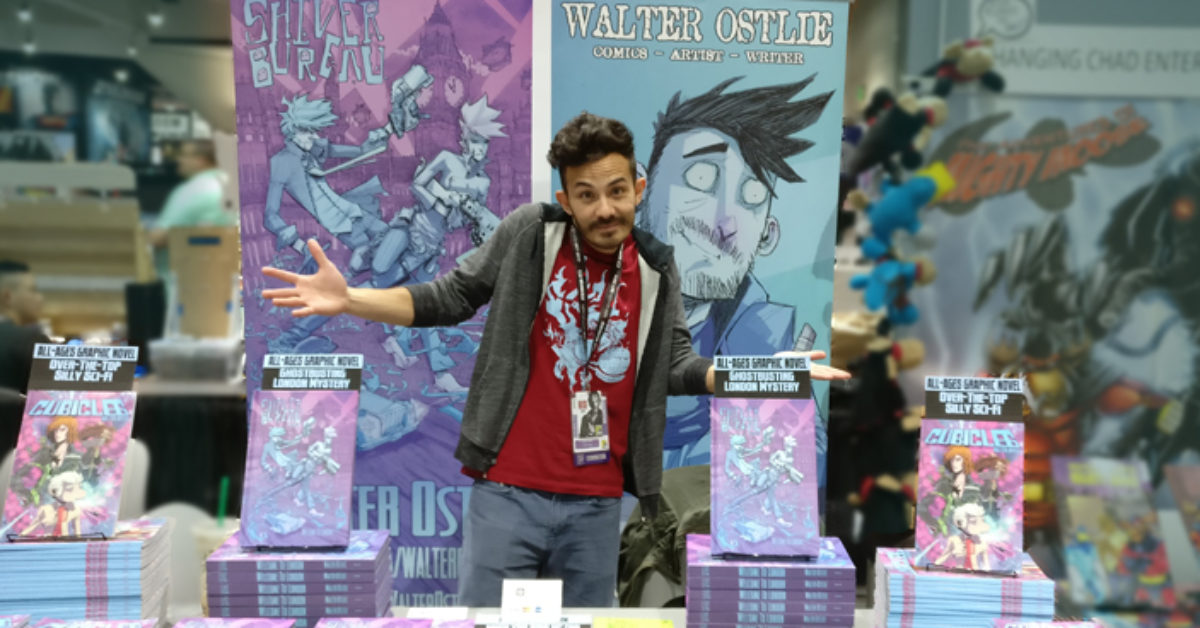
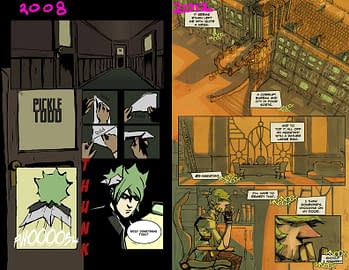
Ostlie’s entry into the industry began with a desire to tell stories. Unlike many of his contemporaries who started with a lifelong dream of illustration, Ostlie began his journey as a writer, teaching himself the mechanics of visual storytelling in 2008. By 2011, he secured his first major professional milestone: the publication of Cubicles via Red5 Comics.
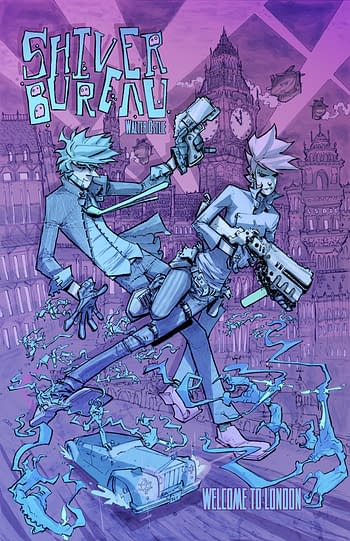
The success of Cubicles provided the momentum necessary for his sophomore project, Shiver Bureau. This series, a supernatural romp through an alternate-history London, became a testament to the power of crowdfunding, raising over $13,000 on Kickstarter. What began as a self-published passion project eventually caught the attention of Scout Comics, which picked it up for wider Diamond distribution, proving that high-quality independent work could bridge the gap to the traditional retail market.
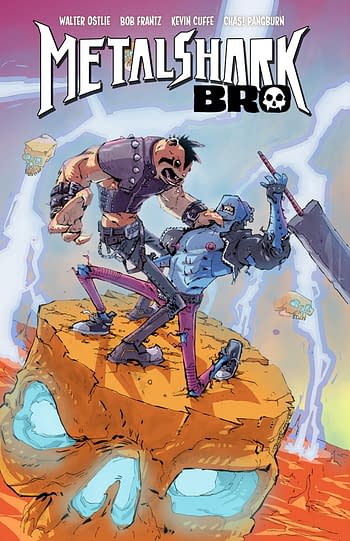
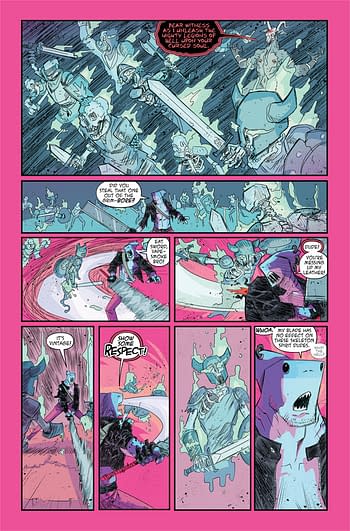
However, the real inflection point in Ostlie’s career occurred when he pivoted toward the burgeoning Webtoon platform. His series Haxor was accepted as a "Featured Webtoon," providing him with the stability to transition from a traditional 9-to-5 career to full-time comic creation in 2017. Following the success of Haxor, he dove into the production of the absurdly popular Metalshark Bro, a project that garnered over $50,000 in crowdfunding and cemented his reputation as a creator who could deliver high-concept, high-octane entertainment.
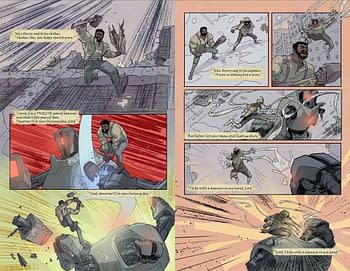
Supporting Data: The Economics of the Digital Pivot
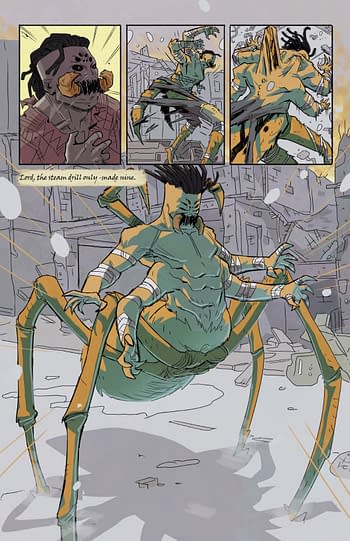
The decision to move away from the traditional publishing model was not merely creative—it was economic. In an interview with fellow creator Greg Anderson Elysee, author of the award-winning Is’nana: The Were-Spider (for which Ostlie served as a lead artist), Ostlie broke down the intense requirements of the Webtoon model.
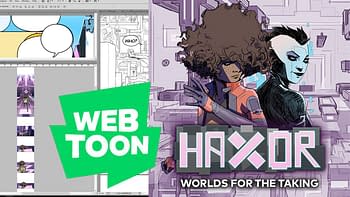
"The schedule for Webtoon is pretty intense," Ostlie explained. "They release a new episode every week. An episode equates to about 6–8 traditional American comic pages… that’s writing, drawing, coloring, and lettering."
The "Originals" program at Webtoon functions similarly to a streaming service like Netflix, where the platform funds creators through a publishing fee while allowing them to retain their intellectual property. This represents a significant departure from the traditional U.S. comic model, where creators often struggle to maintain rights or secure a living wage without the backing of major publishers. For Ostlie, this model provided the bridge needed to become a full-time freelancer, a status he has maintained for three years as of 2020.
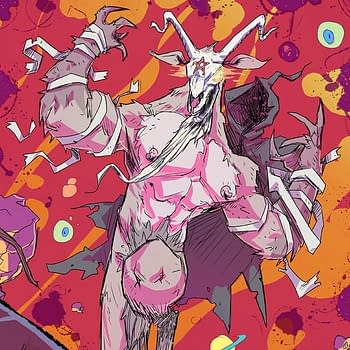
The Art of the "Infinite Scroll"
One of the most fascinating aspects of Ostlie’s career is his adaptability regarding medium. He acknowledges that the transition from print to digital requires a complete "reprogramming" of traditional storytelling instincts.
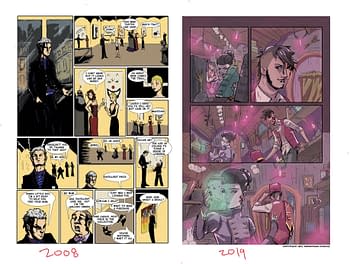
"Working in the Webtoon format is great. It’s an infinite vertical scroll, so I have a ton of room to play with," Ostlie noted. He explains that while traditional splash pages and establishing shots lose their impact in a vertical format, the medium allows for unique character-building opportunities. "I could use ten panels of the same face, slowly changing the expression from confusion to horror if I wanted. Which really allows for a lot of character building."
This flexibility has clearly influenced his artistic style. By his own admission, his style has evolved as a byproduct of necessity. Working full-time while holding a day job forced him to optimize his workflow, leading to a style that is both highly stylized and incredibly efficient. "Stuff that would have taken me a few hours to draw, I can now draw in 30 minutes," he said, emphasizing that his growth hasn’t been in "art skill" alone, but in the technical mastery of the comic-making obstacle course.
Official Perspectives: The Philosophy of the Creator
Throughout his career, Ostlie has maintained a focus on mentorship and community. His YouTube channel, which boasts thousands of subscribers, serves as a hub for aspiring creators who find the technical side of the industry daunting.
"People are overwhelmed by the technical stuff," Ostlie said when asked about the impetus for his video content. "I wanted to approach the technical and more mundane stuff. Take away that stress so people could focus on their stories."
His advice for budding creators is rooted in open communication. He stresses that the relationship between a writer and an artist is delicate. Whether it is collaborating with Greg Anderson Elysee on the Is’nana crossover or working with Bob Frantz and Kevin Cuffe on Metalshark Bro, Ostlie emphasizes the importance of a "shared vision." He argues that when the vision is misaligned, the "translation" from script to page becomes the hardest part of the job.

Implications for the Future of Comics
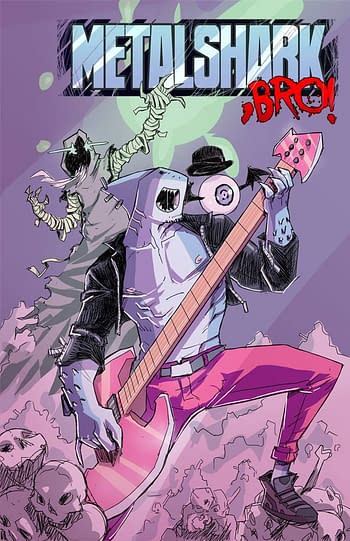
The success of Metalshark Bro—a project that defies conventional logic by being a story about a "shark man-killing possessed donuts"—highlights a shift in consumer behavior. Readers are increasingly drawn to "fun, ridiculous, and completely stupid" narratives that offer a break from the gritty, over-serious tone of traditional superhero fare.
As for what lies ahead, Ostlie is tight-lipped. Having just signed contracts for a major new project, he has pledged to refrain from new freelance work for at least a year. His focus remains on his own internal "engine," which requires careful maintenance to avoid burnout. Despite his success, he remains humble, viewing his compulsion to create not as some high-minded artistic calling, but as a "mundane part of what I am," akin to breathing.
For those looking to support his work, Ostlie’s official portal, Walterostlie.com, remains the primary hub for his graphic novels, webcomic updates, and instructional content.
Summary of Key Takeaways
- Adaptability: Ostlie successfully transitioned from traditional print media to the Webtoon platform, demonstrating that creators must be willing to change their storytelling format to meet modern distribution standards.
- Economic Independence: The Webtoon "Originals" model provides a viable alternative to traditional publishing, allowing for creator-owned IP and steady funding.
- The Workflow Paradox: As artists become more efficient, their style often becomes more stylized. For Ostlie, the need to work quickly led to a more confident and unique aesthetic.
- Collaboration: Successful comics are built on clear, open communication between writers and artists, ensuring that the "vision" is clearly translated into the final product.
As the industry continues to evolve, the career of Walter Ostlie stands as a reminder that with the right mix of technical discipline, platform awareness, and a willingness to embrace the absurd, a full-time career in comics is not only possible but increasingly accessible to those who are willing to do the work. Whether he is drawing giant, demonic sharks or complex supernatural dramas, Ostlie’s commitment to the craft ensures he will remain a figure to watch in the years to come.

 Iffa Jayyana
 Nana Muazin