In an era dominated by artificial intelligence, cloud-based networking platforms, and digital contact sharing, one might assume the humble physical business card is nearing extinction. Yet, the tactile exchange of a well-designed card remains a cornerstone of professional networking. While AI can now generate millions of design variations in seconds, the demand for high-quality, fully editable, and professional-grade Photoshop (PSD) templates has never been higher.
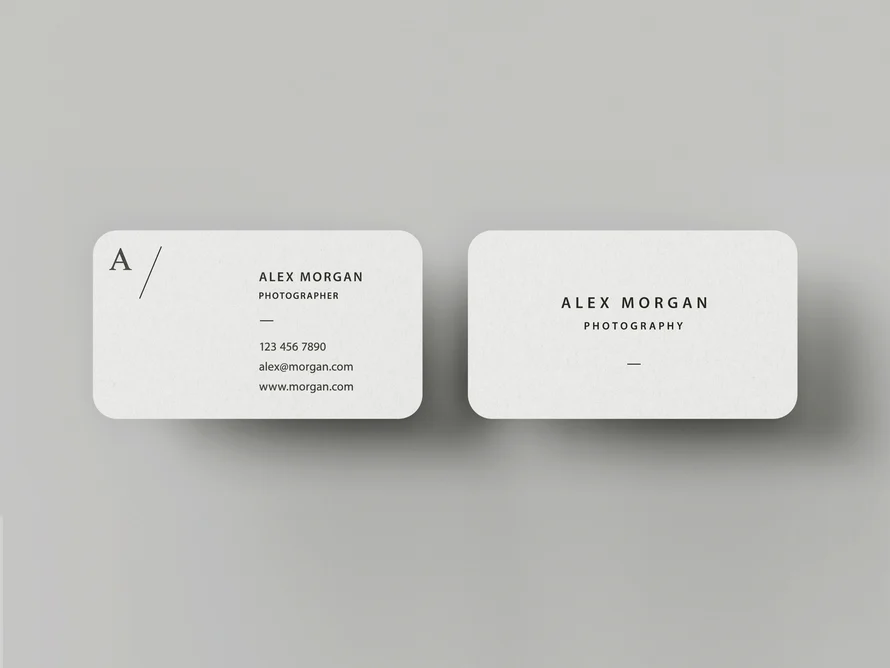
To bridge the gap between AI-assisted convenience and the professional necessity for customization, Graphic Design Junction (GDJ) has released a new, free-to-use business card template. This move highlights a growing trend: designers and business owners are increasingly seeking "human-in-the-loop" assets—templates that provide a professional foundation while allowing for the nuanced, creative control that only manual editing in software like Adobe Photoshop can provide.
The Evolution of Networking: Why Physical Still Matters
Despite the rise of virtual business cards and QR code-based contact exchange, the physical business card occupies a unique psychological space in modern commerce. It is not merely a data transfer tool; it is a physical manifestation of a brand’s identity. When a potential client or partner receives a professionally printed card, they are interacting with the brand’s aesthetics—its texture, color palette, and layout.

The Human Element in Design
While generative AI can produce breathtaking visuals, it often struggles with the precision required for print-ready file structures. Professional designers understand the importance of bleed margins, CMYK color profiles, and organized layer structures—technical details that are often overlooked by automated systems. This is why the latest offering from GDJ, created by designer Yasir Jawaid, serves as a crucial resource for students, freelancers, and small business owners who require a clean, editable, and reliable starting point.
Chronology of the Business Card: From Aristocratic Tradition to Digital Essential
The business card’s history is a fascinating study of networking evolution.
- The 17th Century: Known as "trade cards," these served as advertisements for businesses in London and Paris, helping people find merchants in an era before standardized street numbering.
- The 18th & 19th Centuries: The "visiting card" became an essential tool of the aristocracy. It was a formal introduction, often left with a servant to announce a caller’s arrival.
- The 20th Century: As the corporate world expanded, the business card became the standard currency of professional connection. It transitioned from a social etiquette tool to a vital marketing asset.
- The 21st Century: The rise of digital platforms introduced apps like LinkedIn and NFC-enabled cards. However, rather than replacing the paper card, these technologies have forced the physical card to evolve into a more "premium" experience. High-quality paper stocks, embossing, and minimalist design have replaced the cluttered information-heavy cards of the past.
Today, the release of high-quality PSD templates reflects a market that values the customizable asset—the ability to take a template and make it truly "yours" before heading to the print shop.

Supporting Data: The Impact of Quality Design on Brand Perception
Data from various industry studies suggests that the quality of a business card directly influences how a brand is perceived in the first 30 seconds of an interaction.
- Retention: According to industry reports, cards that feature clean, minimalist design—much like the new GDJ template—are kept for up to five times longer than generic or overly cluttered alternatives.
- Professionalism: 72% of respondents in a recent small business survey stated they were more likely to trust a service provider who presented a cohesive, well-designed physical card.
- The "Tactile Effect": Research into cognitive psychology shows that the brain creates a deeper memory connection when handling physical objects compared to reading information on a screen. A high-quality business card acts as a physical memory trigger, linking the person met to the business they represent.
Implications for Freelancers and Emerging Brands
For freelancers and new brands, the barrier to entry for professional marketing materials has historically been cost. Hiring a high-end graphic designer for a simple business card can cost hundreds of dollars. The availability of professional-grade, free-to-use PSD files democratizes this process.
The Role of Customization
The GDJ template allows for total control over text, typography, color schemes, and logo placement. This is critical because branding is not a static concept. As a brand evolves, so must its collateral. Using a template that is fully editable in Photoshop ensures that a business can scale its identity as it grows. It allows the user to avoid the "cookie-cutter" look of mass-produced automated templates while maintaining a high standard of design excellence.

Professional Response and Industry Utility
The design community has largely welcomed the release of such resources. Muhammad Faisal, founder of Graphic Design Junction, notes that the goal of providing these assets is to foster creativity without the burden of "starting from an empty page."
"Design should be accessible," Faisal states. "By providing a structured, high-quality PSD file, we are giving designers and entrepreneurs a shortcut to professional results, allowing them to focus their energy on the core of their business rather than the technical minutiae of layout design."
The template is provided under a permissive license that allows for both commercial and non-commercial usage, with the simple requirement of crediting the original source. This model supports the growth of small businesses by reducing overhead costs while ensuring that high-design standards remain the norm in the marketplace.

How to Effectively Use Your New Template
To get the most out of the GDJ business card template, users should follow a few best practices for print preparation:
- Typography Choice: While the template provides a clean layout, ensure the fonts you choose align with your brand voice. Use bold, sans-serif fonts for a modern, tech-forward look, or elegant serifs for a traditional, authoritative feel.
- Color Accuracy: Always ensure your Photoshop file is set to CMYK color mode before sending it to the printer. RGB is for screens; CMYK is for ink.
- The "Less is More" Rule: Use the template to simplify. A business card is not a brochure. Include only the essentials: Name, Title, Phone Number, Email, and Website.
- Paper Quality: Once the design is finalized, do not skimp on printing. A great design printed on flimsy, low-quality paper will undermine your brand. Consider a heavy cardstock (at least 350gsm) for the best result.
Conclusion: The Future of the Physical Asset
As we look toward the future, the integration of digital and physical assets will only deepen. We are already seeing "smart" business cards that combine traditional printing with NFC chips. However, the foundational design work—the layout, the typography, and the visual hierarchy—remains a purely creative endeavor.
Tools like the GDJ business card template are not just freebies; they are essential building blocks for modern professional identity. They offer a perfect middle ground: the efficiency of a template with the soul of a custom design. Whether you are a student preparing for your first job fair, a freelancer networking at a conference, or a small business owner looking to refresh your image, these resources ensure that your first impression is both professional and memorable.

As technology continues to advance, the value of the human touch—the intentional design of a piece of paper handed across a desk—will likely remain an irreplaceable component of the business world. Start your design journey today by downloading the template, refining the layers, and printing a card that truly represents your vision.
For more design resources, including fonts, mockups, and expert insights, visit Graphic Design Junction.