Asep Darmawan
For a decade, the world watched three children grow into adults under the intense, global spotlight of the Harry Potter film franchise. From 2001 to 2011, Daniel Radcliffe, Rupert Grint, and Emma Watson became the faces of a generation, navigating the pressures of unprecedented fame while filming one of the most successful cinematic sagas in history. As the final credits rolled on Harry Potter and the Deathly Hallows – Part 2, the industry and the public alike faced a lingering question: Could these actors successfully transition into independent, mature careers, or would they be forever defined by the halls of Hogwarts?
For Emma Watson, the answer came in the form of a quiet, critically acclaimed period piece that proved she was ready to step out of the shadow of Hermione Granger. Her first post-Potter role, a supporting turn in the 2011 film My Week with Marilyn, served as a pivotal bridge between her childhood superstardom and her emergence as a versatile, selective adult performer.
The Foundation: A Decade of Magic
The Harry Potter series was a singular phenomenon. It required its young leads to dedicate their most formative years to a studio-slick, high-pressure production environment. While the cast remained remarkably consistent, the transition from the whimsical tone of The Sorcerer’s Stone to the grim, high-stakes atmosphere of the finale demanded an evolution in acting ability that Watson, Radcliffe, and Grint largely met with poise.
However, the "Potter curse"—the fear that child actors will be typecast or burn out—was a genuine concern for critics and fans. Following the conclusion of the series, Watson’s trajectory was closely scrutinized. She didn’t rush into another blockbuster franchise; instead, she chose a path defined by artistic curiosity and a commitment to quality over quantity.
The Pivot: My Week with Marilyn
Released in 2011, My Week with Marilyn was the perfect antithesis to the high-fantasy spectacle of Harry Potter. Directed by Simon Curtis, the film was based on the memoir of Colin Clark, who worked as a production assistant on the 1956 film The Prince and the Showgirl, starring Laurence Olivier and Marilyn Monroe.
In the film, Eddie Redmayne (who would later go on to lead the Fantastic Beasts franchise) stars as the wide-eyed Colin Clark. Watson plays Lucy, a wardrobe assistant and Clark’s romantic interest. The character arc for Lucy is subtle but grounded: she is the pragmatic observer, witnessing the man she is interested in becoming hopelessly infatuated with the legendary, enigmatic, and deeply troubled Marilyn Monroe, played by Michelle Williams.
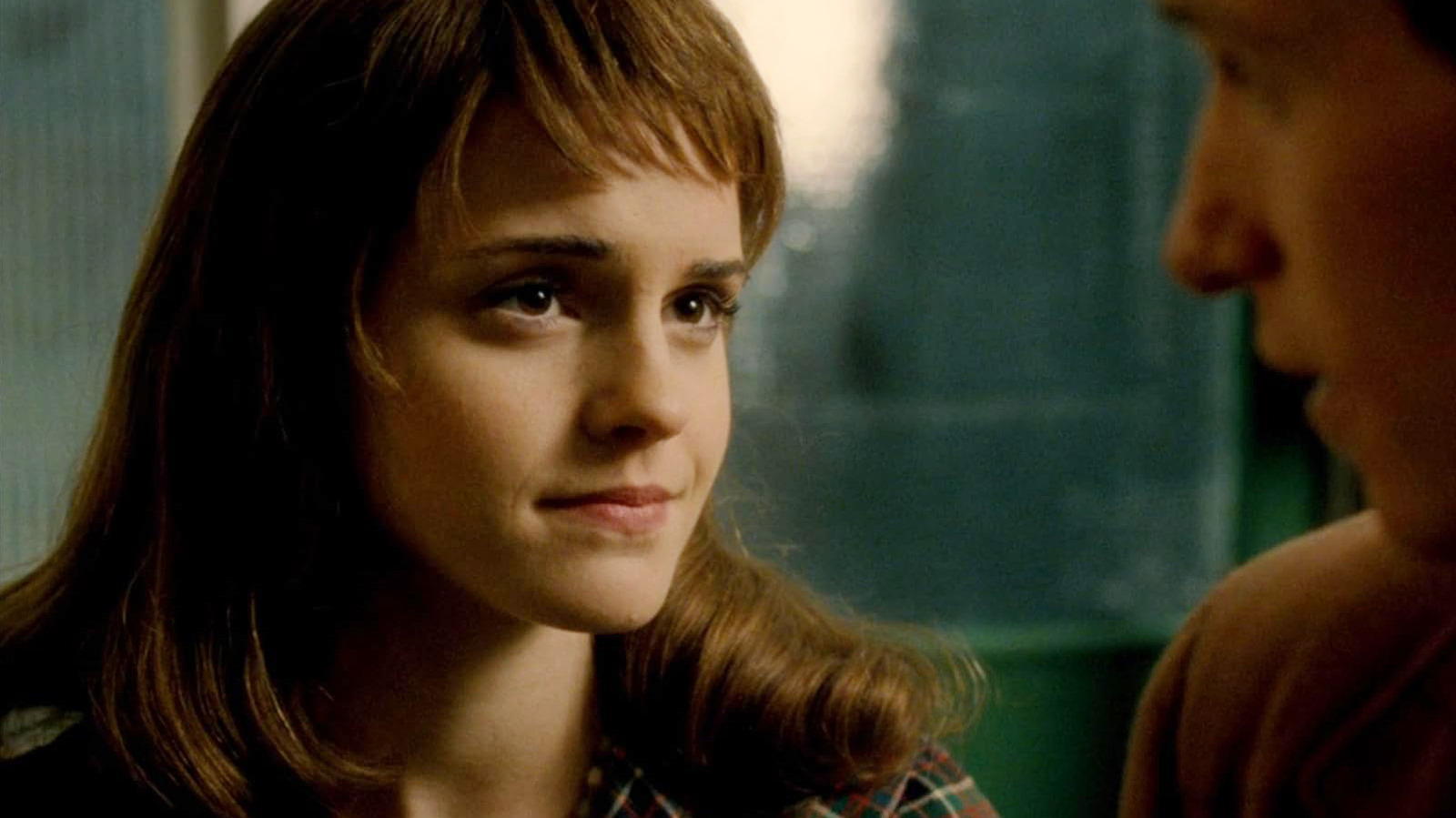
Though Watson’s role was not the lead, it was a strategic choice. By stepping into a supporting role in an ensemble period drama, Watson demonstrated a willingness to be part of a larger cinematic tapestry rather than the center of the universe. The film was a critical darling, securing two Academy Award nominations for acting (Williams and Kenneth Branagh), which validated Watson’s decision to pursue prestige projects over easy paychecks.
Chronology of an Evolving Career
Following her debut in My Week with Marilyn, Watson’s resume became a masterclass in diverse genre selection. She avoided the trap of repeating her previous success, opting instead for roles that challenged her public persona.
- 2012: Watson took on a lead role in Stephen Chbosky’s The Perks of Being a Wallflower. Her performance as Sam was widely praised, proving she could anchor a coming-of-age drama and successfully shed the "Hermione" mantle in the eyes of a global audience.
- 2013: She embraced darker, more satirical work in Sofia Coppola’s The Bling Ring, a film based on the true story of a group of fame-obsessed teenagers who burglarized celebrity homes. The role allowed her to play against type, exploring the vacuous side of celebrity culture.
- 2013: In a display of self-aware humor, Watson appeared in the meta-comedy This Is the End, playing a version of herself and further distancing her image from the magical realm of her past.
- 2014: She ventured into epic territory with Darren Aronofsky’s Noah, starring alongside Russell Crowe and Jennifer Connelly, showcasing her ability to handle large-scale, high-intensity drama.
- 2017: Watson returned to the spotlight in a massive way as Belle in Disney’s live-action Beauty and the Beast. While this was a return to the "blockbuster" scale, it emphasized her growth as a musical performer and a feminist icon, a narrative she had been building throughout her career.
- 2019: She reunited with Greta Gerwig for the celebrated adaptation of Little Women, playing Meg March. The project remains one of her most critically lauded performances to date, cementing her status as a serious dramatic actor.
Implications: The "Caged" Actor and the Search for Autonomy
Despite her success, the path of a former child star is rarely without personal cost. In a candid 2023 interview with the Financial Times, Watson reflected on her time in the industry, admitting that she often felt "caged."
"I wasn’t very happy, if I’m being honest," she revealed. "I think I felt a bit caged." Watson noted that the cycle of press junkets and the expectation to act as a moral arbiter for her characters became exhausting. The pressure to constantly defend or explain her choices, combined with the loss of anonymity, contributed to a desire to step away from the traditional Hollywood machine.
This disillusionment offers a significant implication for how the industry treats young talent. Watson’s shift toward activism, higher education, and, more recently, business ventures—such as her involvement in her family’s Renais Gin brand—shows a conscious effort to reclaim her identity outside of the lens.
A New Chapter
While Watson has significantly reduced her film output to focus on personal growth and business ventures like Renais, she has not officially retired. Her comments in the Financial Times left the door wide open: she would return to acting for the "right role."
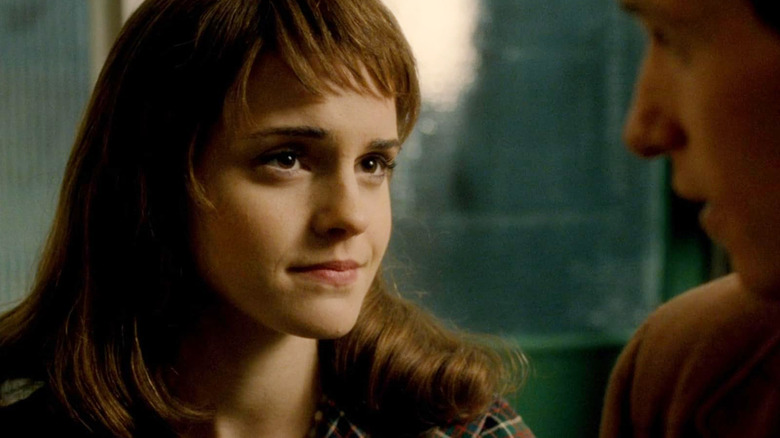
The industry, however, has evolved alongside her. The success of My Week with Marilyn wasn’t just a career stepping stone for Watson; it was a testament to the fact that talent, when handled with discernment, survives the transition from childhood stardom to adult professional life.
For fans of the actor, the lesson remains clear: whether she is in front of the camera or managing a gin distillery, Emma Watson’s career is defined by the same agency and intelligence that made her an icon in the first place. She proved that one can exit the wizarding world and still craft a life that is entirely their own—no magic wand required.
Supporting Data: Critical Reception
The success of Watson’s post-Potter career is evidenced by the consistent critical acclaim of her choices:
| Film | Role | Critical Sentiment |
|---|---|---|
| My Week with Marilyn | Lucy | Praised for period authenticity. |
| The Perks of Being a Wallflower | Sam | Widely considered her breakout dramatic performance. |
| The Bling Ring | Nicki | Noted for its daring, satirical edge. |
| Beauty and the Beast | Belle | Massive box-office success; redefined a classic. |
| Little Women | Meg | Part of an Academy Award-winning ensemble. |
Conclusion
Emma Watson’s journey from the halls of Hogwarts to the red carpets of Oscar-nominated films serves as a blueprint for longevity in an industry that frequently discards its child stars. By choosing projects like My Week with Marilyn—which prioritized atmosphere, history, and ensemble acting over the pressures of leading a blockbuster—she established the parameters of her own career. Today, her life outside of acting is a testament to her desire for authenticity. Whether or not she returns to the screen, her legacy as an actor who carefully curated her own growth remains secure.


 Nana Wu
 Siti Muinah