

At the heart of Walt Disney World’s Magic Kingdom, the illusion of eternal youth is not merely a marketing slogan—it is a rigorous, nightly engineering discipline. Every morning, thousands of guests walk down Main Street, U.S.A., expecting a pristine experience, never pausing to consider the mechanical theater that played out hours earlier. While the world sleeps, a small, highly specialized army of engineers, mechanics, and technicians works in the shadows, executing complex overhauls to ensure that rides—some over half a century old—perform with the reliability of brand-new machinery.
The Myth of "Always Been There"
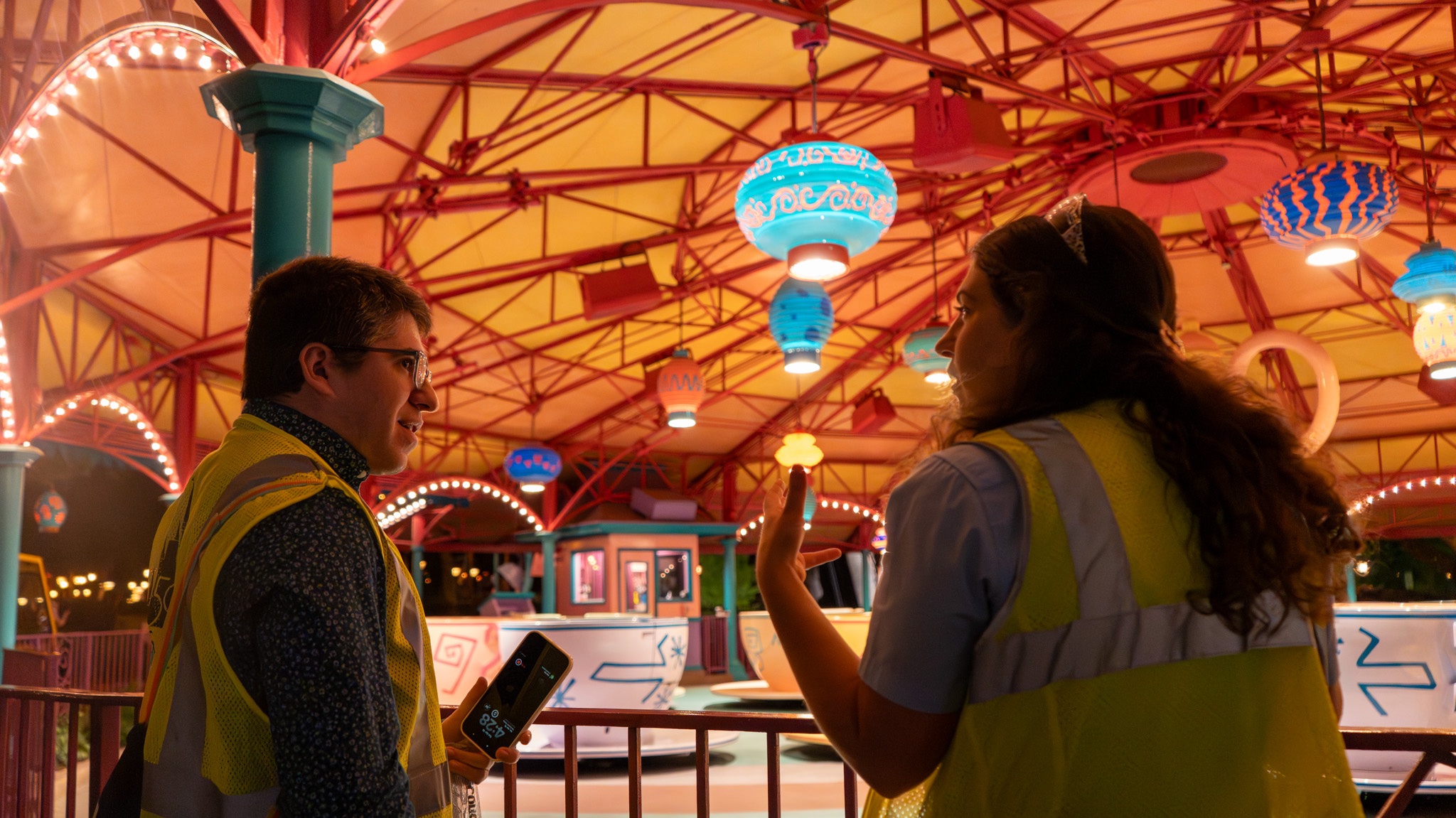
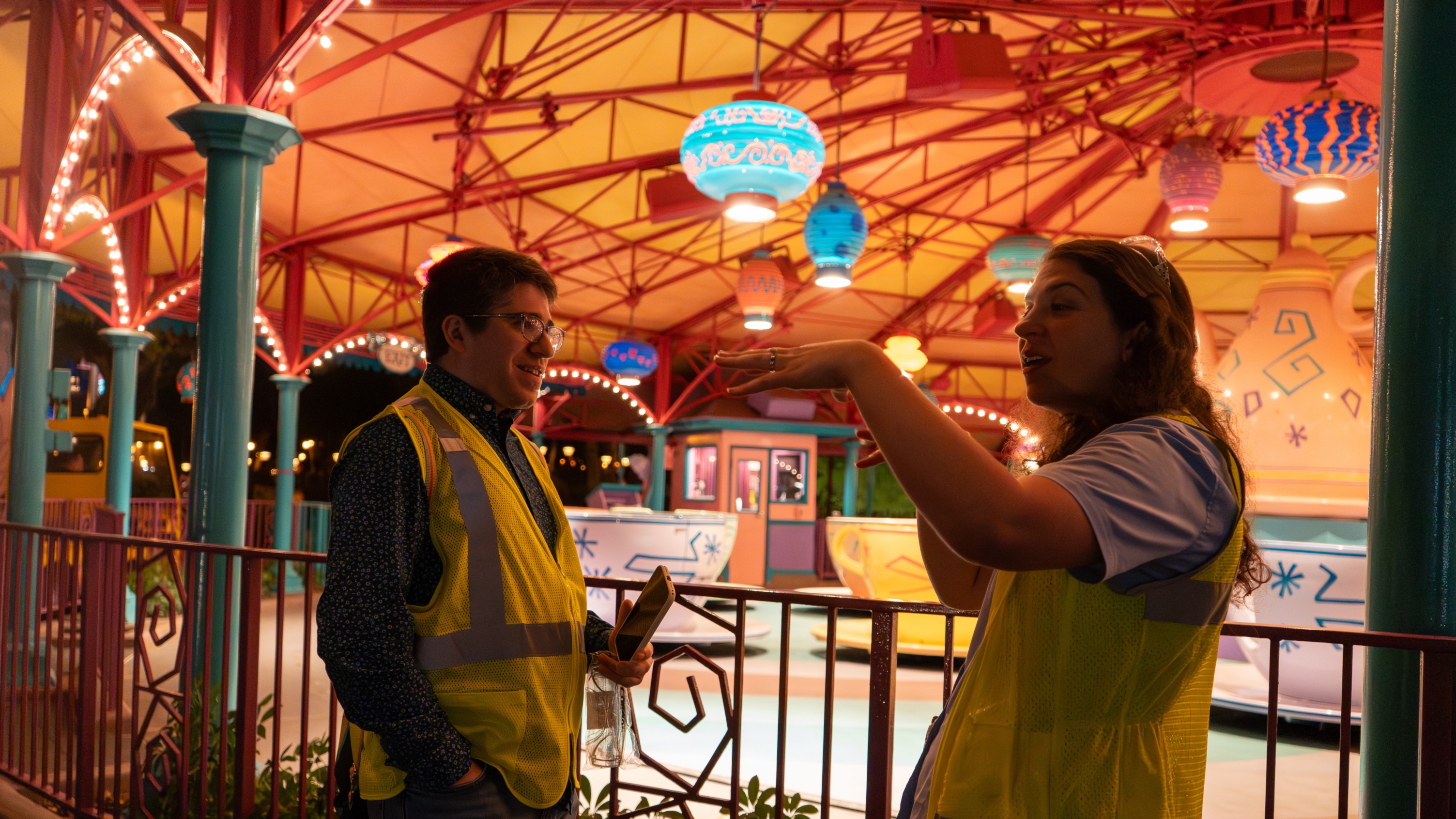
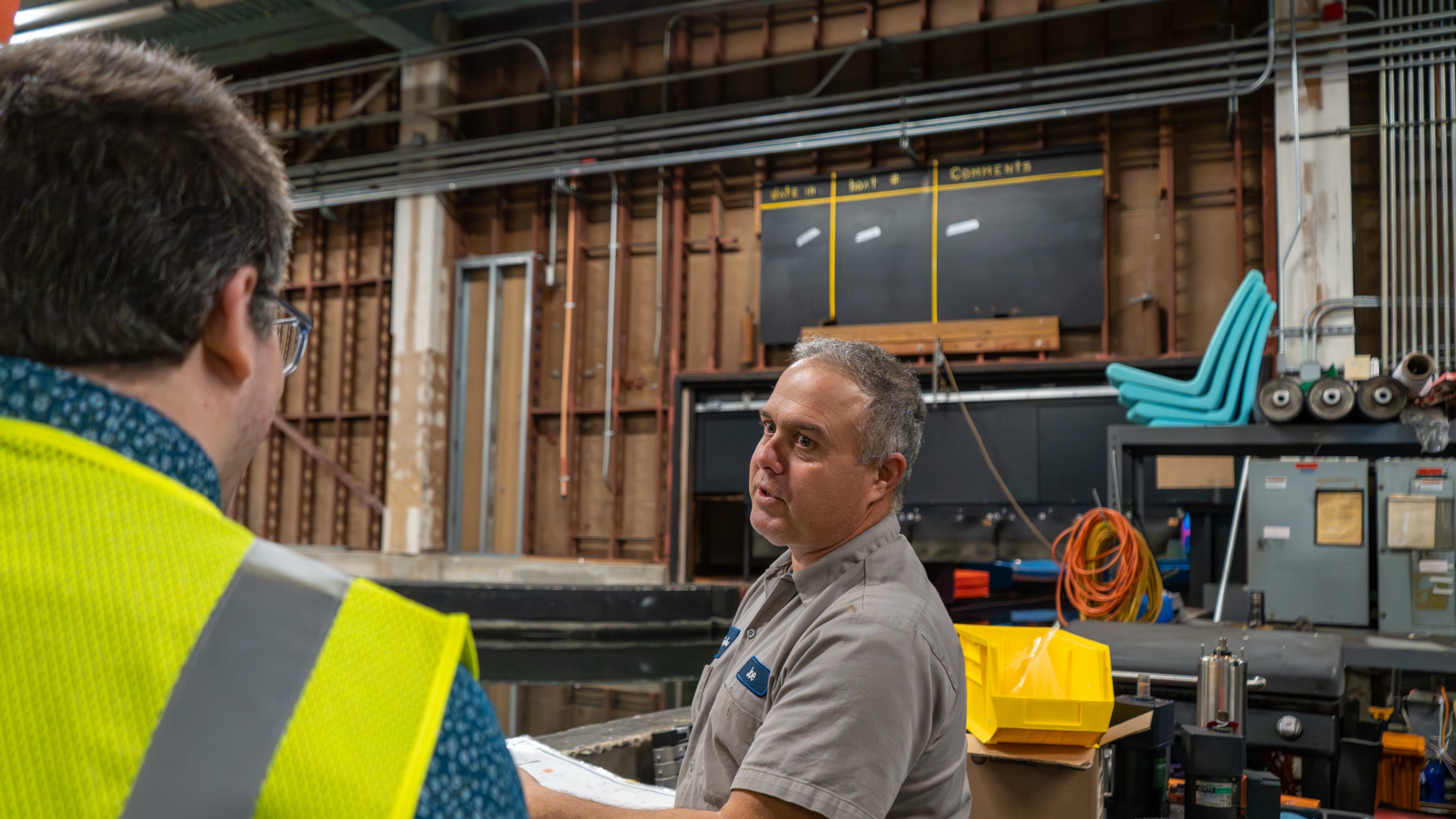
For the average park-goer, the attraction experience is seamless. A ride like the Mad Tea Party appears as a colorful, unchanging fixture of Fantasyland. However, the reality is a constant, rhythmic cycle of deconstruction and restoration. On a rare, exclusive behind-the-scenes tour granted to TechRadar, the veil was lifted, revealing a world of cranes, heavy-duty software patching, and industrial-grade maintenance.
The paradox of Disney maintenance is the requirement for "invisible labor." When a massive bearing needs replacement on a spinning turntable, it cannot be done during park hours. It requires a crane, massive flatbed trucks, and a precision-timed operation that must vanish before the first guest enters the park at 7:00 AM.
"I’m super proud of my team," says McLaughlin, a key leader in the engineering division. "You come by at 6:00 AM, and everything is cleared out. You would have no idea that twenty-four hours earlier, we had a crane lifting the ride’s floor to reach the drive components."
Chronology of the Third Shift: A Race Against the Sun
The life of a Disney attraction is dictated by a strict temporal loop. The park closes, and the "Third Shift" begins its silent assault on wear and tear.
1. The Lockdown (The RMP Protocol)
Before any technician touches a component, they engage in the "Ride Motion Protection" (RMP) protocol. This is the cornerstone of Disney’s safety culture. Each technician applies a personal physical lock to the attraction’s Emergency Stop (E-stop) mechanism and registers their ID on a centralized board. This ensures that the machinery remains inert until every single person has checked out. It is a slow, methodical process that prioritizes human safety over the speed of repair.
2. The Heavy Lift
Following the RMP, the actual maintenance begins. In the case of the Mad Tea Party, this might involve accessing the "back-of-show" areas—the industrial underbelly of the park. Technicians remove floor hatches to inspect rotating platforms that must maintain three simultaneous axes of spin. They aren’t just cleaning; they are monitoring vibration levels, analyzing gearbox oil, and inspecting structural integrity to prevent failure before it happens.
3. The Digital Refinement
While the older rides rely on physical indicator lights and laminated checklists, modern integration is everywhere. Technicians now perform nightly software updates on newer attractions like the Seven Dwarfs Mine Train. This involves uploading updated PLC (Programmable Logic Controller) logic, running test cycles, and calibrating sensors to ensure that the ride’s "intelligence" is as sharp as its mechanical components.
4. The Morning Reset
As dawn approaches, the cleanup phase begins. Tool carts are rolled back to staging areas, protective covers are replaced, and the site is scrubbed of all evidence. By 6:45 AM, the "show-ready" call is issued. The audio systems hum to life, the LED canopies of rides like TRON Lightcycle / Run ignite, and the park is once again a pristine fantasy.
Supporting Data: Engineering for Reliability
Disney’s strategy for maintenance is not "fix it when it breaks"; it is a proactive, data-driven methodology. The goal is to move from reactive maintenance to predictive maintenance.
- Vibration Analysis: By monitoring the vibration of bearings and drive motors, engineers can identify a developing failure weeks before it occurs, allowing for scheduled, non-disruptive repairs.
- Redundancy as a Core Design: Disney purposefully builds redundancy into its newer attractions. For instance, Soarin’ at EPCOT was expanded to include a third theater, allowing the park to take one theater offline for maintenance while keeping the attraction running at 66% capacity. Similarly, Dumbo at Storybook Circus operates as two separate, mirrored ride systems.
- Auto-Lubrication Systems: By automating the lubrication process, Disney has removed the need for technicians to work under moving equipment, simultaneously extending the life of mechanical components and increasing worker safety.
Official Perspectives: The Philosophy of "Show-Ready"
The engineering team at Disney maintains a unique standard they call "Show-Ready." This implies more than just mechanical safety; it implies that the guest experience must match the creative intent of the original Imagineers.
When the original technical documentation for a 54-year-old animatronic is missing or outdated, the team often turns to archival footage. They watch decades-old park videos to analyze how a figure’s arm or head moved in 1971. This dedication to historical accuracy, combined with modern welding and hydraulic repair techniques, ensures that the character performing today is the same one guests fell in love with half a century ago.
"So much of Fantasyland is about relying on your gut, your experience with this ride," McLaughlin explains. "That is a skill set. You have to have real expertise and experience in your field to be successful in these attractions."
Implications for the Future: Evolving the Experience
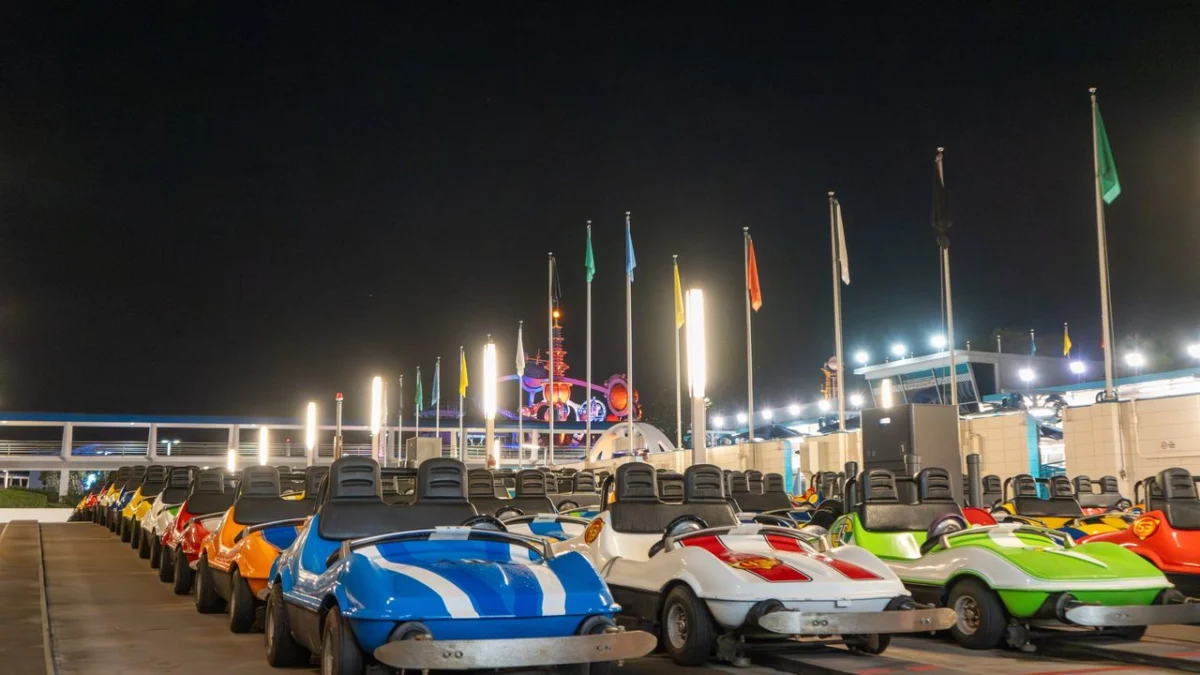
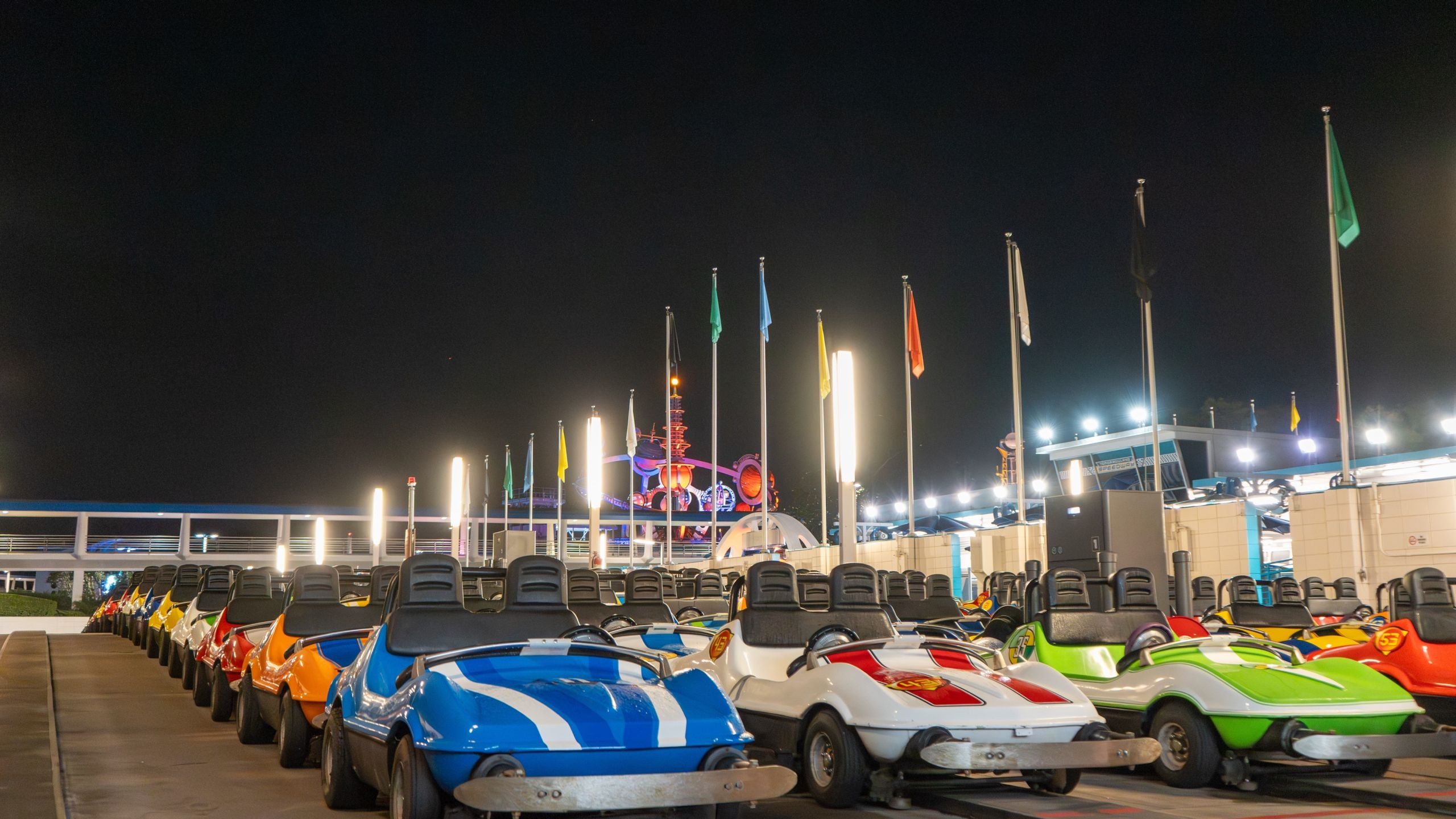
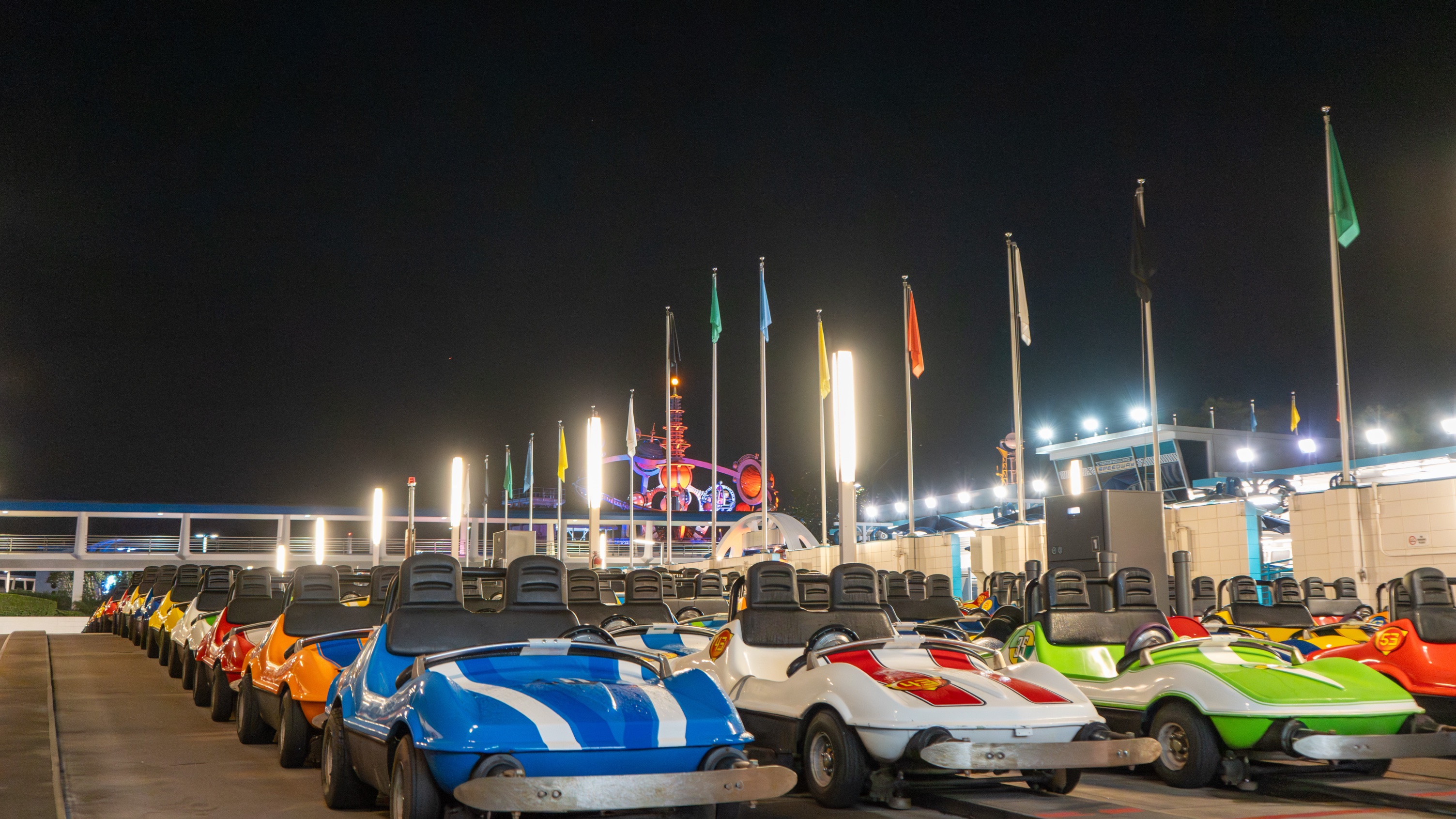
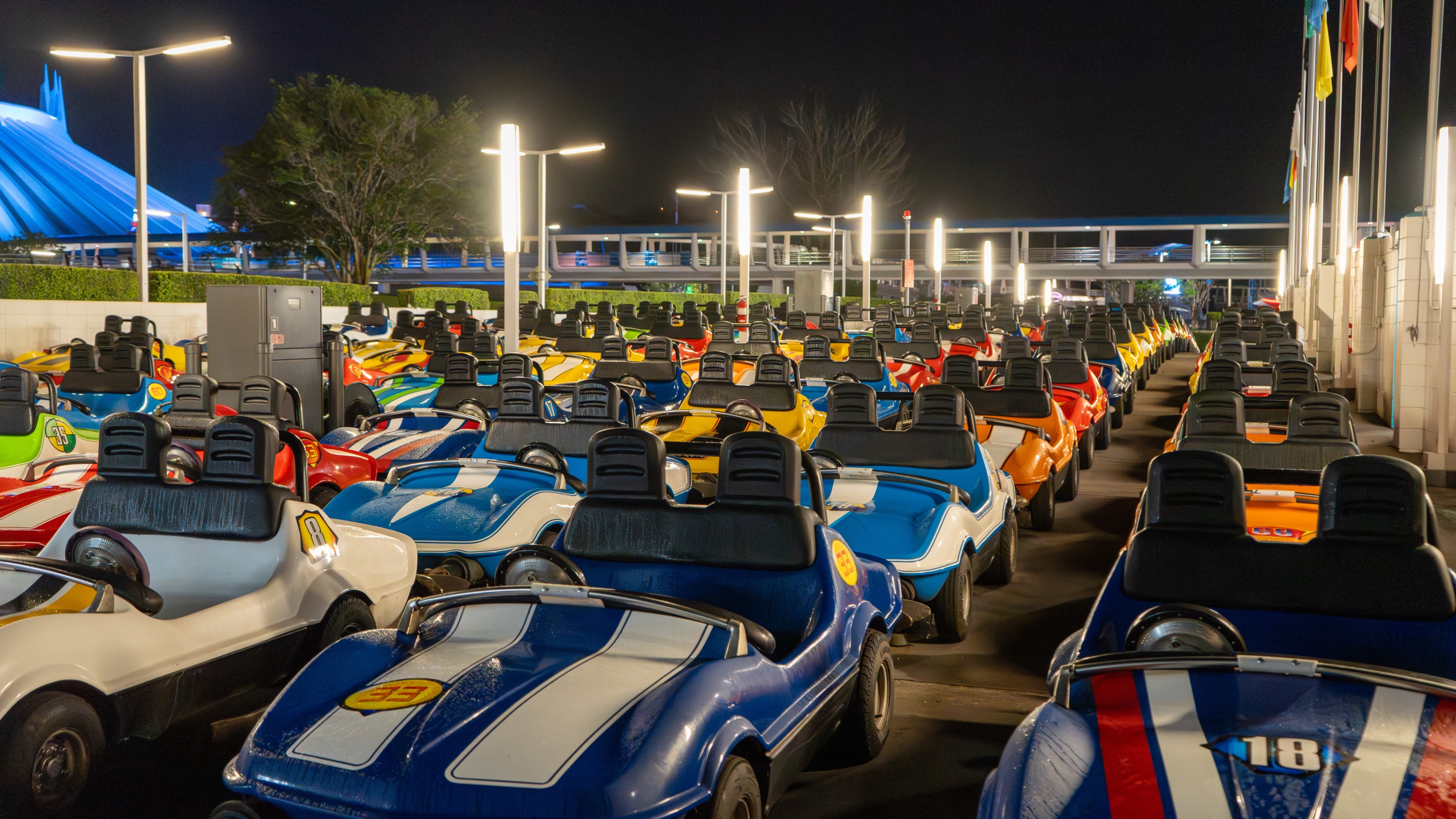
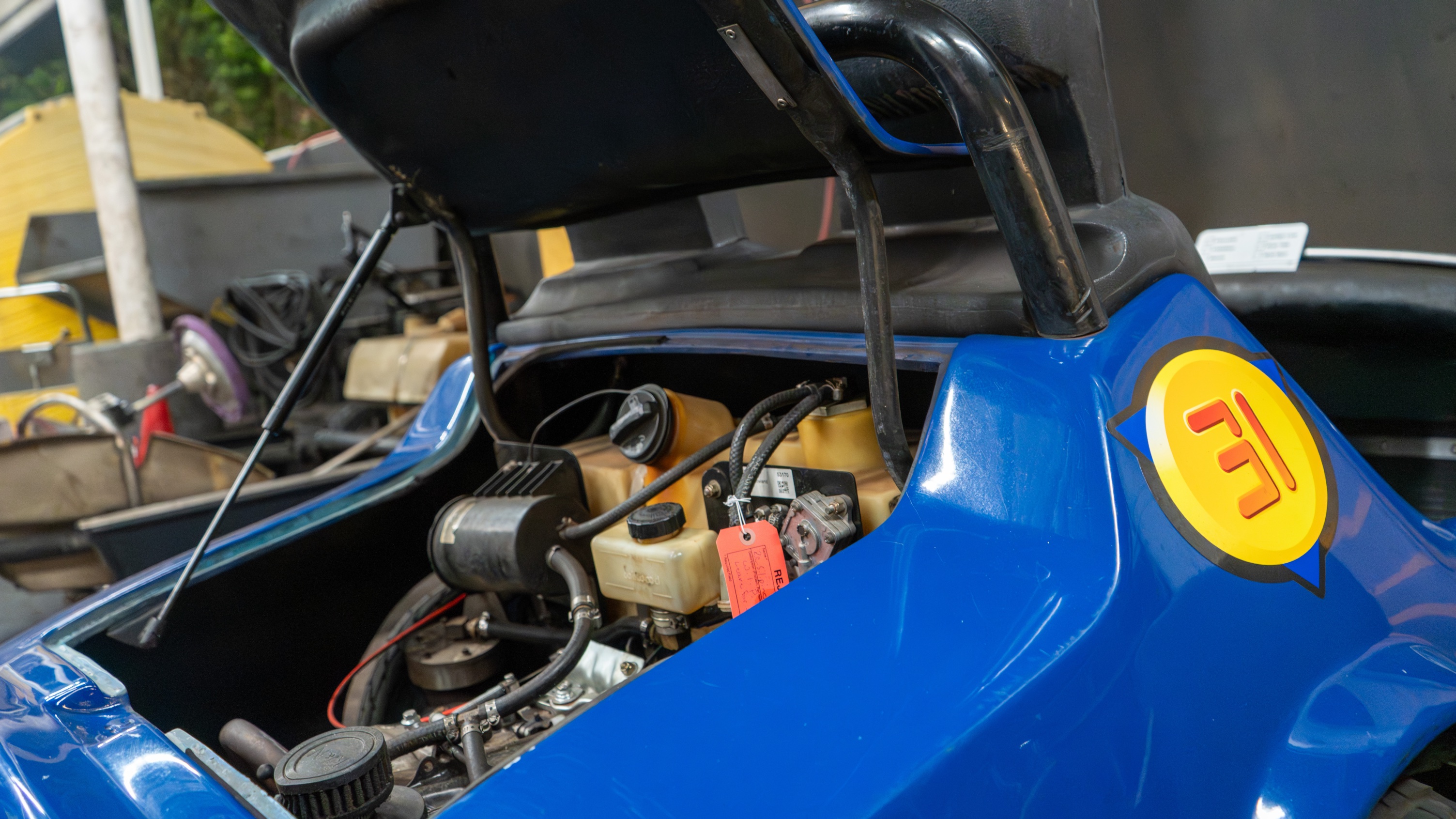
The integration of technology into legacy rides like the Tomorrowland Speedway or "It’s a Small World" represents a fine balancing act. Disney does not add tech for the sake of modernity; they add it only when it meaningfully improves reliability, safety, or recoverability.
For the Seven Dwarfs Mine Train, this has meant rewriting software logic to allow the ride to recover from minor faults without needing to evacuate guests. These small, incremental changes—the "micro-optimizations"—add up to massive gains in park capacity. A two-hour closure, if avoided through better diagnostic software, represents thousands of happy guests who never knew a potential issue existed.
Conclusion: The Magic is Rebuilt
The ultimate success of the Disney engineering operation is the guest’s total ignorance of it. By the time the gates open and the music swells, the cranes, the hydraulic fluid, the grease-stained tool chests, and the weary but satisfied engineers have all vanished.
What remains is a flawless, high-functioning environment that feels as if it were constructed yesterday and will last forever. Whether it is a 54-year-old hydraulic animatronic being carefully reassembled or a state-of-the-art coaster undergoing a nightly software patch, the magic of Disney is not just a creative accomplishment. It is a triumph of industrial engineering, rebuilt with meticulous care in the quiet, dark hours of every single night.
As guests walk through the gates, they are participating in a miracle of maintenance—a testament to the idea that in the world of Disney, nothing is ever truly old, provided there is a team dedicated to keeping it forever young.










No comments yet. Be the first to join the conversation!