

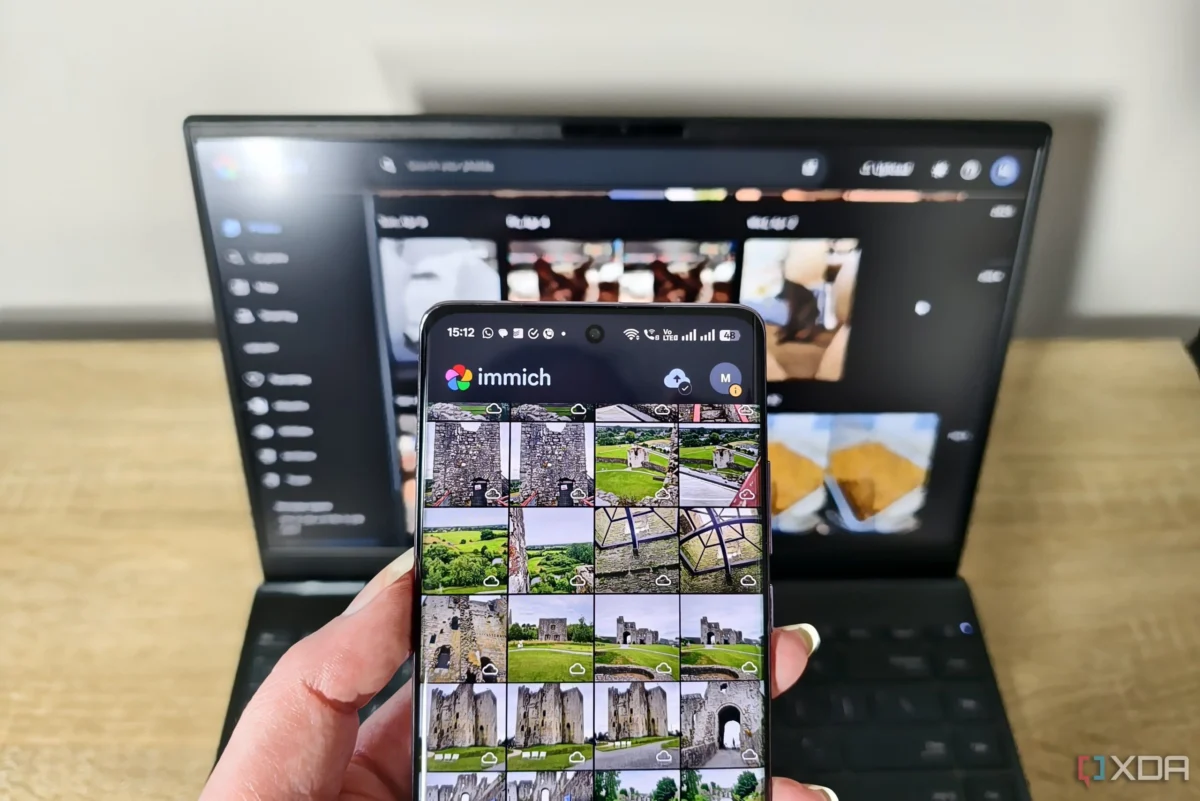
For years, the promise of the “personal cloud” has been a siren song for tech enthusiasts. We dream of reclaiming our data, breaking free from the subscription-based shackles of Google Photos or iCloud, and hosting our digital memories on our own terms. Yet, for many, the reality of self-hosting often falls short of the polished, seamless experience provided by Big Tech. I have attempted to migrate my photo library to a local server multiple times, only to crawl back to Google’s ecosystem every time.
The issue was never about storage—hosting files is easy. The problem was the intelligence. The features that make Google Photos indispensable—the ability to type "beach" and see every sunset from the last decade, or tapping a face to instantly curate fifteen years of a family member’s history—are computationally expensive. Without the right hardware, these features were inaccessible in my home lab. That changed the moment I integrated a dedicated GPU into my workflow.
The Missing Piece: Why Machine Learning Needs Muscle
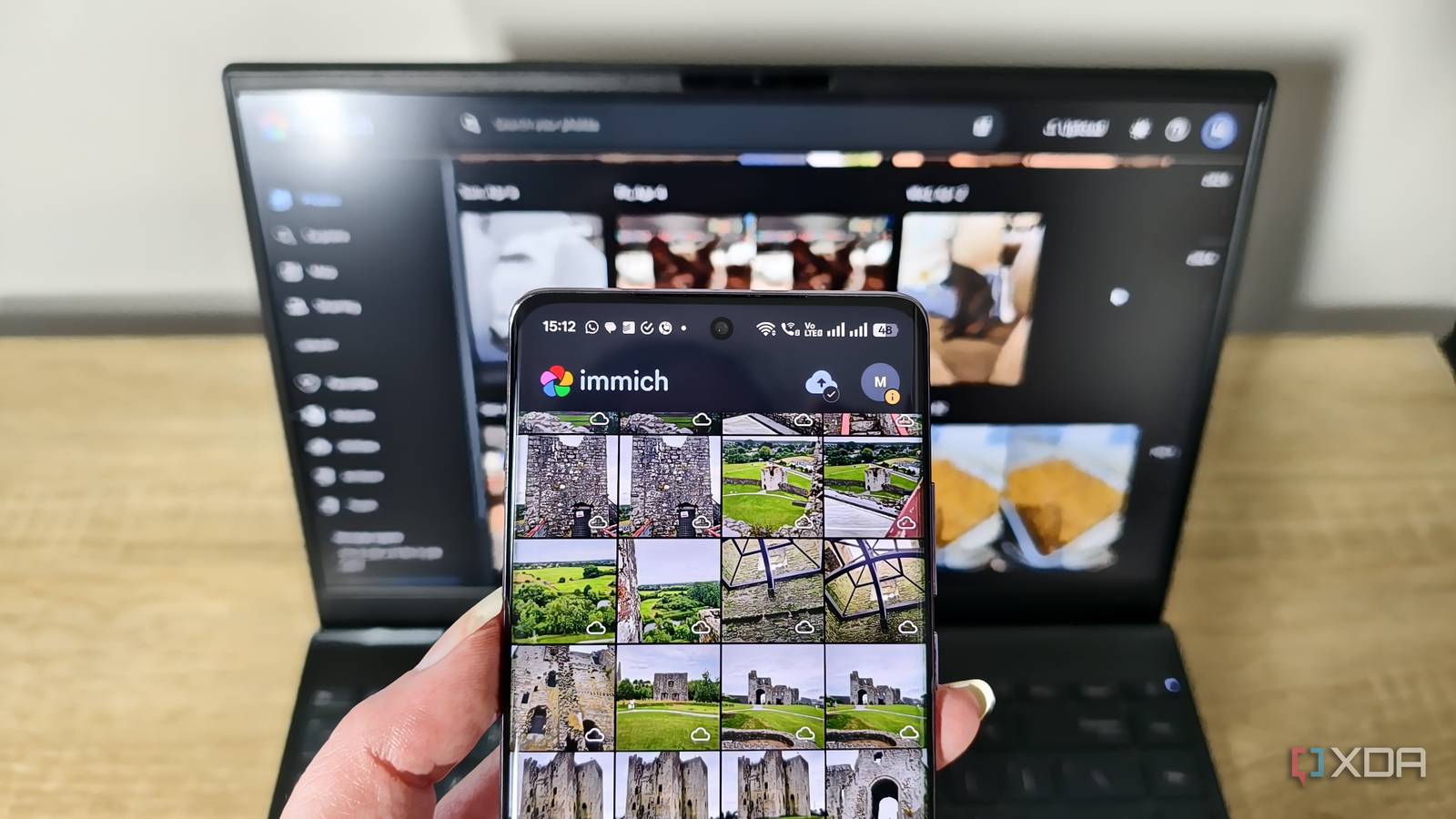
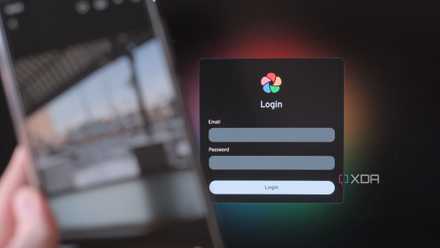
Immich has long been the gold standard for those looking to build a Google Photos alternative. On paper, it offers everything: automatic backups, facial recognition, and smart semantic search. However, users often underestimate the heavy lifting required to power these features.
Smart search relies on CLIP models, which generate “embeddings”—numerical fingerprints that translate visual content into data a computer can understand. Face recognition requires a separate, rigorous detection pass across every single image in your library. On my home lab’s trusty i7-6700K—a quad-core Skylake processor from 2015—these tasks were effectively impossible.

For years, I would initiate the machine learning (ML) jobs, leave them running overnight, and return the next morning to find they had barely made a dent in my library. Because the indexing was so slow, my search functionality remained broken, and a broken search is the death knell for any photo management tool. I defaulted back to Google because their cloud-side infrastructure handled this heavy lifting in seconds.
Chronology of the Transformation: The GPU Shift
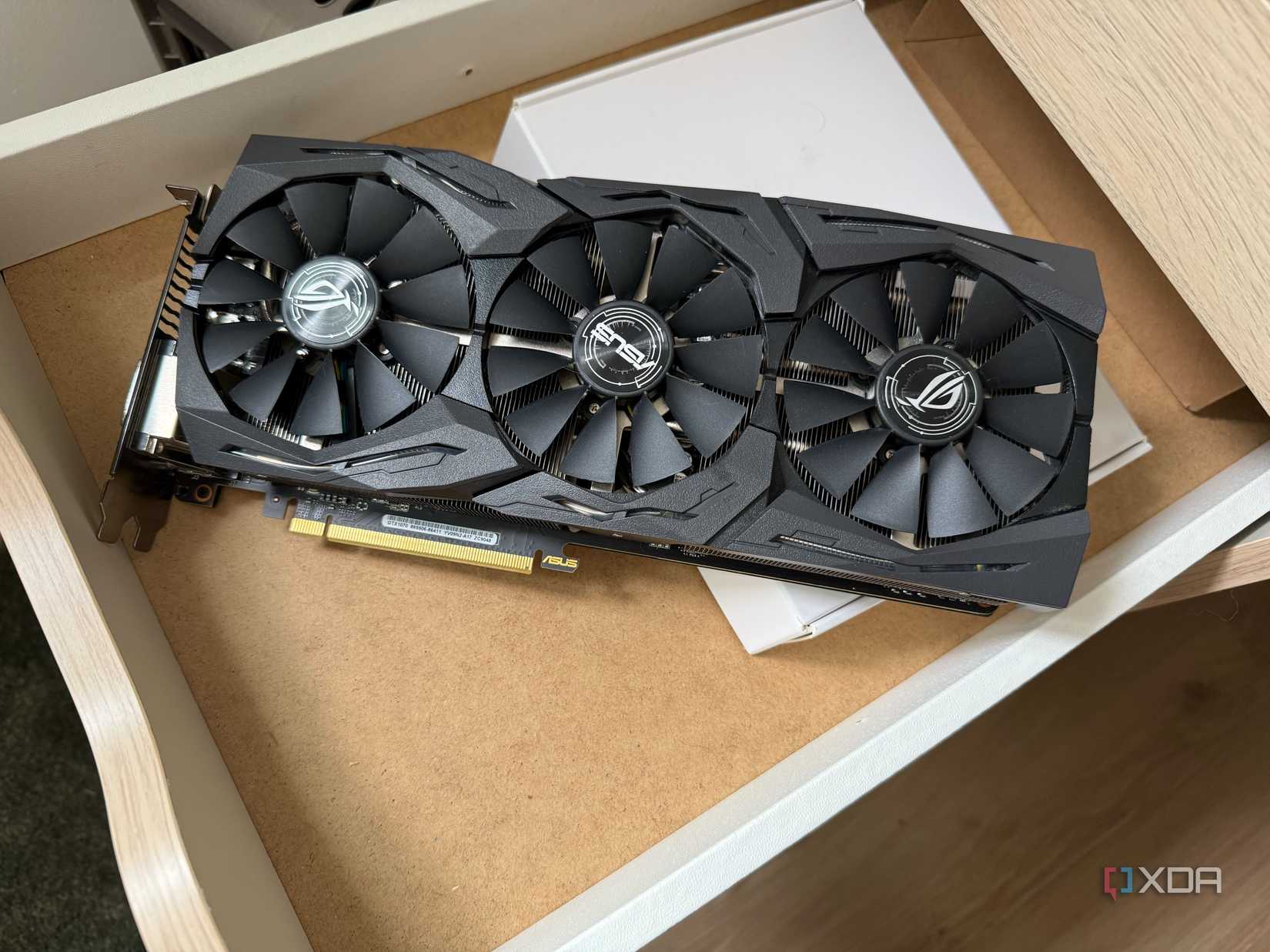
The decision to install a dedicated GPU was the turning point in my self-hosting evolution. By repurposing a GTX 1070 and passing it through to the machine-learning container via CUDA, the performance gap closed instantly.
Phase 1: The Bottleneck
For several months, my server operated without hardware acceleration. The CPU-bound ML jobs were so sluggish that my library remained unsearchable. I treated Immich as a mere file dump rather than a functional application.
Phase 2: The Hardware Upgrade
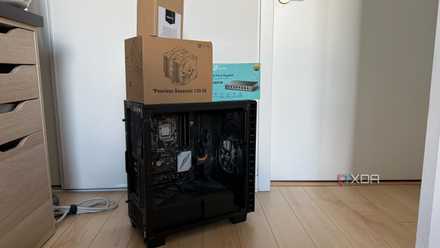
I introduced the GTX 1070 into my rack-mounted home lab. The integration wasn’t plug-and-play; it required a deep dive into container configuration. Because the GTX 1070 is a Pascal-architecture card, it sits in a precarious position regarding modern software support. Newer iterations of cuDNN, the NVIDIA library that Immich relies on for its ML tasks, have largely deprecated Pascal support.
Phase 3: Stability and Fine-Tuning
The secret to my success was a deliberate, manual pinning of older cuDNN releases. By keeping the drivers and the CUDA stack slightly behind the bleeding edge, I managed to maintain the performance I needed without triggering the instability that comes with newer, incompatible software updates. It is a finicky balance, but the result is a library that is fully indexed, fully searchable, and lightning-fast.
Supporting Data: The Cost of Convenience vs. Ownership
To understand why this shift matters, one must look at the trade-offs between subscription-based cloud services and self-hosting.
| Feature | Google Photos (Cloud) | Immich (Self-Hosted) |
|---|---|---|
| Indexing | Instant (Server-side) | Instant (Post-GPU Indexing) |
| Privacy | Data scanned for ads/ML | 100% Private |
| Redundancy | Handled by Google | Managed by User |
| Cost | Monthly Subscription | One-time Hardware Cost |
The "Migration Tax" is the most significant hurdle. Moving a large library requires the use of Google Takeout, which is notoriously cumbersome. One must navigate JSON metadata files, fix timestamp discrepancies, and manage the sheer bandwidth required to move terabytes of data. For those moving from iCloud, the process is even more complex. However, this is a one-time investment. Once the data is on your own drives, you are no longer at the mercy of sudden price hikes or arbitrary account locks.
Implications: Becoming Your Own Custodian
Transitioning away from a major provider like Google or Apple changes the fundamental nature of your digital security. When you pay for a subscription, you aren’t just paying for storage; you are paying for an insurance policy against hardware failure and data loss.
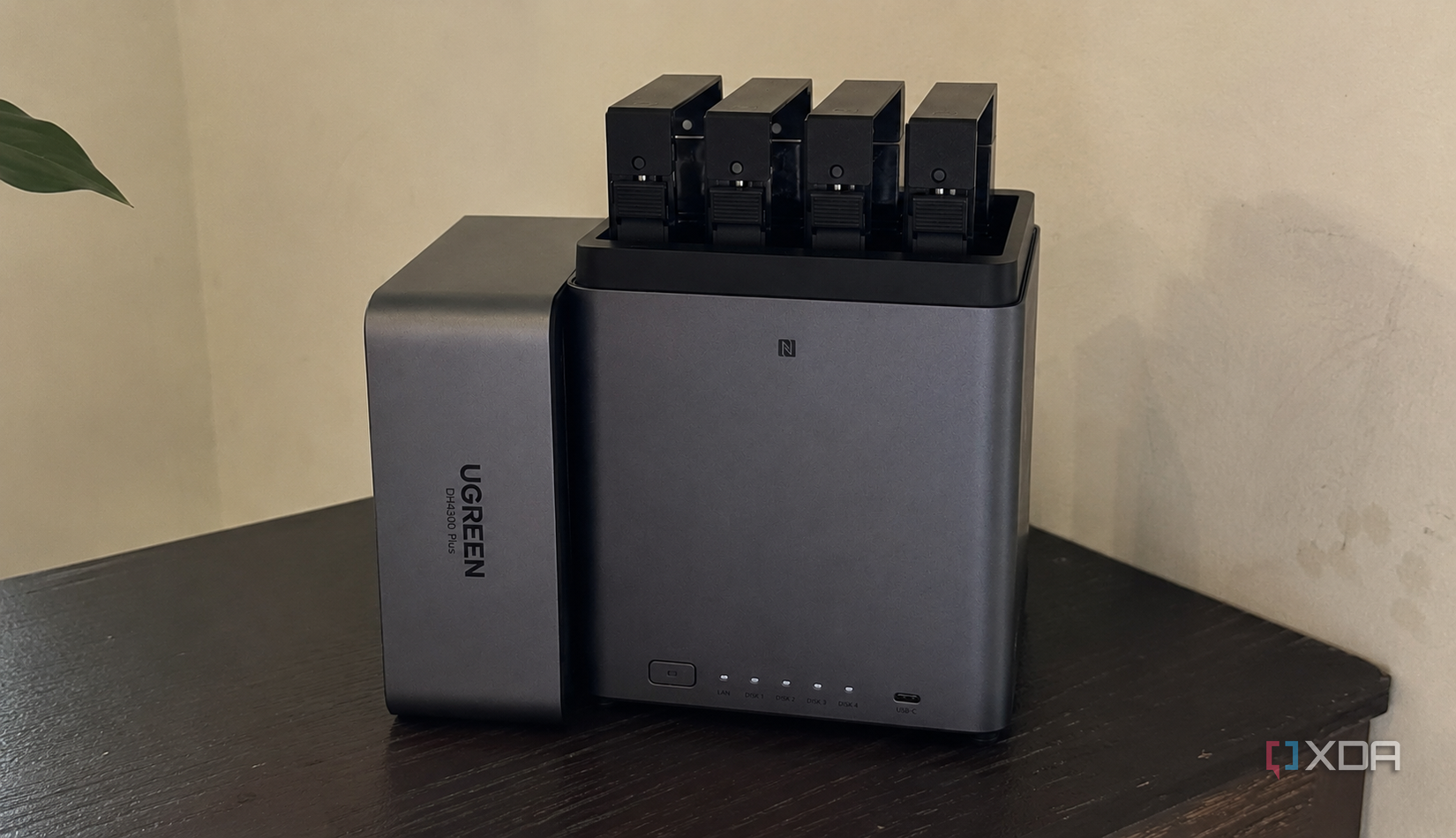
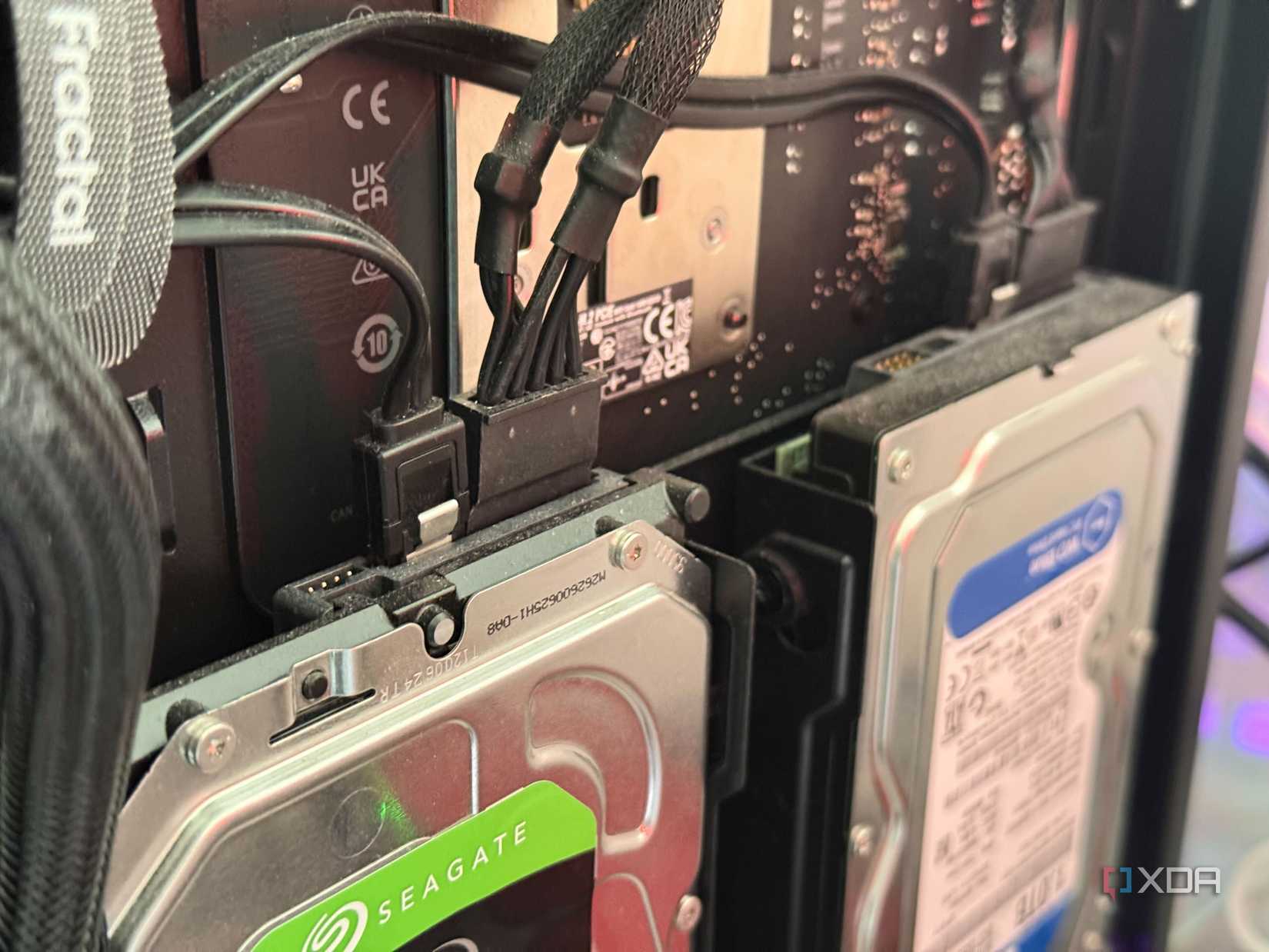
When you move to a home lab, you become your own IT department. This carries significant implications for data redundancy. A single NAS unit is not a backup; it is merely a place where files live. To truly replicate the security of a major cloud provider, you must adhere to the 3-2-1 backup rule: three copies of your data, on two different types of media, with one copy stored off-site.
This is where the real beauty of the self-hosted ecosystem lies. By building your own infrastructure, you learn the mechanics of data integrity. You are forced to consider parity, cold storage, and disaster recovery. While the barrier to entry is higher, the reward is a system that you own completely.
Official Perspectives and Community Standards
The Immich development team has consistently emphasized that hardware acceleration is not just a luxury; it is a necessity for large-scale library management. Their documentation has increasingly focused on GPU passthrough as the standard for serious users.
From a broader industry perspective, the rise of tools like Immich reflects a growing "sovereignty movement" in tech. Users are increasingly wary of "platform rot"—the phenomenon where software becomes bloated, subscription-heavy, or fundamentally changes its terms of service. By choosing to host on hardware like the Pascal-based GPUs or newer Turing/Ampere cards, the enthusiast community is signaling that they are willing to accept the responsibility of hardware management to ensure their personal data remains private.
The Verdict: Is It Worth the Effort?
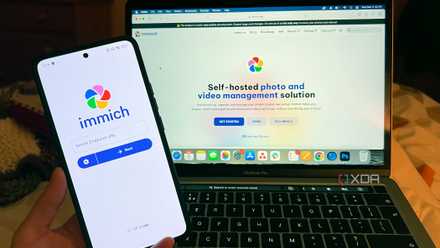
Living with a self-hosted library has finally become a viable, daily-driver experience. The mobile app for Immich now reliably performs auto-backups, and the UI is responsive enough that I no longer find myself missing the "Google feel."
The experience has taught me that the biggest barriers to self-hosting are rarely software-based; they are hardware-based. If you have the appetite for managing your own infrastructure, a spare GPU, and a commitment to the 3-2-1 backup rule, you can replicate the best features of Big Tech without the ongoing subscription fees.
For those who are tired of being a product rather than a customer, the path is clear. It requires patience, a bit of troubleshooting, and a willingness to get your hands dirty with driver stacks and container configurations. But once the indexing completes and that first search query returns a perfect result, you realize that the control you’ve gained is worth every hour of configuration. The cloud is convenient, but for the privacy-conscious enthusiast, home-hosted intelligence is the future.












No comments yet. Be the first to join the conversation!