Asep Darmawan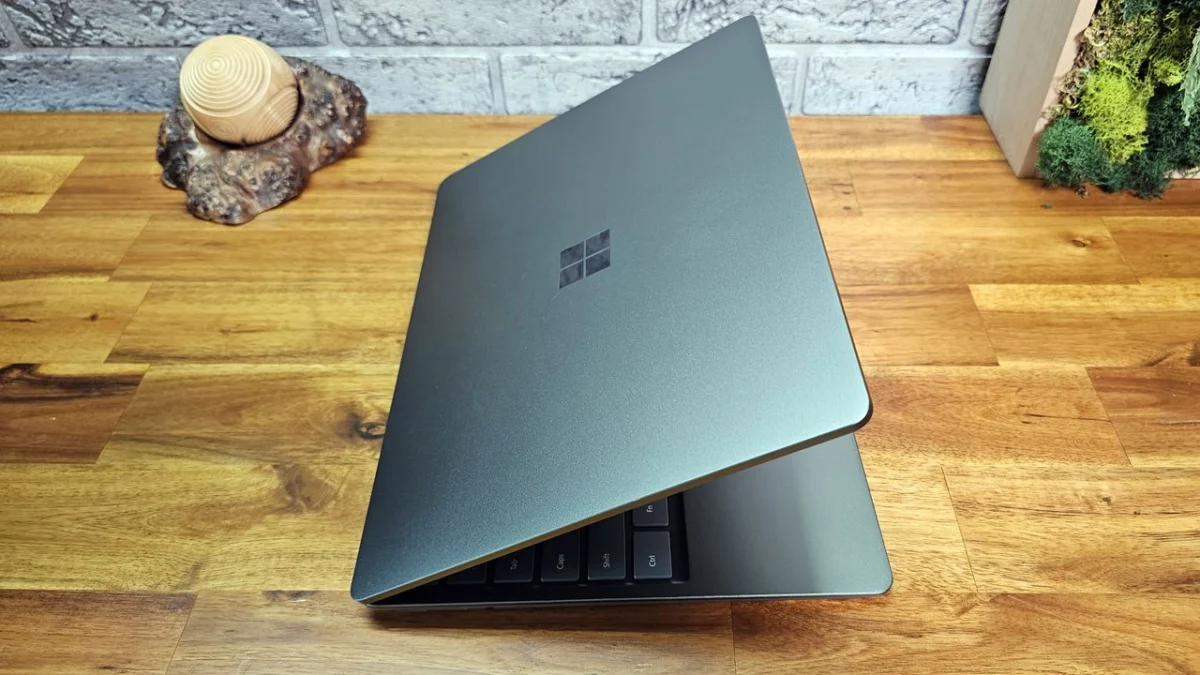
The landscape of Microsoft’s hardware division is undergoing a fundamental transformation. In a move that signals a departure from the "experimentation-first" philosophy that defined the Surface brand for over a decade, the company has officially ceased production of its budget-friendly entry points: the Surface Go and the Surface Laptop Go.
According to reports citing sources familiar with Microsoft’s internal hardware roadmap, the Surface Go 4 and the Surface Laptop Go 3 have reached the end of their lifecycle. Microsoft does not intend to manufacture successors to these models, effectively pulling the plug on the company’s presence in the sub-$600 consumer laptop and tablet market. This decision marks the latest milestone in a broader, years-long consolidation of the Surface portfolio, shifting the focus from diverse form factors to a streamlined, premium-centric lineup.
The Chronology of Consolidation: From Innovation to Streamlining
To understand the weight of this decision, one must look back at the origins of the Surface project. Under the guidance of former Windows and Devices chief Panos Panay, the Surface brand was synonymous with "pushing the boundaries of what a PC can be." It was a playground for unique engineering, designed to demonstrate the versatility of the Windows operating system through innovative hardware.
A Decade of Experimentation
The mid-2010s represented the peak of Surface’s experimental phase. During this time, Microsoft launched a slew of ambitious, albeit niche, products:
- Surface Book (2015): A high-end laptop with a detachable screen and a specialized "dynamic fulcrum hinge."
- Surface Studio (2016): An all-in-one desktop aimed at creative professionals, featuring a "Zero Gravity Hinge" that allowed the screen to fold down into a drafting table.
- Surface Duo (2020): Microsoft’s foray into the dual-screen smartphone market.
- Surface Headphones and Earbuds: An attempt to capture the audio peripheral market.
- Surface Laptop Studio: A powerhouse device with a unique pull-forward hinge mechanism.
The Great Pruning
Over the last three years, the strategy has shifted from exploration to austerity. The Surface Book was retired, the Surface Studio has seen no meaningful updates, the dual-screen Duo line has been abandoned, and audio peripherals have been phased out.
The latest decision to axe the Surface Go and Surface Laptop Go is the final blow to the brand’s "budget" identity. With these devices gone, the Surface ecosystem now centers almost exclusively on two pillars: the Surface Pro and the Surface Laptop. While the company is preparing for the launch of the high-end Surface Laptop Ultra—powered by Nvidia’s RTX "Spark" architecture—this serves to emphasize that Microsoft’s current priority is performance-heavy, professional-grade hardware rather than mass-market accessibility.
Supporting Data: The New Price Floor
The removal of the Surface Go and Laptop Go lines creates a significant vacuum in the entry-level tier of the Windows market. Previously, the Surface Go 4 served as an accessible entry point for students, field workers, and casual users, often priced around $579.
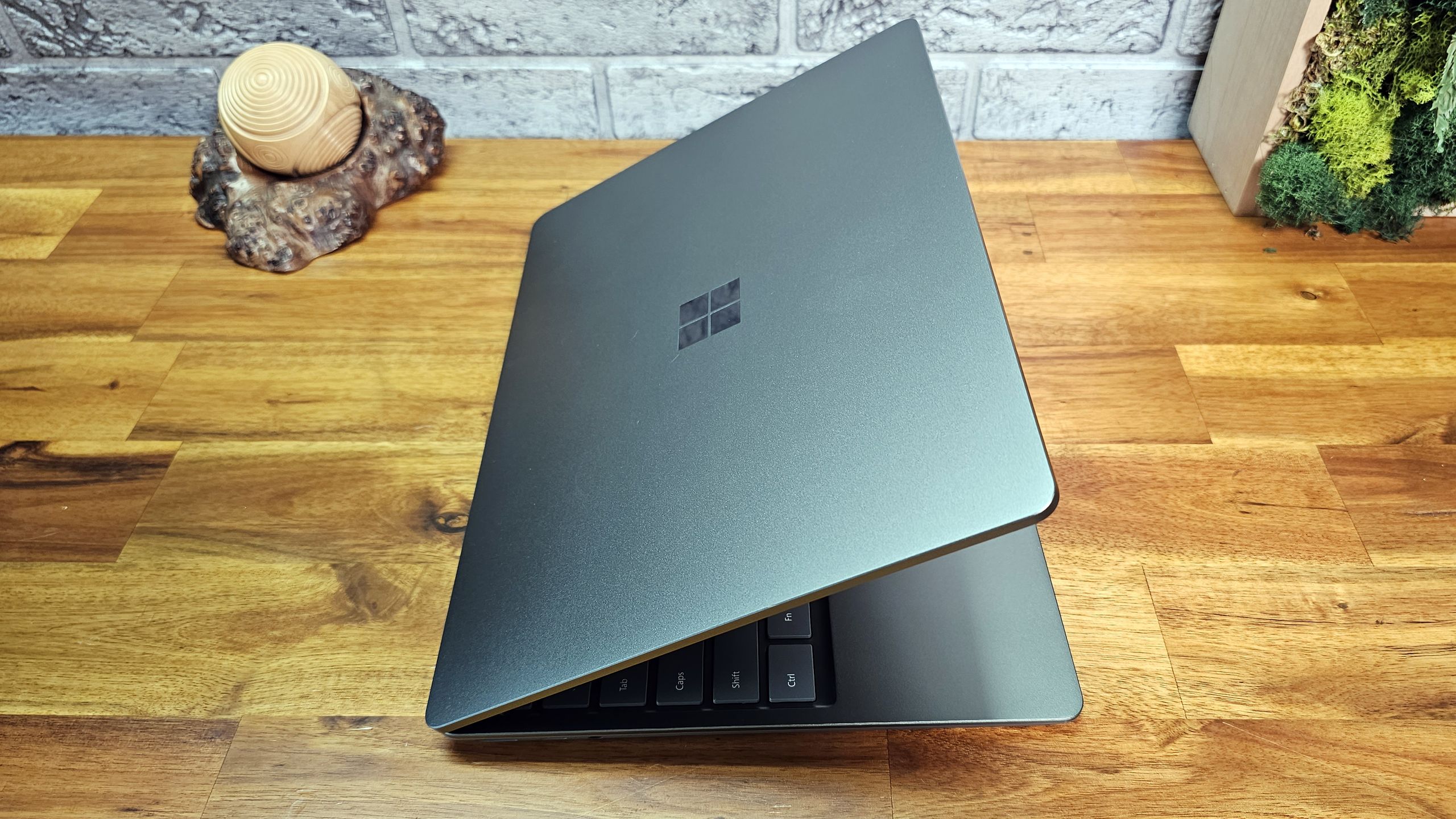
The "Entry-Level" Reality
With the retirement of these models, the cost of entry for a new Surface device has effectively skyrocketed. Current alternatives within the portfolio include:
- Surface Pro (12-inch or 13-inch): Starting at approximately $849.
- Surface Laptop (13-inch, 13.8-inch, or 15-inch): Starting at approximately $949.
While these newer models offer significantly more computing power—thanks in part to the inclusion of the Snapdragon X Plus and other modern chipsets—they do not provide a functional substitute for the low-cost portability that the Surface Go once offered. For commercial customers, specifically in sectors like healthcare or logistics where the Surface Go was a staple for mobile data entry, the shift represents a forced upgrade to more expensive and potentially overkill hardware.
Official Responses and Market Positioning
Microsoft has remained notably tight-lipped regarding this transition. When approached for comment by Tom’s Hardware, the company did not provide a formal statement. Instead, a representative redirected inquiries to the official Microsoft Surface website.
The website itself speaks volumes: the landing page has been scrubbed of the "Go" series. Users visiting the site are now presented with a simplified, vertical lineup: the Surface Laptop, the Surface Pro, the forthcoming Surface Laptop Ultra, and the specialized, non-consumer-facing RTX Spark Dev Box.
Industry analysts suggest that the decision to kill these product lines was finalized prior to the recent spikes in global memory prices and component shortages, indicating that this was a strategic choice rather than a reactionary one. By focusing on a smaller set of SKUs, Microsoft is likely aiming to reduce overhead, simplify supply chain management, and improve the profit margins of its hardware division—a necessity in an era where the PC market has reached a post-pandemic plateau.
The Strategic Implications for the Future
The death of the "Go" line and the narrowing of the Surface portfolio have profound implications for the Windows ecosystem and for Microsoft’s relationship with its users.
1. The End of the "Playground" Era
Under Panos Panay, Surface was an ideological statement about Windows hardware. It was meant to inspire third-party OEMs (like Dell, HP, and Lenovo) to build better, more interesting devices. By retreating into a more conventional, premium laptop and tablet model, Microsoft is essentially signaling that it is no longer interested in leading through hardware innovation, but rather through software optimization and AI-driven performance (as evidenced by the focus on the RTX Spark chips).
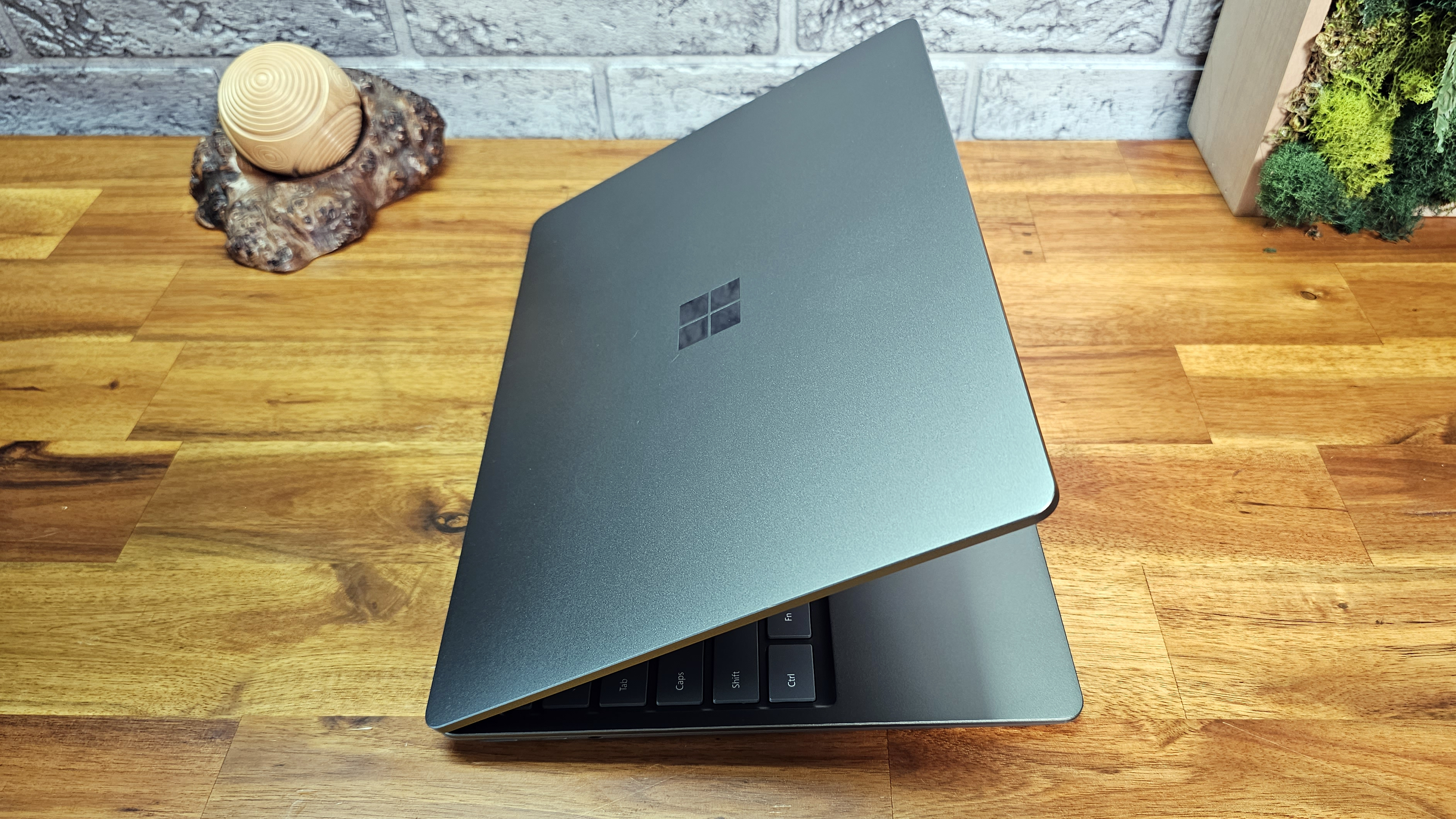
2. A Shift Toward the "Prosumer"
By establishing a high price floor, Microsoft is consciously moving away from the "everyman" computer market. The Surface brand is being repositioned as a high-margin, professional toolset. While this may improve the company’s financial standing in the short term, it risks alienating the student demographic and the budget-conscious professional, effectively leaving that market segment to Chromebooks and third-party Windows manufacturers.
3. Consolidation of the Ecosystem
Microsoft’s move mirrors the broader tech industry’s shift toward consolidation. Much like Apple’s long-standing strategy of maintaining a slim, clear, and high-margin product lineup, Microsoft appears to be abandoning the "kitchen sink" approach. For the consumer, this means a less confusing shopping experience—there are fewer devices to choose from, and they are generally more capable. However, it also means that the days of the "quirky" and "innovative" Surface are likely behind us.
4. Impact on Commercial Clients
The most immediate fallout will be felt by enterprise and education clients. The Surface Go 4 was, for many, the perfect blend of weight, functionality, and cost for fieldwork. With those devices disappearing from the retail and business catalogs, organizations will be forced to re-evaluate their hardware procurement. Whether these users will pivot to the significantly more expensive Surface Pro or migrate to competitors like the iPad or ruggedized Android tablets remains to be seen.
Conclusion
The dissolution of the Surface Go and Surface Laptop Go marks the end of a pivotal chapter for Microsoft. The brand that once dared to redefine the laptop, the tablet, and the desktop is now playing a more conservative game. As Microsoft moves toward an "Agentic" future with AI-integrated Windows and high-performance hardware like the RTX Spark, the budget-friendly, experimental roots of the Surface lineup are being pruned away to make room for a more streamlined, premium-tier future.
For fans of the brand’s original, experimental spirit, this is a somber transition. For Microsoft’s shareholders, it is a necessary evolution. One thing is certain: the Surface portfolio of tomorrow will look significantly more like a traditional laptop company than the daring design house it once was.


 Iffa Jayyana