

By Jackson McCoy
July 1, 2026
The gaming landscape is undergoing its most radical transformation since the transition from cartridges to optical media. On Wednesday, Sony Interactive Entertainment announced a definitive end to the production of physical game discs for its PlayStation platform, effective 2028. While the company frames the move as an alignment with "consumer preferences," the decision marks the end of an era, effectively shuttering the secondary market and stripping players of the fundamental right to truly own the software they purchase.
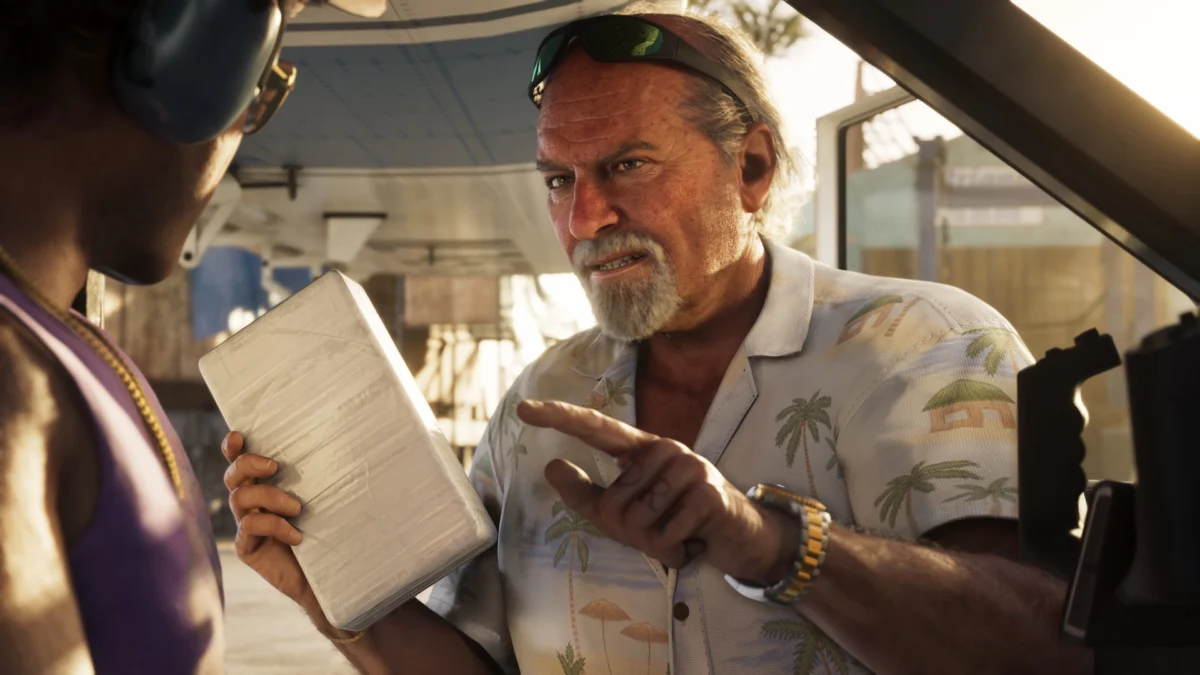
This policy shift follows the recent, industry-shaking revelation from Rockstar Games that Grand Theft Auto 6—the most anticipated title of the decade—will bypass a traditional physical release entirely. While Rockstar intends to sell decorative boxes containing digital codes, the utility remains purely aesthetic, offering no functional preservation or resale value. As the industry marches toward a purely digital ecosystem, the consequences for preservation, affordability, and consumer autonomy are profound.
The Chronology of a Disappearing Medium
The decline of physical media did not happen overnight; it has been a calculated, multi-year attrition.
- The Early 2010s: Digital storefronts like the PlayStation Store and Xbox Live began to gain traction, primarily for indie titles and DLC. At this stage, discs were still the gold standard for AAA releases due to internet bandwidth limitations.
- The Mid-2020s: With the release of the PlayStation 5 and Xbox Series X, the industry began introducing "digital-only" console variants, creating a two-tier ecosystem.
- 2025: Sony’s corporate report signaled the tipping point, confirming that physical disc sales had plummeted to a mere 3% of total PlayStation revenue. Industry analysts noted that across both major platforms, digital transactions had ballooned to represent 80–90% of total game sales.
- 2026: The announcement regarding GTA 6 signaled that even the biggest blockbusters were moving away from physical distribution, setting the stage for Sony’s formal 2028 sunset policy.
Data and the Illusion of Choice
Sony’s decision is rooted in cold, hard metrics. However, analysts argue that the "preference" for digital is a manufactured reality. By restricting the availability of disc-based consoles and incentivizing digital storefronts through constant sales and subscription services like PlayStation Plus, manufacturers have systematically pushed consumers toward a digital-only pipeline.
The 2025 Sony Corporate Report serves as the primary justification for the shift, yet it fails to account for the "ecosystem lock-in" effect. When a consumer buys a digital-only console, they are voluntarily—or by necessity—surrendering their ability to shop for competitive pricing. In a physical market, retailers compete for business, often driving prices down through discounts on new titles or by offering a robust used-game market. In a digital-only world, Sony acts as a monopoly, setting the price at whatever the market will bear.
The Preservation Crisis: Ownership vs. Licensing
The most alarming implication of the digital-only future is the distinction between owning a product and licensing access to it.
When you purchase a physical disc—such as an original Halo 4 disc for the Xbox 360—you possess a physical asset that functions independently of the manufacturer’s servers. Even if Microsoft were to shut down its servers, the game remains playable on the console it was designed for. You can lend the disc to a friend, resell it, or keep it in a collection for decades.
Digital purchases, conversely, are merely revocable licenses. As noted by industry experts at Midiya Research, digital storefronts can, and do, revoke access to content. If a licensing agreement between a publisher and a platform holder expires, or if a company decides to shut down its storefront, that "owned" game can vanish from your library at a moment’s notice. You are not buying a game; you are renting the right to play it until the publisher decides otherwise.
Economic Barriers and the Erosion of Accessibility
The push toward digital-only gaming is intrinsically linked to a rise in hardware costs that excludes the budget-conscious consumer.

Currently, the PlayStation 5 model with a disc drive is priced at $649.99, while the disc-capable Xbox Series X commands a staggering $799.99. These prices represent a significant barrier to entry. For many, the ability to buy a pre-owned game for $20 or $30 at a local retailer is the only way to participate in the hobby. By forcing consumers into a digital-only ecosystem, companies are effectively eliminating the secondary market—a market that has historically sustained the gaming industry’s growth by making titles accessible to lower-income households.
Without the used game market, the entry cost for gaming is essentially locked at the full MSRP of every single title, with no opportunity to trade in old games to subsidize new purchases. This is not just a shift in distribution; it is a fundamental shift in the economics of entertainment that favors high-margin corporate profits over the accessibility of the medium.
Official Responses and Corporate Strategy
Sony’s official stance remains centered on "convenience." In their press release, the company highlighted the speed of digital downloads, the reduction of plastic waste, and the ability to access a library from anywhere.
"The modern gamer demands immediacy," a Sony spokesperson stated. "By pivoting to a digital-first and eventually digital-exclusive model, we are reducing the environmental footprint of our shipping and logistics while ensuring that our players can access their entire library from any console, anywhere, at any time."
However, critics point out that this "convenience" comes at the cost of control. The environmental argument, while valid in isolation, ignores the massive energy consumption required to host, maintain, and stream digital content on a global scale. Furthermore, the argument for "immediacy" fails to address the frustration of users with limited internet access, who are now forced to download 150GB+ files without the option to install from a disc.
Implications for the Future of Culture
We are entering a world where our cultural history is at the mercy of server maintenance. If a company goes bankrupt, or if a game is delisted for music rights or licensing issues, the game effectively ceases to exist for new generations.
The memories of browsing a local store, of discovering a game by its cover art, and of building a physical library are rapidly becoming artifacts of a bygone age. This isn’t just about nostalgia; it’s about the cultural significance of video games. If we do not preserve physical media, we are allowing corporations to decide what part of our history remains accessible and what is consigned to the digital dustbin.
Resistance to this trend is no longer a matter of being a "luddite" or a traditionalist. It is a matter of consumer rights. If we accept a world where we own nothing, we relinquish the power to hold these companies accountable. The gaming industry has relied on the enthusiasm and loyalty of its players for decades; by stripping away the tangible ownership of their products, they risk alienating the very community that turned them into the juggernauts they are today.
As we look toward 2028, the question remains: When the servers eventually go dark, what will be left of our gaming heritage? For now, the answer seems to be: nothing at all.










