Asep Darmawan
Date: June 23, 2026
Location: Lake Kawaguchiko, Yamanashi Prefecture

For international travelers and domestic tourists alike, Japan’s "Golden Route"—the journey between the iconic peak of Mount Fuji and the ancient capital of Kyoto—has long been a logistical challenge. While the natural beauty of the Fuji Five Lakes region is an essential stop, transitioning from the serene, mountainous landscape to the bustling urban culture of the Kansai region often involves cumbersome transfers or long, exhausting bus rides.
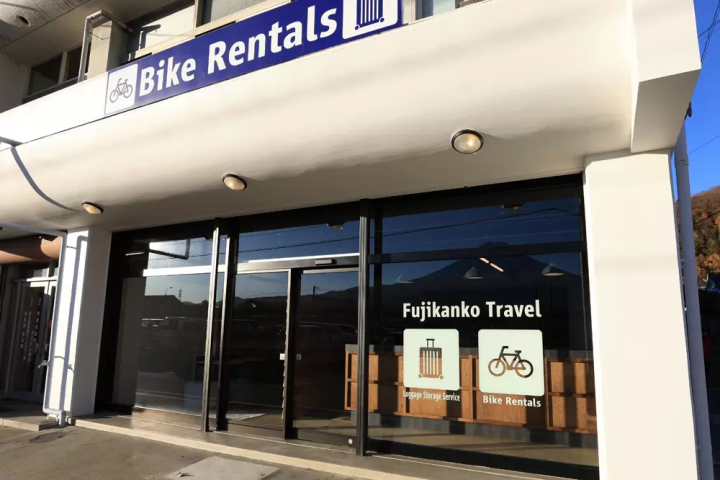
Today, Fujikanko Travel, a premier tour operator based at the doorstep of Kawaguchiko Station, has introduced a solution that promises to redefine the travel experience: a fixed-rate, direct taxi service connecting the foot of Mount Fuji to the Shinkansen gateway of JR Mishima Station.

Main Facts: A New Standard in Regional Connectivity
The new service, offered by Fujikanko Travel, is designed to eliminate the "last-mile" frustration that frequently plagues travelers leaving the Fuji area. By providing a direct, private vehicle transfer from Lake Kawaguchiko to JR Mishima Station, the agency is bridging the gap between the rural beauty of the Fuji Five Lakes and the high-speed rail network of the Tokaido Shinkansen.

Key Service Highlights:
- Fixed-Rate Pricing: At 33,000 yen per vehicle, the service offers complete price transparency. Unlike traditional metered taxis, the fixed-rate structure ensures that travelers are protected from additional costs, even in the event of unforeseen road traffic congestion.
- Convenience and Capacity: Each vehicle accommodates up to five passengers, making it an ideal solution for families or small groups burdened with heavy luggage.
- Time Efficiency: The drive takes approximately one hour, significantly faster and more comfortable than public bus alternatives.
- Direct Access: By arriving at JR Mishima Station, travelers are perfectly positioned to board the Shinkansen (bullet train) to major destinations including Nagoya, Kyoto, Osaka, and Hiroshima.
Chronology: Optimizing Your Japan Itinerary
To understand the strategic advantage of this service, it is helpful to look at how it integrates into a standard two-day travel itinerary.

The Two-Day Fuji-to-Kyoto Model
Day 1: Immersion in the Great Outdoors
Travelers arriving from Shinjuku via the Fuji Kaiyu train reach Kawaguchiko Station by mid-morning. With their luggage safely stored at the Fujikanko Travel center, visitors can spend the day exploring the northern shores of Lake Kawaguchiko via rental bicycle or visiting the 5th Station of Mount Fuji. By utilizing the agency’s professional sightseeing taxi services, guests can visit remote spots like Oshino Hakkai or Lake Saiko without the stress of navigating local transit.

Day 2: The Transition to the Kansai Region
For those looking to maximize their time in Kyoto, the early-morning taxi departure is a game-changer.

- 06:30: Depart Lake Kawaguchiko via private transfer.
- 07:30: Arrive at JR Mishima Station, avoiding the morning rush.
- 08:00: Board the Tokaido Shinkansen (Hikari line).
- 10:15: Arrive in Kyoto, allowing for a full day of temple visits or cultural experiences in the ancient capital.
By shaving hours off the transit time, this itinerary effectively turns a "travel day" into a "full sightseeing day."

Supporting Data: Why the Shift Matters
The necessity for this service arises from the limitations of current public transport infrastructure. While highway buses from Lake Kawaguchiko to the Kansai region exist, they often involve 11-hour overnight journeys, which can be physically taxing for elderly travelers or families with small children.

The Comparison: Bus vs. Private Transfer
| Feature | Highway Bus | Fujikanko Taxi Plan |
|---|---|---|
| Duration | ~11 hours (overnight) | ~1 hour to Mishima |
| Comfort | Limited legroom | Private, spacious |
| Flexibility | Fixed schedule | Departure on your terms |
| Cost | Low (Per person) | Fixed (Per vehicle) |
Furthermore, the "bus-to-train" connection is a common point of friction. The Mishima-Kawaguchiko Express Bus Liner takes approximately 90 minutes and costs 2,500 yen per person. While cost-effective, it requires adhering to strict bus schedules and leaves little room for spontaneity. Fujikanko’s service provides a premium alternative that prioritizes the traveler’s time—a commodity that is often limited during a standard one- or two-week trip to Japan.

Official Perspective: A Holistic Approach to Tourism
Fujikanko Travel, located directly in front of Kawaguchiko Station, serves as more than just a taxi dispatcher. As a comprehensive travel agency, they have positioned themselves as the primary concierge for the region. Their services include bicycle rentals (starting at 600 yen per hour), luggage storage, and specialized tours ranging from beginners’ cycling routes to in-depth historical explorations of "Fuji-ko" (Fuji worship).

According to company representatives, the taxi plan is not merely a transport service; it is an invitation to explore the "hidden gem" of Mishima. By steering travelers through Mishima Station, the agency encourages visitors to discover the local culinary scene—famous for its eel dishes and "Mishima croquettes"—and historical landmarks like the Mishima Taisha Shrine. This strategy disperses tourist density and provides economic support to the peripheral towns surrounding the Mount Fuji and Hakone areas.

Implications: The Future of Inter-Regional Travel
The introduction of this service carries significant implications for the future of Japanese tourism, particularly in the post-pandemic era where "slow travel" and "comfort-first" planning have become priorities.

1. Reducing Tourist Fatigue
By removing the stress of lugging suitcases through crowded train stations and bus terminals, Fujikanko Travel is directly addressing "traveler burnout." A relaxed traveler is more likely to spend time and money in local shops and restaurants, benefiting the local economy.
2. Strategic Connectivity
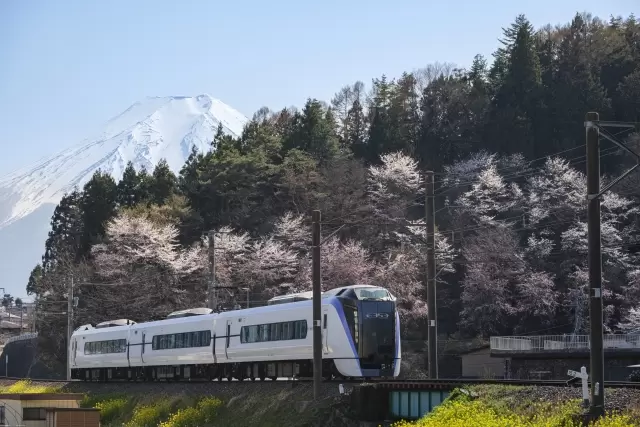
Mishima serves as a critical junction. Travelers using this service gain access not only to Kyoto and Osaka but also to the Hakone and Gotemba Premium Outlets. This creates a "hub-and-spoke" model of travel where the Fuji Five Lakes area becomes the starting point for a broader exploration of central and western Japan.

3. Sustainability and Reliability
Fixed-rate pricing creates a sense of safety for international visitors who may be intimidated by the potential for high taxi fares in Japan. Knowing the exact cost before departure provides the psychological comfort required for international travelers to venture off the beaten path.

How to Secure Your Transfer
For those planning their journey, reservations are required at least two days in advance. The booking process is streamlined via the Fujikanko Travel website, where prospective travelers can review the fixed rates and confirm vehicle availability.

As Japan continues to see record-breaking numbers of international visitors, services like this act as the connective tissue that makes a complex, high-speed transit network feel accessible and personal. By bridging the gap between the quiet majesty of Mount Fuji and the vibrant streets of Kyoto, Fujikanko Travel is ensuring that the journey is just as memorable as the destination.


 Neng Nana
 Asro
Asro