Dwi Wanna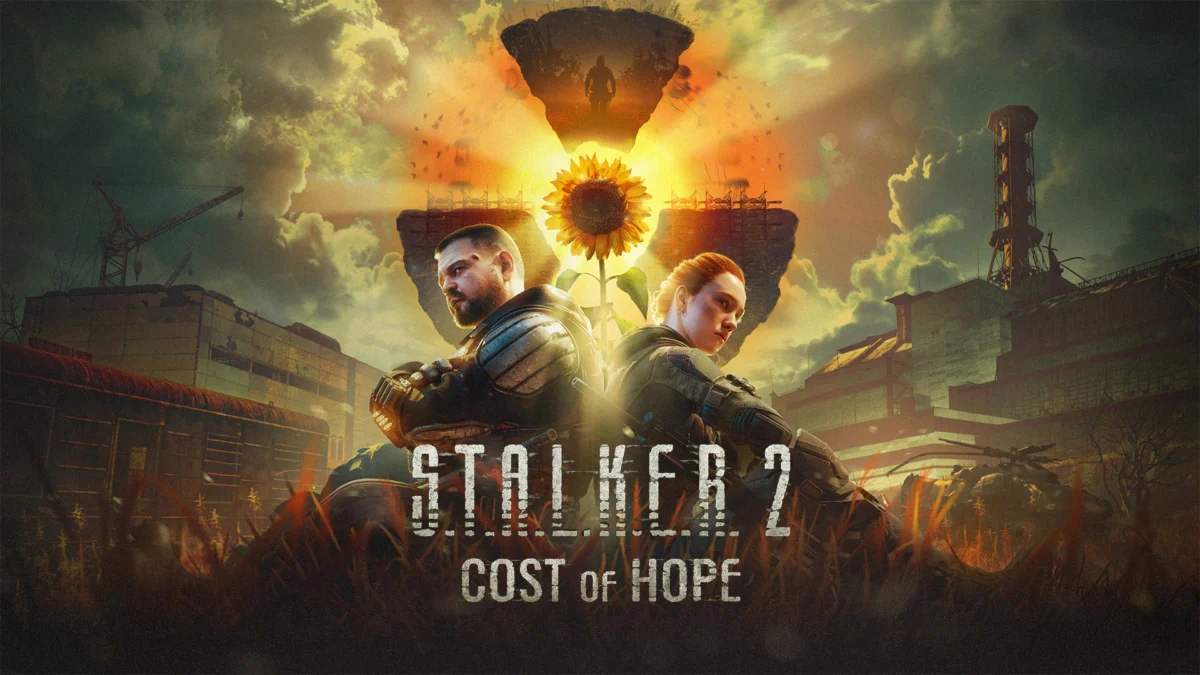
The post-apocalyptic landscape of Chornobyl is set to grow significantly. During the recent Xbox Partner Preview, GSC Game World surprised the gaming community by pulling back the curtain on the first major expansion for S.T.A.L.K.E.R. 2: Heart of Chornobyl, titled Cost of Hope. While the developer had hinted at upcoming announcements, the scale and ambition of this expansion—positioned as a cornerstone of an interconnected trilogy—mark a significant milestone for one of the most atmospheric titles in modern gaming.
Main Facts: What We Know About ‘Cost of Hope’
Cost of Hope is not merely a collection of side missions; it is a substantial, non-linear expansion designed to run parallel to the narrative of Heart of Chornobyl. Players will once again step into the combat boots of Skif, the protagonist of the base game, to navigate the shifting loyalties and deadly anomalies of the Zone.
The expansion introduces two entirely new regions: the iconic, long-awaited Chornobyl Nuclear Power Plant and the enigmatic Iron Forest. GSC Game World has emphasized that these are not just aesthetic additions; they are dense, fully realized environments featuring their own hub areas, unique NPCs, dedicated questlines, and emergent gameplay activities.
Scheduled for a summer 2026 release, the expansion will launch simultaneously across PC, Xbox Series X/S, and PlayStation 5, ensuring that the entire S.T.A.L.K.E.R. community can converge on the heart of the Zone at the same time.
A Chronology of the Zone: Expanding the Narrative Arc
To understand the significance of Cost of Hope, one must look at the structural design GSC Game World has adopted for the S.T.A.L.K.E.R. 2 universe. The developer has confirmed that Heart of Chornobyl and Cost of Hope are intended to be the first two pillars of a larger, interconnected trilogy of stories.
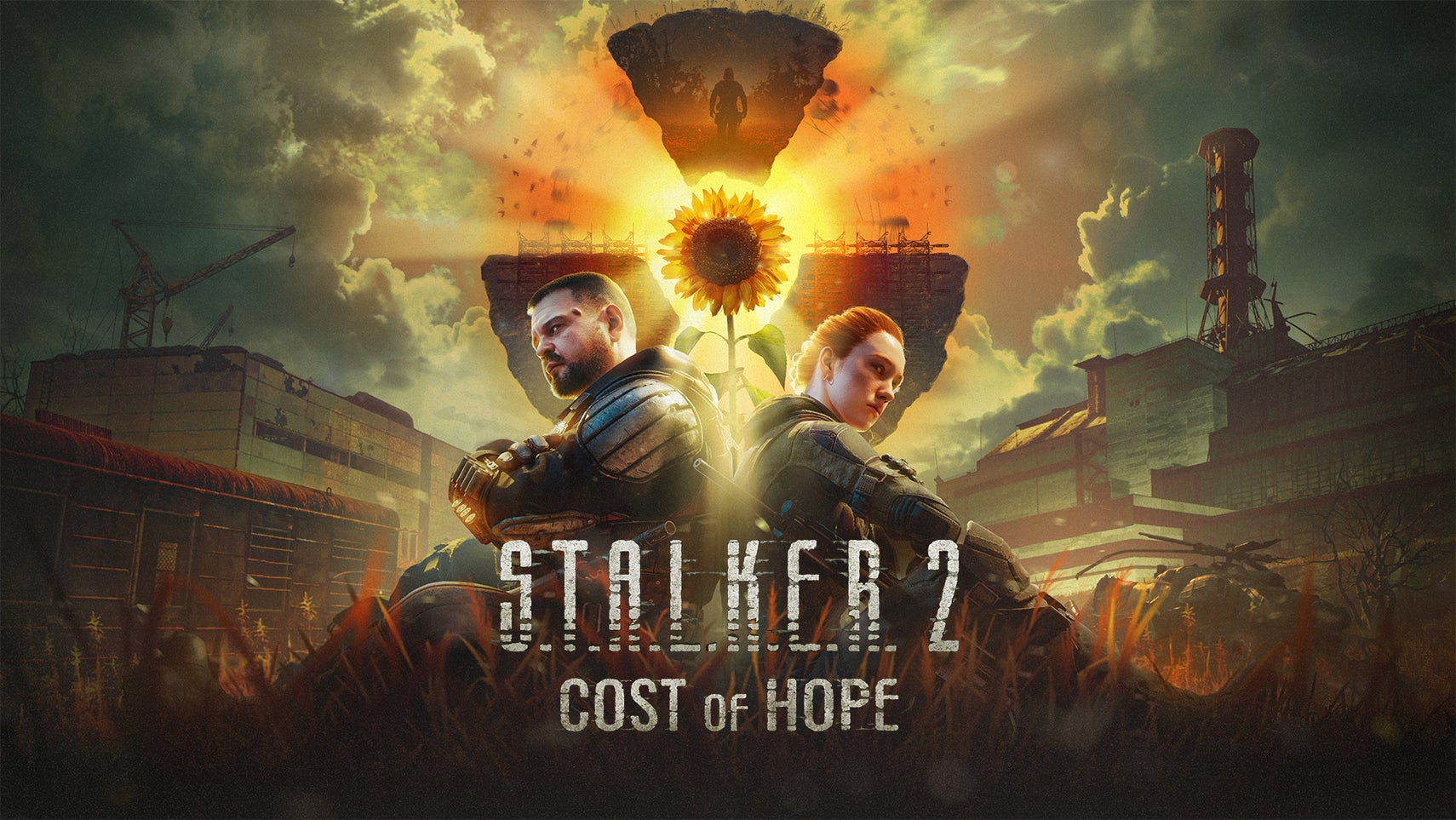
The narrative of Cost of Hope is centered on the ideological clash between the two most prominent factions in the series: Duty and Freedom. While Duty views the Zone as a festering infection that must be contained and eradicated, Freedom sees the anomalies as a catalyst for human evolution and scientific discovery.
By setting the events of the expansion in parallel with the main game, GSC Game World allows players to explore the "what ifs" of their journey. The expansion provides a deeper look into the power vacuum at the center of the exclusion zone, focusing on the volatile struggle for control over the very facilities that caused the initial catastrophe. This non-linear approach ensures that player agency remains at the forefront, as the choices made in the expansion will likely have thematic, if not direct, ties to the overarching resolution of Skif’s journey.
Supporting Data: Depth and Scale
GSC Game World has been vocal about the content density of Cost of Hope. The expansion is projected to offer "dozens of hours" of gameplay, a bold claim that suggests the developer is aiming for a quality-over-quantity approach to map design.
Key Features and Content Additions:
- Two Massive Regions: The addition of the Chornobyl Nuclear Power Plant—a location that has held mythical status in the franchise since the original 2007 release—promises a harrowing gameplay experience. The Iron Forest, meanwhile, introduces a new, darker aesthetic that leans into the series’ roots in survival-horror.
- New Arsenal: The S.T.A.L.K.E.R. series is defined by its tactile, gritty gunplay. The trailer for Cost of Hope showcases several new weapons, hinting at high-tier, modified hardware that will be essential for surviving the deeper, more radioactive pockets of the Zone.
- Faction Dynamics: The expansion forces players to navigate the precarious relationship between Duty and Freedom. By introducing specific, region-bound questlines for these factions, the developers are expanding the social complexity of the world, making the Zone feel more like a living, breathing ecosystem rather than just a combat arena.
Official Responses and Developer Intent
The reception to the announcement has been overwhelmingly positive, reflecting the deep-seated loyalty of the S.T.A.L.K.E.R. fanbase. In a statement following the showcase, GSC Game World noted that the decision to announce the expansion close to its release window was a deliberate attempt to manage community expectations and ensure a "polished, stable, and immersive" experience.
"The Zone has always been a place of transformation," said a spokesperson for GSC Game World. "With Cost of Hope, we wanted to explore the cost of that transformation for those who call the Zone home. It isn’t just about new maps; it is about providing players with a reason to return to the heart of the disaster and uncover truths that were left buried in the original campaign."

The developer also acknowledged the technical challenges of bringing such a massive expansion to multiple platforms simultaneously. By utilizing the proprietary engine updates developed for the base game, GSC is aiming to ensure that the performance of the expansion matches the high visual fidelity seen in the main title, particularly regarding the ray-tracing and volumetric lighting that make the Exclusion Zone look so hauntingly beautiful.
Implications for the Future of the Franchise
The announcement of Cost of Hope has several major implications for the future of the S.T.A.L.K.E.R. franchise:
1. The "Trilogy" Model
By confirming that this expansion is part of a planned trilogy, GSC Game World has signaled a move toward a "live-narrative" model. Instead of relying on a single, static release, the studio is building a long-term roadmap that keeps the community engaged for years. This suggests that the S.T.A.L.K.E.R. brand will remain a primary focus for the studio well into the late 2020s.
2. Platform Parity and Accessibility
The commitment to a simultaneous release on PC, Xbox, and PlayStation is a significant win for the gaming industry. It moves away from the era of console-exclusive DLC, ensuring that regardless of a player’s hardware preference, the narrative experience remains consistent. This is vital for a game that relies so heavily on communal knowledge and the "shared legend" of the Zone.
3. Survival-Horror Evolution
The S.T.A.L.K.E.R. series has long been the gold standard for atmospheric survival. With Cost of Hope, GSC is doubling down on the "horror" element. By focusing on the Chornobyl Nuclear Power Plant, they are inviting players into the most dangerous, radiation-choked territory possible. This shift toward high-stakes, high-difficulty environments will likely define the next phase of the franchise’s evolution, moving away from simple scavenger mechanics toward more complex, survival-oriented gameplay.

Conclusion: Waiting for the Summer of 2026
As the dust settles from the Xbox Partner Preview, the excitement surrounding Cost of Hope is palpable. The expansion represents the best of what GSC Game World brings to the table: a refusal to compromise on atmosphere, a deep respect for the source material, and a willingness to expand the lore in ways that feel meaningful rather than gratuitous.
For fans who have spent the last few years traversing the mud and anomalies of the Zone, the promise of returning to the Power Plant is the ultimate hook. While we still await a specific day for the release, the summer 2026 window provides a beacon of hope for a community eager to uncover what other secrets are hidden in the radioactive heart of the world.
Whether you align with the iron-fisted ideology of Duty or the radical liberation of Freedom, the Cost of Hope promises to be an essential chapter in the history of the Zone. The anomalies are shifting, the factions are mobilizing, and once again, the call of the Zone is echoing across the wasteland. Are you ready to return?


 Asro
Asro
 Muslim