

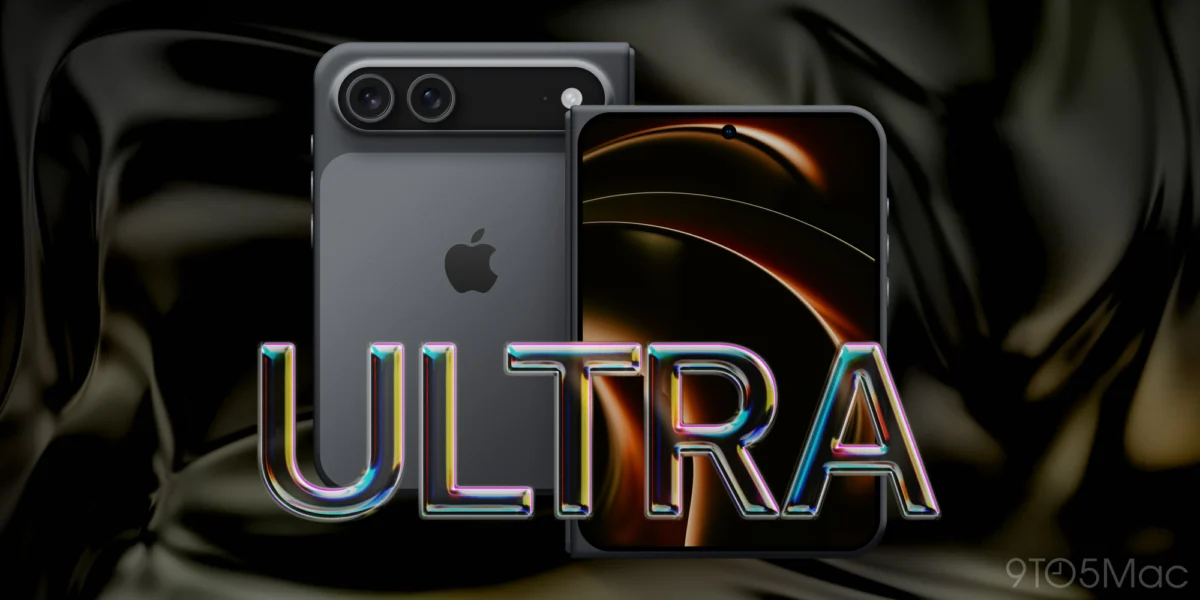
The mobile landscape is on the cusp of a seismic shift. As Apple prepares for the second half of 2026, industry insiders and supply chain analysts have revealed that the Cupertino-based tech giant is significantly ramping up its manufacturing expectations for its first-ever foldable device, the "iPhone Ultra." According to a fresh report from Nikkei Asia, Apple has increased its production target for the foldable handset to approximately 10 million units—a notable 25% to 40% increase over previous internal forecasts that hovered between 7 and 8 million.
This aggressive pivot signals more than just a new product launch; it marks Apple’s definitive entry into the foldable smartphone market, a sector currently dominated by competitors like Samsung, Google, and various Chinese manufacturers. With this move, Apple is positioning the iPhone Ultra not as a niche experimental device, but as a core pillar of its high-end portfolio.
Main Facts: The Numbers Behind the Fold
The data provided by supply chain sources paints a picture of a company confident in its ability to disrupt a maturing market. The jump from 8 million to 10 million units is indicative of a supply chain that is finally reaching the maturity required for mass-market foldable production.
- Production Surge: Apple has moved from a conservative estimate of 7–8 million units to a bullish 10 million.
- The iPhone 18 Series: The foldable unit is expected to be joined by the iPhone 18 Pro and iPhone 18 Pro Max, which are projected to account for another 70 million units in production.
- Total Output: The combined output of new iPhone models in the latter half of 2026 is projected to reach 85 million units, contributing to an estimated annual total of 220 million units for the entire calendar year.
- Pricing Strategy: Reports from IDC suggest the iPhone Ultra will be a true "ultra-premium" device, with an average selling price (ASP) of $2,500, potentially scaling to $3,000 for higher storage configurations.
A Chronology of the Foldable Roadmap
Apple’s journey toward the iPhone Ultra has been long and deliberate. While rivals rushed to market with "first-generation" issues—such as visible screen creases and hinge fragility—Apple has maintained a "wait and see" strategy, refining its hardware behind closed doors.
2024–2025: The R&D Phase
During these years, Apple focused heavily on material science. Patents filed during this period indicated research into "self-healing" materials and complex hinge mechanisms designed to distribute stress across the display. The industry consensus was that Apple would not launch a foldable until the technology could achieve a perfectly flat, "invisible" crease.

Early 2026: Supply Chain Stabilization
By early 2026, sources confirmed that Apple had begun securing long-term contracts for specialized adhesives and high-end flexible OLED panels. The focus shifted from experimental prototypes to manufacturing feasibility.
September 2026: The Launch Window
The industry is currently braced for a major September event. While the iPhone 18 Pro and Pro Max are expected to lead the presentation, the foldable iPhone Ultra is slated for a staggered release, potentially hitting shelves shortly after the Pro models to ensure maximum marketing impact and supply availability.
Spring 2027: The New Cycle
In a break from tradition, Apple appears to be shifting its release cycle for the standard iPhone line. By extending the life of the iPhone 17 into the spring of 2027 and introducing a successor to the iPhone Air in that same window, Apple is effectively decoupling its "flagship" launch from its "volume" launch, allowing the foldable iPhone Ultra to occupy the spotlight during the traditional September peak.
Supporting Data: Market Dynamics and Component Constraints
Apple’s decision to move aggressively on the iPhone Ultra comes at a time of broader market volatility. The global memory chip market is currently experiencing a crunch, forcing manufacturers to compete for limited high-quality components.
Component Hoarding
Apple has reportedly instructed suppliers to reserve critical components used in the iPhone 17 series specifically for the upcoming iPhone 18 premium series. This preemptive "hoarding" strategy is designed to insulate the company from the supply chain shortages that often plague the first quarter of a new product lifecycle.
The "Invisible Crease" Technology
Technological reports, including insights from Trendforce, suggest that Apple has invested heavily in high-tech, specialized adhesives. These materials are intended to act as a structural buffer, preventing the display from fatiguing at the hinge point. If successful, this would solve the primary consumer complaint regarding current foldable devices: the visible and tactile crease that appears over time.
IDC Projections
IDC, a leading market intelligence firm, recently forecasted that Apple would ship close to 240 million iPhones in 2026. The 85 million units earmarked for the second half of the year are critical to hitting this target. The foldable iPhone Ultra represents a small but high-value percentage of this total, meant to capture the ultra-premium segment—a segment that has seen limited growth from other manufacturers.
Official Responses and Industry Sentiment
While Apple maintains its characteristic silence regarding unreleased products, the silence itself speaks volumes. Apple’s supply chain partners, including those in the display and manufacturing sectors, have been noted for their increased activity and investment in clean-room facilities.
Analysts note that Apple’s entry into the foldable space is not merely a reaction to Samsung’s success, but a move to reclaim the "luxury" status of the iPhone. With an estimated $2,500 price point, the iPhone Ultra is not designed for the general mass market, but for power users, creative professionals, and those seeking the ultimate status symbol. By positioning the device in this bracket, Apple effectively shields itself from the low-margin "commodity" foldable market.
Implications: The Future of the Smartphone
The implications of the iPhone Ultra are twofold: they affect both the consumer experience and the broader economics of the smartphone industry.

1. Re-defining the "Pro" Tier
For years, the "Pro Max" has been the ceiling of the iPhone lineup. The introduction of an "Ultra" tier creates a new layer of stratification. It suggests that Apple is looking to move away from purely incremental annual updates and toward category-defining hardware shifts.
2. A Challenge to Competitors
Samsung, Honor, and Google have had a significant head start in the foldable space. However, Apple’s entry will likely serve as the "gold standard" for the form factor. If Apple can successfully implement a crease-free, durable design, it will force competitors to innovate more rapidly or risk losing their high-end customer base.
3. Supply Chain Power
Apple’s ability to secure 10 million units worth of specialized components while also producing 70 million Pro-series devices demonstrates the immense leverage the company holds over its suppliers. While smaller manufacturers might struggle to source foldable-grade screens and hinges, Apple’s capital allows it to effectively control the supply of these components, potentially creating a "bottleneck" that keeps competitors from scaling their own foldable products.
4. The Long-Term Lifecycle
By shifting the release window for the standard iPhone 18 to the spring, Apple is signaling a move toward a more flexible release cadence. This prevents the "cannibalization" of sales between the standard iPhone and the experimental Ultra, ensuring that each device gets the necessary time to build momentum in the market.
Conclusion
The path toward the 2026 iPhone launch is clearly paved with high stakes and higher expectations. With a 10-million-unit production goal, Apple is signaling that the era of the foldable iPhone has arrived, and it is intended to be a centerpiece of the company’s future revenue strategy.

As we approach September 2026, all eyes will be on the supply chain. If Apple can deliver on the promise of an invisible crease and the legendary build quality associated with the brand, the iPhone Ultra may well be the most significant device launch of the decade. For now, the numbers suggest that Apple is not just dipping its toes into the water of the foldable market—it is diving in with unprecedented force.











