

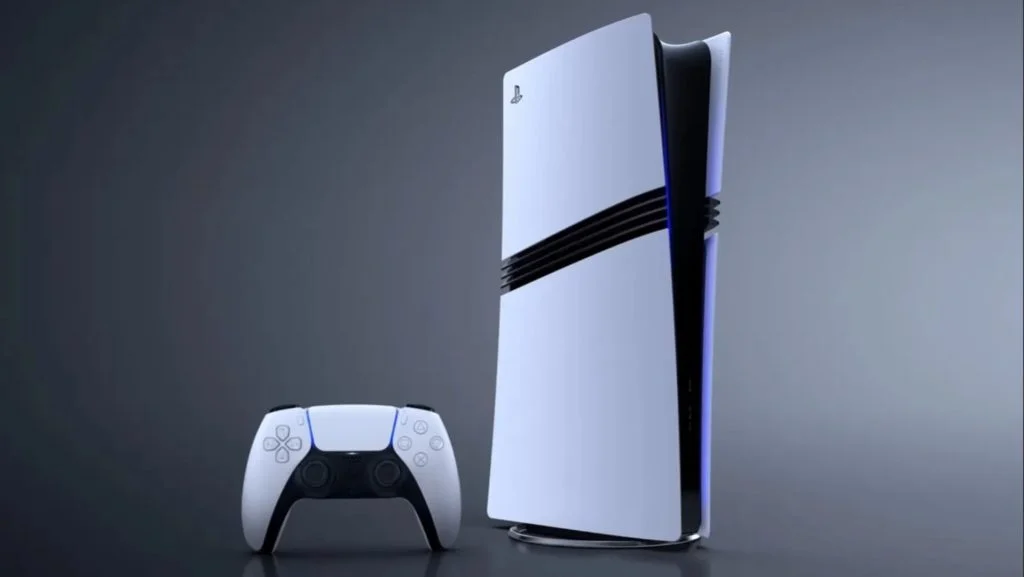
In a seismic shift that marks the definitive end of the traditional gaming era, Sony Interactive Entertainment has officially announced that it will cease the production of physical media for all new PlayStation titles beginning in January 2028. This strategic pivot, communicated via the official PlayStation Blog, signals a permanent transition to a digital-only ecosystem for the console manufacturer, fundamentally altering how consumers will purchase, own, and preserve interactive entertainment.
The move, while consistent with broader trends in the tech and media industries, has sent shockwaves through the gaming community. For decades, the "physical disc" was the hallmark of console ownership, offering a sense of permanence and tangible value. As of 2028, all new releases will be relegated to the PlayStation Store or distributed via digital codes at retail outlets, effectively removing the tactile nature of game collecting from the mainstream market.
The Chronology of the Digital Shift
To understand the magnitude of this decision, one must look at the gradual erosion of physical media over the last decade. Sony’s announcement did not occur in a vacuum; it is the culmination of a long-term strategic realignment.
- 2013–2016 (The Hybrid Era): With the launch of the PlayStation 4, digital downloads became a viable secondary option. However, physical discs remained the dominant choice for most gamers due to hard drive limitations and slow internet speeds.
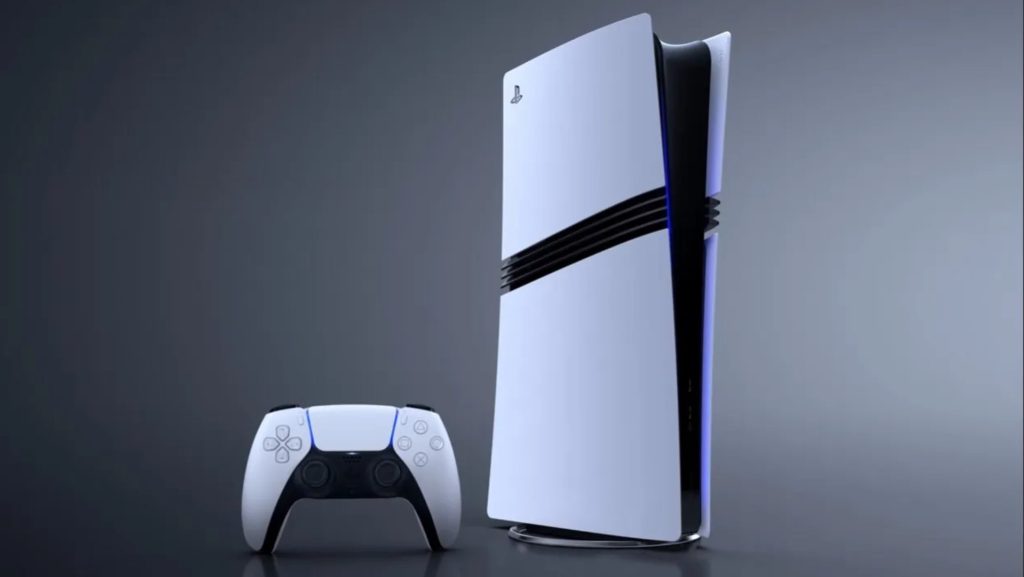
- 2020 (The Digital-Only Wedge): The release of the PlayStation 5 "Digital Edition" acted as a litmus test. Sony proved that a significant portion of its audience was willing to forgo the disc drive entirely in exchange for a lower price point and a streamlined aesthetic.
- 2023–2025 (The Accelerating Decline): Market data showed a sharp increase in digital software revenue, consistently outperforming physical sales. Publishers began opting for "digital-first" release strategies, often shipping discs that were little more than "keys" requiring massive day-one patches.
- July 2026: Sony officially confirms the 2028 roadmap for the total cessation of physical disc manufacturing.
- January 2028 (The Deadline): The effective date for the end of physical production for all new software titles.
This timeline reflects a deliberate, calculated retreat from manufacturing and distribution logistics, allowing Sony to maximize profit margins while streamlining its global supply chain.
Supporting Data: Why Physical Media is Fading
The decision to abandon physical media is rooted in hard data. Financial reports from the last five years indicate that digital sales now account for over 80% of total game revenue for major publishers. This shift is driven by several key factors:
1. Logistics and Retail Overhead
Manufacturing millions of Blu-ray discs involves significant overhead—from printing and packaging to global warehousing and shipping. By moving exclusively to digital distribution, Sony eliminates the middleman, reduces its carbon footprint, and removes the risk of unsold inventory clogging retail shelves.
2. The Rise of High-Speed Connectivity
The proliferation of high-speed broadband has mitigated the primary argument against digital games: file size. With modern titles routinely exceeding 100GB, fiber-optic internet has made downloading massive games a matter of minutes rather than days, making the convenience of "click-to-play" far more attractive than a trip to a retail store.
3. Monetization and Live-Service Models
Modern gaming is increasingly built around "Games as a Service" (GaaS). These titles receive constant updates, microtransactions, and seasonal content. A physical disc is inherently static; a digital download is a living service. For Sony, keeping the consumer within their proprietary ecosystem (the PlayStation Store) is essential for long-term monetization.
Official Responses and Strategic Rationale
In its statement, Sony addressed the concerns of its user base with a blend of corporate optimism and vague assurances. "This transition reflects shifting consumer behavior and the broader entertainment industry’s move away from physical media," the company stated.
Sony further emphasized that this decision has "no impact" on games already released on disc. Existing libraries will remain playable, and the company maintains that it is committed to supporting current collections. However, the tone of the announcement has left many industry analysts questioning the definition of "foreseeable future."
The announcement follows closely on the heels of Take-Two Interactive’s revelation that Grand Theft Auto VI will launch without a physical disc release. This corroborates the sentiment that the industry has reached a point of no return. Sony is merely the latest, albeit the most prominent, entity to formalize the industry-wide abandonment of physical distribution.
The Preservation Crisis: A Growing Concern
While the shift is economically sound for Sony, it has triggered a firestorm regarding "digital preservation." The closure of the PS3 and PS Vita digital stores—where Sony noted that "new content purchases will no longer be possible"—serves as a cautionary tale for the future.
When a digital storefront closes, the games hosted there effectively vanish from the market. For collectors and archivists, this represents a massive loss of cultural heritage. Unlike a book or a music record, which can be played on a player manufactured a century ago, digital games are tethered to the servers of the platform holder. If those servers go dark, the game becomes inaccessible.
Implications for the Consumer
- Loss of Resale Value: Physical games can be traded, sold, or lent to friends. Digital licenses are non-transferable, meaning the concept of "ownership" is increasingly replaced by "access."
- Pricing Control: In a digital-only world, the platform holder (Sony) becomes a monopoly for the distribution of its games. Without competition from the secondary market or retailers, digital prices remain artificially high for longer periods.
- Access and Censorship: Digital games can be "delisted" at any time due to licensing disputes or content updates, potentially removing them from the user’s library without recourse.
The Future Landscape: What Happens Next?
As we approach 2028, the gaming landscape will undergo a total metamorphosis. We are likely to see a surge in "digital-only" console revisions and a push toward subscription services like PlayStation Plus, which effectively rent access to the entire back catalog.
Retailers like GameStop, Best Buy, and Amazon will need to pivot their business models. Instead of selling discs, they will become conduits for digital codes and hardware accessories. The "gaming aisle," a staple of retail culture for forty years, will likely vanish, replaced by gift card displays and peripheral showcases.
For the average gamer, the convenience of 2028 will be unparalleled—instant access to thousands of titles from the comfort of the couch. Yet, for the enthusiast, the loss of the physical disc is a somber milestone. It signifies the end of a tangible connection to the art form, shifting the power dynamic firmly into the hands of the corporations.
As Sony prepares for this transition, the industry will be watching closely. Whether this leads to a new golden age of digital accessibility or a dark age of restricted ownership remains to be seen. One thing is certain: by 2028, the PlayStation disc will be a relic of history, preserved only on the shelves of collectors who foresaw the digital dawn.











