

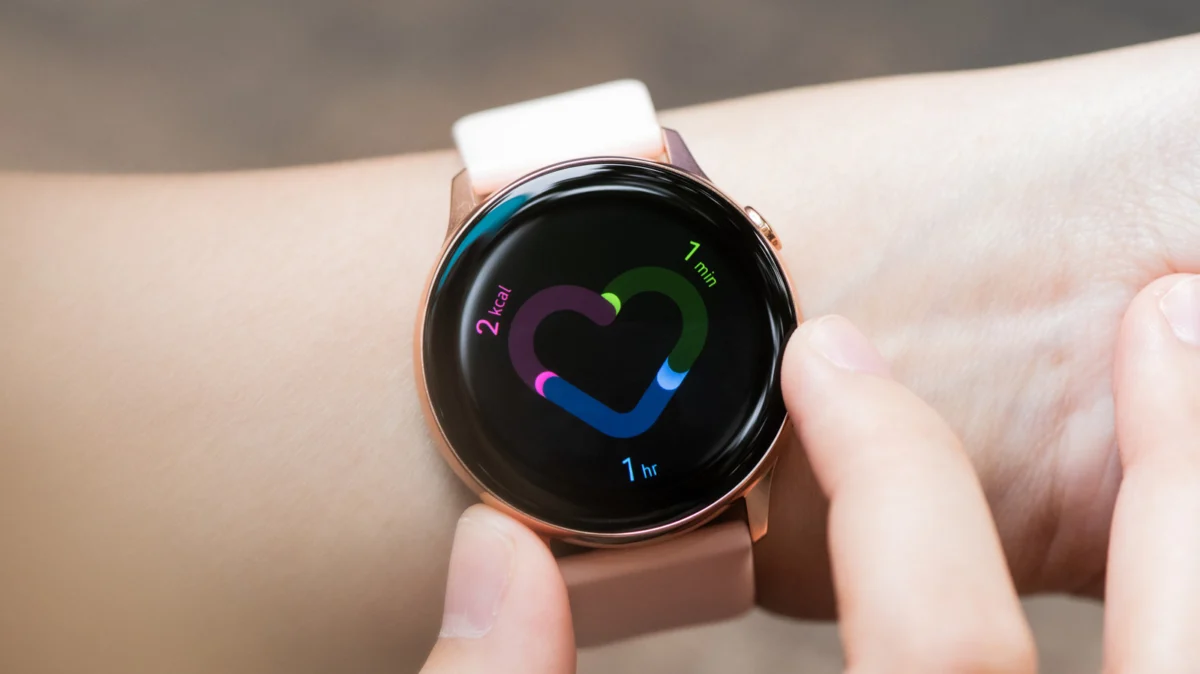
For over a decade, Samsung Health has served as the digital cornerstone of the South Korean tech giant’s fitness ecosystem. Since its debut in May 2012 as "S Health"—originally launched alongside the iconic Galaxy S3—the platform has transitioned from a rudimentary calorie and step counter into a comprehensive biometric powerhouse. However, a recent, sweeping overhaul of the application has sparked a polarized reaction among its massive global user base, prompting debates on the intersection of intuitive design, feature utility, and the creeping presence of commercialism in personal health data.
A Brief Chronology: From S-Health to Modern Wellness
The journey of Samsung Health is reflective of the broader mobile health (mHealth) industry. When it first launched in 2012, it was a niche tool, restricted largely to Samsung’s flagship smartphones. Its primary utility was basic: logging meals and tracking steps to provide a rudimentary snapshot of a user’s daily caloric balance.
By 2017, Samsung made a strategic pivot, opening the platform to all Android users regardless of their device manufacturer. This move signaled Samsung’s ambition to compete directly with platforms like Google Fit and Fitbit. The rebranding from "S Health" to "Samsung Health" marked the beginning of a shift toward a holistic, data-driven ecosystem, deeply integrated with the burgeoning line of Galaxy Watch wearables. Over the last seven years, the app has absorbed everything from blood oxygen tracking and stress management to advanced sleep coaching. Today, the latest update represents the most radical departure in design and functionality in the app’s history, forcing millions of users to relearn a tool that has become part of their daily routine.
The Aesthetic and Functional Redesign
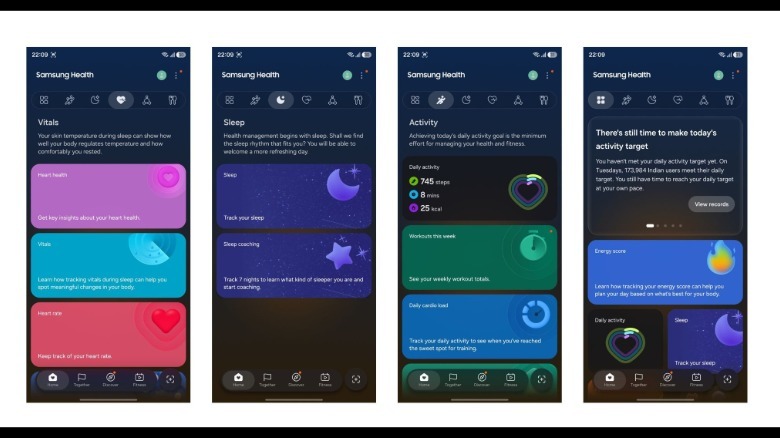
The most immediate change users encounter upon opening the updated app is the visual overhaul. Historically, Samsung Health was criticized for its "infinite scroll" layout—a vertically dense list of health metrics that often felt cluttered and overwhelming. The new interface attempts to address this through a modular, tab-based architecture.
A Cleaner, Tab-Based Experience
The design team at Samsung has moved toward a more organized, card-based aesthetic. The interface now employs rounded edges, increased white space, and a vibrant color palette that differentiates the app from the stark, clinical aesthetic of its predecessors. More importantly, the navigation has been consolidated into six dedicated tabs. This separation allows users to silo their data—separating mindfulness and nutrition from high-intensity fitness and heart health metrics—thereby reducing the cognitive load required to navigate the app.
While the consensus among UI designers is that the update is objectively cleaner, long-term users have expressed frustration. Muscle memory is a powerful factor in app retention; after years of instinctively scrolling to find specific data points, many users have reported feeling disoriented by the new placement of long-standing features.
The Vitals Dashboard: Data-Driven Proactivity
The most technically impressive addition to the ecosystem is the "Vitals" section. Rather than presenting raw, disconnected data, Vitals serves as a centralized intelligence hub.
To function, the app requires a seven-night calibration period, during which the user’s Galaxy Watch or Ring tracks baseline metrics during sleep. Once established, Vitals monitors five critical indicators:
- Heart Rate: Tracking resting heart rate patterns.
- Heart Rate Variability (HRV): A key indicator of nervous system recovery.
- Respiratory Rate: Monitoring breathing patterns during sleep.
- Skin Temperature: Detecting deviations that could indicate illness or stress.
- Blood Oxygen (SpO2): Tracking respiratory health throughout the night.
The innovation here lies in the presentation. Using a visual style reminiscent of an audio equalizer, the app displays bars that shift based on deviation from the user’s baseline. If the app detects a significant anomaly, it triggers an alert, providing users with actionable insights. This shifts the role of the app from a passive recorder to an active wellness assistant.
Deepening Cardiovascular Insights: Cardio Load and Fitness Index
Samsung has also introduced sophisticated algorithms designed to quantify the intensity and efficacy of a user’s workout routine:
- Daily Cardio Load: This feature moves beyond simple step counts. It calculates the cumulative strain on the cardiovascular system throughout the day, providing a "readiness" score. It helps users distinguish between a productive workout and one that might lead to overtraining or burnout.
- Heart Health Score: By synthesizing sleep quality, stress, physical activity, and body composition data, the app generates a score between 0 and 100. A score of 65 or above is considered stable, while anything below 49 serves as a "call to action" for the user to prioritize heart-healthy habits.
- Fitness Index: Perhaps the most competitive element of the update, the Fitness Index compares a user’s cardiorespiratory fitness, strength, and flexibility against demographic averages. By benchmarking users against peers of the same age and gender, Samsung is gamifying health in a way that encourages long-term retention and improvement.
Implementation Challenges and Compatibility Gaps
Despite the technical sophistication of these new features, the rollout has been marred by issues of hardware fragmentation. A significant portion of the user base has found that while their smartphone app has been updated to the latest version, their hardware—specifically older Galaxy Watch models—remains "locked" out of these features.
This has led to a perception of "poor execution." When users download an app update, there is an implicit expectation that the features promised will be functional. However, because many of these advanced metrics rely on the newer sensors found exclusively in the Galaxy Watch 7 and Ultra, owners of older devices are left with a UI that teases capabilities they cannot access. Furthermore, Samsung’s communication regarding device compatibility has been inconsistent, leading to confusion and, in some cases, resentment among loyal customers who feel pushed toward premature hardware upgrades.
The "Ads" Controversy: A Commercialization Conflict
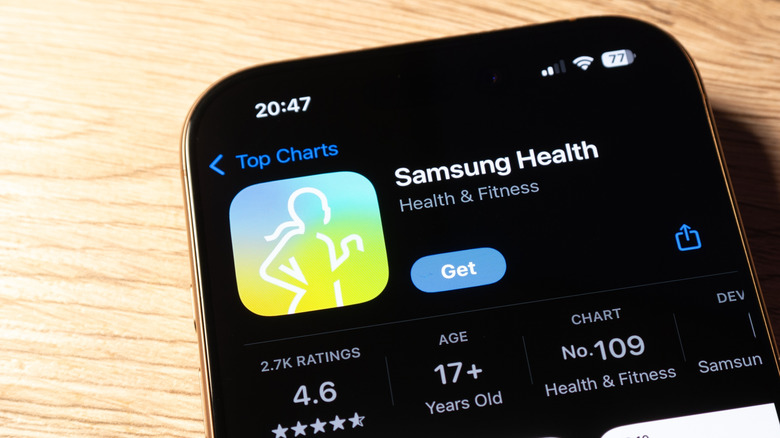
Perhaps the most vocal criticism of the update concerns the emergence of promotional banners within the "Discover" tab. For many users, a health app is a private, personal sanctuary—a place to monitor deeply sensitive medical information. The introduction of advertisements, even if relegated to a specific section, has been viewed by many as a breach of that "wellness" trust.
While the ads are not universal—appearing to be A/B tested across different regions, account types, and hardware—their presence has sparked a broader conversation about the future of digital health. As health apps become more integrated into our lives, the temptation for companies to monetize that attention through third-party promotions increases. Users have argued that they already pay a premium for Samsung hardware, and that their health data should not be used as a billboard for third-party products.
Implications for the Future of mHealth
The recent update to Samsung Health is a microcosm of the current state of the health-tech industry. On one hand, we are seeing unprecedented levels of data synthesis—the ability to turn raw sensor data into meaningful, actionable health guidance (as seen in the Vitals and Cardio Load features). On the other hand, the industry is struggling to balance these advancements with user experience, hardware longevity, and privacy-centric ethics.
As Samsung prepares to launch its next generation of wearable devices, including the rumored Galaxy Watch 9, the pressure will be on the company to streamline the integration between software and hardware. The "love-hate" relationship that users currently have with the app is a warning: technology that monitors the human body requires a level of transparency and consistency that exceeds the standard expectations for mobile software.
For now, Samsung Health remains a powerful tool for those willing to navigate its new complexities. Whether the platform can maintain its status as a premier health companion depends on its ability to listen to its user base, resolve the hardware compatibility gap, and perhaps reconsider the role of advertising in a space where the user’s primary goal is personal well-being, not consumerism.











