Laily UPN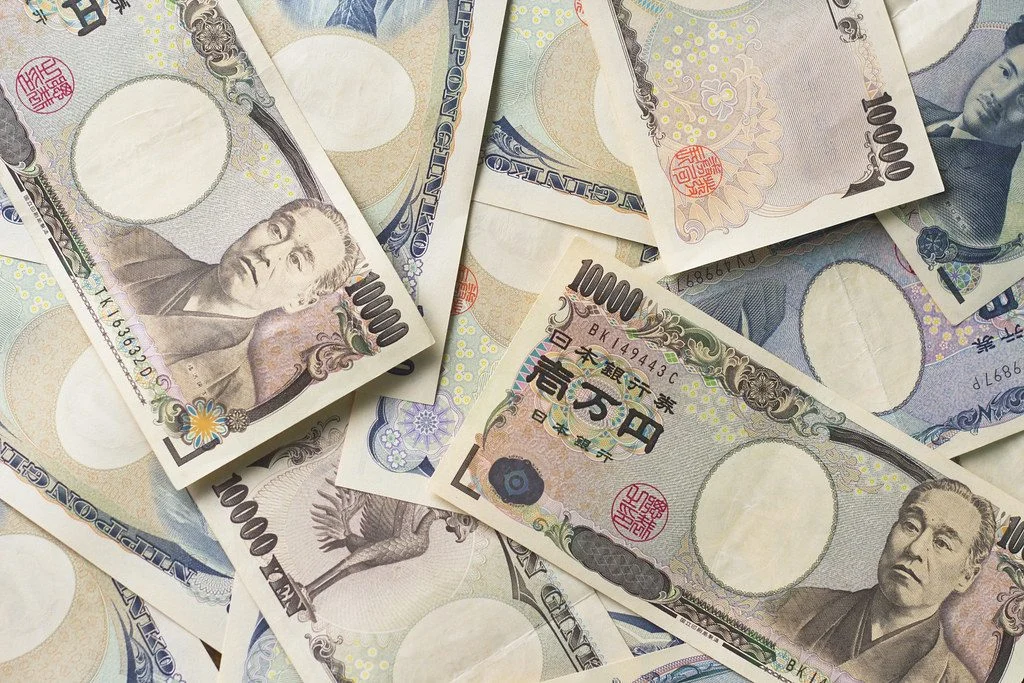
In a move signaling a massive shift in economic policy, the Japanese government has announced a comprehensive plan to inject ¥11.5 billion (approximately $7.5 million USD) into the nation’s creative industries. By targeting 15 leading companies across the anime, manga, gaming, and music sectors, Tokyo aims to propel its cultural exports to a staggering ¥20 trillion in annual overseas sales by 2033. This ambitious initiative, spearheaded by Prime Minister Sanae Takaichi, marks the “content industry” as a cornerstone of Japan’s broader national growth strategy.
The Pillars of the Strategy: Supporting the Cultural Titans
The financial stimulus package is not intended as a broad-spectrum grant but as a surgical intervention. The government has identified 15 specific entities—industry titans that serve as the engines of Japanese soft power—to receive support. The allocation is broken down by sector:
- Anime: Five companies, including global powerhouses like Crunchyroll and Bandai Namco Holdings Inc.
- Manga: Four publishers, notably giants like Shueisha and Kodansha Ltd.
- Gaming and Live-Action/Music: Six companies, featuring industry stalwarts such as Square Enix Co. and NTT Solmare Corp.
The goal of this investment is to bridge the gap between production and global distribution, ensuring that Japanese intellectual property reaches international audiences at a pace that keeps up with modern digital consumption habits.
Chronology of a Cultural Economic Shift
The road to this fiscal commitment was paved by years of accelerating growth in the creative sector, contrasted by the looming threats of digital infringement.
- 2022: The government began tracking significant losses due to piracy, with industry reports estimating annual damages reaching ¥2 trillion.
- 2024: A pivotal moment occurred when the export value of manga and entertainment content reached ¥6.13 trillion, officially surpassing Japan’s semiconductor exports (¥6.08 trillion). This signaled a fundamental shift in the nation’s economic identity from a hardware-focused manufacturer to a content-driven cultural exporter.
- 2025: Piracy levels reached a crisis point, with losses ballooning to an estimated ¥5.7 trillion. This explosive growth in illicit distribution became the primary catalyst for the government’s intervention.
- 2026 (Present): Prime Minister Sanae Takaichi identifies the “content industry” as one of 17 key fields for national investment, culminating in the announcement of the ¥11.5 billion subsidy program.
Supporting Data: The Case for Content
The economic justification for this investment is robust. For decades, Japan’s economic reputation was anchored in its automotive and electronics industries. However, the current data suggests that the global appetite for Japanese storytelling has become the nation’s most reliable growth engine.
The surge in overseas demand has been fueled by the democratization of content through streaming platforms and digital marketplaces. Yet, despite this success, the gap between the release of a title in Tokyo and its authorized global debut remains a significant bottleneck. When consumers are forced to wait months for an official translation or an international release, they frequently turn to illegal scanlation sites or pirated streaming services.
The government’s data suggests that the piracy crisis is not merely a legal issue but a logistical one. By shortening the "time-to-market," the government believes it can effectively convert a portion of the pirate market into legitimate revenue, thereby reclaiming lost billions.
Official Responses and the Role of AI
Prime Minister Sanae Takaichi’s administration has positioned this subsidy not merely as a bailout, but as a technological modernization effort. A significant portion of the funding is earmarked for the implementation of Generative Artificial Intelligence (AI) to revolutionize translation and localization.
Historically, the cost and time required to translate manga volumes and anime subtitles have been the primary inhibitors of rapid global expansion. By integrating AI-driven translation tools, companies can simultaneously release content in dozens of languages.

"The goal is to render the pirate market irrelevant by making the legitimate, high-quality, and instant experience the default for the global consumer," a representative from the Prime Minister’s office noted. By increasing the speed and accessibility of content, the government anticipates a direct correlation with the reduction of copyright infringement, turning the tide against the ¥5.7 trillion annual loss currently bleeding the industry dry.
Implications: A New Era for Soft Power
The implications of this strategy are profound, extending far beyond the balance sheets of the 15 supported companies.
1. Economic Diversification
By prioritizing the content industry, Japan is effectively diversifying its economic reliance. While semiconductors and automobiles remain vital, they are subject to volatile global supply chains and intense competition from regional neighbors. Intellectual property, however, is a resilient asset that carries the added benefit of promoting tourism and Japanese culture—a multiplier effect often referred to as the “Cool Japan” phenomenon.
2. The Technological Arms Race
The reliance on AI for localization is a double-edged sword. While it offers a solution to the speed of distribution, it also places Japan at the forefront of the AI-driven creative economy. This could lead to a secondary industry in Japan: the development and export of proprietary translation technologies tailored specifically for complex cultural nuances, such as honorifics and idioms found in Japanese manga and anime.
3. Combating Global Piracy
The industry’s battle with piracy has reached a stalemate. By subsidizing the infrastructure required for rapid distribution, the government is essentially changing the nature of the fight. If the consumer can access a legal version of a manga chapter simultaneously with its Japanese release—at a reasonable price—the incentive to visit illicit sites diminishes. However, critics argue that AI translation, while fast, may lack the soul and accuracy of human localization, potentially affecting the quality of the product. The government will need to balance speed with the high standards of artistry that fans have come to expect.
4. Strengthening Industry Partnerships
The inclusion of companies like Crunchyroll, which has a massive Western footprint, alongside Japanese publishers like Shueisha and Kodansha, highlights a move toward a more integrated global supply chain. This alignment suggests that the Japanese government is prioritizing partnerships that can navigate the regulatory and legal hurdles of international markets, particularly in North America and Europe.
Conclusion: Looking Toward 2033
The mandate to triple overseas sales to ¥20 trillion by 2033 is an audacious goal, but it reflects a government that has finally recognized the immense value of its cultural output. Whether this investment will successfully mitigate the massive piracy losses remains to be seen, but the intent is clear: Japan is no longer just selling machines to the world; it is selling its stories.
As the 15 selected companies begin to integrate these subsidies into their operational frameworks, the world will be watching to see if this marriage of tradition and high-tech efficiency can redefine the global entertainment landscape. If successful, this initiative will not only secure the future of the anime and manga industries but will also provide a blueprint for how a nation can leverage its cultural heritage to maintain economic dominance in an increasingly digitized world.


 Sagoh
Sagoh
 Ammar Sabilarrohman