

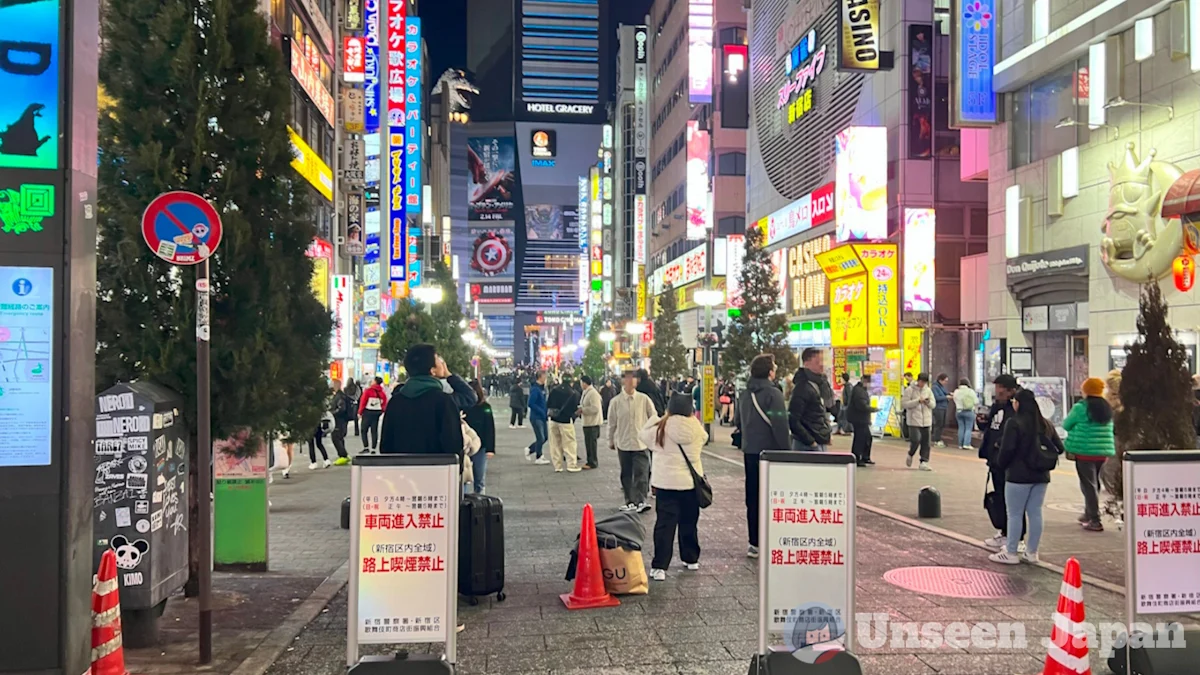
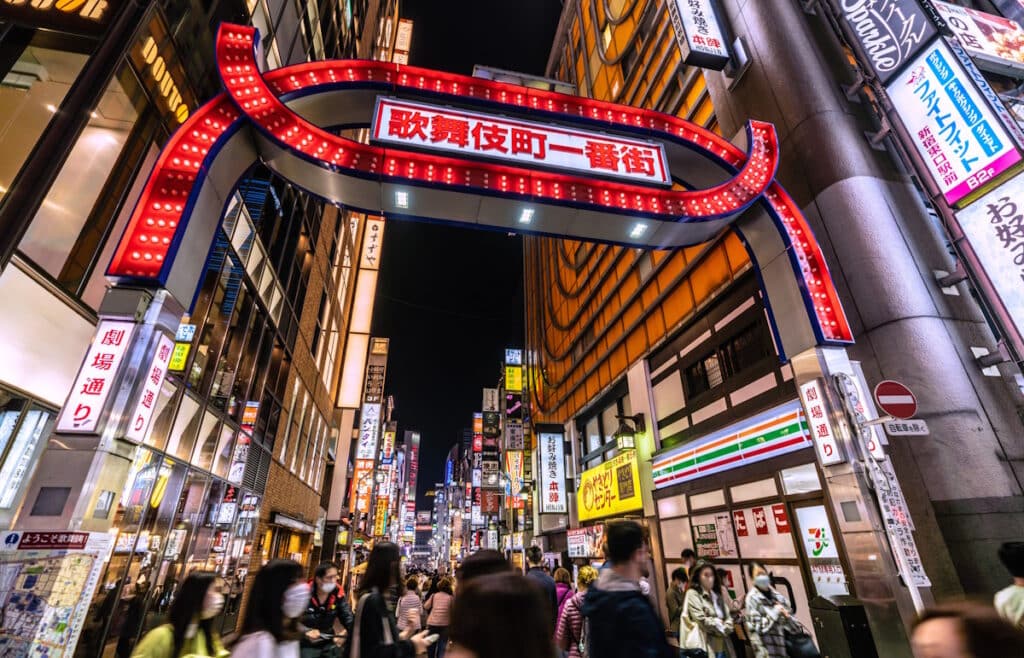
Even for the seasoned traveler or the most reserved visitor, Tokyo’s Kabukicho is a sensory experience that demands attention. Located within the heart of Shinjuku, this compact district is globally recognized as one of the most intense nightlife and adult entertainment hubs on the planet. With thousands of bars, multi-story karaoke parlors, restaurants, and a dizzying array of "only in Japan" entertainment options, the district glows with a chaotic, electric energy that has defined the Shinjuku cityscape for decades.
For many international tourists, the neon-drenched streets of Kabukicho are a "bucket list" destination. However, this allure is frequently accompanied by a lingering question: Is it actually safe? The answer is nuanced. While the district is far from a war zone, it functions as a complex ecosystem where the line between legitimate entertainment and predatory activity is often blurred. Navigating Kabukicho successfully requires more than just a sense of adventure; it requires a strategic understanding of where to go, whom to trust, and, most importantly, what to avoid.
A Brief Chronology: From Theater District to Urban Frontier
To understand the nature of Kabukicho, one must look at its origins. The area was never intended to be the seedbed of vice it is today. Following the devastation of World War II, city planners envisioned Kabukicho as a cultural hub—specifically a site for Kabuki theater. While the theater never materialized in the capacity originally planned, the name stuck, and the area rapidly evolved into a commercial vacuum.
In the decades that followed, Kabukicho became a sanctuary for those who did not fit the rigid, traditional molds of post-war Japanese society. It became a home for the marginalized, a breeding ground for subcultures, and eventually, the epicenter of Tokyo’s nightlife. Today, it stands as a testament to the city’s duality: a place where the mainstream meets the fringe.
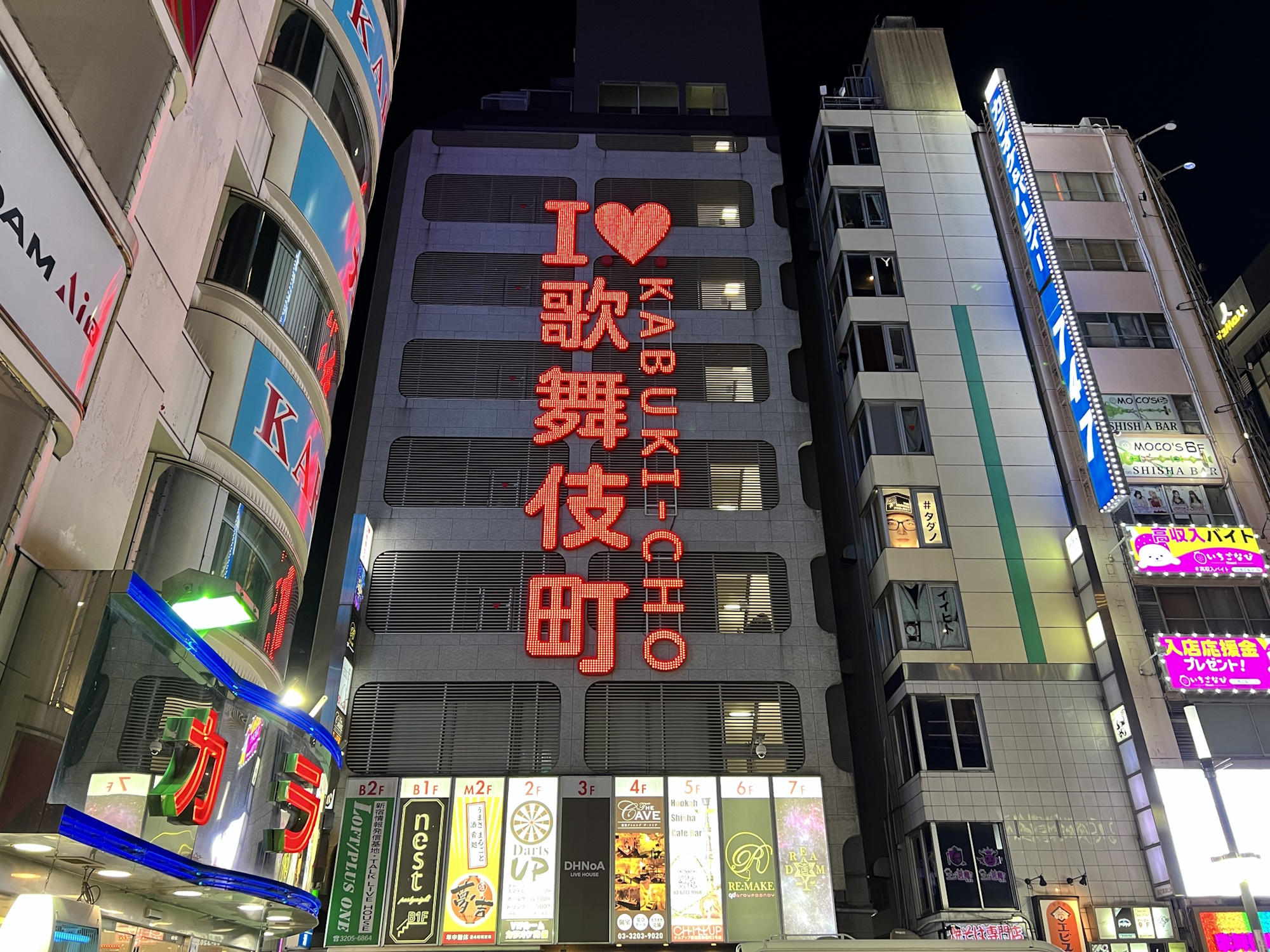
Two distinct areas highlight this diversity. Ni-chōme serves as the pulsating heart of Tokyo’s LGBTQ+ scene, home to approximately 400 bars and legendary venues like the drag performance hub Campy!. Nearby, the historic Golden Gai offers a starkly different experience: a labyrinth of narrow alleys containing over 240 micro-bars, many of which can only accommodate a handful of patrons at a time. These spaces foster a sense of intimacy and community that contrasts sharply with the high-octane commercialization of the main streets.
The Statistical Reality: Crime vs. Violence
When discussing the safety of Kabukicho, the conversation often centers on the perception of crime. If we look at the numbers, the district carries a reputation as a high-crime zone. Shinjuku remains the ward with the highest crime rate in Tokyo, and Kabukicho is the primary driver of these statistics. In 2023, Shinjuku logged over 5,500 recognized crimes, with the 1-chōme and 2-chōme districts of Kabukicho consistently ranking as the most active for police reports in the city.
However, a critical distinction must be made between total crime and violent crime. A granular look at 2024 data reveals that in Kabukicho 1-chōme, only about 17% of reported incidents involved violence. The vast majority of these were isolated, drunken altercations—often the result of too much sake and too little restraint.
The remaining 83% of reported incidents are categorized as non-violent offenses, primarily theft, fraud, and property crimes. In essence, while you are statistically more likely to encounter a petty criminal or a scammer in Kabukicho than in the tranquil suburbs of Setagaya, your risk of being the victim of a random violent assault remains exceptionally low. You are far more likely to be swindled out of your wallet than to be threatened with physical harm.
The "Bottakuri" Crisis: Understanding Predatory Billing
For the average tourist, the greatest threat in Kabukicho is not physical violence, but financial exploitation—specifically a practice known as bottakuri.
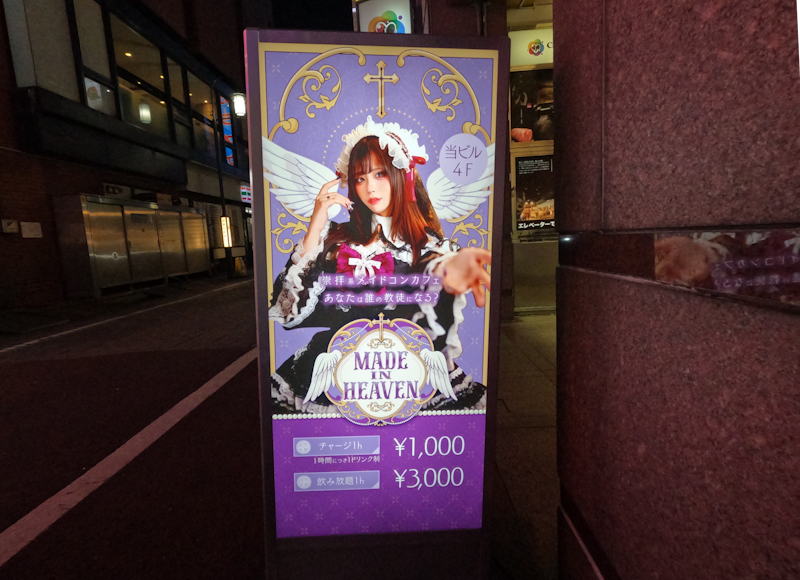
Bottakuri involves the deliberate inflation of bills, often through bait-and-switch tactics. A common scenario involves a tout (a barker) promising an "all-you-can-drink" (nomihōdai) deal for a flat, low price—perhaps 3,000 yen. Once inside, however, the patron is subjected to hidden charges: mandatory "service fees," astronomical costs for "cast drinks" for the staff, or inflated prices for games and snacks. A night that was supposed to cost $30 can quickly escalate into a bill totaling over $1,000.
This practice is often treated by law enforcement as an ordinance violation rather than a criminal offense, unless there is clear evidence of coercion or physical confinement. Because many victims are either too embarrassed to report the incident, intoxicated, or planning to leave Japan the following day, the true scope of bottakuri is notoriously difficult to measure. While official figures suggest losses in the hundreds of millions of yen, local lawyers and advocacy groups suspect that the actual financial impact is significantly higher.
The Role of Barkers and "Information Centers"
The primary gatekeepers of these scam operations are the street touts, known as kyaku-hiki. Operating in violation of local ordinances, these individuals patrol the streets, targeting tourists with persuasive scripts. Despite strict regulations—which can lead to fines of up to 1,000,000 yen for business owners—the business model remains lucrative. Touts often receive commissions of 10–20% on the revenue they generate from their "marks."
Tourists should also exercise extreme caution regarding so-called "free information centers." While these storefronts claim to be neutral guides for finding entertainment, they are essentially referral agencies that receive kickbacks from the very establishments they recommend. They are not independent, and they are rarely acting in the best interest of the customer.
Navigating Safely: A Practical Guide
To enjoy the vibrant nightlife of Kabukicho without falling victim to its darker side, visitors should adhere to a strict set of safety protocols:
- Do Not Engage with Touts: This is the golden rule. Ignore anyone who approaches you on the street to suggest a bar, club, or massage parlor. Do not make eye contact, do not engage in conversation, and do not accept flyers. If a tout persists, walk toward a police box (kōban). The presence of law enforcement is almost always enough to make them retreat.
- Verify Before You Visit: Rely on reputable, verified sources. Use Google Reviews, established travel guidebooks, or specialized nightlife blogs that provide vetted, legitimate recommendations. If a place has no online footprint, be skeptical.
- Understand the Legal Landscape: Street prostitution is illegal in Japan. While the government has historically been lenient toward customers, there is a growing movement to penalize the patrons of these services. Furthermore, engaging in such activities exposes you to extreme risks, including scams, extortion, and involvement with organized criminal elements.
- Know Your Resources: If you find yourself in a situation where you believe you have been scammed, contact the authorities immediately. You can dial 110 for emergency services; many dispatchers have access to translation services for English, Chinese, and Korean speakers. Additionally, the Japan National Tourism Organization (JNTO) operates a 24-hour travel hotline (050-3816-2787) for tourists in need of assistance.
Official Responses and Future Implications
The Tokyo Metropolitan Police and the Shinjuku municipal government have not been idle in the face of these challenges. Recent years have seen a surge in "anti-bottakuri" campaigns, with increased police patrols and signage warning tourists about the dangers of kyaku-hiki.
However, the nature of the district means that these criminal elements often evolve faster than the law can keep up. As Japan continues to see record-breaking numbers of international tourists, the "predatory market" of Kabukicho is adapting its tactics to target visitors who may be less familiar with the local customs or the legal protections available to them.
The Japanese government is currently weighing stricter regulations that would further empower police to shut down businesses that systematically employ illegal touts. There is also a broader social dialogue occurring regarding the "fuzoku" (adult entertainment) industry, with activists pushing for better protections for the vulnerable individuals working within these systems, particularly those coerced by debt or exploitation.
Conclusion
Kabukicho is a paradox: it is one of the most vibrant, fascinating, and culturally significant nightlife districts in the world, yet it remains a place where one must keep their wits about them. It is not inherently "dangerous" in the way that many Western urban centers are, but it is a place of high-stakes commerce where, if you are not careful, you can become the product.
By avoiding the touts, ignoring the "free" information centers, and sticking to vetted, reputable venues, visitors can enjoy the unique, neon-lit magic of Kabukicho safely. The district is a living, breathing testament to Tokyo’s complexity—a place that rewards the informed traveler and punishes the reckless. Treat it with respect, maintain your situational awareness, and you will find that the "dark side" of Tokyo is not a place to fear, but a place to witness with clear eyes.











