After more than two years of curating the "Science Fiction Film Club," a column dedicated to the deep-dive analysis of speculative cinema, I have reached a significant milestone: the review of my 100th science fiction film. When I embarked on this project, I was not a self-proclaimed cinephile. I entered the fray with a casual fondness for the genre, a scattered collection of trivia, and a hungry desire to understand the mechanics of the "impossible" on screen.
Today, that casual interest has evolved into a profound appreciation for the genre’s capacity to act as a mirror for the human condition. Reaching this century mark offers a perfect vantage point to survey the landscape of sci-fi history, the nature of artistic production, and the enduring importance of maintaining a curious, open mind in an era of polarized criticism.
Chronology: The Invisible History of Speculative Cinema
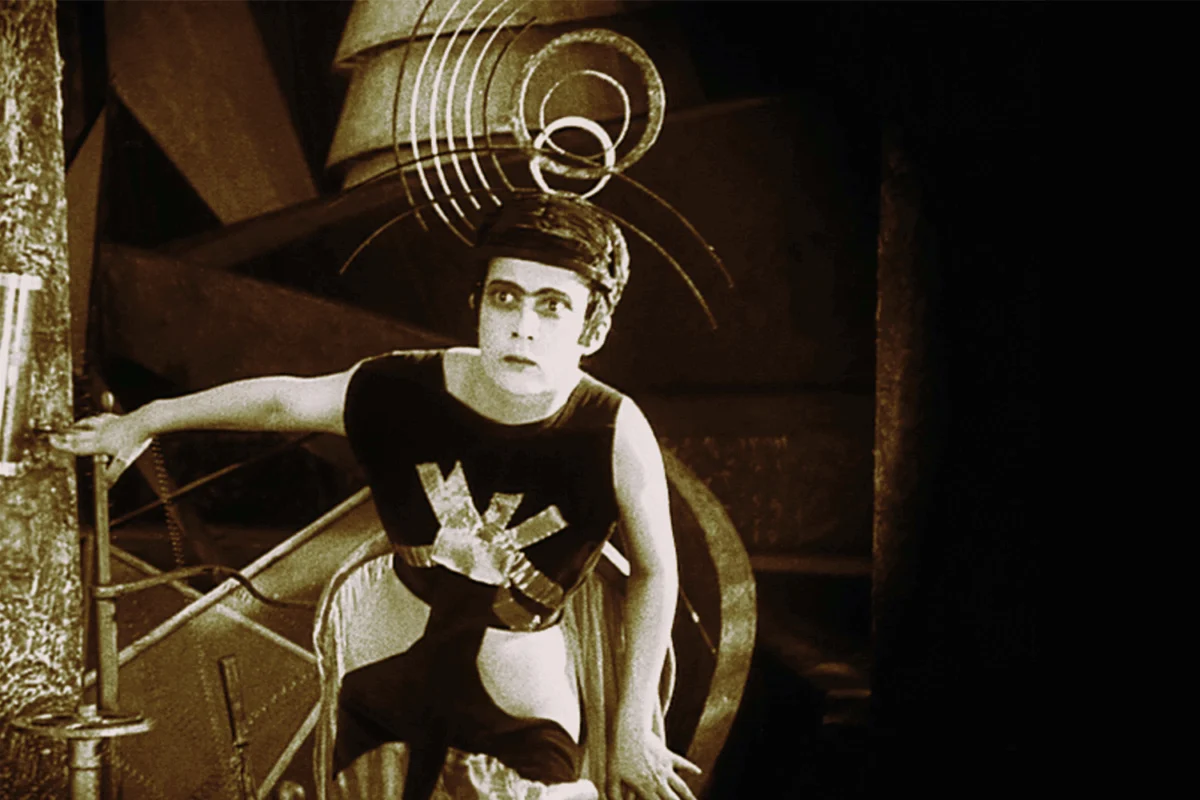
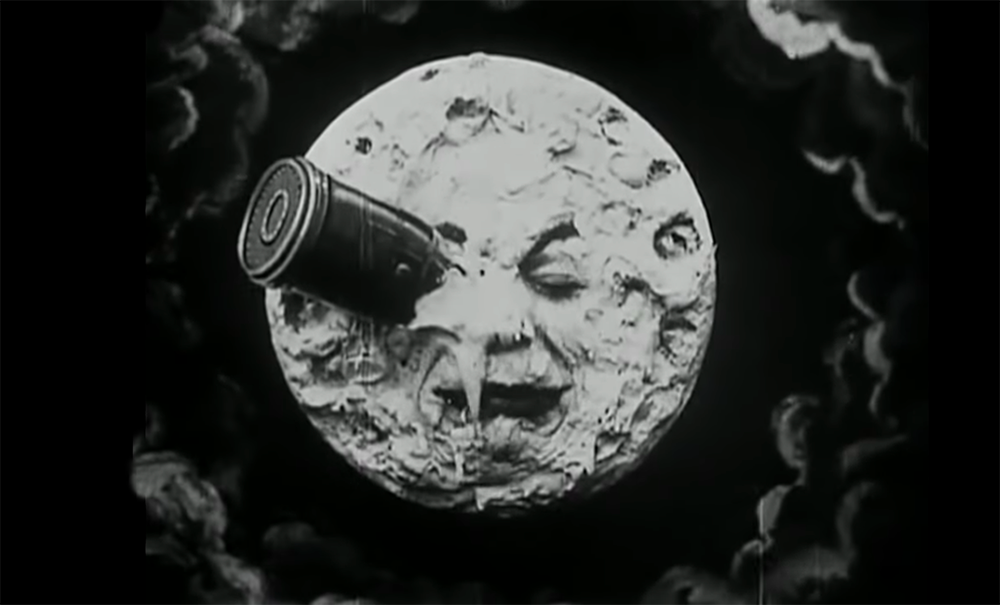
One of the most persistent myths in film scholarship is that science fiction is a relatively modern phenomenon, a genre that only gained "legitimacy" with the blockbuster success of Star Wars in 1977. This narrative suggests that, aside from a few isolated touchstones—Georges Méliès’ A Trip to the Moon (1902), Fritz Lang’s Metropolis (1927), and Stanley Kubrick’s 2001: A Space Odyssey (1968)—science fiction was largely a wasteland of B-movie schlock.
This is a revisionist error. A chronological review of the medium proves that science fiction has been a core component of filmmaking since the birth of the camera. The moment early pioneers realized that film could depict things that did not exist in reality, they immediately began crafting aliens, rocket ships, and temporal anomalies.
The issue lies in the historical lens. For decades, film historians prioritized "gritty realism," relegating sci-fi to the realm of the "silly" or the "unimportant." Yet, by looking at the evolution of the genre, it becomes clear that sci-fi was the testing ground for cinematic language. From the expressionist anxieties of the Weimar Republic to the Cold War paranoia of the 1950s, the genre has been a consistent, if often overlooked, engine of industry innovation. To view sci-fi as a recent, "baffling" success is to ignore a century of creative labor that kept the dream of the future—and the fear of it—alive on the silver screen.
Supporting Data: The Ecosystem of Passion Projects
My journey through 100 films has revealed a fundamental truth about the creative process: every film contains a kernel of genuine passion, even those dismissed as cash-grabs.
We often fixate on the "auteur" narrative—the idea that a film is the singular vision of a visionary director. However, the reality of cinema is a complex, collective ecosystem. Even in low-budget, hurried productions designed solely to exploit the success of a competitor, there is invariably a department, a craftsperson, or a technician who poured their heart into the project.
- The Case of Rocketship X-M (1950): Produced in a whirlwind to compete with Destination Moon, the film is often derided for its rushed nature. Yet, it contains hauntingly thoughtful themes and sophisticated artwork that transcend its "quick-buck" origins.
- The Case of It! The Terror From Beyond Space (1958): Created in just a week with borrowed props, the film is anchored by the masterful monster suit work of Paul Blaisdell.
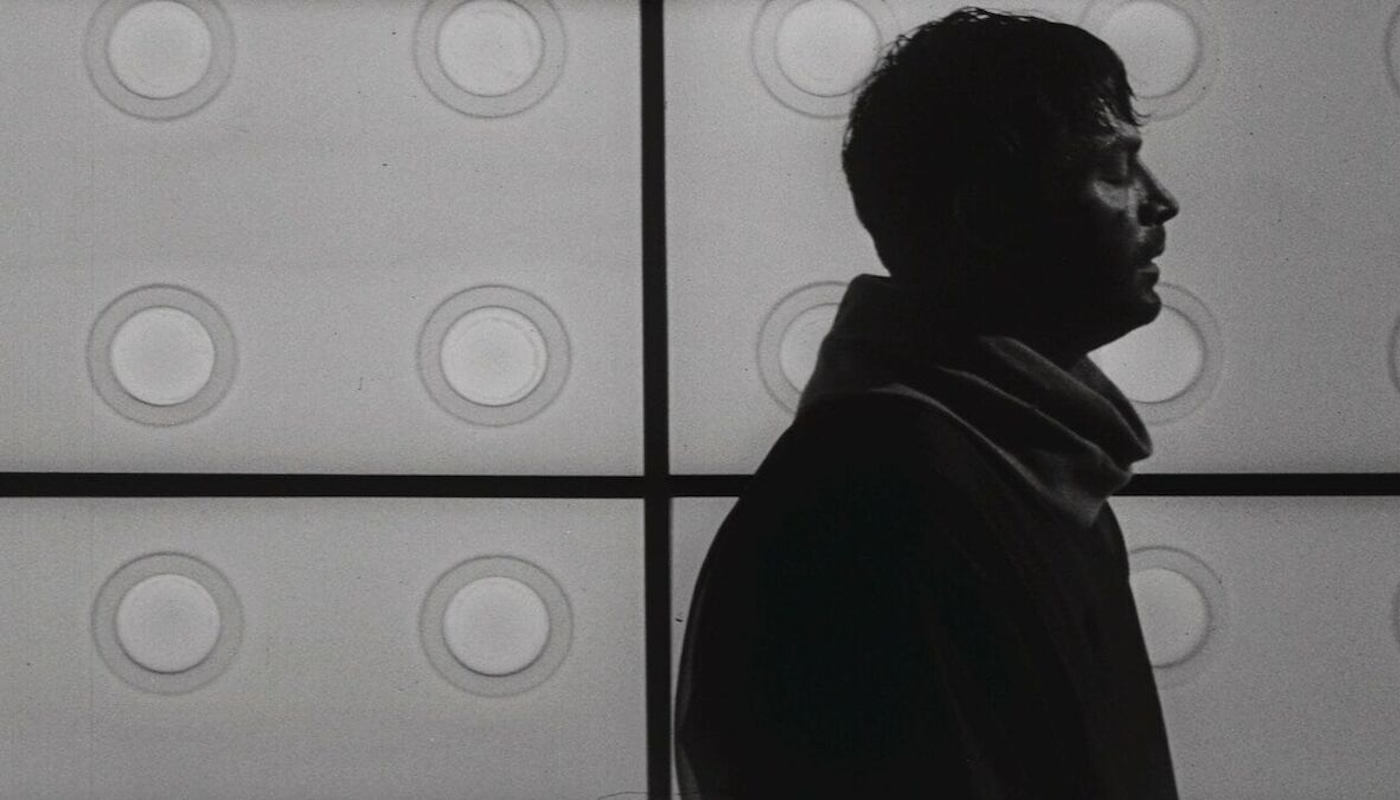
- The Case of Planet of the Vampires (1965): While intended as a simple monster feature, Mario Bava’s direction elevates the film through sheer atmospheric tension, proving that "schlock" is often just a label applied to works that don’t fit the high-art establishment’s criteria.
This reinforces a vital lesson: artistic value is not binary. It is not simply "good" or "bad." It is the result of thousands of micro-decisions made by people who are often working under extreme constraints. To dismiss a film entirely is to dismiss the craftsmanship of those who made it.
The Case for Craftsmanship: Beyond the CGI Paradigm
Perhaps the most contentious realization I’ve reached over these 100 films is the necessity of preserving practical effects. While computer-generated imagery (CGI) has undoubtedly expanded the horizon of what we can depict on screen—as seen in the seamless blend of techniques in The Fifth Element (1997) or The Matrix (1999)—the industry’s pivot toward total digitalization has come at a high cost.

The wholesale abandonment of practical effects represents a loss of institutional knowledge. When we stop using miniaturists, physical set builders, and animatronics, we lose the tactile, weight-driven physics that gave earlier films a sense of reality.
Saving money is often cited as the justification for this shift, but the data suggests this is a hollow argument. Independent films like Moon (2009) prove that practical effects are often more economical than digital ones. More importantly, the value of art cannot be tethered to an investment portfolio. Artistry—the ability to create a world out of glue, paint, and light—has a profound, collective value. It is a showcase of human ingenuity that deserves to be protected, not just because it looks good, but because it represents a way of interacting with the physical world that is worth maintaining.
Official Responses and Changing Perspectives: The Habit of Nuance
Living in an age where media criticism is often reduced to "take-culture" and binary appraisals, maintaining a balanced perspective has been a challenge. When I started this column, I was terrified of being "wrong." I felt that if I didn’t love a film, it was a failure.
I have since learned that "I don’t like it" or "This has problems" are not synonymous with "This is a waste of time." Through the practice of watching, I have developed a habit of radical empathy. I watch each film not to judge it by my personal tastes, but to understand what the creators were attempting to achieve within their specific historical and technical context.
This habit has leaked into other areas of my life, from how I approach music to how I interpret political discourse. It turns out that the world is infinitely richer when we approach art with the assumption that it does not need to be "for us" to be worth understanding. This realization has been the most valuable takeaway from this 100-film journey.
Implications: Science Fiction as a Historical Artifact
Science fiction is the most "responsive" genre in cinema. It does not exist in a vacuum; it acts as a barometer for the collective anxieties of its time.
- The Weimar Republic used sci-fi to process the trauma of WWI.
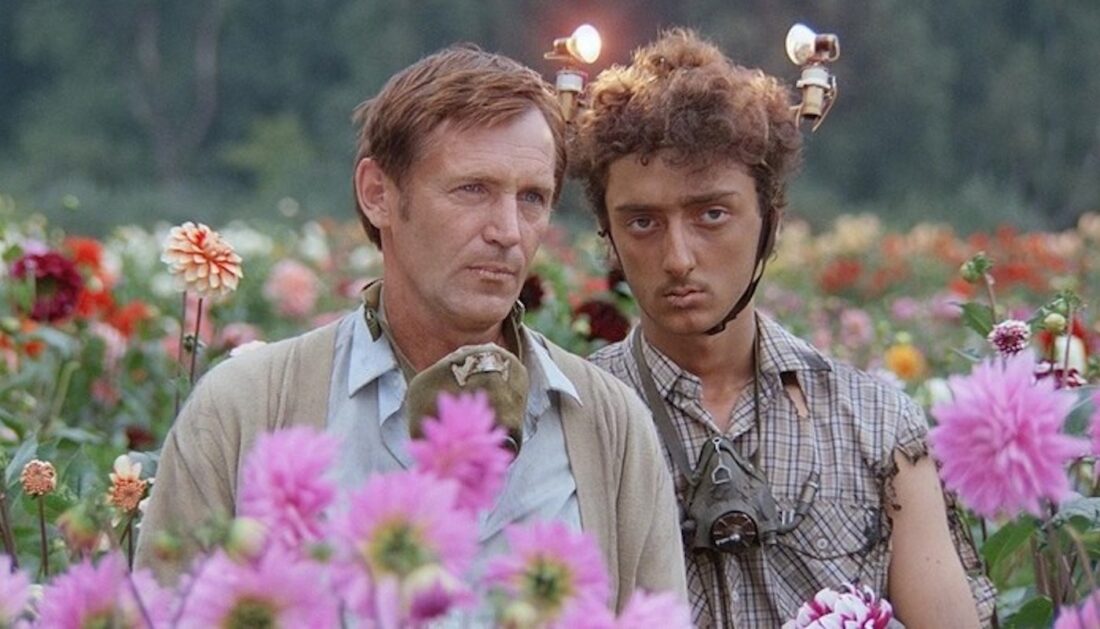
- The Soviet Union used it to dream of a socialist utopia in the stars.
- The Reagan Era used it to critique systemic inequality and consumerism (as seen in They Live).
The genre is neither inherently optimistic nor bleak; it is whatever the era needs it to be. As we continue to face a future defined by technological disruption and environmental uncertainty, science fiction remains our best tool for simulating the consequences of our actions.
Looking Ahead: The Search for New Revelations
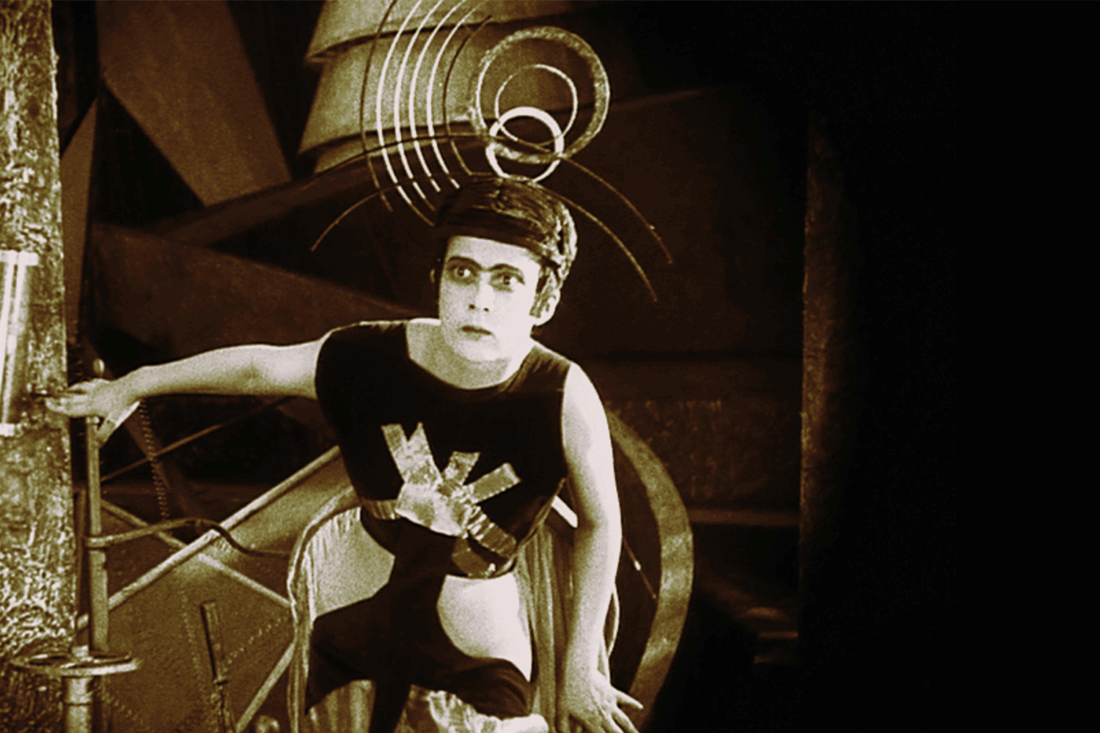
My list of "favorites" has shifted dramatically over these two years. Films that I once found inaccessible, such as Stalker (1979), have become revelatory experiences. Films I loved as a teenager, such as Twin Peaks: Fire Walk With Me (1992), have gained layers of meaning as I have aged.
The joy of this project is the knowledge that the "definitive" list of science fiction films does not exist. There is always another masterpiece waiting to be uncovered, another forgotten B-movie with a surprising thematic core, and another perspective to consider.

As I move toward the next 100 films, beginning with Colossus: The Forbin Project (1970), I invite you to join me in this pursuit. The archives are deep, the history is vast, and the conversation is far from over. If there are films you believe have been overlooked, or classics that demand a second look through a contemporary lens, please share them below. Science fiction is, after all, a collective project—one that belongs to all of us.