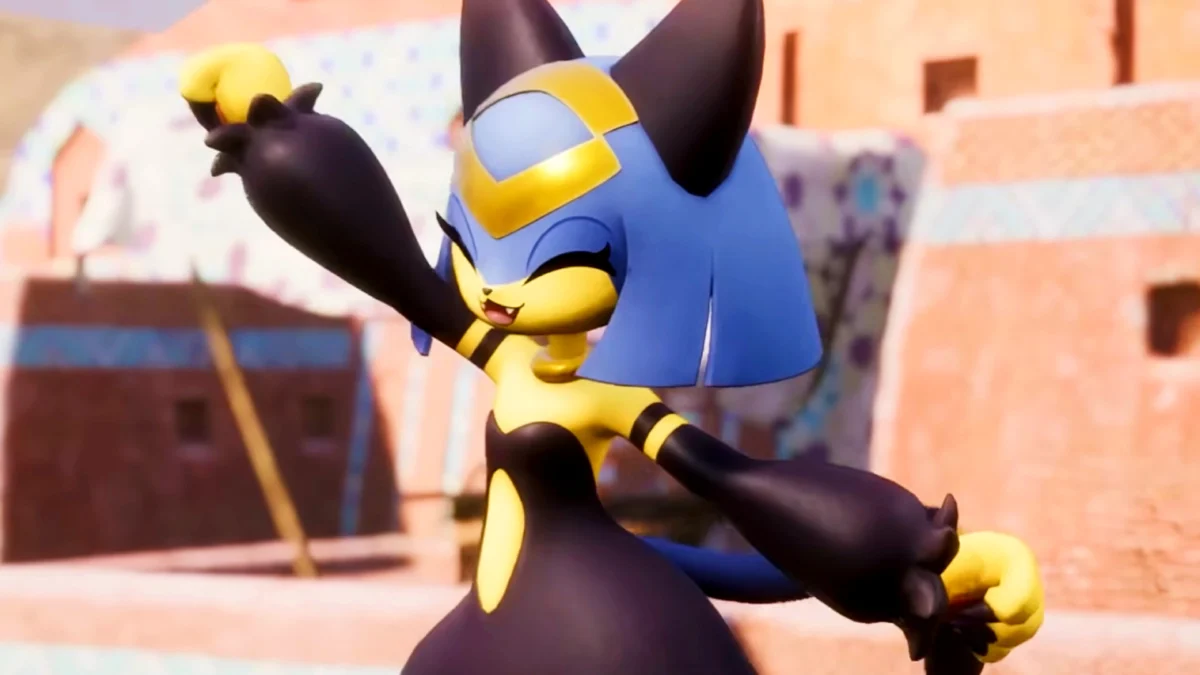
It is rare in the volatile landscape of modern gaming to see a title defy the “flash-in-the-pan” narrative, but Palworld has officially shattered the glass ceiling of industry expectations. Two and a half years after its explosive Early Access debut—a launch that saw it ascend to the second-highest concurrent player count in Steam history—the title has shed its “in-development” label. The arrival of Palworld 1.0 marks not just a milestone in software development, but a definitive statement: this is a survival juggernaut with long-term staying power.
With player counts surging toward the one-million mark once again, developer Pocketpair is proving that the initial viral interest was not merely a byproduct of novelty, but a genuine appreciation for a deep, mechanical loop that combines creature collection with high-stakes survival.
A Chronology of Chaos and Growth
To understand the magnitude of Palworld 1.0, one must look back at the chaotic trajectory of the game’s lifespan.
The Early Access Phenomenon (January 2024)
When Palworld first arrived on Steam, it was an overnight sensation. Despite its modest budget and the indie pedigree of Pocketpair, the game peaked at a staggering 2,101,867 concurrent players. It became a cultural touchstone, discussed everywhere from mainstream news outlets to niche gaming forums. The premise—a creature-collector with survival mechanics, base building, and, most controversially, firearms and labor-intensive creature management—resonated with millions.
The Middle Period and Legal Hurdles
Following the initial hype, the game faced intense scrutiny. Beyond the standard growing pains of an Early Access project, Pocketpair found itself in the crosshairs of Nintendo and The Pokémon Company. The ongoing litigation, which centers on allegations regarding intellectual property and creature design similarities, created a cloud of uncertainty. During this time, the development team remained stoic, navigating the legal storm while simultaneously rolling out patches, performance optimizations, and content updates.
The 1.0 Transformation
The path to 1.0 was characterized by a commitment to iterative improvement. Pocketpair used the intervening years to pivot from a "meme-worthy" hit to a polished, feature-complete survival experience. By the time the 1.0 update went live, the game had been significantly overhauled, with balance tweaks, visual redesigns, and a massive expansion of the world map and bestiary.
Supporting Data: The Steam Surge
The metrics surrounding the 1.0 launch are nothing short of impressive. At the time of writing, Palworld has reached a peak concurrent player count of 855,525. While this sits below the initial 2.1 million peak, it is a figure that only 13 games in the history of Steam have ever achieved.

The sustainability of these numbers suggests that the player base is not just "checking in" to see what has changed, but is actively engaging with the new content. The retention rate of returning players, paired with an influx of new users taking advantage of the launch-week discount, paints a picture of a healthy, growing ecosystem.
Furthermore, the expansion of the Pal roster from its original size to a staggering 287 unique creatures ensures that the "collector" aspect of the game remains fresh for veterans. The introduction of the "Awakening" and "Mutation" systems adds a layer of depth that appeals to the min-maxing, hardcore demographic—a group that often keeps live-service games alive long after the casual audience has moved on.
Official Responses and Developer Sentiment
The atmosphere at Pocketpair is one of humble shock. Community Manager John ‘Bucky’ Buckley has been the primary voice of the studio during this resurgence, maintaining an open and transparent line of communication with the player base.
"I promise I’ll try not to just be posting Steam numbers every day, but… really, thank you so much, gamers," Buckley wrote in a recent social media update. His sentiment is echoed by the broader development team, who have expressed that while their internal projections for 1.0 were optimistic, the actual engagement levels have been "staggering."
The studio’s focus has remained squarely on the player experience. By prioritizing content such as the "Sunreach" region, the narrative expansion surrounding the World Tree, and the long-requested inclusion of in-game voice chat, Pocketpair has demonstrated that they are listening to the community’s wishlist. This feedback loop is essential to the game’s endurance, as it fosters a sense of partnership between the developers and the players.
Implications for the Survival Genre
The success of Palworld 1.0 has broader implications for the survival and open-world genres. For years, the industry operated under the assumption that "creature-collecting" was a niche dominated by a single, multi-billion-dollar franchise. Palworld has successfully argued that there is a massive, underserved market for a "mature" take on the genre.
Legal and Creative Precedent
The ongoing litigation with Nintendo serves as a cautionary tale for the industry. As the case moves toward the presentation of evidence this October, the outcome will likely set a legal precedent for how "game mechanics" and "creature designs" are protected in the digital age. Regardless of the verdict, Pocketpair has already shown a willingness to adapt; they have proactively adjusted Pal Spheres and certain creature designs to distance the game from potential infringement, signaling a maturity in their development approach that many did not expect.
The "One-Hit Wonder" Myth
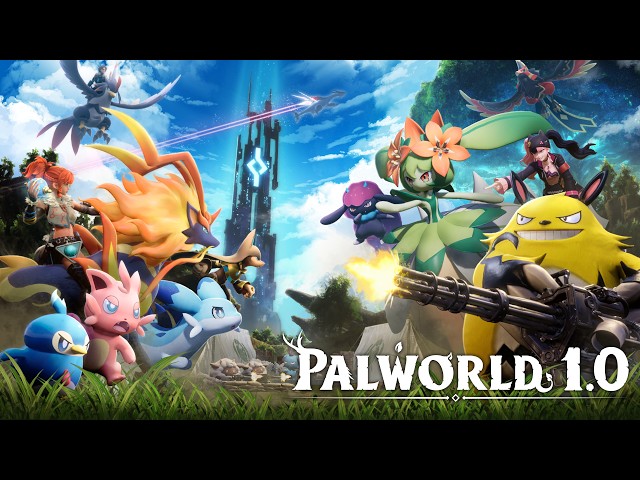
Perhaps the most significant implication is the death of the "one-hit wonder" narrative for Palworld. By releasing a robust 1.0 update that adds 72 new Pals, a higher level cap, and an overhauled progression system, Pocketpair has validated the "games as a service" model for indie developers. They have proven that with consistent, high-quality updates, a studio can maintain relevance in an industry that moves at breakneck speed.
Economic Strategy
The decision to keep the price point accessible—currently discounted to $20.99—is a strategic move that favors volume and community growth over short-term profit margins. By lowering the barrier to entry, Pocketpair is incentivizing word-of-mouth growth, which remains the most powerful marketing tool in the modern gaming economy.
The Road Ahead: What’s Next?
As the weekend surges continue, the question on everyone’s mind is: where does Palworld go from here?
The content roadmap is already showing signs of further expansion. The introduction of the World Tree and its secrets suggests that the developers are leaning into a more structured, narrative-driven experience. The rework of raids and the addition of complex crafting interfaces indicate that the game is moving toward a more polished, endgame-focused loop.
If the past two and a half years have taught us anything, it is that betting against Palworld is a fool’s errand. The game has transitioned from an experimental project born of passion and controversy into a cornerstone of the survival genre. Whether the current player surge is the new baseline or merely a temporary peak, the substance of the 1.0 release ensures that the world of Palworld will be a thriving, competitive, and evolving landscape for years to come.
For those who have been sitting on the fence, the 30% discount available through July 23 offers the perfect invitation. Palworld is no longer just a trend—it is a destination. And for now, it seems the magic is only just beginning.