

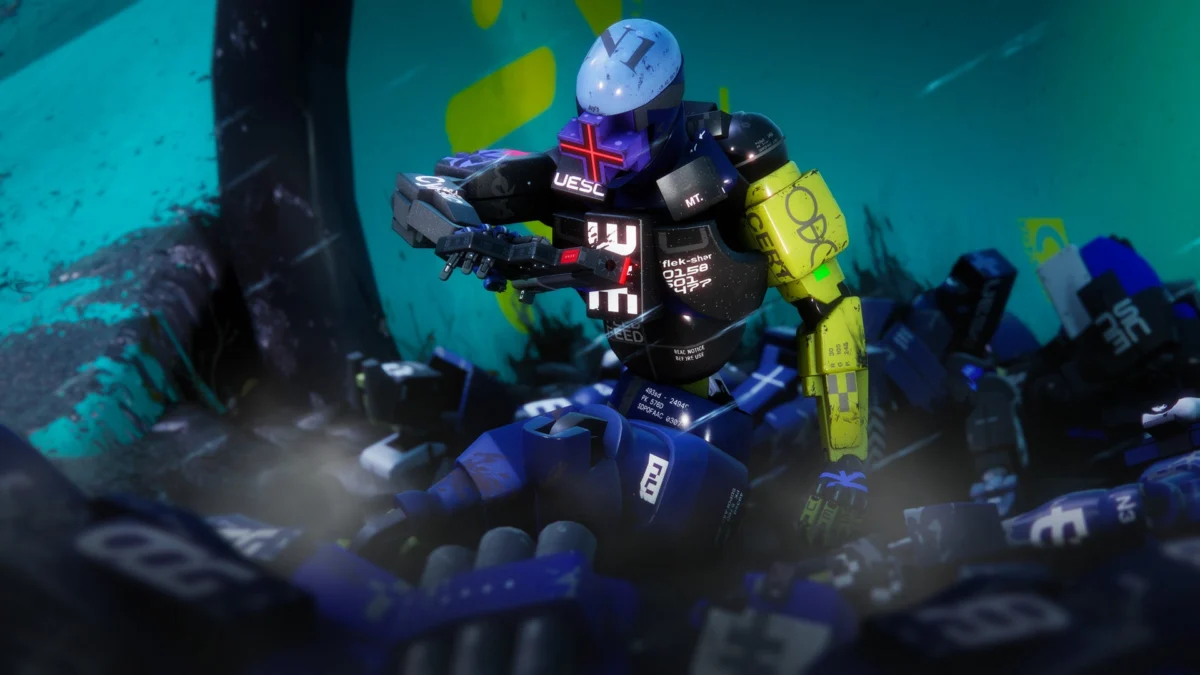
The long-awaited arrival of Marathon, the bold new extraction shooter from Bungie, has finally come to pass. Following years of development marked by significant delays, a high-profile plagiarism lawsuit, and at least one comprehensive internal reboot, the title is now live. However, the game’s entry into the market has been met with a complex reception, characterized by a solid, albeit underwhelming, player count that falls short of the momentum generated during its pre-launch "Server Slam."
While the industry often looks to early concurrent player counts as a barometer for long-term health, Marathon presents a unique case study. The game, which represents Bungie’s first major departure from the Destiny franchise since the studio’s acquisition by Sony, is attempting to redefine the extraction shooter genre. As the initial excitement of launch day settles, the question remains: is this a slow burn or a sign of deeper trouble for the iconic studio?
The Chronology of a Turbulent Development
To understand the current state of Marathon, one must look at the path it took to reach the storefronts. When Bungie first teased the revival of its classic 1994 franchise, the announcement was met with overwhelming nostalgia and curiosity. However, the road to release was anything but smooth.
The project faced internal pressures that necessitated a shift in direction, including a "reboot" of its design philosophy to better align with the evolving demands of the extraction genre. These technical and creative shifts, combined with external challenges—including a highly publicized plagiarism lawsuit regarding the game’s narrative and aesthetic direction—kept the community in a state of perpetual uncertainty.
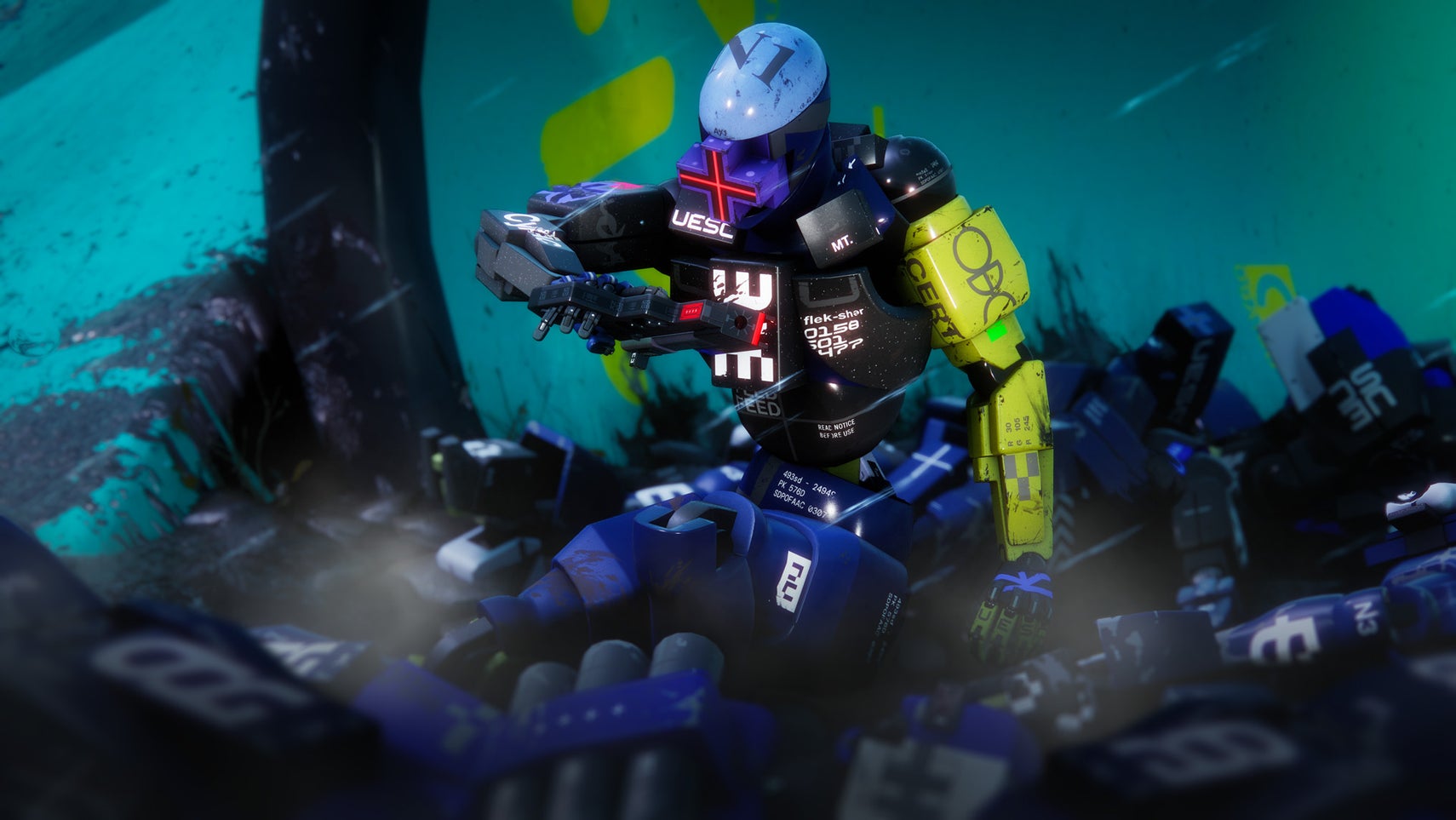
The turning point for public perception arrived with the "Server Slam," a multi-day open beta that allowed players to experience two maps, multiple classes, and a representative slice of the game’s core progression systems. For many, this was the first time they could touch the gameplay loop. The reception was largely positive, with players praising the game’s gunplay and atmosphere, leading to a peak concurrent player count of 143,621 on Steam. This figure served as a massive vote of confidence, signaling that even in a crowded market, Bungie’s brand carried immense weight.
Supporting Data: The Disparity Between Beta and Launch
In the modern gaming industry, a "Server Slam" is designed to stress-test architecture while simultaneously building hype. However, the transition from a free, accessible test to a full-market launch rarely follows a linear trajectory.
According to data provided by SteamDB, Marathon peaked at 88,337 concurrent players on its launch day. When compared to the 143,621 users who participated in the Server Slam, the disparity is stark. In many successful live-service titles, the official launch—often accompanied by marketing pushes and creator campaigns—dwarfs the beta numbers.
For comparison, industry analysts frequently cite Arc Raiders, an Embark Studios shooter, as a benchmark. Arc Raiders saw a massive surge at its official launch, far outpacing its own testing phases. The expectation for Marathon was that it would follow this "growth trajectory," where the barrier to entry (the launch) would be met with an influx of new players rather than a retention of the existing beta pool. The current reality—a decline to roughly 60% of the beta’s peak—suggests that the game has struggled to capture a broader mainstream audience beyond the core "Bungie faithful" who participated in the test.
A "Very Positive" Narrative vs. Cold Numbers
Despite the cooling concurrent player counts, it would be premature to write off Marathon. A vital piece of context is the game’s user reception. As of this writing, Marathon boasts a "Very Positive" rating on Steam, with over 4,600 user reviews echoing a high degree of satisfaction with the gameplay loop.
This creates a fascinating dichotomy: the game is technically and creatively well-regarded by those who are playing it, yet the total volume of players is not scaling as aggressively as investors or developers might hope. This often points to a "discovery" issue rather than a "quality" issue. The extraction shooter genre is notoriously difficult to break into, dominated by titans like Escape from Tarkov and the rising tide of Hunt: Showdown. For a player to commit to a new, high-stakes extraction shooter, they must be willing to sacrifice time from their existing "main" game.

The positive word-of-mouth currently circulating may serve as the fuel for a "long tail" growth strategy. If the current player base continues to advocate for the game, Marathon may see a steady climb throughout the coming weekend, as casual players who were "cautious" during the launch window finally decide to jump in.
Official Responses and Studio Positioning
Bungie has remained characteristically measured in its communications. The studio is well-versed in the volatility of live-service launches, having shepherded Destiny through nearly a decade of highs and lows. While they have not issued a formal statement regarding the player counts, internal messaging has focused on the "long-term vision" for the Marathon universe.
By moving away from the looter-shooter mechanics of Destiny and into the high-tension, high-reward space of extraction, Bungie is positioning Marathon as a foundation for a new ecosystem. The studio’s focus is currently on server stability and responding to player feedback from the first 48 hours of live play. They are keenly aware that in the world of modern gaming, a game’s first week is only the prologue to its lifecycle.
The Broader Implications: Is the Extraction Market Saturated?
The performance of Marathon brings up a larger, industry-wide question: has the extraction shooter market reached a saturation point?
With several high-budget entries competing for the same slice of the player base, the "winner-takes-all" mentality that defined the Battle Royale era of 2017–2019 seems to have returned. If Marathon—a game with a massive pedigree and a highly successful beta—cannot hit triple-digit thousands on its launch day, it may signal that players are becoming increasingly selective about which titles they add to their rotation.

For Bungie, the implications are significant. The studio is currently undergoing a period of transition, and Marathon is intended to be the flagship that carries them into the next decade. The company’s ability to pivot, update, and iterate based on community feedback will be the true test.
Conclusion: The Weekend Will Tell
The initial launch numbers for Marathon are neither a disaster nor a triumph; they are a warning light that requires careful navigation. A launch-day peak of 88,000 players is, in isolation, a strong showing for a new IP in a difficult genre. However, the inability to match the "Server Slam" energy suggests that the conversion rate from curious tester to committed player is lower than anticipated.
The coming weekend will be the true crucible. If the player count begins to climb as the work week ends and the word-of-mouth continues to trend toward "Very Positive," Marathon may yet find the momentum it needs to cement itself as a pillar of the genre. If the numbers continue to drift downward, Bungie may be forced to accelerate its post-launch roadmap to entice players back into the fray. For now, the studio is watching, the players are playing, and the industry is waiting to see if Marathon has the endurance to survive the extraction.











No comments yet. Be the first to join the conversation!