By Kevin Christopher Sullivan
Published: July 2, 2026, 4:10 PM EDT
For many gamers of a certain vintage, the Sega Genesis was the gateway to a universe of interactive entertainment. While the console may not have boasted the sheer volume of role-playing games (RPGs) found on its 16-bit rival, the Super Nintendo Entertainment System, it offered a distinct and often edgier selection. For a young RPG enthusiast growing up with a Genesis, this curated library presented a unique challenge – a treasure trove, perhaps, but one that often required a significant investment of time and resources to access today. Unearthing these beloved titles often means dusting off ancient hardware, hunting down rare physical copies, or navigating the often legally ambiguous world of emulation.
This article delves into a curated selection of Sega Genesis RPGs that have, for various reasons, largely faded from mainstream availability. These are titles that, despite their unique charms and gameplay innovations, have not seen official re-releases or ports to modern platforms, leaving them largely inaccessible to a new generation of gamers. From cyberpunk noir to high fantasy quests, these games represent a forgotten chapter in the rich history of the RPG genre, a chapter that, with a little luck and a lot of advocacy, could be reopened. We will explore their historical context, the reasons for their obscurity, and why they continue to hold a special place in the hearts of those who remember them.
The Genesis of a Passion: A Sega Kid’s RPG Journey
My formative years as a gamer were deeply intertwined with the Sega Genesis. As an ardent fan of role-playing games, this presented an intriguing dichotomy. While the Genesis certainly offered a respectable lineup of RPGs, the sheer breadth and depth of the genre available on Nintendo’s 16-bit console often felt like an "embarrassment of riches" by comparison. This scarcity, however, did not diminish the impact of the RPGs that graced Sega’s machine; rather, it made each discovery all the more precious.
The challenge of revisiting these cherished titles today is a testament to the evolving landscape of game distribution. The days of simply popping a cartridge into a console and embarking on an adventure are increasingly a relic of the past. For most of these Genesis gems, playing them now necessitates either the painstaking process of assembling a vintage gaming setup – a Sega Genesis console, a compatible television, and the elusive physical game cartridge – or engaging in the morally gray area of emulation. This inaccessibility fuels a desire to see these games brought back into the light, allowing their innovative designs and engaging narratives to be appreciated once more.

This exploration focuses specifically on RPGs that have remained largely locked away from modern audiences, intentionally excluding Japanese Role-Playing Games (JRPGs), which represent a distinct and equally rich subgenre deserving of its own dedicated retrospective. The following titles are presented in no particular order, each representing a unique facet of the Genesis RPG experience that has, regrettably, been largely lost to time.
Shadowrun: A Cyberpunk Tale Diverging from its SNES Counterpart
A Cyberpunk Tapestry Woven on a Different Loom
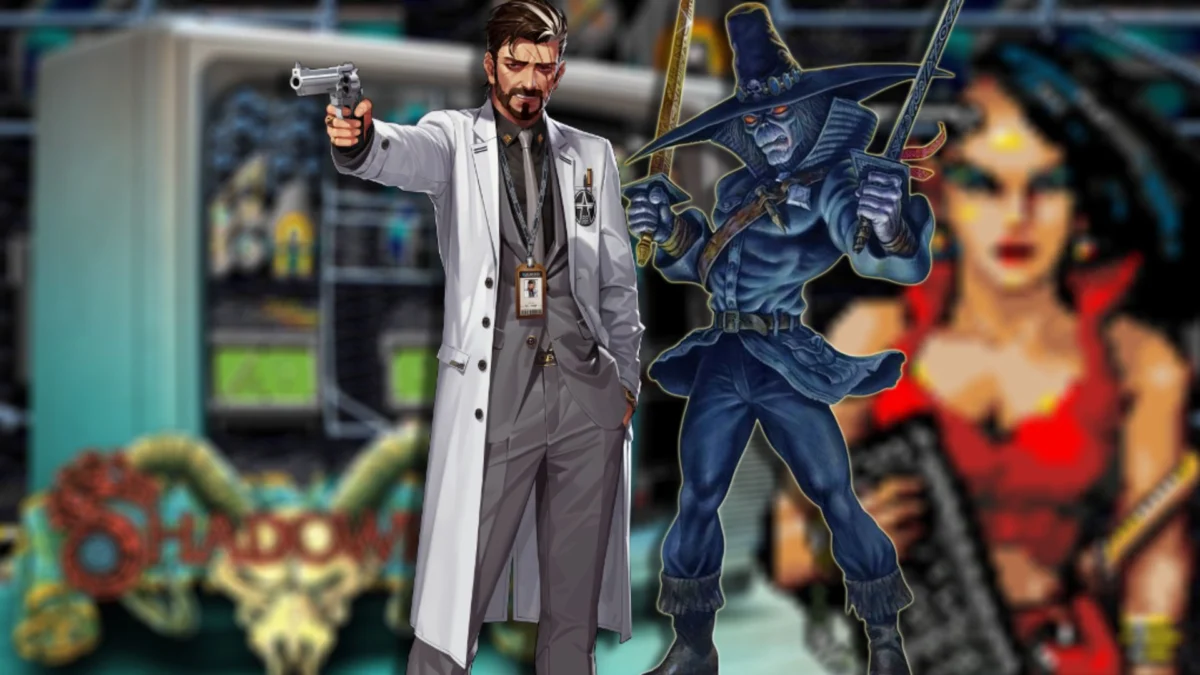
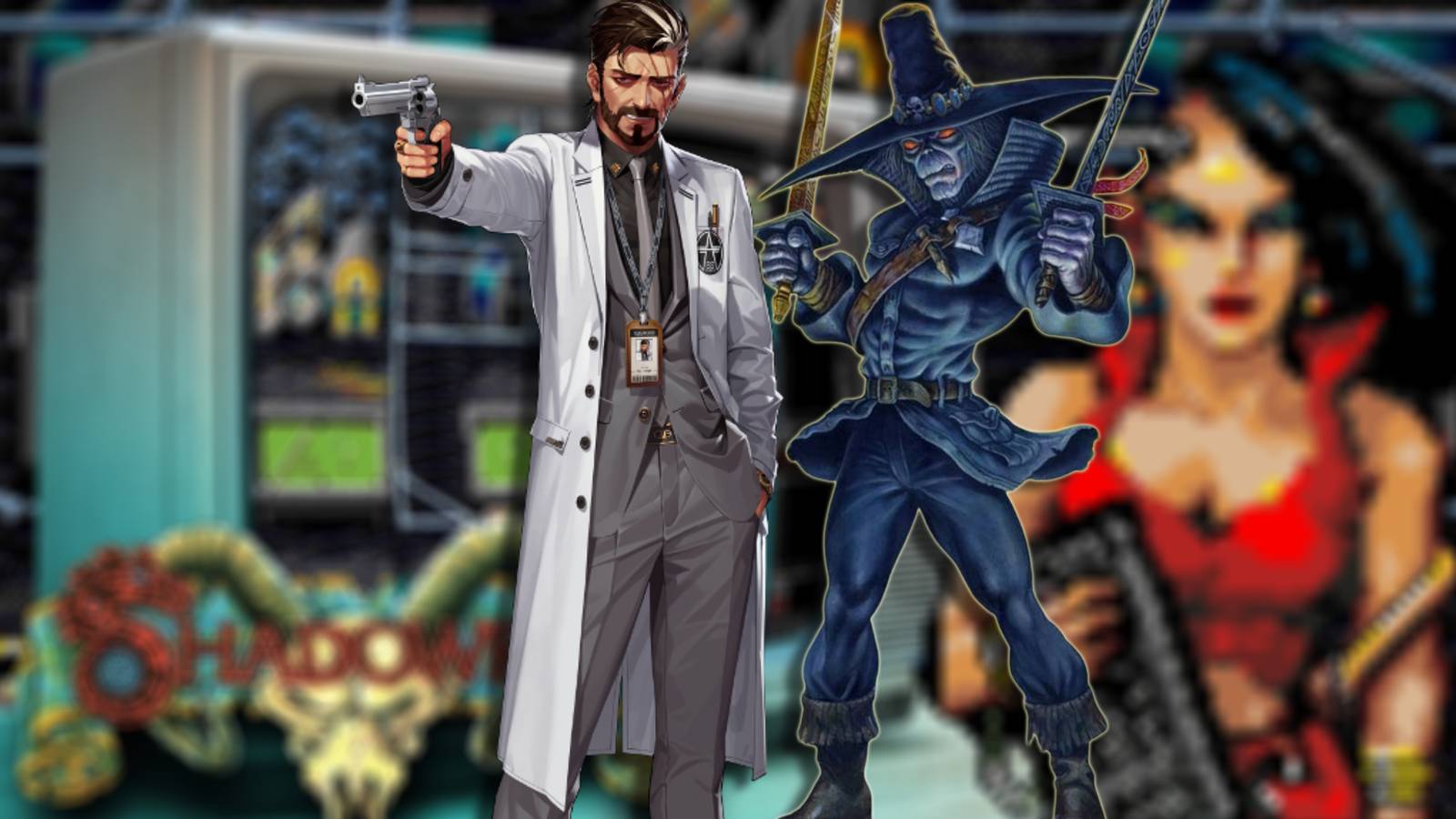
Many gamers, particularly those who grew up with a Super Nintendo Entertainment System, may recall the existence of a Shadowrun title for their console of choice. This memory is accurate; a critically acclaimed Shadowrun did indeed grace the SNES. However, a fascinating parallel exists in the form of a distinctly different, yet equally compelling, iteration released for the Sega Genesis. This divergence is a key factor in understanding why the Genesis version remains a niche experience.
Released in May 1993, the Sega Genesis Shadowrun offered a more open-ended experience than its SNES counterpart. It boasted a larger cast of characters and a significantly more complex world to explore, providing players with a greater degree of agency in their cyberpunk adventures. While the graphics and sound design might not have been revolutionary, save for a "brilliantly dark score by legendary composer Marshall Parker," the game’s true strength lay in its deep and immersive RPG mechanics. It successfully captured the essence of its tabletop RPG origins, translating the complex narratives and strategic decision-making of the pen-and-paper experience into a digital format.
The Genesis version was also notably more challenging, demanding a higher level of strategic thinking and resource management from players. This difficulty, coupled with its unique design choices, cemented its status as a distinct entity from the SNES version. While future installments in the Shadowrun franchise would draw inspiration from its innovative elements, the original Genesis title remains a largely inaccessible piece of gaming history. Its lack of official re-release or portation means that experiencing this particular cyberpunk narrative requires a dedicated effort to unearth.
Dungeons & Dragons: Warriors of the Eternal Sun – A Competent, Yet Forgotten, Quest
When the World’s Most Famous RPG Brand Struggled to Find its Electronic Footing
The early eras of video gaming, particularly the 8-bit and 16-bit periods, presented a somewhat peculiar landscape for the iconic Dungeons & Dragons franchise. Despite its foundational role in the very concept of RPGs, it took a considerable amount of time for the brand to truly translate into successful electronic forms. This delay can be partly attributed to the fact that while many early JRPGs drew heavy inspiration from D&D, the tabletop game itself did not officially gain widespread traction in Japan until 1985. Given Japan’s dominant position in RPG development at the time, this lack of brand recognition naturally impacted the number and quality of official D&D video game adaptations.
This resulted in a scarcity of D&D video games, and those that did emerge were often met with mixed reception. Dungeons & Dragons: Warriors of the Eternal Sun, released in August 1992 for the Sega Genesis, falls into this category. Developed by Westwood Associates and published by Sega, the game was a competent effort that garnered a dedicated following. However, it failed to achieve widespread critical acclaim or commercial success, struggling to stand out in the already competitive RPG market of the Genesis.
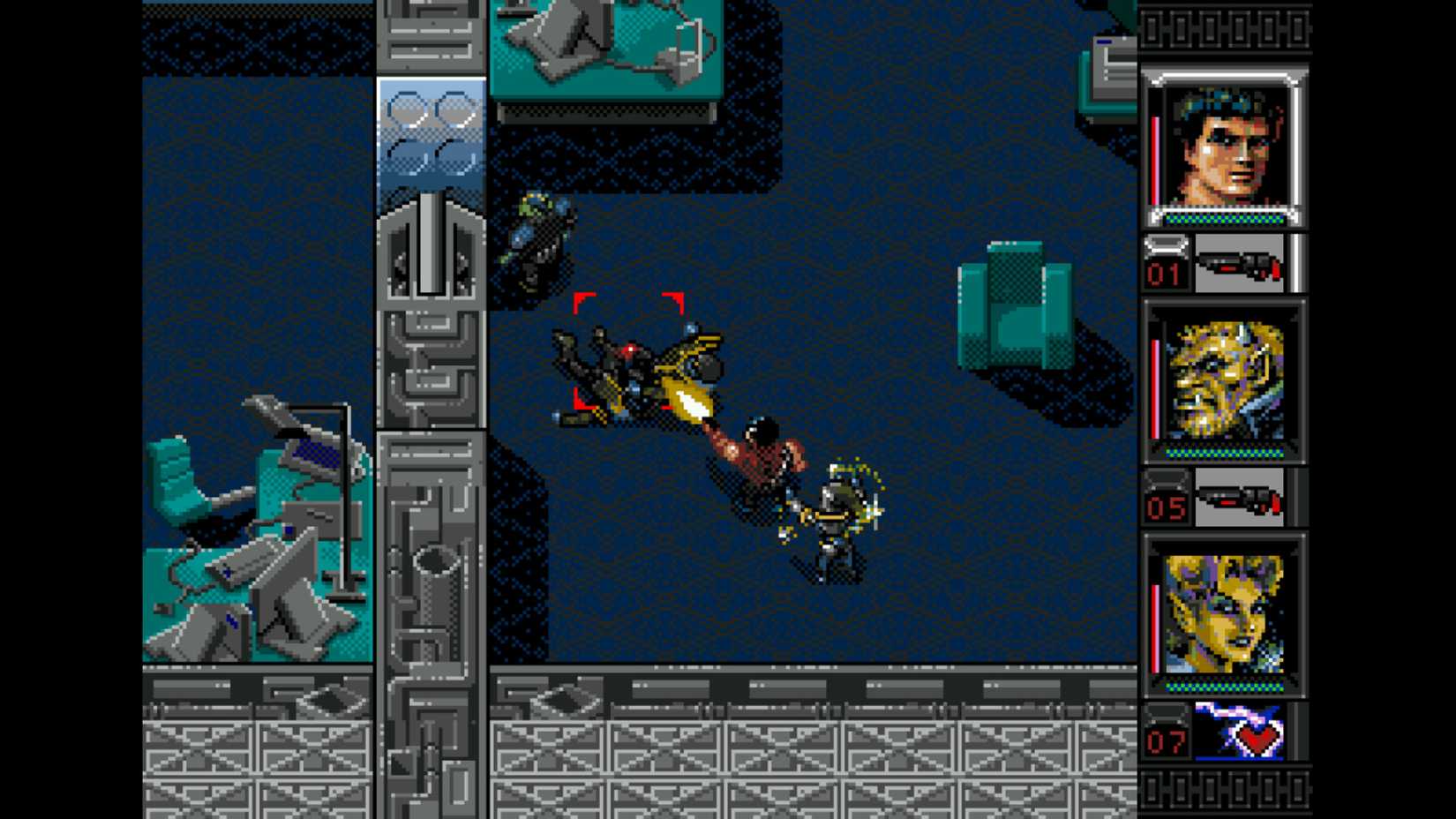
The game’s competent, yet unremarkable, gameplay and narrative did little to generate significant demand for re-releases or ports to more modern platforms. Consequently, Warriors of the Eternal Sun remains a title largely confined to the Sega Genesis, a forgotten quest in the annals of digital fantasy. While its developer, Westwood Studios, would go on to achieve monumental success with the Command & Conquer series, this early foray into the world of D&D remains a footnote in their illustrious history, a testament to the challenges of translating a beloved tabletop experience into a compelling video game.
Rings of Power: An Indie Epic Born from Audacity and Innovation
A Tale of Ambitious Beginnings and Unexpected Turns
The genesis of Rings of Power is a story as epic and compelling as the game itself, offering a profound insight into why this particular title has remained a Genesis exclusive. In 1989, Andy Gavin and Jason Rubin, the ambitious minds behind what would eventually become Naughty Dog, presented an RPG concept to Electronic Arts for home computer platforms. Simultaneously, EA was engaged in reverse-engineering the Sega Genesis, aiming to circumvent its proprietary lock-out technology. This confluence of events led to a significant pivot: the game, initially conceived as Buccaneer, was rebranded as Rings of Power and shifted to the Genesis platform.
What followed was a development process so fraught with challenges that it prompted Gavin and Rubin to temporarily depart the video game industry. The need to scale down their ambitious vision to accommodate the Genesis’s more limited hardware compared to their intended PC and Amiga targets, coupled with the logistical complexities of having their development team, composed entirely of college students, spread across different states, created an arduous path to completion.
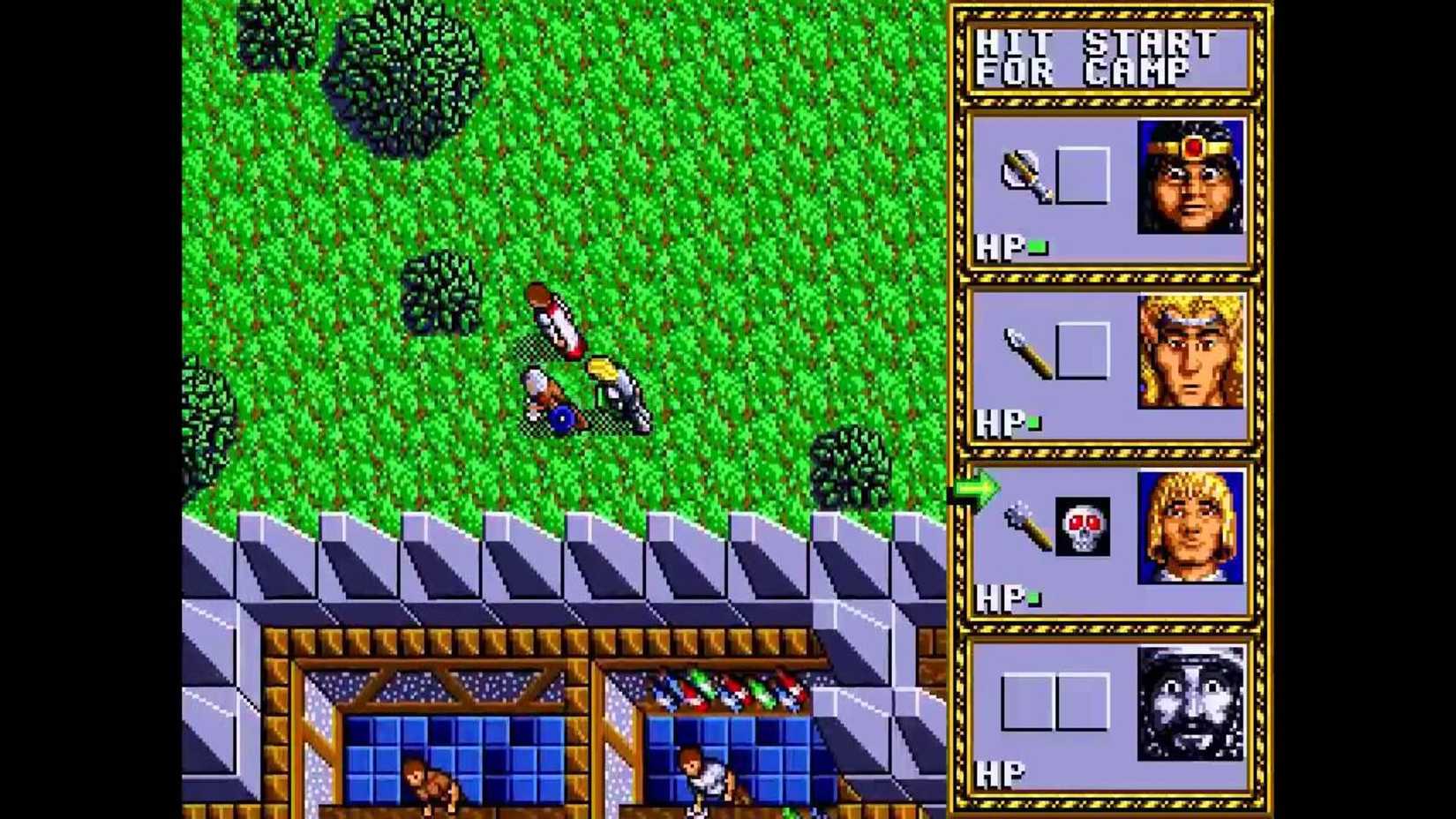
Despite these considerable hurdles, Rings of Power, released in 1992, proved to be a surprisingly capable RPG. While it received mixed reviews from critics, it achieved reasonable sales figures, a testament to the developers’ ingenuity and perseverance. However, the sheer intensity of the development journey, for both the studio and the publisher, likely contributed to the decision to not pursue further releases or re-releases of the game. The story behind its creation is a compelling narrative in itself, highlighting the entrepreneurial spirit of early game development and the unique challenges faced by independent studios in that era.
TechnoClash: A Flash of Originality in a Familiar Genre
A Bold Venture into Post-Apocalyptic Wizardry
There was a time in the gaming industry, particularly during the early 1990s, when companies would greenlight projects based on the sheer coolness of an idea. This era, often characterized by a focus on unique concepts rather than established intellectual property or targeted demographics, gave rise to titles like TechnoClash. This action RPG, released during this vibrant period, stands as a prime example of a game born from a desire to explore an original vision.
TechnoClash transports players to a post-apocalyptic setting, heavily implied to be a warped version of Las Vegas, inhabited by wizards whose world is under siege from an invading robotic force. Players assume the role of Ronaan, tasked with a perilous journey into the heart of the "Machine Empire" to retrieve a stolen magical staff. The narrative also includes a companion character, controlled by AI, adding a layer of strategic complexity, albeit with the inherent unpredictability of early artificial intelligence.
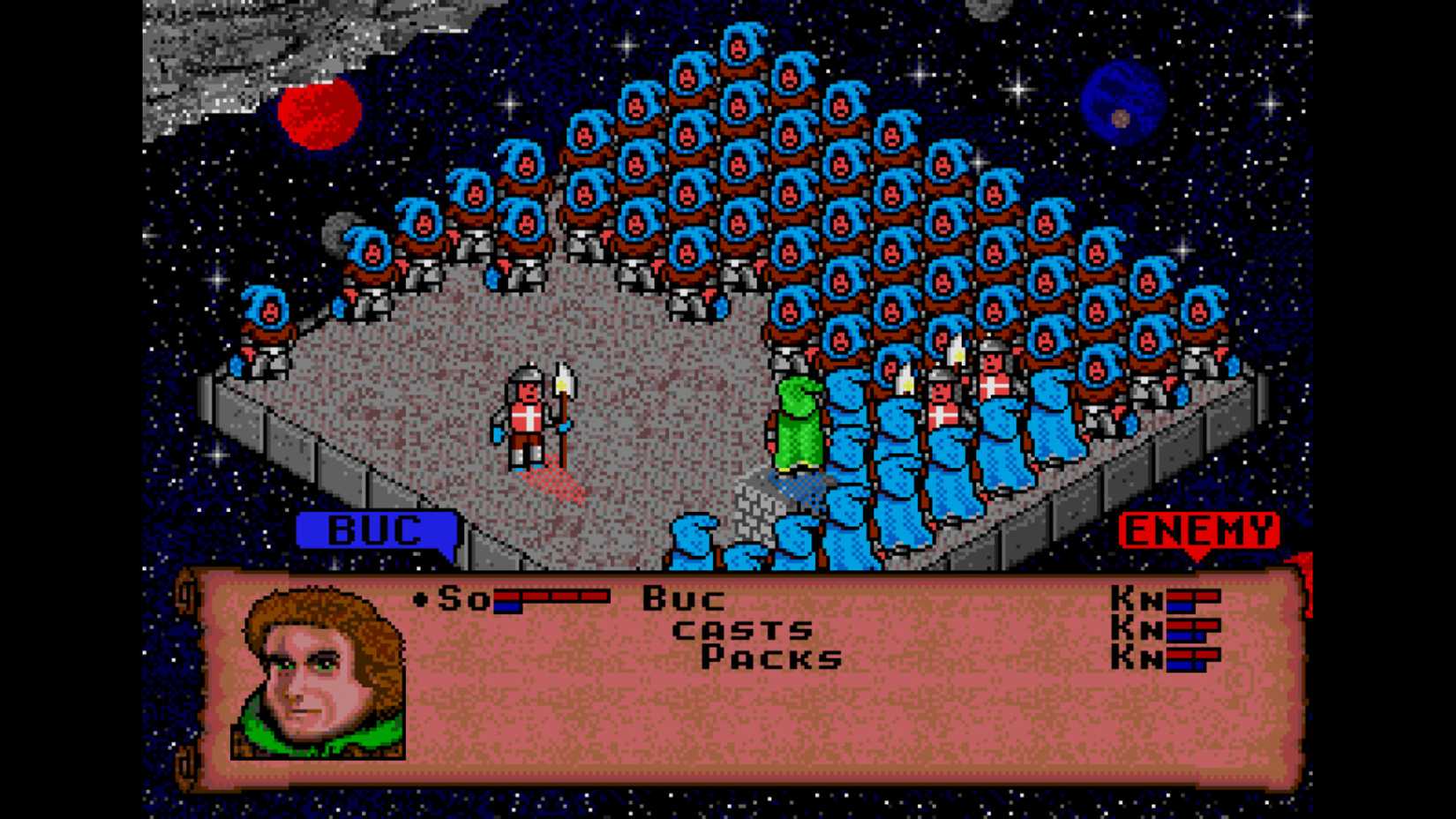
Despite receiving some development assistance from the studio responsible for the Genesis version of Shadowrun, TechnoClash was ultimately considered an "okay" game. While it offered a unique premise and some engaging action, it lacked the innovative spark or exceptional polish required to generate significant demand for a re-release. Its originality was commendable, but its execution fell short of the benchmark needed to transcend its era and platform, leaving it as a curious relic of a time when bold, original ideas were more readily brought to life.
Chakan: The Forever Man – An Edgy Concept Hampered by Unrelenting Difficulty
A Sword-Wielding Edgelord’s Unfulfilled Promise
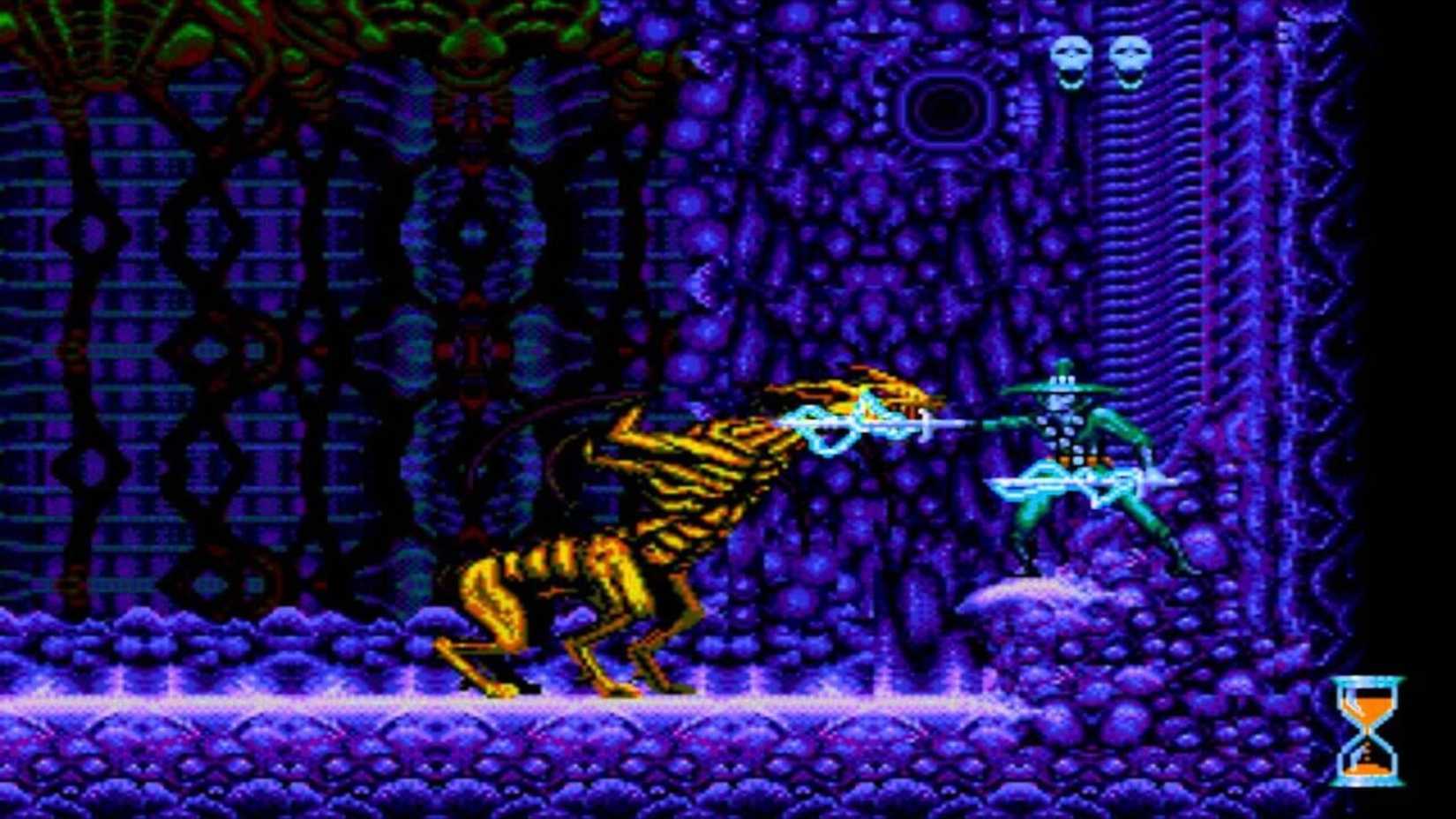
The allure of Chakan: The Forever Man, released in 1992, lies in its undeniably cool premise. The titular character, Chakan, is a sword-wielding warrior clad in black, wielding dual blades with a dark, almost gothic aesthetic. He’s even burdened by a curse that is simultaneously tragic and empowering, embodying the "edgy" sensibilities that resonated with a segment of the 90s gaming audience. This striking visual design and compelling backstory suggest a game that should, by all accounts, be a standout title on the Sega Genesis.
However, the reality of Chakan: The Forever Man is a stark contrast to its promising facade. The game is infamous for its punishing difficulty, a characteristic that has, for many players, rendered it virtually unplayable beyond the initial stages. The experience is often likened to a 90s precursor to the challenge found in games like Dark Souls III; players might embark on the adventure with enthusiasm, only to be met with insurmountable obstacles that halt progress indefinitely. This level of frustration, compounded over decades, has understandably deterred most from revisiting the game or seeking it out on modern platforms.
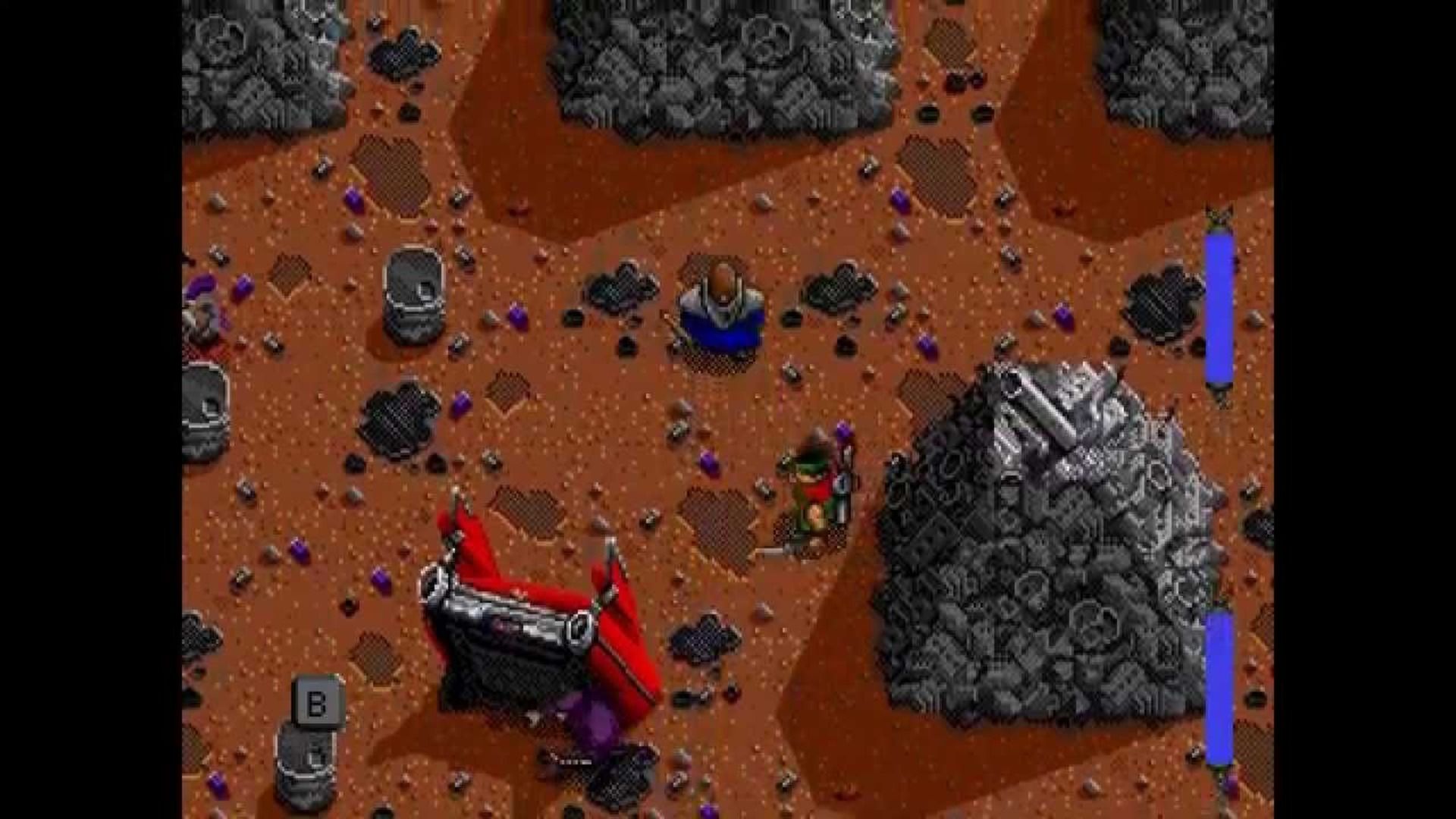
The game’s developer, First Star Software, produced a title that, while visually distinctive and conceptually intriguing, ultimately failed to deliver a consistently enjoyable gameplay experience due to its extreme difficulty. This unforgiving nature has effectively locked Chakan: The Forever Man into its Genesis-era existence, a testament to how a single design choice can profoundly impact a game’s legacy and accessibility.
The Immortal: A Brutal Descent into a Cursed Dungeon
A Gauntlet of Unrelenting Challenges and Graphic Violence
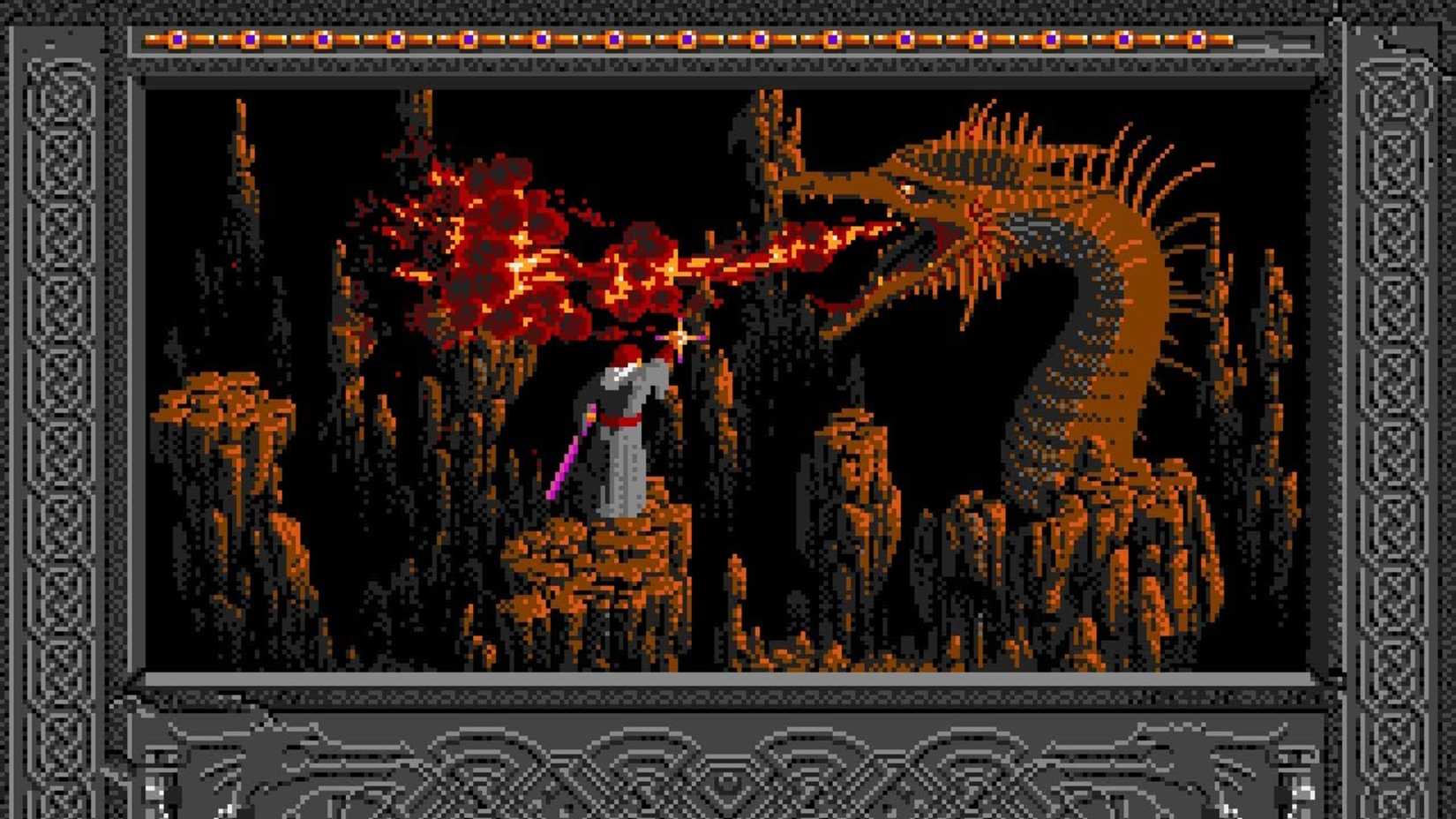
While Chakan: The Forever Man presented a formidable challenge, it pales in comparison to the sheer brutality of The Immortal. This game, released on the Genesis in 1990, is renowned for its relentless difficulty and a penchant for graphically depicting player demise. The dungeon-crawling adventure is so unforgiving that it feels as though the game itself harbors a personal vendetta against the player. Every step is fraught with peril; a misstep can lead to being devoured by monstrous creatures, torn apart by demonic forces, or subjected to fates arguably worse than death.
The Immortal did not originate on the Sega Genesis, having first appeared on 8-bit home computers and even receiving an NES port. However, its Genesis iteration is the version that has remained largely isolated on Sega’s 16-bit platform. The combination of its pre-Mortal Kombat level of gore and its exceptionally high difficulty curve likely contributed to its limited distribution and subsequent lack of re-releases.

The game’s unforgiving nature, coupled with its graphic content, may have deterred some publishers from porting it to more mainstream platforms. This has left The Immortal as a cursed artifact of the Genesis era, a testament to a time when games could be brutally challenging and graphically explicit, often without the safety nets of modern accessibility options. Its isolation on the Mega Drive serves as a stark reminder of the games that, by design or by circumstance, have been left behind.
Cadash: A Working Designs Masterpiece Transformed
The American Touch That Forged a New Identity
Cadash presents a unique and fascinating case within the context of Sega Genesis RPGs. Originally a Japanese arcade game developed by Taito, it also saw a release on NEC’s PC Engine. Its inclusion on this list, however, stems from a remarkable transformation undertaken by Working Designs, an American company renowned for its meticulous localizations and significant game enhancements.
Working Designs, known for their beloved PlayStation release of Lunar: Silver Star Story Complete, approached Cadash not merely as a translation project but as a complete reimagining. They meticulously reworked nearly every aspect of the game, from its combat mechanics and narrative script to granular details like in-game store pricing. This extensive overhaul resulted in a game that was, in essence, a new creation, distinct from its Japanese origins. This substantial American contribution is the primary reason for its placement on this list of Genesis-exclusives.
The result of Working Designs’ efforts was a fantastic RPG that offered a compelling blend of action and adventure. Despite its quality and the significant effort invested, Cadash has remained exclusive to the Sega Genesis. This unfortunate reality means that experiencing this enhanced version requires players to seek out the original hardware. However, as enthusiasts like YouTube’s "SNES Drunk" advocate, "any way you can" is the recommended approach for this gem. Its arcade roots also mean that Cadash features a 2-player co-op mode, further enhancing its appeal as a shared gaming experience that remains largely undiscovered by the wider gaming community.
The Enduring Legacy of Lost Worlds
The Sega Genesis, a console that defined a generation of gamers, is home to a wealth of experiences that, regrettably, have become increasingly difficult to access. The RPGs highlighted in this exploration represent a fraction of these forgotten treasures. Their stories, gameplay innovations, and unique artistic visions deserve to be experienced by a new audience.
The reasons for their obscurity are varied, ranging from licensing complexities and the sheer difficulty of their design to the transformative nature of their development and the evolving landscape of game distribution. However, the enduring appeal of these titles lies in their ability to evoke a sense of nostalgia and to showcase the creativity and ambition that characterized the 16-bit era.
As the gaming industry continues to embrace digital distribution and preservation efforts, there is hope that these lost worlds may one day be rediscovered. Until then, they remain a testament to the rich and diverse history of the Sega Genesis, waiting for the opportunity to once again captivate players with their unique charms and challenges. The hope is that rights holders will recognize the enduring value of these games and make them accessible to a new generation of RPG enthusiasts, ensuring that these forgotten gems are not lost to time forever.