MAIN FACTS
Sony Interactive Entertainment has announced a pivotal strategic shift, confirming plans to cease the production of physical discs for new PlayStation games starting January 2028. This landmark decision will transition the PlayStation ecosystem to an entirely digital distribution model for all future titles, fundamentally altering how consumers acquire and interact with games on the platform. While games released on disc prior to this deadline will remain unaffected, the move signals a definitive step away from traditional retail formats and towards an all-digital future.
Further reinforcing this digital pivot, reports indicate that Sony has already begun repurposing its last remaining physical disc manufacturing plant in Austria. Workers at the facility are reportedly being retrained for the production of optical microlenses, a clear indication of the company’s long-term commitment to its new digital-first strategy. This manufacturing shift accompanies another significant announcement: the impending closure of the PlayStation Store for PS3 and PS Vita by July 2027. This closure will effectively end new content purchases for these legacy platforms, rendering their digital libraries inaccessible for future acquisition and underscoring the ephemeral nature of digital-only content when platform support ceases.
Sony’s aggressive move towards an all-digital landscape has immediately ignited a fervent debate across the gaming industry. Developers, publishers, and preservationists alike are grappling with the multifaceted implications of this decision, particularly concerning game ownership, consumer choice, and the critical issue of long-term game preservation. Companies deeply invested in the physical media market, such as Atari, Iam8bit, Lost in Cult, and Silver Linings Interactive, have publicly expressed their profound disappointment and concerns, highlighting the perceived necessity of physical media within the broader gaming ecosystem.
CHRONOLOGY: A Gradual Shift Towards Digital Dominance
While Sony’s latest announcement marks a definitive turning point, the move towards a digital-centric model has been a gradual, deliberate process spanning several years, reflecting broader industry trends. The seeds of this transition were sown long ago, with the increasing prevalence of digital storefronts and downloadable content.
The PlayStation 3 era, though still heavily reliant on physical discs, saw the PlayStation Store gain significant traction as a platform for digital-only titles, DLC, and classic games. This period normalized digital purchases for many gamers. The PlayStation Vita, launched in 2011, pushed the digital envelope further, with many titles being available exclusively via the PlayStation Store, even if physical cartridges were also offered.
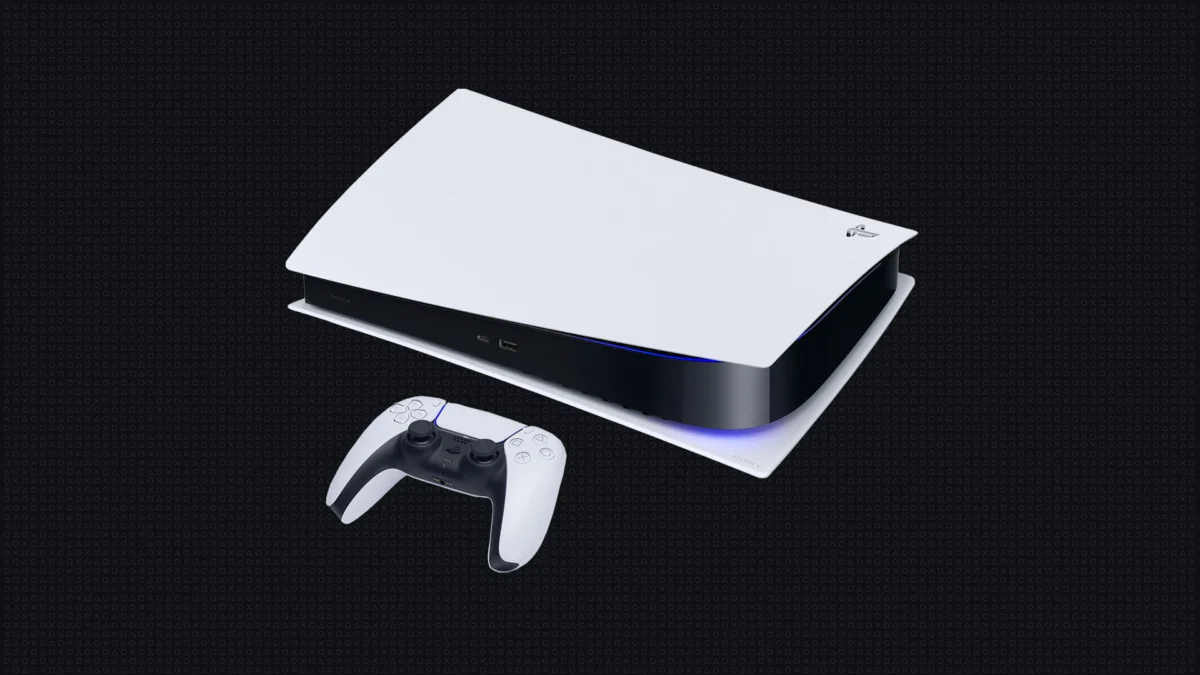
A more explicit commitment to digital emerged with the launch of the PlayStation 5 in November 2020. Alongside the standard model with a disc drive, Sony introduced the PlayStation 5 Digital Edition, a disc-less console offered at a slightly lower price point. This strategic decision provided consumers with a clear choice between physical and digital, subtly guiding a segment of the market towards the latter. The success of the Digital Edition likely provided Sony with valuable data on consumer readiness for an all-digital future.
The most telling precursor to this week’s announcement came in 2021 when Sony initially revealed plans to shut down the PlayStation Stores for PS3, PS Vita, and PSP. The announcement sparked a significant backlash from fans and game preservation advocates, prompting Sony to reverse its decision for the PS3 and PS Vita stores, though the PSP store closure proceeded. This temporary reprieve, however, always felt like a stay of execution rather than a change of heart. The current announcement of the PS3 and PS Vita store closures by July 2027 reinforces Sony’s long-term digital strategy, demonstrating a willingness to consolidate and streamline its digital infrastructure, even if it means discontinuing support for older content.
Beyond PlayStation, the broader gaming industry has been moving in this direction for over a decade. PC gaming, for instance, has been overwhelmingly digital for years, with platforms like Steam dominating distribution. Microsoft’s Xbox ecosystem has also embraced digital heavily, with initiatives like Xbox Game Pass offering a subscription-based library of digital titles, and even offering a disc-less Xbox Series S console. Cloud gaming services, while still nascent, further push the boundaries of game ownership, moving towards streaming access rather than local storage. Sony’s decision, therefore, is not an isolated incident but rather an acceleration of an ongoing industry transformation, positioning PlayStation at the forefront of the all-digital console experience.

SUPPORTING DATA: The Irreversible Tide of Digitalization
Sony’s decision, while impactful, is not made in a vacuum. It reflects a significant and sustained shift in consumer behavior and market dynamics that has seen digital sales steadily eclipse physical media over the past decade. Industry reports and analyst data consistently highlight this trend, providing a robust economic justification for Sony’s pivot.
According to various market research firms, digital game sales have constituted an increasingly dominant share of the overall video game market. By the early 2020s, digital revenue consistently accounted for 80-90% of total game sales across all platforms, including consoles. This figure encompasses full game downloads, downloadable content (DLC), microtransactions, and subscription services. The COVID-19 pandemic further accelerated this trend, as lockdowns and retail closures pushed even more consumers towards digital storefronts for their gaming needs.
For publishers and platform holders like Sony, the economic advantages of digital distribution are undeniable. Eliminating physical disc production eradicates significant costs associated with manufacturing, packaging, shipping, and warehousing. It also bypasses traditional retail channels, allowing Sony to retain a larger share of revenue by cutting out intermediaries like retailers, who typically take a substantial percentage of physical game sales. This direct-to-consumer model allows for greater control over pricing, promotions, and the overall customer relationship.
The rise of subscription services, exemplified by Xbox Game Pass and PlayStation Plus’s revamped tiers, further solidifies the digital paradigm. These services offer extensive libraries of games for a recurring fee, encouraging players to explore a wider range of titles without the upfront cost of individual purchases. This model prioritizes access over ownership, a concept more readily facilitated by digital distribution.
From a consumer perspective, the convenience of digital downloads is a major draw. Instant access to games, the ability to pre-load titles, and the elimination of disc-swapping are significant quality-of-life improvements for many modern gamers. The growing capacity of console hard drives and faster internet speeds have also made digital downloads less cumbersome than in previous generations. While the environmental impact of digital gaming is still debated (considering energy consumption of servers and data centers), the reduction in physical plastic waste and carbon emissions from shipping physical goods is often cited as a benefit.
However, this shift also raises concerns about digital ownership. Unlike physical media, which can be resold, lent, or kept indefinitely, digital licenses are often tied to specific accounts and platform services. If a platform holder decides to remove a game from its storefront, or if a digital service is discontinued (as with the PS3/Vita stores), the ability to access previously purchased content can be compromised, leading to a sense of "leasing" rather than true ownership.
OFFICIAL RESPONSES: A Chorus of Concern and Commitment
Sony’s announcement has elicited strong reactions from various corners of the gaming industry, particularly from companies whose business models are intertwined with the production and sale of physical games. The sentiment is largely one of disappointment, coupled with a commitment to adapt and continue serving the physical media market for as long as possible.
Iam8bit
Iam8bit, renowned for its premium collector’s editions of physical games, including recent releases like the Blue Prince Commissary Bundle and an exclusive Fear the Spotlight PS5 edition, expressed profound disappointment. Co-owners and co-creative directors Jon Gibson and Amanda White stated, "We are profoundly disappointed by Sony’s decision to suspend physical games production in 2028. Physical games are vital to games preservation, ownership, and consumer choice, values that have guided iam8bit since our first physical release in 2016. Our commitment to these values remains unchanged. Long live physical media." Their statement underscores the core arguments against an all-digital future: the perceived loss of true ownership and the inherent challenges this poses for game preservation.

Atari
A venerable name in gaming, Atari has also been a strong proponent of physical releases, often featuring elaborate collector’s editions through its subsidiary, Digital Eclipse. Recent examples include a deluxe physical version of Barbie Rewind for PS5 and Nintendo Switch 2, complete with a Barbie doll, and collector’s editions for Mighty Morphin Power Rangers: Rita’s Rewind and The Thing: Remastered. Atari affirmed its dedication, telling GamesIndustry.biz, "We remain committed to game preservation and creating products for fans for whom collecting physical editions is an important part of their gaming experience, along with physical items that allow them to celebrate their favourite games. We strive to make the games we develop and publish as accessible as possible, which includes distributing physical editions whenever feasible. As the market evolves, we’ll continue to explore new and compelling ways to satisfy collector demand." This statement highlights a proactive approach, suggesting they will seek alternative methods to provide a physical presence for their games.
Silver Lining Interactive
Manchester-based Silver Lining Interactive, which has found significant profitability in issuing physical versions of its digitally released games, voiced its disappointment on LinkedIn. Founder Luke Keighran had previously emphasized the strength of the "catalogue business" in retail, where successful digital titles often translate into strong physical sales. The company stated, "We are obviously disappointed by the news and highlighted that there is still a large community of customers who prefer and cherish their physical game collections." They continued, "We are working with PlayStation to understand exactly how this transition will be implemented and what it means for independent publishers. While we seek clarity on the future, we want to offer absolute certainty about the present: this policy will not impact our existing library." Silver Lining Interactive’s response indicates a willingness to engage with PlayStation to find solutions and a commitment to "put our ‘creative hats’ on to see how we can continue bringing games to physical," possibly through "a disc, a cartridge, a key card, or a code-in-box release." This suggests exploring hybrid models that offer a physical item, even if the game itself is downloaded.
Lost in Cult
As a publisher specializing in high-quality, art-focused video game books and physical editions of indie games, Lost in Cult views PlayStation’s decision with deep concern from a preservation standpoint. Their mission is inherently tied to the tangible. "As a company on a mission to preserve video games, we are deeply saddened by the recent news from PlayStation on ending physical disc production from 2028," they stated on Bluesky. "We aim to do everything in our power to preserve video games to the best of our ability and will continue to do so for as long as we can." Their focus on curated indie titles that can be played offline on PS5 and Switch further underscores their belief in accessible, enduring game experiences.
Limited Run Games
Limited Run Games, a pioneer in producing physical collector’s editions for niche and digitally-only titles, acknowledged the economic rationale behind Sony’s move but affirmed its unwavering commitment to physical media. In a post on their website, they said, "Sony’s decision to move fully digital marks the end of an era, and we understand why the math points that way for a platform holder at that scale. We have spent a decade, alongside the fans and collectors who kept this flame alive long before us, proving that people still want to hold their games, to own them outright, and to keep them on a shelf for good. We are not slowing down either." Their recent release, Tomb Raider: Definitive Edition for Switch 2, which includes physical items, a soundtrack CD, and a steelbook, exemplifies their dedication to delivering comprehensive physical packages.
Strictly Limited
Strictly Limited, another key player in publishing physical standard, deluxe, and collector’s editions of digital titles across various platforms, echoed the sentiment regarding ownership and preservation. Head of business unit Sascha Hoffmann-Nowak stated that physical editions are "highly relevant when it comes to ensuring players’ ownership and preserving video games as part of our cultural heritage." He added, "We’ll continue releasing physical PS5 games for as long as it’s possible and will continue publishing physical editions of games regardless of the platform they appear on, even if those platforms evolve. We do have a different approach to physical editions for such releases in place." This suggests a proactive strategy to adapt their physical offerings to new digital realities.
Video Game History Foundation
From the critical vantage point of game preservation, Frank Cifaldi, director of the Video Game History Foundation, offered a nuanced perspective. He acknowledged that professional preservationists have long anticipated such a shift. "From the perspective of professional preservationists, this doesn’t have as much of an impact as you might expect," Cifaldi said. He elaborated, "The reality is that the vast majority of video games produced over the last two decades were not made for dedicated home video game consoles, let alone pressed to physical media. And even when they were released on physical media, a day-one digital patch was all but guaranteed, meaning that even though a disc is preserving data in an accessible way, it may not represent the game that people actually played."
Cifaldi’s comments highlight the complex challenges of modern game preservation, where a physical disc alone often doesn’t contain the complete, updated game experience. However, he also raised a crucial challenge to the industry: "What continues to baffle us is what the industry expects institutions like ours to do about it. If platform owners are deciding to eliminate physical media and older digital storefronts, then we’d also like to see trade groups like the Entertainment Software Association offer meaningful solutions for archives and museums to legally preserve digital-only content and make it accessible for research."
He pointed out the hypocrisy where "Everyone agrees this is a serious problem, but the ESA has repeatedly opposed the efforts of cultural heritage institutions to reform digital copy protection laws to make it easier to do this work." Cifaldi concluded with a stark warning: "The industry needs to meaningfully come to the table on this issue, because asking museums to download a copy of Grand Theft Auto 6 and hope that it’ll run in 50 years is not a preservation solution." This underlines the urgent need for a collaborative, industry-wide strategy for digital game preservation, beyond simply relying on individual downloads or hoping for future compatibility.
IMPLICATIONS: A Shifting Landscape for Gaming
Sony’s move to an all-digital future for PlayStation carries profound implications across every facet of the gaming ecosystem, affecting consumers, developers, publishers, retailers, and the very concept of game preservation.

For Consumers:
The most immediate impact for consumers will be the complete cessation of physical game purchases for new titles post-January 2028. This eliminates the option to buy, sell, or trade physical discs, fundamentally altering the secondary market for games. Collectors, who value the tangible aspect of game ownership and the ability to display their collections, will face a significant shift. The concept of "ownership" itself becomes more ambiguous, transitioning from possessing a physical object to holding a digital license tied to a platform account, which can be revoked or become inaccessible if a storefront closes or a service changes. This raises concerns about long-term access, especially for those with unreliable internet connections or limited data plans, as digital downloads can be substantial. Furthermore, the absence of physical competition could potentially lead to less competitive pricing for digital titles, though this remains to be seen.
For Developers and Publishers:
For many large developers and publishers, the shift could streamline distribution, eliminating manufacturing and logistics costs. This could theoretically lead to higher profit margins per sale. However, it also means increased reliance on Sony’s PlayStation Store as the sole distribution channel, potentially impacting discoverability and negotiation power for smaller studios. Indie publishers focused on physical niche markets, like those quoted above, will need to innovate, exploring options like "code-in-box" products that offer a physical item (e.g., a steelbook or collector’s box) containing a digital download code. This allows them to maintain a physical presence for collectors, even if the game itself is digital. The transition will necessitate a re-evaluation of business models and marketing strategies to thrive in a purely digital environment.
For Game Preservation:
This is perhaps the most critical and complex implication. While Frank Cifaldi of the Video Game History Foundation notes that modern physical discs often don’t contain the complete, patched game, the total elimination of physical media exacerbates the challenges. Digital-only content is inherently fragile. It relies on the continued operation of servers, storefronts, and platform compatibility. If a platform holder decides to remove a game, or if a service is discontinued (as with PS3/Vita stores), that content can be lost forever. Without physical artifacts, future generations may find it exceptionally difficult to access and experience significant portions of gaming history. The industry needs to develop robust, legally sanctioned frameworks for archiving digital-only content, ensuring that museums and archives can legally preserve and make accessible these cultural artifacts without infringing on DRM laws. The current situation, where the ESA opposes efforts to reform digital copy protection laws for preservation, creates a significant roadblock.
For Retailers:
Traditional brick-and-mortar game retailers, already struggling with the digital shift, will face an existential crisis. GameStop, for instance, which heavily relies on new and used physical game sales, will need to pivot dramatically towards merchandise, hardware, and potentially digital storefront partnerships. The closure of the physical game market will mean a substantial loss of revenue and foot traffic, accelerating the decline of dedicated game retail spaces.
For the Industry Landscape:
Sony’s move is likely to accelerate the digital-only trend across the console industry. While Nintendo still enjoys strong physical sales, and Xbox already has a disc-less console, this bold step by PlayStation could pressure other platform holders to follow suit more aggressively. It signifies a future where game consoles are primarily digital entertainment hubs, blurring the lines between gaming, streaming, and other media consumption. The long-term success of this strategy will depend on consumer acceptance, the evolution of digital ownership rights, and the industry’s ability to address the critical concerns around game preservation.
Future Outlook: Navigating the Digital Horizon
The future of gaming, as envisioned by Sony, is undeniably digital. However, the path forward is not without its challenges and opportunities. The industry will need to find creative solutions to mitigate the loss of physical media for collectors and preservationists. This could involve enhanced digital ownership rights, clearer policies on content accessibility post-store closure, and collaborative efforts between platform holders and archival institutions.
The "code-in-box" model, or deluxe physical packages that contain digital codes and exclusive merchandise, might become a standard for companies still wanting to offer a tangible product. This allows for a physical presence on store shelves and for collectors, while still leveraging the benefits of digital distribution.
Ultimately, Sony’s decision is a powerful declaration of intent, signaling an irreversible shift in how we will consume games on PlayStation. While it ushers in an era of convenience and efficiency for the platform holder, it simultaneously places a greater responsibility on the industry to ensure that the rich history and cultural legacy of video games are not lost in the digital ether. The debate over digital vs. physical will continue, but the direction of travel is now unequivocally set.