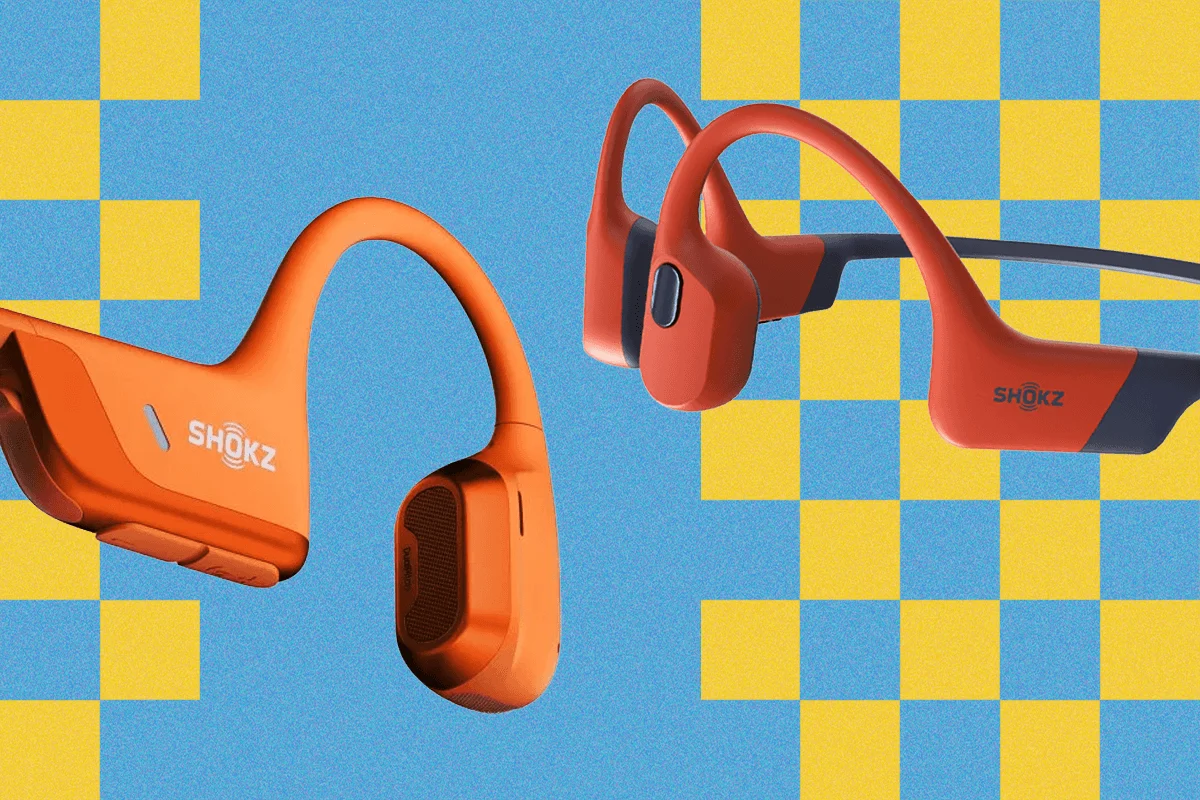
For decades, the standard for personal audio was simple: seal the ear canal. Whether through over-ear circumaural headphones or the ubiquitous silicone-tipped in-ear monitors, the goal of manufacturers was isolation—blocking out the world to create a private soundstage. However, in the high-stakes world of athletics and urban commuting, isolation is not merely a disadvantage; it is a safety hazard.
Enter bone conduction technology, a once-fringe experimental audio method that has matured into a cornerstone of the modern fitness ecosystem. After years of being dismissed as a gimmick plagued by high-frequency buzzing and poor fidelity, bone conduction headphones have undergone a technological renaissance. They are no longer just an alternative; for many, they have become the gold standard for performance audio.
The Chronology: From Medical Utility to Consumer Staple
The journey of bone conduction technology is one of persistence. While the concept—using the cheekbones to transmit sound vibrations directly to the inner ear—has been utilized in medical hearing aids for patients with conductive hearing loss since the 20th century, its consumer application was slow to take hold.
The Experimental Era (Early 2000s)
In the early 2000s, the first wave of commercial bone conduction headphones hit the market. These devices were rudimentary. They functioned by pressing heavy, rigid transducers against the zygomatic bones. Users reported a "tickle" sensation—a result of high-amplitude mechanical vibrations that lacked the dampening technology required for a smooth listening experience. The sound quality was thin, often described as "tinny," and the structural integrity of these early models made them prone to breakage during high-intensity exercise.
The Iterative Improvement Phase (2010–2018)
As materials science advanced, so did the transducer design. Manufacturers began experimenting with titanium alloys for the frames, allowing for a lightweight "wraparound" design that provided a secure fit without the need for high-pressure clamping. During this period, companies like Shokz (formerly AfterShokz) began prioritizing structural dampening. By shifting the frequency response to minimize the resonant peaks that caused the infamous "head-tickle," brands were able to deliver a more balanced sound profile.
The Modern Standard (2019–Present)
Today, we are in the era of high-fidelity open-ear audio. With the integration of Bluetooth 5.3, improved battery efficiency, and proprietary acoustic algorithms that enhance bass response, the gap between bone conduction and traditional buds has narrowed significantly. The technology is now a fixture in competitive marathons, cycling clubs, and professional sports training facilities.
Supporting Data: Why Athletes are Making the Switch
The rise of bone conduction is not merely a matter of trend-chasing; it is supported by the physiological requirements of active users. According to industry analysis and user surveys, the shift toward open-ear audio is driven by three primary factors: situational awareness, comfort, and hygiene.
The Safety Metric
When running on open roads or cycling through traffic, the ability to hear ambient noise—sirens, approaching vehicles, or verbal cues from other runners—is vital. Studies in acoustic ergonomics suggest that standard noise-canceling headphones reduce a user’s ability to detect localized sound by up to 60%. Bone conduction devices, which leave the ear canal completely unobstructed, allow for 100% ambient awareness.
The Comfort Quotient
For many users, the "ear fatigue" associated with in-ear monitors is a significant barrier to long-term wear. The buildup of pressure in the ear canal and the potential for moisture entrapment during intense workouts can lead to discomfort and, in some cases, mild ear infections. Bone conduction headphones bypass the ear canal entirely, eliminating the risk of pressure-related discomfort.

Technical Performance Data
- Latency: Modern bone conduction units now feature gaming modes with latency as low as 40ms.
- Battery Life: The average run time has moved from a meager 3–4 hours in 2010 to a reliable 8–10 hours in current top-tier models.
- IP Ratings: The adoption of IP67 and IP68 water resistance standards has allowed these devices to withstand not just sweat, but complete submersion, making them viable for triathletes and swimmers.
Official Responses and Industry Perspectives
Audio engineers and sports scientists have offered varied perspectives on the utility of this technology. Dr. Elena Vance, an acoustic engineer who has consulted for several leading audio brands, notes that while bone conduction will likely never replace traditional studio monitors for critical listening, its "fit-for-purpose" design is unparalleled.
"We have to stop judging bone conduction by the standards of high-fidelity audiophile equipment," says Dr. Vance. "These devices were never intended to replicate the nuances of a symphony orchestra in a silent room. They are designed to provide a secure, safe, and motivating soundtrack to physical exertion. When you look at them through the lens of performance gear, the advancements in dampening and vibration control are truly remarkable."
Conversely, some traditional audiophiles remain skeptical, citing the inherent limitations of the technology. Because the sound is transmitted through bone, the frequency response—particularly in the sub-bass range—is limited by the physics of the human skull. However, manufacturers have responded by incorporating "bass boosters" and vibration-canceling internal software to mitigate these physical constraints, a strategy that has received broad consumer approval.
Implications for the Future of Audio
The normalization of bone conduction headphones signals a broader shift in the consumer electronics landscape: the rise of "Hearables." As we move toward a future where our devices are expected to be multi-functional, the distinction between a dedicated sports device and a daily-use gadget is blurring.
Implications for Urban Mobility
As cities become more dense and the "micro-mobility" movement grows—with more people using electric scooters, bikes, and skateboards—the legal implications of ear-blocking headphones will likely increase. Several jurisdictions have already begun discussing or implementing bans on noise-canceling headphones for cyclists. Bone conduction technology is perfectly positioned to provide a compliant, safety-first solution that doesn’t sacrifice the user’s desire for music or podcasts.
The Expansion of the Market
While fitness remains the primary driver, we are seeing adoption in other sectors:
- Workplace Integration: Offices are testing bone conduction for employees who need to remain available for conversation while listening to internal audio feeds.
- Accessibility: The technology continues to be a life-changing tool for individuals with specific forms of hearing impairment, offering a non-invasive way to receive audio signals.
- Augmented Reality (AR): As AR glasses become more prevalent, the need for integrated audio that doesn’t block the user from their environment is becoming critical. Bone conduction is the most logical audio partner for head-mounted AR displays.
Conclusion: A Tech Category Reborn
The trajectory of bone conduction headphones from the uncomfortable, vibrating oddities of the early 2000s to the sleek, high-performance tools of today is a testament to the power of iterative design. By listening to user feedback and leaning into the constraints of the technology, manufacturers have turned a niche medical concept into a mass-market success.
For the modern athlete, the choice is no longer between quality and safety. Through the adoption of advanced materials and better acoustic engineering, bone conduction has proven that we can have our music and our awareness too. As we look toward the next decade of personal audio, it is clear that the "open-ear" philosophy is not just a passing trend; it is the inevitable evolution of how we engage with our devices while navigating the world.
Whether you are a casual jogger, a dedicated marathoner, or someone who simply values situational awareness, the latest generation of bone conduction headphones offers a compelling case for leaving your ear canals clear. The tickle of the past is gone, replaced by the resonant, clear sound of a technology that has finally found its rhythm.