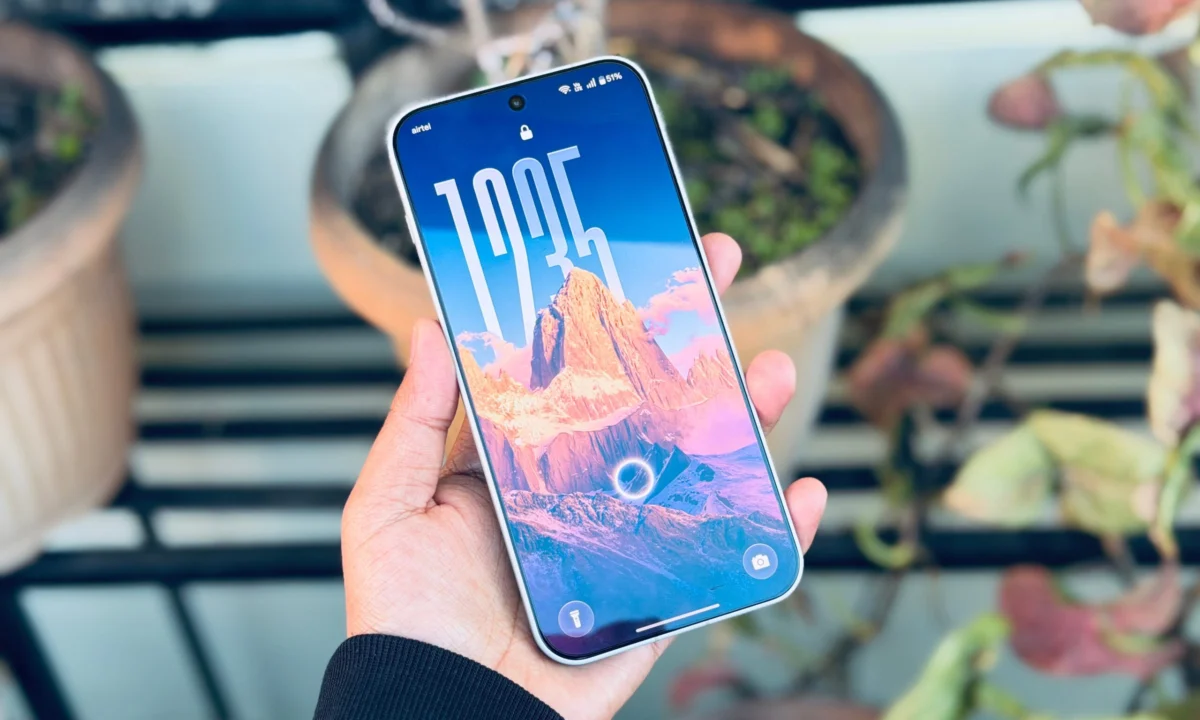
For over a decade, OnePlus was synonymous with a specific kind of Android philosophy. It was the brand for the enthusiasts, the power users, and the minimalists. At the heart of that identity was OxygenOS—a software skin that promised the “clean, fast, and smooth” experience that stock Android users craved, but with enough thoughtful customization to make it feel premium.
However, reports circulating from industry insiders, including the Indian tech outlet Smartprix, suggest that the golden age of OxygenOS is coming to an abrupt, permanent end. If these reports hold true, the software that defined the OnePlus brand is being systematically dismantled in favor of ColorOS, the proprietary operating system developed by parent company Oppo. This shift signals more than just a software update; it marks the final chapter in the transformation of OnePlus from an independent "flagship killer" into a subsidiary arm of a global mobile conglomerate.
The Core Facts: What Is Happening?
The report indicates that both OxygenOS and Realme UI—the software skins used by OnePlus and Realme, respectively—are currently being phased out of development. The strategy is one of total consolidation: Oppo, the primary entity under the BBK Electronics umbrella, intends to unify its global software experience under the ColorOS banner.
For the average consumer, this means the distinct, lightweight, and highly optimized software that made OnePlus devices unique is likely to be replaced by a more unified, feature-heavy ecosystem. While ColorOS has improved significantly in recent years, becoming more stable and visually refined, it lacks the specific "OxygenOS DNA" that built the brand’s loyal following.

The consolidation is not merely a software aesthetic change; it is a structural move to reduce the immense financial and operational overhead required to maintain three distinct Android forks. By funneling all resources into a single software platform, the conglomerate aims to streamline development, accelerate security patches, and unify the user experience across all markets.
A Chronology of Consolidation
To understand how we arrived at this moment, one must look back at the creeping integration of these brands over the last five years.
2021: The Initial Merger
The first major tremor in the OnePlus ecosystem occurred in 2021 when co-founder Pete Lau announced a deeper integration between OnePlus and Oppo. While the companies insisted they would remain separate brands, the "shared resources" model meant that hardware and software teams were merged.
The HydrogenOS Retirement
Long before the global market felt the heat, the Chinese market saw the writing on the wall. OnePlus officially retired its HydrogenOS (the Chinese equivalent of OxygenOS) in favor of ColorOS. This was the first major indicator that the brand was moving toward a unified codebase.

2024–2025: Operational Shrinkage
Throughout the last year, signs of a broader retreat became evident. OnePlus has reportedly scaled back its presence in major markets like the United States and Europe. Carrier partnerships have dwindled, and the brand’s retail footprint has retracted significantly. Today, the flagship OnePlus 15 and 15R are primarily available through the company’s direct web channels, signaling a pivot toward a more niche, direct-to-consumer model.
2026: The Final Transition
The current reports suggest that we are in the final stages of this transition. With rumors swirling that the 2026 global product lineup for OnePlus may have been significantly curtailed or altered, the complete migration to ColorOS is widely seen as the final step in the brand’s assimilation.
Supporting Data: Why the Shift?
Maintaining three separate Android skins is an expensive endeavor. In the modern smartphone landscape, where software support is expected to last for five to seven years, the cost of debugging, testing, and updating three distinct interfaces is unsustainable.
- Economies of Scale: By moving to ColorOS, the company can deploy one set of software updates across millions of devices, from budget-tier Realme phones to premium-tier OnePlus flagships.
- Hardware Parity: OnePlus and Oppo devices have increasingly shared internal components, cameras, and display panels. Software unification is the logical conclusion to this hardware synergy.
- Market Saturation: The global smartphone market has hit a plateau. Growth is harder to come by, and legacy brands are focusing on operational efficiency rather than market share expansion.
Implications for the Consumer
The loss of OxygenOS is not merely a matter of a changed icon set or a different settings menu. It represents a fundamental shift in the user experience.

The Enthusiast’s Lament
OxygenOS was famous for its speed. It was "bloat-free" in an era where Samsung and other manufacturers were criticized for pre-installing unnecessary apps. For users who valued a "stock-like" experience with hidden power-user settings, the transition to ColorOS—which is often perceived as more "opinionated" and feature-dense—feels like a betrayal of the brand’s founding promise.
The Ecosystem Effect
For users, the shift might bring some benefits. ColorOS is highly polished, deeply integrated with AI features, and offers extensive customization options. However, for those who bought a OnePlus phone specifically to avoid the "heavy" skinning found on other Chinese devices, this move might drive them toward the Pixel or Nothing Phone ecosystems.
Future Support
One of the biggest questions remains: What happens to existing devices? While new phones will ship with ColorOS, there is ambiguity regarding whether current OxygenOS users will be forced into a "system migration" or if they will continue to receive legacy support. Historically, when manufacturers merge software, the older interface is slowly sunsetted, eventually becoming a shell of its former self until it is identical to the parent skin.
Official Responses and Corporate Silence
As of now, the company has not issued a formal "end-of-life" announcement for OxygenOS. This is standard corporate procedure—brands rarely announce the death of a product line until they are ready to replace it with a marketing campaign for the new one.

When reached for comment in previous instances regarding integration, representatives have often pivoted to discussing "synergy" and "enhanced user experiences." However, the lack of a strong denial in the face of these specific reports suggests that the plan is already in motion. The silence from the executive suite is likely a calculated move to prevent alienating current customers until the next hardware cycle is ready to launch.
A Broader Trend in the Tech Industry
The potential disappearance of OxygenOS is a microcosm of a larger trend in the mobile industry: The Death of the Unique Skin.
In the early 2010s, Android was a fragmented mess, and every manufacturer tried to differentiate themselves with custom launchers and UI elements. Today, the focus has shifted to AI integration, cloud services, and long-term security. Manufacturers are realizing that the "Skin War" is over; Google’s Pixel has set a standard for clean software, and consumers are increasingly valuing stability and AI features over unique design flourishes.
For OnePlus, the dream of an independent, enthusiast-driven brand was a successful startup strategy. But as a mature company under the massive BBK umbrella, the realities of scale have taken precedence.
Conclusion: Is This the End of the "Flagship Killer"?
The OnePlus 15 and 15R may well be the final devices to carry the torch of what the brand once stood for. If the transition to ColorOS is fully realized, the OnePlus identity will effectively be absorbed into the Oppo machine.
For the die-hard fans who have been with the brand since the "Invite Only" days of the OnePlus One, this is a bittersweet conclusion. OxygenOS was more than just software; it was a symbol of an alternative path in the tech world—a path that prioritized the user over the manufacturer’s bottom line.
As the tech world looks toward 2027 and beyond, we are reminded that in the mobile industry, nothing stays the same forever. The "clean, fast" experience that defined a generation of smartphones is evolving. Whether that evolution is a step forward in efficiency or a step backward for identity, only time will tell. For now, those who cherish the current state of OxygenOS should hold on tight—the tide is turning, and the next update might be the one that changes everything.