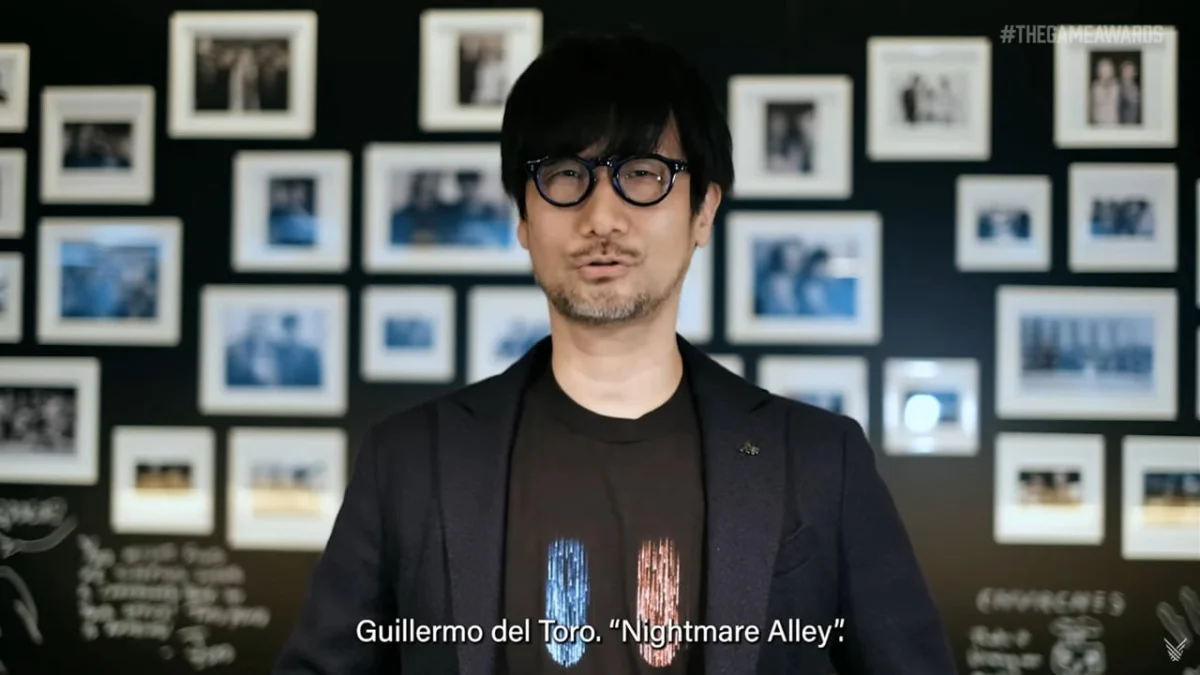
In an era where the financial success of a film is often conflated with its artistic quality, the recent release of Supergirl has become a lightning rod for debate. While the film struggles to gain traction at the global box office—sparking intense speculation regarding the future of James Gunn’s DC Universe (DCU)—it has found an unexpected, high-profile champion in legendary video game auteur Hideo Kojima.
As the Metal Gear Solid creator offers a nuanced, auteur-focused perspective on the project, the industry is left to grapple with a familiar question: Can a film be a commercial disaster yet remain a profound creative achievement?
The Current State of the DCU: A Critical and Commercial Chasm
The theatrical run of Supergirl has been, by nearly every conventional metric, a difficult endeavor for DC Studios. Despite the high expectations placed upon the latest entry in the rebooted cinematic universe, the film has faced a barrage of negative criticism. Critics have cited pacing issues, tonal inconsistencies, and a lack of narrative cohesion as primary drivers for the film’s lackluster performance.
Financial analysts are already pointing to the film’s box office returns as a potential "death knell" for the current iteration of the DCU. The narrative surrounding the project has shifted rapidly from anticipation to post-mortem analysis, with many industry observers questioning whether James Gunn’s strategic vision for the franchise remains viable.
However, the disconnect between critical reception and audience sentiment remains stark. While critics remain largely unimpressed, the audience score on platforms like Rotten Tomatoes reflects a more polarized reception. It is within this vacuum of consensus that Hideo Kojima—a man whose own work is often defined by its avant-garde structure and psychological depth—has stepped in to offer a dissenting opinion.
Hideo Kojima’s Perspective: A Departure from Genre Tropes
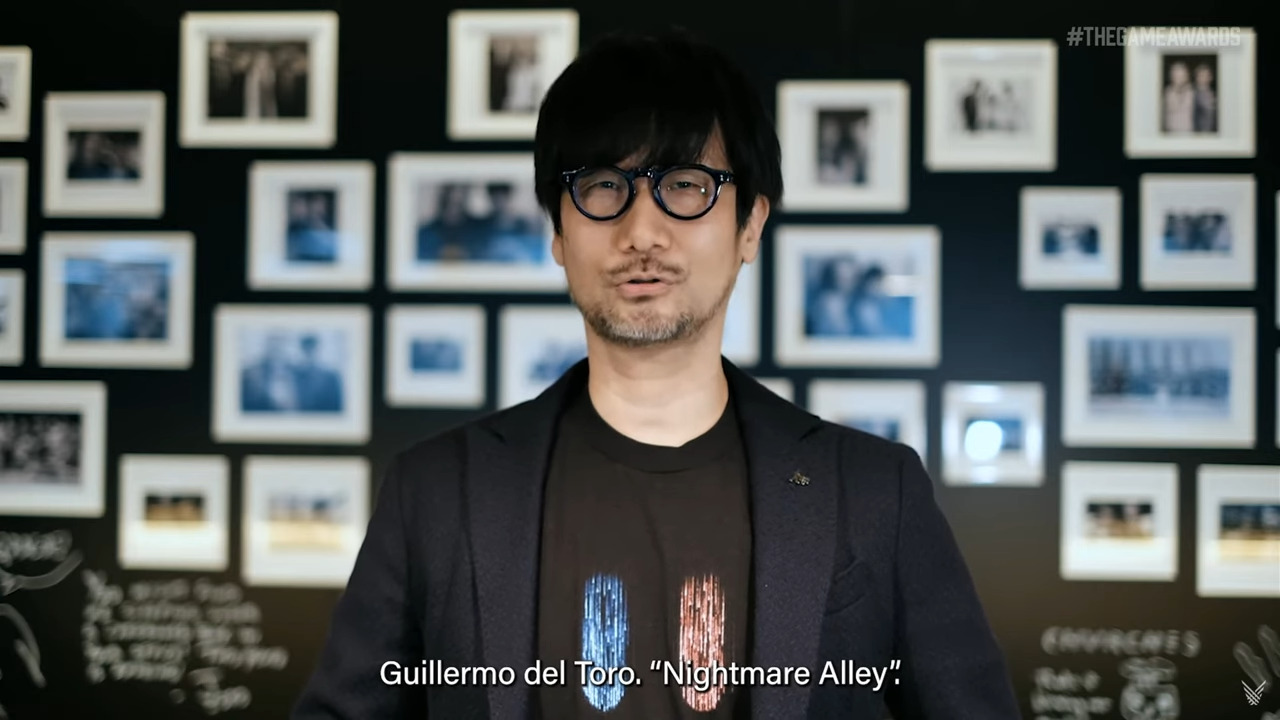
Hideo Kojima is no stranger to the intersection of film and interactive media. His frequent commentary on cinema via his X (formerly Twitter) account serves as a barometer for how a creative mind processes blockbuster entertainment. His recent assessment of Supergirl suggests that the film’s primary failing in the eyes of the general public—its departure from the standard "superhero formula"—is, in fact, its greatest strength.
"I saw Supergirl in IMAX," Kojima wrote. "It wasn’t a ‘superhero movie’ about saving the Earth through self-sacrifice as ‘justice’ confronts ‘evil.’ It was a coming-of-age story about saving oneself, Kara, as she struggles with her own trauma."
For Kojima, the film succeeds because it rejects the binary morality of traditional comic book adaptations. By reframing the narrative as a deeply personal journey of self-actualization rather than a grand, world-saving spectacle, the film avoids the exhaustion often associated with the modern superhero fatigue.
Challenging the Mad Max Comparisons
Industry critics and marketing teams have frequently compared the visual and kinetic energy of Supergirl to George Miller’s Mad Max: Fury Road. This comparison is largely based on the film’s desert settings and high-octane action sequences. Kojima, however, strongly disagrees with this categorization.
"Structurally, it feels less like Mad Max: Fury Road (2015), where everyone is driven purely by survival instinct beyond notions of good and evil, and more like The Good, the Bad and the Ugly (1966), where heroes, villains, and scoundrels all converge," Kojima argued.
This distinction is crucial. By aligning Supergirl with the Spaghetti Western genre—specifically the work of Sergio Leone—Kojima suggests that the film’s appeal lies in its character-driven moral ambiguity. It is a film about the convergence of conflicting agendas in a lawless space, rather than a relentless, linear pursuit of survival.
Chronology of the Controversy: From Development to Disappointment
To understand the current discourse, one must look at the timeline of the film’s development and release.
- Developmental Hurdles: Supergirl underwent several iterations during the transition period between the Snyder-verse and the Gunn-led DCU. This instability created a fragmented pre-production phase.
- The Hype Cycle: Early marketing emphasized the film’s stylistic departure from previous DC projects, leading to high expectations that it would revitalize the brand.
- The Premiere: Upon release, the critical embargo lifted to reveal a stark divide. While visual effects were praised, the narrative structure was criticized for being disjointed.
- The Box Office Collapse: The opening weekend figures failed to meet even modest projections, triggering immediate industry reports of a "DCU crisis."
- The Kojima Intervention: Shortly after the film’s release, Hideo Kojima’s social media critique provided a counter-narrative, shifting the discussion from "Why is it failing?" to "What is it trying to achieve?"
Supporting Data: Box Office vs. Audience Sentiment
The divergence between critical scores and audience satisfaction is a recurring theme in modern cinema. Supergirl currently finds itself in a similar position to other high-profile films that struggled initially but found a niche audience.
| Metric | Status |
|---|---|
| Critics’ Score (Rotten Tomatoes) | Low |
| Audience Score (Rotten Tomatoes) | Moderate to High |
| Opening Weekend Revenue | Below Expectations |
| Social Media Sentiment | Polarized |
When compared to The Marvels, which also faced significant box office headwinds, Supergirl presents a more complex case. While The Marvels performed better financially, it lacked the kind of auteur-level critical defense that Kojima has provided for Supergirl. This suggests that while the DC film may not achieve financial dominance, it may attain "cult status" as a misunderstood piece of cinema.
Official Responses and Industry Implications
As of this writing, James Gunn and the executives at DC Studios have remained largely quiet regarding the specific criticism of Supergirl, focusing instead on the long-term roadmap of the DCU. However, the pressure to pivot is palpable.
The implications for the studio are clear: if the "auteur" approach—hiring distinct directors like Craig Gillespie to craft specific visions—does not result in financial returns, the studio may feel forced to revert to more homogenized, formulaic filmmaking.
The Auteur vs. The Machine
The tension between the studio’s need for a consistent "universe" and the director’s desire for a unique vision is at the heart of this conflict. Kojima’s support for the film highlights a growing divide in the industry:
- The Machine Model: Focuses on brand continuity, interconnectedness, and broad-market appeal.
- The Auteur Model: Focuses on thematic depth, individual style, and narrative experimentation.
If the studio decides to abandon the auteur model in favor of safer, more traditional storytelling, the creative community—including figures like Kojima—may view it as a surrender to the lowest common denominator.
Conclusion: A Lesson in Perspective
Hideo Kojima’s critique of Supergirl does not necessarily change the film’s box office fate, nor does it excuse the structural flaws that critics have highlighted. However, it does serve as a necessary reminder that cinema is a subjective experience.
For the average moviegoer, Supergirl may be a disappointment that failed to meet the standards of a tentpole superhero blockbuster. But for those looking for a character-focused study on trauma and survival, it offers something more.
The "death" of the DCU has been predicted many times before, and the performance of Supergirl is undoubtedly a significant setback. Yet, as the industry moves forward, it will have to reconcile the demand for profitable, high-concept entertainment with the necessity of allowing directors the freedom to make films that, like The Good, the Bad and the Ugly, defy the simple categorization of "good" or "evil."
Whether this film will eventually be remembered as a misunderstood masterpiece or a cautionary tale remains to be seen. What is certain, however, is that the debate surrounding it is far more complex than a mere dollar-to-ticket ratio would suggest. The future of the DCU depends not just on the performance of its next film, but on its ability to balance the demands of the box office with the visions of the creators behind the camera.