For over two decades, the blueprint for a blockbuster in Hollywood was written in ink and panels. From the early success of the X-Men franchise to the colossal, culture-shifting rise of the Marvel Cinematic Universe (MCU), comic book adaptations were the undisputed bedrock of the film industry. They provided a seemingly endless well of IP, a built-in fan base, and a visual language that defined modern spectacle.
However, the tide is turning. As the dust settles on a string of record-breaking box office performances, industry insiders and top-tier screenwriters are observing a seismic shift in the creative climate. The era of the "Comic Book Movie" as the industry’s North Star is being challenged—and perhaps supplanted—by a new, interactive titan: the Video Game Adaptation.
The Architect’s Perspective: Mattson Tomlin on the Industry Shift
Mattson Tomlin, the acclaimed screenwriter behind the gritty, critically lauded The Batman (2022) and the upcoming The Batman 2, has provided the most candid insight yet into this transition. In an exchange on X (formerly Twitter) regarding his long-gestating project—an adaptation of the classic Mega Man franchise—Tomlin offered a diagnosis of the current studio mindset.
"Hollywood is sort of making a shift from being comic book obsessed to video game obsessed," Tomlin stated.
The comment was not merely a casual observation but a reflection of the professional reality he is experiencing behind closed doors. When pressed on the volume of work coming across his desk, Tomlin doubled down on his assessment, revealing a staggering disparity in industry demand. "My point of view is also born out of the fact that I am getting at least 5x more offers for video game adaptations than comic book adaptations this year," he wrote.
For a writer of Tomlin’s caliber, whose work is synonymous with the modern comic book prestige film, this data point is significant. It suggests that studio heads, talent agencies, and production houses are actively pivoting their development slates away from the four-color page and toward the console controller.
A Chronology of the "Video Game Gold Rush"
To understand how we reached this inflection point, one must look at the recent history of video game adaptations, which have transitioned from "curse-ridden" projects to box office juggernauts.
The "Curse" Era (Pre-2015)
For years, the "Video Game Movie Curse" was a tangible reality. Projects like Super Mario Bros. (1993), Street Fighter (1994), and Doom (2005) were largely viewed as critical failures that alienated gamers and confused general audiences. The industry treated these properties as niche, low-budget curiosities rather than tentpole tentpoles.
The Turning Point (2015–2020)
The narrative began to shift with films that took their source material seriously. Detective Pikachu (2019) proved that recognizable brands could thrive with family-friendly, high-concept visuals. Simultaneously, television began to prove that long-form storytelling was the ideal medium for games, as seen in the success of early digital adaptations.
The Billion-Dollar Era (2020–Present)
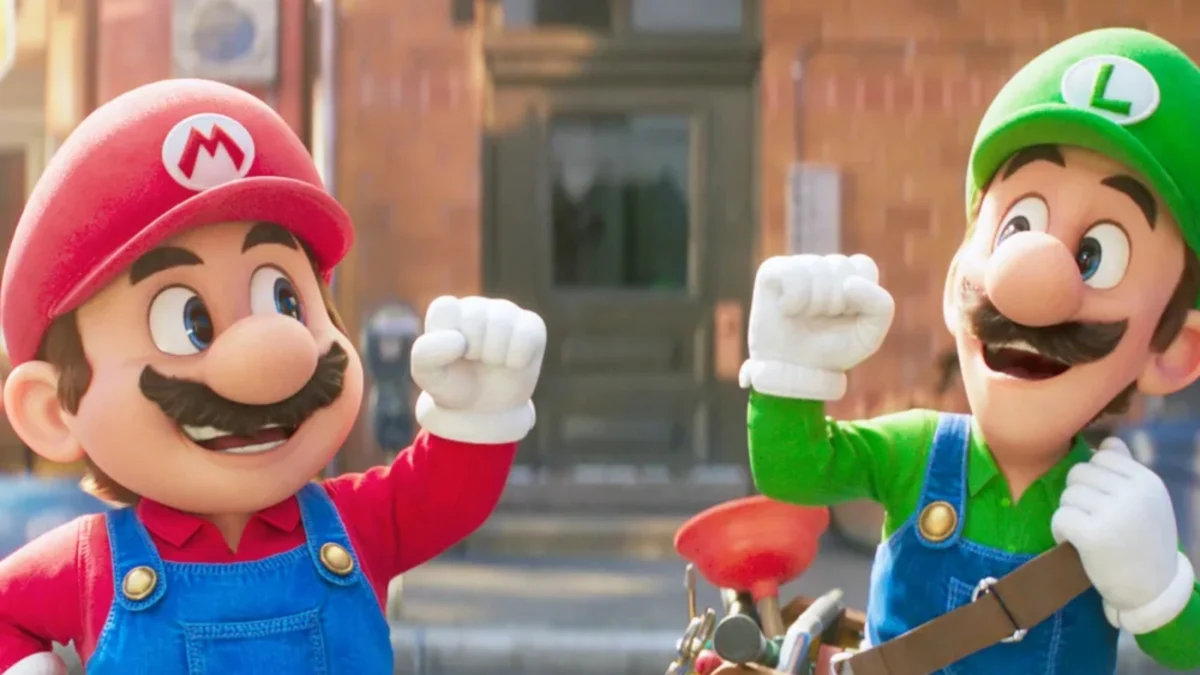
The true turning point arrived with the Super Mario films. When the Mushroom Kingdom translated into a billion-dollar global phenomenon, the industry took notice. A Minecraft Movie followed in 2025, shattering expectations with a $900 million-plus haul. These were not just successful movies; they were cultural events that proved gaming IP carried the same—or greater—brand recognition than the most iconic superhero franchises.
Supporting Data: Why Gaming IP is the New "Safe Bet"
The shift toward gaming is not merely a creative whim; it is a calculated business decision. Hollywood is currently navigating a period of "franchise fatigue," where audiences have shown signs of exhaustion regarding the interconnected nature of superhero cinematic universes.
Brand Loyalty vs. Saturation
Comic book characters have been on screen for decades. Batman, Spider-Man, and the Avengers have had multiple iterations, reboots, and crossovers. By contrast, many major gaming franchises are just now receiving their first high-budget cinematic treatment. This provides a "freshness" factor that studios are desperate to capture.
The Interactive Audience
Demographically, the gaming audience is massive. With billions of active players worldwide, the potential "opening weekend" audience for a Call of Duty or Elden Ring film is essentially a global, pre-sold demographic. Studios are finding that marketing to gamers is increasingly efficient compared to the traditional, broader methods of advertising comic book films.
The " Prestige" Television Pipeline
The success of high-quality adaptations on streaming platforms—such as The Last of Us and Fallout—has elevated the prestige of gaming IP. These projects demonstrated that game narratives could be character-driven, emotionally resonant, and critically acclaimed, successfully shedding the stigma that previously hindered game-to-film transitions.
Future Slate: What’s Coming Next
The pipeline for the next few years reads like a "Best of" list from the gaming industry. The current slate of announced projects indicates that studios are not just dabbling in gaming adaptations; they are building foundational franchises around them.
- Call of Duty: A long-rumored project that is now officially in development. Given the massive cultural footprint of the franchise, this is being positioned as a potential military-action staple.
- Gears of War: A property with a deep, lore-heavy narrative that is primed for a gritty, sci-fi cinematic treatment.
- Elden Ring: Perhaps the most ambitious project on the horizon. Leaked set footage suggests a high-fantasy, live-action adaptation that leans heavily into the dark, cryptic world-building of Hidetaka Miyazaki’s masterpiece.
- Resident Evil (Directed by Zach Cregger): Following the horror-comedy success of Barbarian, Cregger’s involvement with Resident Evil signals a shift toward hiring auteur directors to tackle gaming IP, rather than standard studio work-for-hire.
- Street Fighter: After a rocky initial development phase, the project is moving forward with a revised script, reportedly bolstered by input from the Street Fighter 6 creative team to ensure authenticity.
Implications: A New Era for Blockbuster Cinema
What does this shift mean for the future of the silver screen?
The Decline of the Shared Universe
While comic book movies were defined by the "Shared Universe" model (a la the MCU), video game adaptations are currently characterized by standalone, high-impact blockbusters. This allows for more creative freedom, as writers are not beholden to a massive web of continuity.
The Auteur Influence
As evidenced by the Street Fighter script rewrites involving the game’s directors, we are seeing a move toward "Developer-Led Adaptation." Creators from the gaming world are gaining a seat at the table, ensuring that the visual language and core "feel" of the games are preserved. This is a far cry from the early 2000s, where game directors were often excluded from the process.
The Risk of Over-Saturation
However, there is a clear danger. If Hollywood treats gaming IP with the same "assembly line" mentality it eventually adopted for superhero films, the industry risks burning out the genre before it truly matures. The long-term viability of these projects depends on whether studios can maintain the quality-over-quantity approach that helped The Last of Us or Super Mario succeed.
Conclusion
Mattson Tomlin’s observation serves as a wake-up call for the industry. The "Video Game Obsession" is not just a trend—it is a fundamental shift in how Hollywood perceives intellectual property. As the studio system searches for the next billion-dollar bedrock to replace the aging superhero model, the controller is increasingly becoming the pen.
Whether this transition leads to a new golden age of cinema or a repeat of the over-saturation that plagued the comic book genre remains to be seen. But one thing is certain: for the next decade, the most important seat in the writer’s room won’t be the one reading the latest Batman graphic novel—it will be the one with a copy of Elden Ring or Call of Duty in their hands.