Lina Hope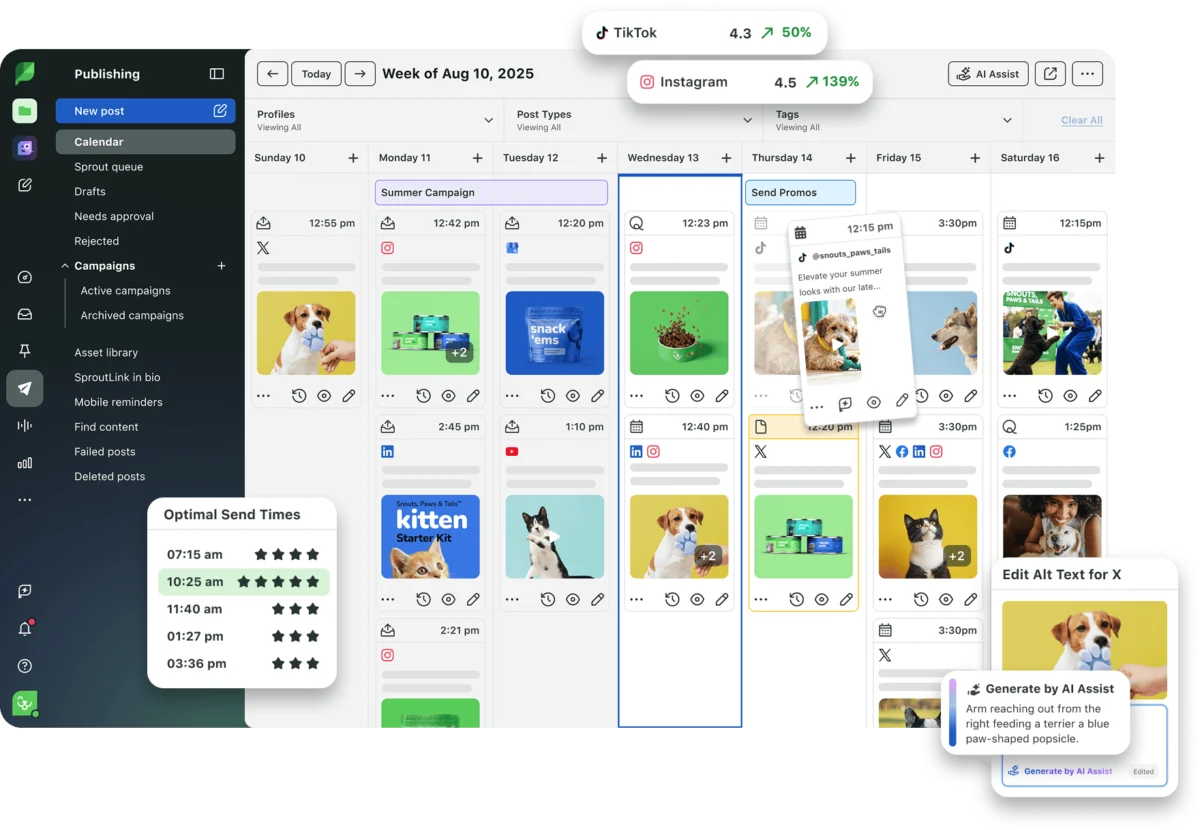
For the modern small business, Facebook is far more than a social network; it serves as a digital storefront, a customer service hub, and a critical engine for growth. With over two billion people logging in daily to discover local businesses, vet services through reviews, and initiate purchasing inquiries, the platform offers an unparalleled opportunity for connection. Yet, for many entrepreneurs, the data generated by this activity remains a "black box."
Many business owners fall into the trap of vanity metrics—counting likes, followers, and shares as primary markers of success. However, in an era where digital marketing ROI is scrutinized more closely than ever, these metrics are often superficial. True growth requires a pivot toward data-backed strategies that connect social activity to tangible business outcomes.
The Core Challenge: Why Vanity Metrics Fall Short
The fundamental disconnect for many small-to-medium businesses (SMBs) is the reliance on "vanity metrics." While high follower counts provide social proof, they rarely correlate directly to the bottom line. A post with 500 likes may generate a dopamine hit for the social media manager, but if those likes do not translate into website traffic, lead generation, or sales, the content has failed to serve the business’s strategic goals.
Understanding your audience’s behavior is the antidote to guessing. By leveraging analytics, businesses can identify which content formats resonate, what drives conversion, and precisely where their audience is in the buyer’s journey.
Chronology of Strategy: From Intuition to Data-Driven Execution
The journey to mastering Facebook analytics typically follows a predictable trajectory for growing businesses:
- The Intuitive Phase: Owners post content based on "gut feeling." Performance is measured sporadically, often by checking the app once a week to see if a post "did well."
- The Diagnostic Phase: The business begins using Meta Business Suite to review basic insights. They start identifying patterns, such as "videos perform better than photos" or "posts on Tuesday mornings reach more people."
- The Integration Phase: The business connects social data to broader KPIs. They use trackable links (UTM parameters) to see exactly how many Facebook users visited their website and completed a purchase.
- The Scaled Phase: The business adopts third-party management tools to automate reporting, unify cross-platform data, and optimize their content calendar based on historical performance, moving from reactive to proactive marketing.
Supporting Data: Connecting Engagement to Revenue
The most critical shift a small business can make is linking engagement directly to revenue. Unlike platforms that limit external linking, Facebook allows for a seamless transition from the feed to the point of sale.
The Power of Trackable Links
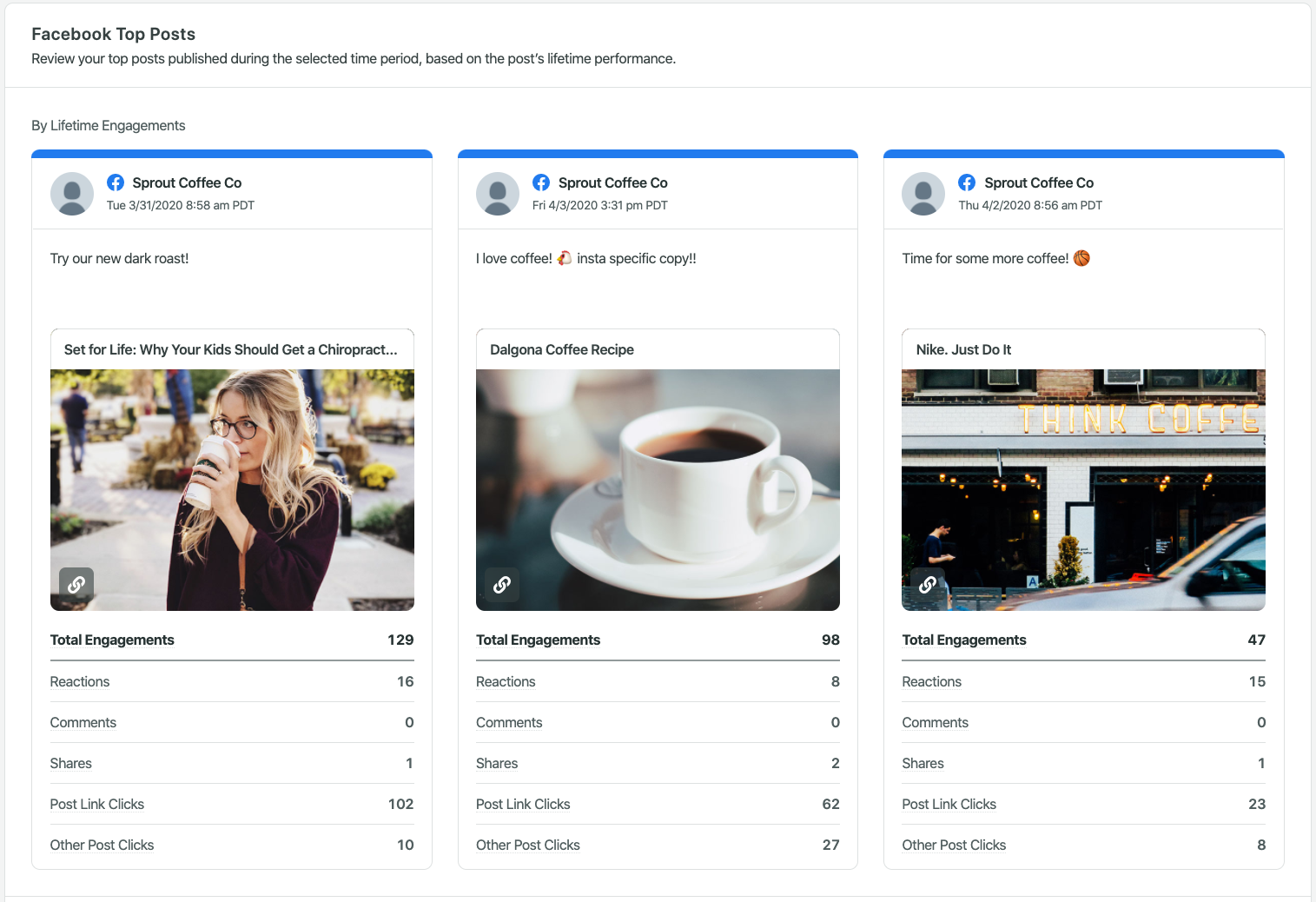
For an SMB, a "click" is a bridge between a digital interaction and a real-world transaction. By using shortened, trackable URLs, a local boutique can distinguish between a casual browser and a potential customer. If a post about a new collection generates 50 clicks, that data point is far more valuable than 500 likes. It represents 50 individuals who have signaled high intent to purchase.
Organic vs. Paid: A Tale of Two Metrics
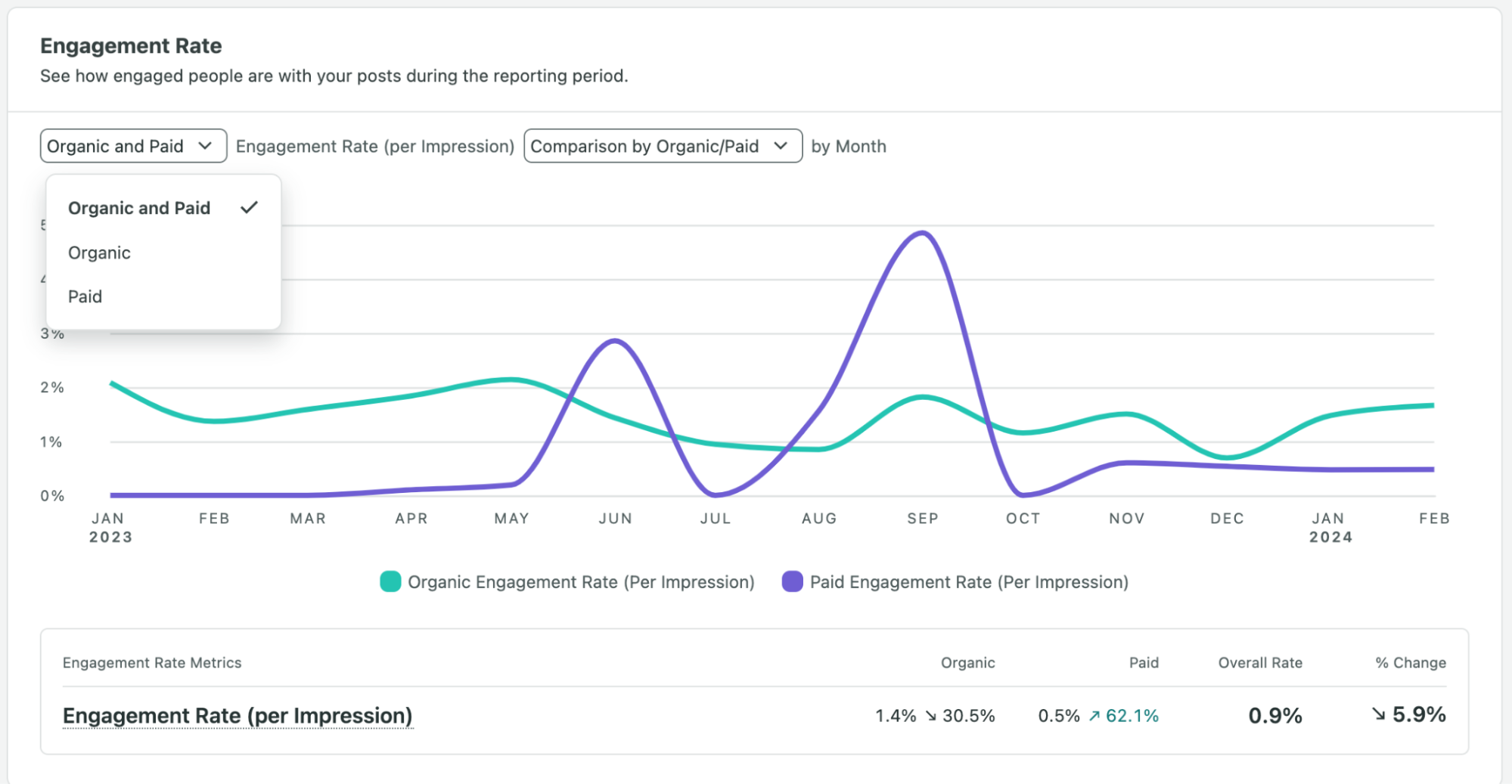
A common mistake is blending organic and paid performance. These metrics serve different functions:
- Organic Reach: Represents your brand’s resonance with your existing community. High organic engagement suggests your content is relevant and shareable.
- Paid Reach: Represents the effectiveness of your advertising spend.
By analyzing these in separate buckets, businesses can make smarter budget decisions. For instance, a post that achieves high organic engagement is a prime candidate for a "boost," as it has already been "market-tested" by your followers. Conversely, if a post only gains traction when paid for, it may indicate that the messaging needs refinement before further investment.
Key Metrics That Demand Attention
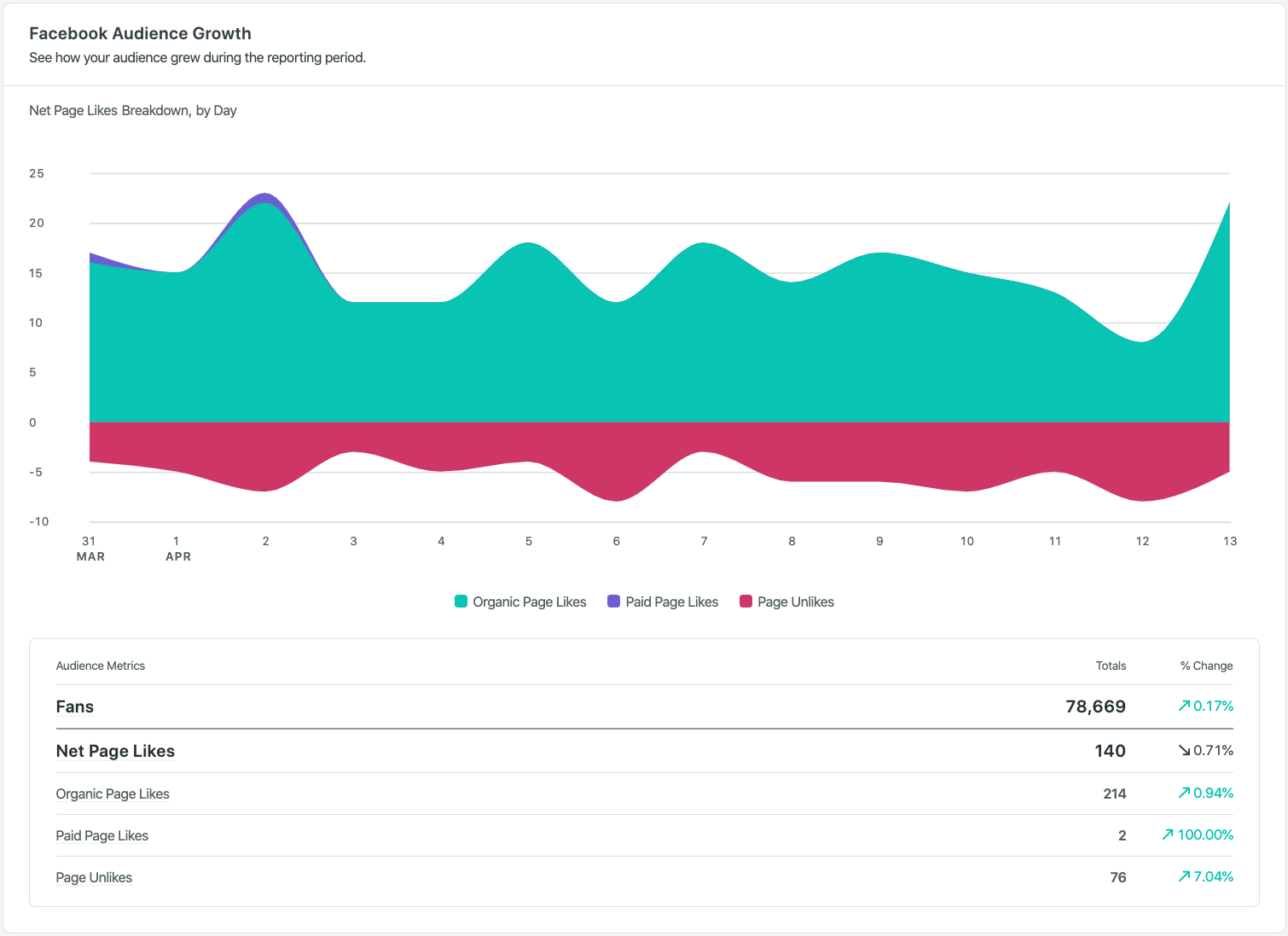
Not all metrics carry equal weight. To maximize ROI, businesses should prioritize the following:
1. Link Clicks and Referral Traffic
This is the ultimate test of content efficacy. Are you moving people off the platform and into your sales funnel? Cross-referencing these clicks with your website’s bounce rate provides a clear picture of whether your landing page experience matches the promise of your Facebook post.
2. Video Performance and Watch Time
With short-form video dominating the digital landscape, tracking "views" is insufficient. "Average watch time" reveals whether your hook is effective and if your message is actually being delivered. If viewers drop off within the first three seconds, the video’s opening needs an immediate audit.
3. Audience Demographics and Peak Activity
Posting into the void is a common waste of resources. By analyzing when your followers are most active, you can time your content to maximize immediate engagement, which in turn signals to the algorithm that your post is worth showing to a wider audience. Furthermore, ensuring that your content reaches users within your specific service area is vital for local businesses.
4. Sentiment and Review Quality
For local brands, the "Reviews" section on a Facebook Page is as important as the storefront window. High-intent customers often look at the sentiment of reviews before visiting. Proactively managing these—and tracking the tone of comments—allows a business to pivot quickly if a service issue arises.
Official Perspectives: The Role of Advanced Analytics
Industry experts emphasize that the complexity of modern social media requires a shift away from manual reporting. As businesses grow, the time spent "tab-hopping" between Meta Business Suite, Google Analytics, and internal sales spreadsheets becomes a significant drain on resources.
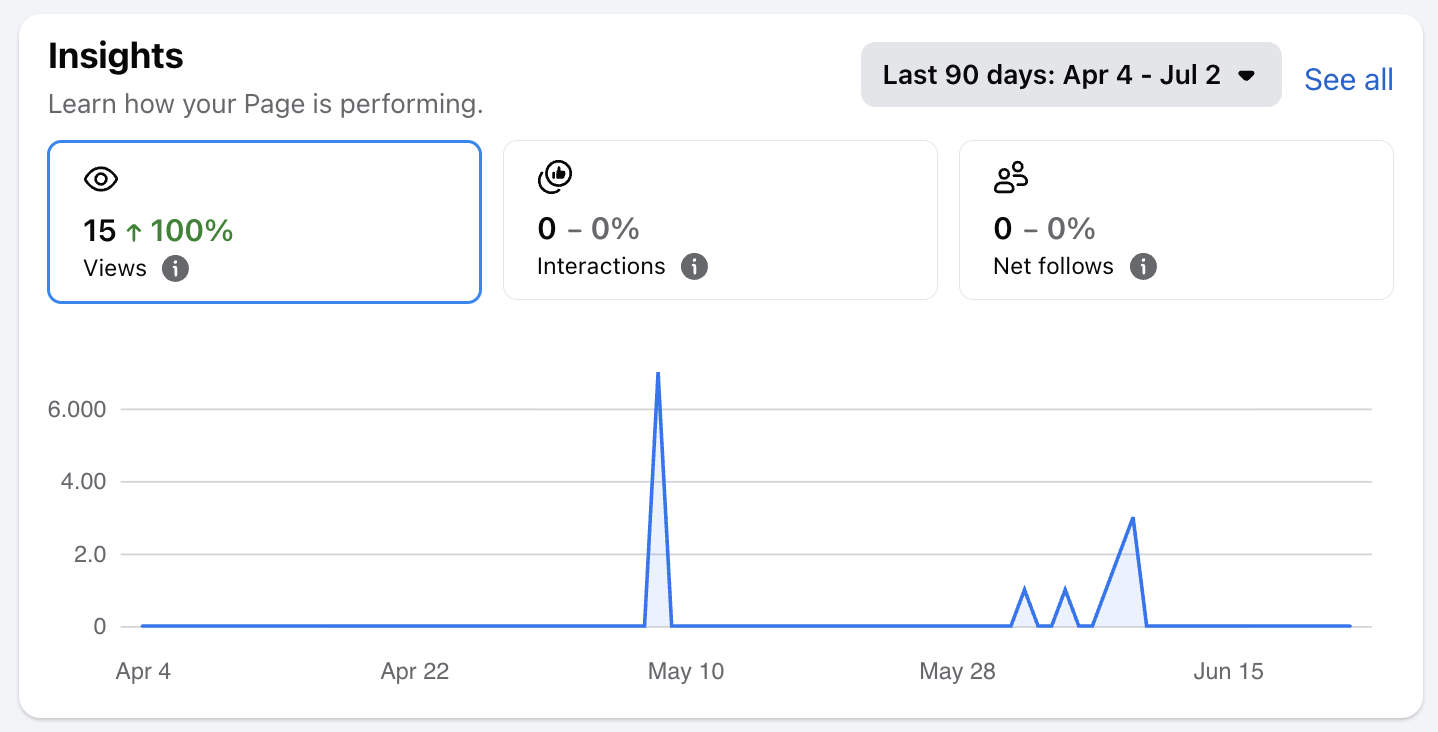
"For lean, ambitious teams, the goal isn’t just to track data—it’s to act on it," notes a spokesperson for Sprout Social. "The transition from native tools to unified third-party platforms is often the catalyst that turns a small business into a scaling enterprise. By automating the reporting process, teams regain hours of productive time, allowing them to focus on high-level strategy rather than administrative data entry."
Implications for Future Growth
The implications of ignoring data are clear: stagnation. Without a clear view of which content formats, topics, and publishing times yield the best results, a business remains tethered to a cycle of trial-and-error.
Moving Toward Automation
As companies evolve, they find that native Facebook tools eventually hit a ceiling. When a business reaches a point where they are managing multiple platforms (Instagram, TikTok, LinkedIn) and running paid campaigns alongside organic content, the fragmentation of data becomes a strategic liability.
Third-party solutions offer a "single source of truth." This allows for:
- Automated Reporting: Creating professional, stakeholder-ready reports in minutes rather than hours.
- Unified Workflows: Managing engagement, publishing, and analytics within one dashboard.
- Content Replication: Identifying winning formulas and templating them for future success.
The Strategic Conclusion
Small businesses that embrace Facebook analytics are no longer just posting; they are performing a continuous experiment. They test a message, analyze the conversion rate, refine the creative, and repeat the process. This rigorous, data-informed approach is what separates brands that simply "have a page" from brands that use that page to drive consistent, measurable revenue.
In the final analysis, Facebook is a tool of immense power. Whether it serves as a simple bulletin board or a sophisticated growth engine depends entirely on how a business interprets the numbers beneath the surface. By focusing on link clicks, watch time, and genuine audience growth, entrepreneurs can stop guessing and start building a predictable, profitable future.


 Basiran
 Ali Ikhwan