

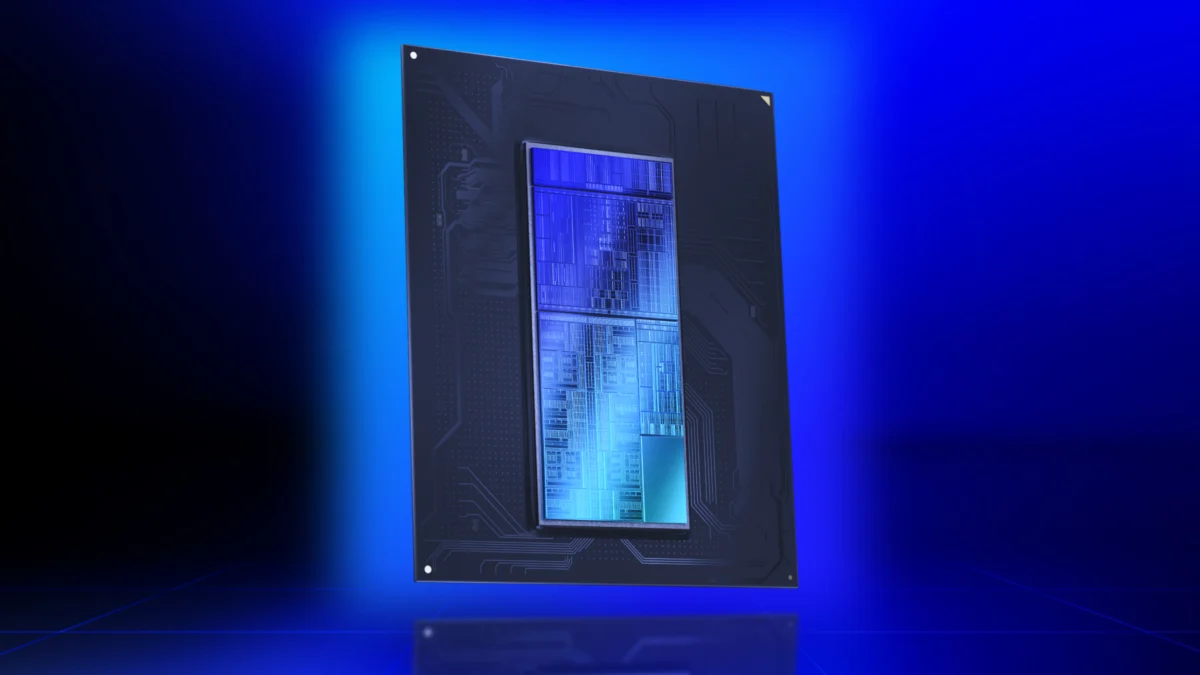
As the semiconductor industry races toward the next frontier of processor efficiency and raw computing power, Intel’s upcoming "Nova Lake" architecture is rapidly taking shape as the company’s most pivotal project in recent memory. Recent leaks from reputable industry insiders suggest that Intel is preparing to aggressively challenge AMD’s dominance in gaming performance by significantly expanding the availability of its proprietary "Big Last Level Cache" (bLLC) technology. By integrating this high-speed cache architecture not just into its flagship enthusiast chips, but also into its mid-range Core Ultra 5 lineup, Intel is signaling a fundamental shift in how it approaches consumer-grade desktop computing.
The Core of the Strategy: Understanding bLLC
For years, the competitive landscape of the CPU market has been defined by a technological "arms race" centered on cache capacity. AMD famously disrupted the gaming segment with its 3D V-Cache technology, which stacks extra cache directly onto the processor die, dramatically reducing latency and boosting frame rates in cache-sensitive gaming workloads.
Intel’s answer to this has been the development of bLLC. Unlike traditional cache architectures, bLLC is designed to be a more aggressive, high-density, and low-latency storage layer. While initial industry sentiment suggested that this technology would be reserved exclusively for premium, unlocked "K-series" processors to maximize profit margins, new reports indicate a broader rollout. According to recent data from industry leaker Jaykihn, Intel is now planning to bring bLLC to the Core Ultra 5 series, featuring 22-core configurations (6 Performance-cores, 12 Efficiency-cores, and 4 Low-Power Efficiency-cores).
A Detailed Chronology of the Nova Lake Leaks
The narrative surrounding Nova Lake has evolved significantly over the past six months, reflecting the fluid nature of silicon development and Intel’s internal strategic pivots.
- Early Speculation (Q1 2026): Initial rumors focused on the transition to the "Coyote Cove" (P-core) and "Arctic Wolf" (E-core) architectures. At this stage, the market expected Nova Lake to be a modest iterative improvement over previous architectures.
- The 42-to-44 Core Realignment: Mid-year, reports surfaced suggesting that Intel had upgraded its high-end silicon from a 42-core design to a 44-core design. This architectural shuffle was not merely about adding two cores; it was about optimizing the tile-based layout to increase yield and efficiency.
- The Cache Revelation: Following the realization that the 44-core die was a viable design, analysts realized that this would free up lower-tier "6P+12E" tiles that could be repurposed for broader product segments.
- The Correction (July 2026): In a transparent moment of industry reporting, Jaykihn corrected earlier misinformation regarding the Core Ultra 5 and Core Ultra 9 specifications. The revised data confirmed a 22-core (6+12+4) configuration for these units, putting to rest the theory that only the top-tier chips would receive the bLLC treatment.
Analyzing the Specifications: The 22-Core Paradigm
The leaked specifications for the upcoming Core Ultra 5 and Ultra 9 lines present a fascinating look at how Intel plans to segment its market. By utilizing a 6+12+4 configuration, Intel is balancing the high-frequency demands of modern gaming (the 6 P-cores) with the heavy multitasking capabilities required for modern creative suites (the 12 E-cores) and background task management (the 4 LP-E cores).
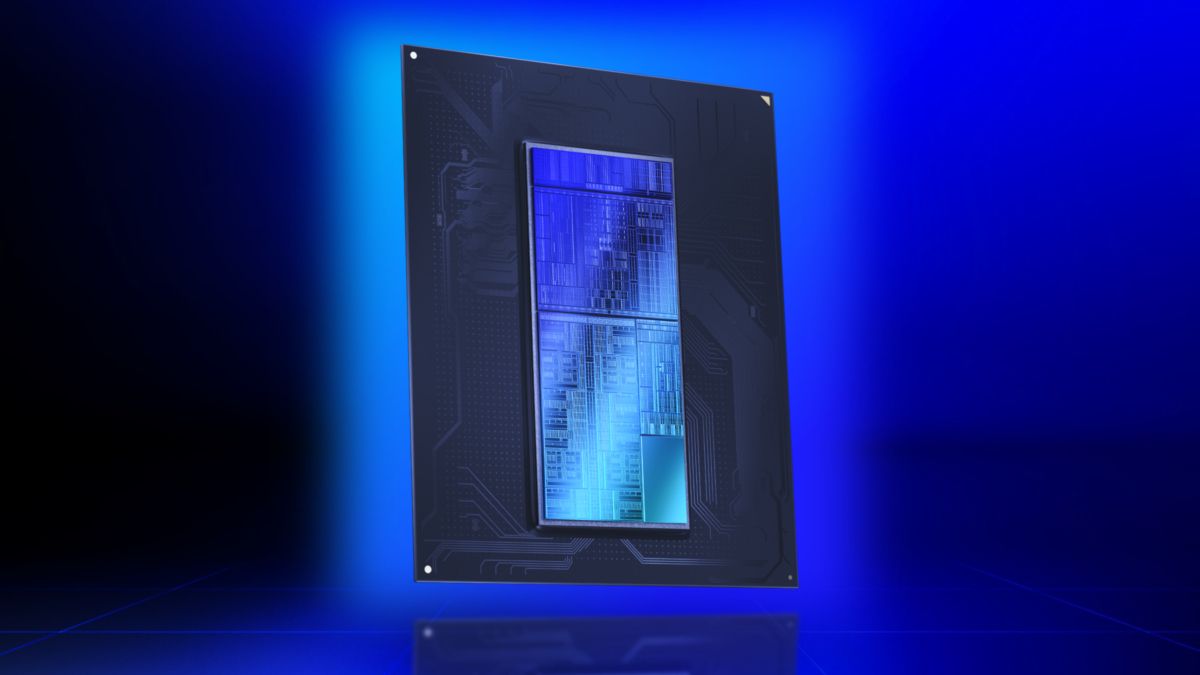
The Technical Breakdown
The most striking element of these chips is the inclusion of up to 144MB of bLLC. In the context of desktop computing, this volume of cache is massive, allowing the CPU to store significantly larger datasets closer to the execution units. This minimizes the need to fetch data from system RAM, which is inherently slower, thereby smoothing out "1% lows" in gaming benchmarks and accelerating complex rendering tasks.
The lineup is divided into two distinct power envelopes:
- The Unlocked (K-series equivalent) SKU: Featuring a 125W TDP, these chips are designed for enthusiasts who intend to overclock or push their cooling solutions to the limit.
- The Locked (Standard) SKU: With a 65W TDP, these chips offer the same architectural advantages—including the bLLC—but are optimized for power efficiency and lower thermal output, making them ideal for standard pre-built systems and mainstream gaming rigs.
Implications for the Competitive Landscape
The decision to democratize bLLC by moving it into the Core Ultra 5 tier is perhaps the most significant strategic move by Intel in recent years. By doing so, Intel is essentially creating a "spoiler" for AMD’s mid-range Ryzen offerings.
Historically, AMD’s X3D chips have dominated the "best gaming CPU" rankings due to their superior cache utilization. If Intel can successfully ship a 22-core chip with 144MB of cache at a competitive mid-range price point, the price-to-performance ratio currently held by AMD may face its stiffest challenge yet.
The Multi-Tile Future
Looking beyond the 22-core parts, the dual-tile variants of Nova Lake-S represent the "bleeding edge." With the potential for 288MB of cache, these high-end chips are clearly aimed at the workstation and extreme-enthusiast markets. By scaling the cache proportionally with the core count, Intel is ensuring that its flagship products remain unmatched in raw computational throughput, while the mid-range offerings remain "good enough" to capture the lion’s share of the gaming market.
The Road to CES 2027 and Beyond
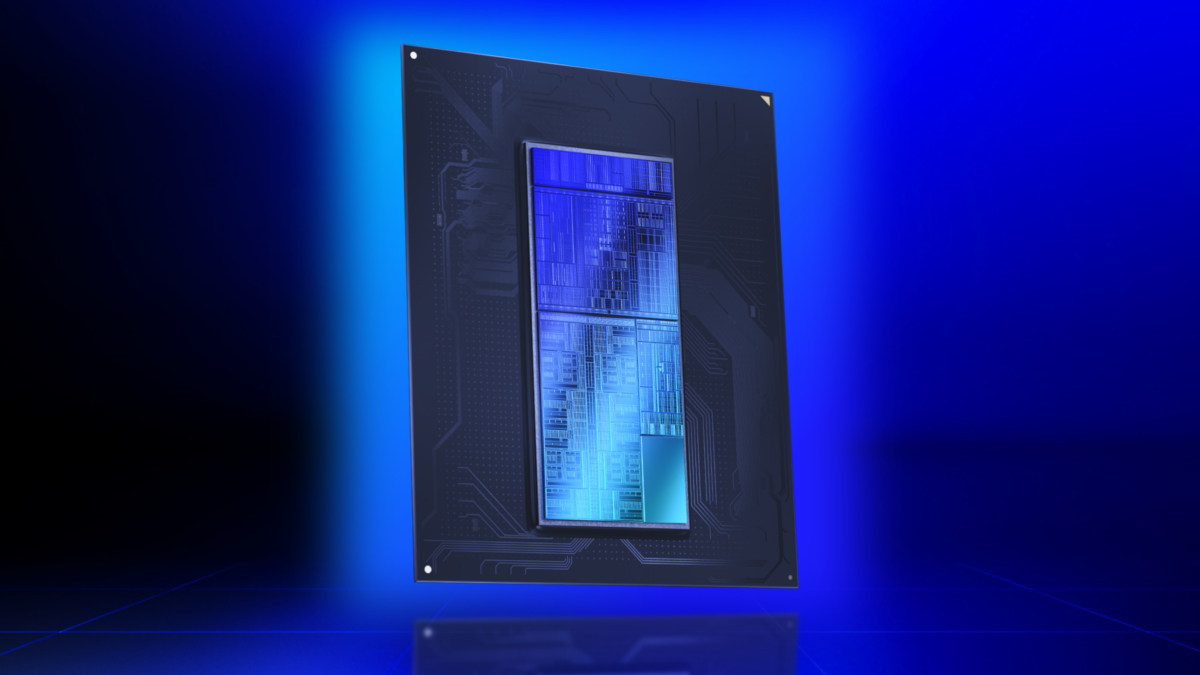
As it stands, the industry is eyeing CES 2027 as the likely stage for the formal unveiling of the Nova Lake (Core Ultra 400 series) family. However, this target is not without its risks. The global semiconductor industry continues to face supply chain volatility and economic headwinds that have historically caused delays for even the most well-prepared silicon manufacturers.
Intel’s ability to execute this rollout depends on several factors:
- Yield Rates: Producing high-core-count tiles with complex cache structures is notoriously difficult. If yields are low, the cost of these chips could skyrocket, forcing Intel to rethink its pricing strategy.
- Software Optimization: Hardware is only as good as the software that utilizes it. Intel will need to work closely with game developers and OS vendors to ensure that the OS scheduler effectively uses the LP-E cores and the massive bLLC pool.
- Thermal Management: Pushing 144MB of cache and 22 cores within a 65W power envelope is a significant engineering feat. If these chips run too hot, their performance gains will be negated by thermal throttling.
Conclusion: A New Era for Intel
The transition to Nova Lake represents more than just a new generation of chips; it represents a cultural change within Intel’s product development teams. By listening to the market’s demand for cache-heavy architectures and moving away from a "top-tier-only" mentality, Intel is positioning itself to reclaim the hearts and minds of the enthusiast community.
While the technical specs and rumors continue to swirl, one thing is clear: the battle for the desktop throne in 2027 will be fought on the battlefield of cache efficiency. Whether Intel can successfully navigate the complexities of production and launch remains to be seen, but the signs point toward a significantly more competitive and exciting market for the end consumer. As we await further official word from the company, the current data suggests that the Core Ultra 5, with its 22-core, 144MB-cache configuration, could well become the "sweet spot" for the next generation of PC builders.











