Sagoh
Sagoh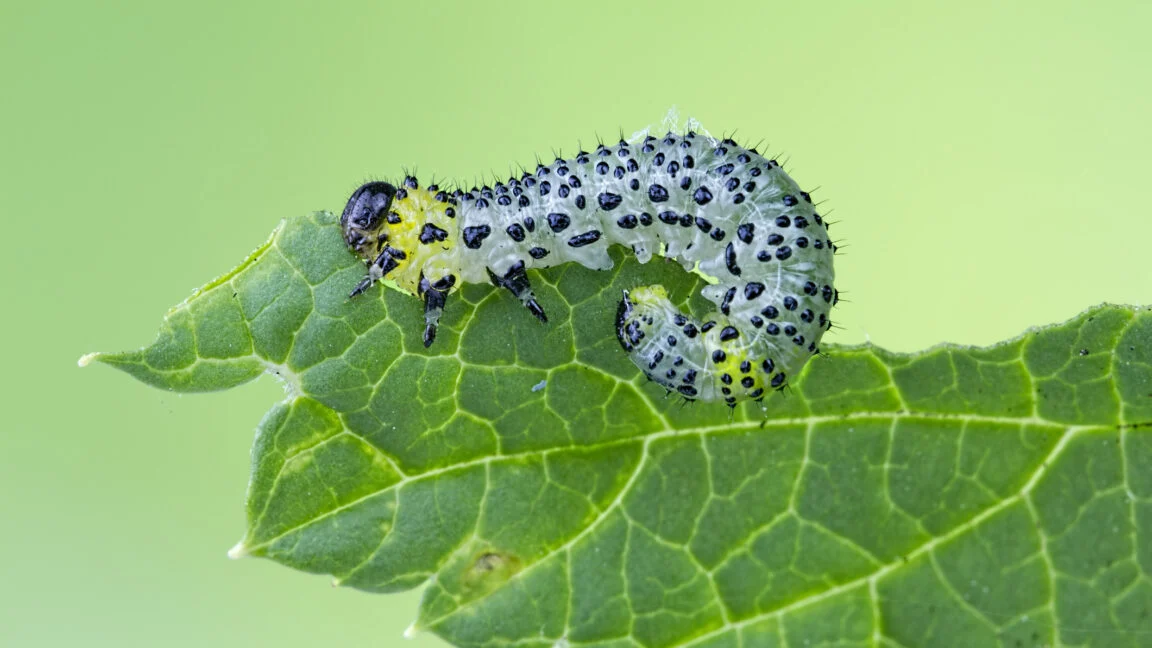
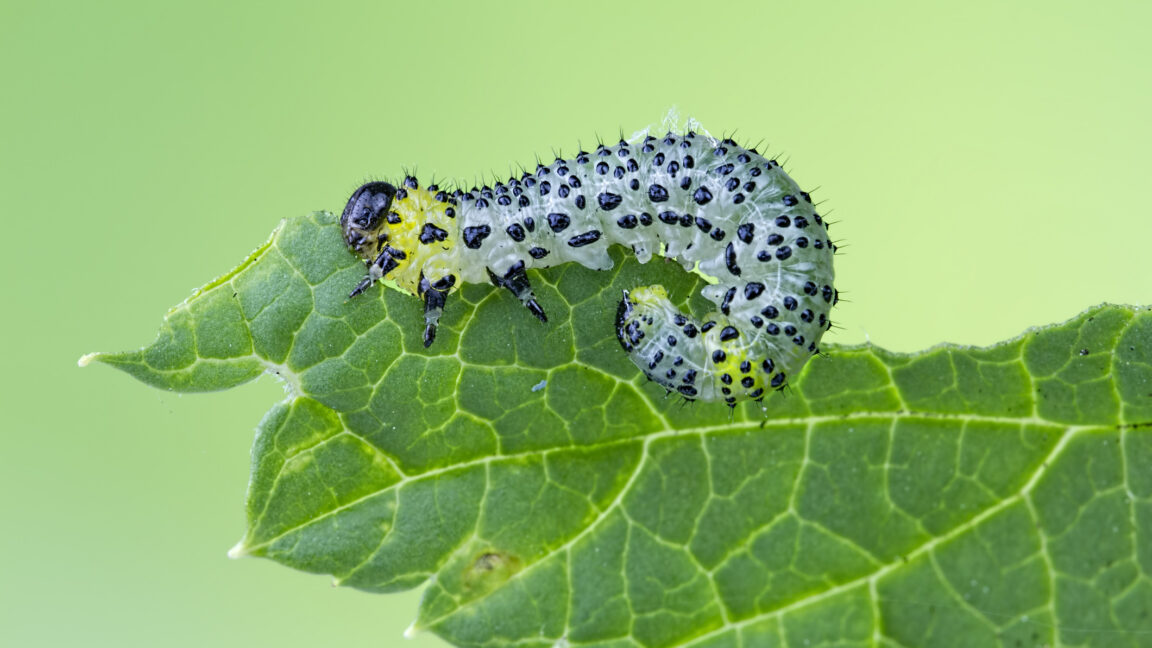
In the silent, green world of agriculture, plants are far from passive victims. While they may appear stationary and defenseless, a groundbreaking study published in Science Advances has unveiled a sophisticated, high-speed security system that allows common bean plants to detect predators in real-time and summon aerial reinforcements to their defense. For years, biologists have known that plants emit "volatile organic compounds" (VOCs) to alert natural enemies—such as parasitic wasps—when they are under attack. However, the exact mechanism by which a plant perceives the difference between a random breeze and a hungry, leaf-munching caterpillar remained one of botany’s most enduring mysteries.
New research led by Adam Steinbrenner, a biologist at the University of Washington, has finally identified the "smoking gun" of this process: a specialized immune receptor that acts as a molecular alarm system, identifying caterpillar saliva to trigger a targeted, chemical-based call for help.
Main Facts: Identifying the Molecular Alarm
The core of this discovery lies in the chemical dialogue between the plant and the pest. When a caterpillar consumes a leaf, it introduces its saliva into the plant’s tissues. This saliva is not merely a digestive byproduct; it is a complex cocktail of "herbivore-associated molecular patterns" (HAMPs). Among these, a specific peptide fragment known as In11—derived from the caterpillar’s digestion of the plant’s own ATP synthase—acts as a chemical siren.
Steinbrenner’s team identified that common bean plants possess a specialized cell-surface receptor, the "inceptin receptor," which has evolved over millions of years specifically to detect the presence of In11. When this receptor binds with the peptide, it initiates a rapid, systemic signaling cascade. This cascade shifts the plant’s metabolism from routine growth into high-alert defense mode, which includes the release of specific airborne scents that act as a beacon for predatory wasps. These wasps, the plant’s "air support," respond to these chemical signals to hunt the caterpillars, effectively neutralizing the threat.
A Chronological Breakdown: Years of Genetic Detective Work
The path to this discovery was neither quick nor simple. The researchers’ journey can be broken down into three distinct phases of scientific inquiry:
1. The Search for the Mutant (2018–2021):
Because common bean plants are notoriously difficult to modify using modern CRISPR or RNA-silencing techniques, the team had to rely on classic, labor-intensive selective breeding. They screened 89 different varieties of Mesoamerican beans, searching for a natural mutant that lacked the ability to react to the In11 peptide. Their breakthrough came with a Honduran strain, W6 13807, which ignored the peptide entirely. Genome sequencing revealed a 103-base-pair deletion in the gene encoding the inceptin receptor, rendering it non-functional.
2. The Sibling Study (2021–2023):
To isolate the effects of the receptor, the team performed a series of genetic crosses between the insensitive Honduran strain and a responsive standard bean variety. After years of meticulous breeding, they created "sibling" plants that were nearly identical in every way except for the integrity of their inceptin receptors. This allowed for a perfectly controlled, side-by-side comparison.
3. Field Validation (2024–2025):
The final, crucial stage took place in the agricultural fields of Oaxaca, Mexico. Researchers placed pairs of these sibling plants—one with the functional receptor and one without—into the wild. They applied synthetic In11 and caterpillar secretions to the leaves and monitored them with "sentinel" caterpillars. The results were stark: the plants with functional receptors were protected by incoming wasps, while the "deaf" plants were left to be decimated by the larvae.
Supporting Data: The Cost of Silence
The implications of a "broken" alarm system are profound. When caterpillars fed on the mutant beans lacking the functional receptor, they grew 70 percent faster than those on normal, reactive plants. The data suggests that the lack of a receptor prevents the plant from mounting a cohesive defense.
In reactive plants, the presence of In11 triggers the up-regulation of 527 individual genes associated with anti-herbivore defenses. These include physical changes that make the leaves less palatable and chemical shifts that serve as a beacon for predators. Plants lacking the receptor, by contrast, treated the caterpillar’s feeding as simple mechanical damage—the equivalent of a leaf being torn by the wind—and failed to launch the chemical counter-offensive.

Official Responses and Expert Perspective
The scientific community has hailed this study as a milestone in plant immunity. "The big picture is understanding how plants translate external signals into internal action," says Dr. Steinbrenner. "We’ve known for a long time that plants talk to the world around them, but now we know exactly how they are ‘listening’ to the insects that eat them."
While the study is robust, the authors are careful to note the complexity of the ecosystem. The beet armyworm (Spodoptera exigua) used in the study is a generalist; it is possible that more specialized pests may have evolved ways to mask their presence or neutralize the plant’s chemical signals. Furthermore, while the recruitment of wasps is a vital component of the plant’s defense, the study indicates that other immune pathways exist, ensuring the plant is not entirely helpless even when the inceptin receptor fails.
Implications: The Future of Sustainable Agriculture
The discovery of the inceptin receptor offers more than just academic satisfaction; it provides a roadmap for the future of global food security. As modern agriculture seeks to move away from heavy reliance on chemical pesticides, "smart" crops that can defend themselves are becoming a focal point of genetic research.
Potential Applications:
- Targeted Immunity: By understanding the receptor-ligand interactions, scientists may be able to breed or engineer crops that have "super-sensitive" receptors, allowing them to summon predators at the first sign of an infestation.
- Volatile Engineering: Researchers could potentially enhance the specific scent profile of crops, making them more attractive to beneficial insects, thereby creating a natural, self-sustaining pest control system.
- Reduced Pesticide Use: If crops can effectively "call in their own air support," the necessity for broad-spectrum insecticides—which often harm pollinators and disrupt local ecosystems—could be significantly reduced.
"Today, we defend our crops with chemicals," Steinbrenner concludes. "But if we could use the best receptors and the best volatile signals from various plant species, we might be able to confer immunity to the most problematic pests in a targeted, biological way. That is the long-term goal of our research."
As climate change alters the migration patterns of pests and threatens crop yields worldwide, the ability to decode and manipulate these ancient, hidden signaling systems could be the key to ensuring that our agricultural systems remain resilient. The "caterpillar alarm" of the bean plant is a testament to the evolutionary ingenuity of nature, and for the first time, humanity is learning how to listen to the signal—and potentially, how to amplify it.


 Suro Senen
 Ali Ikhwan