Iffa Jayyana
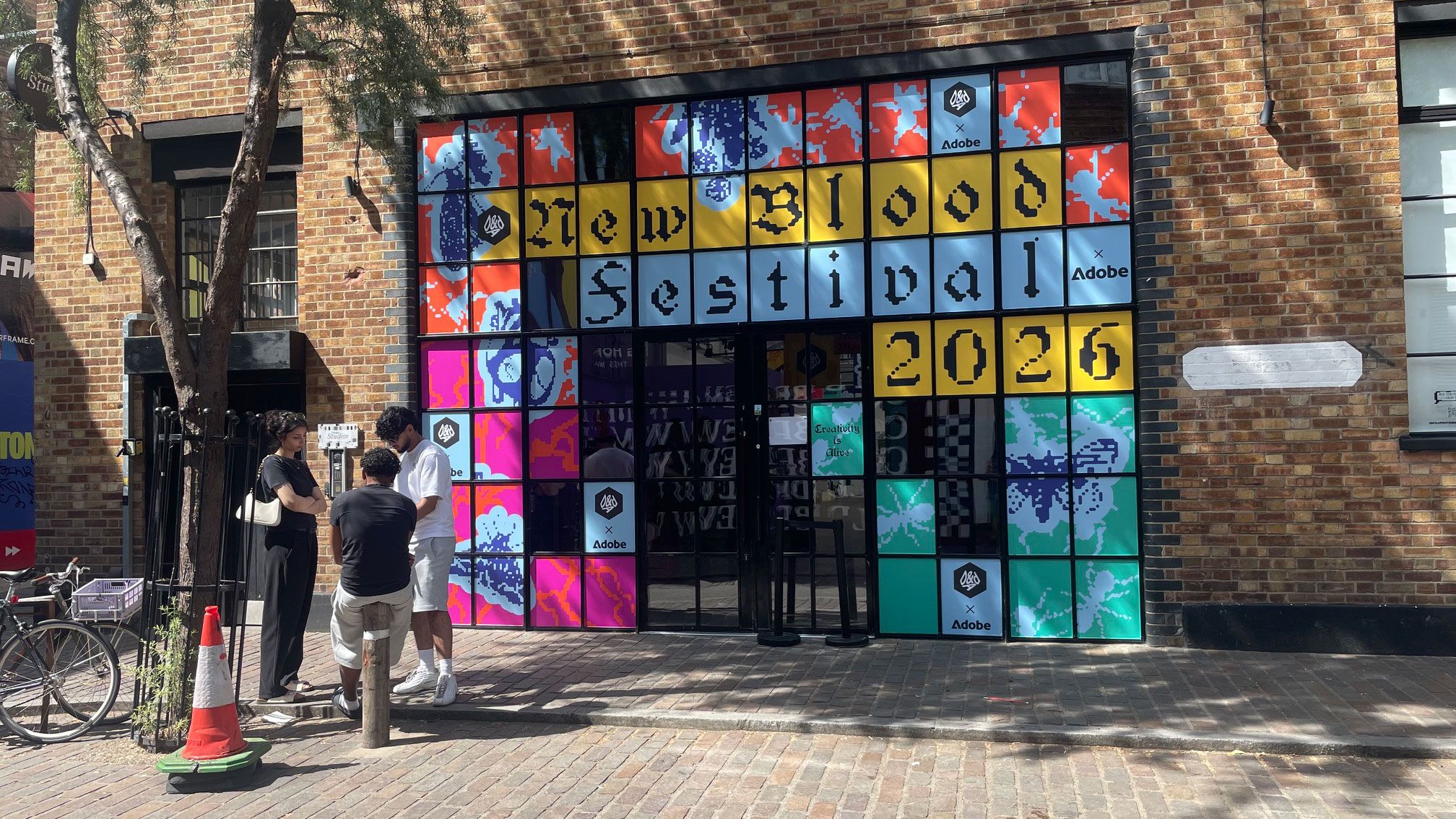
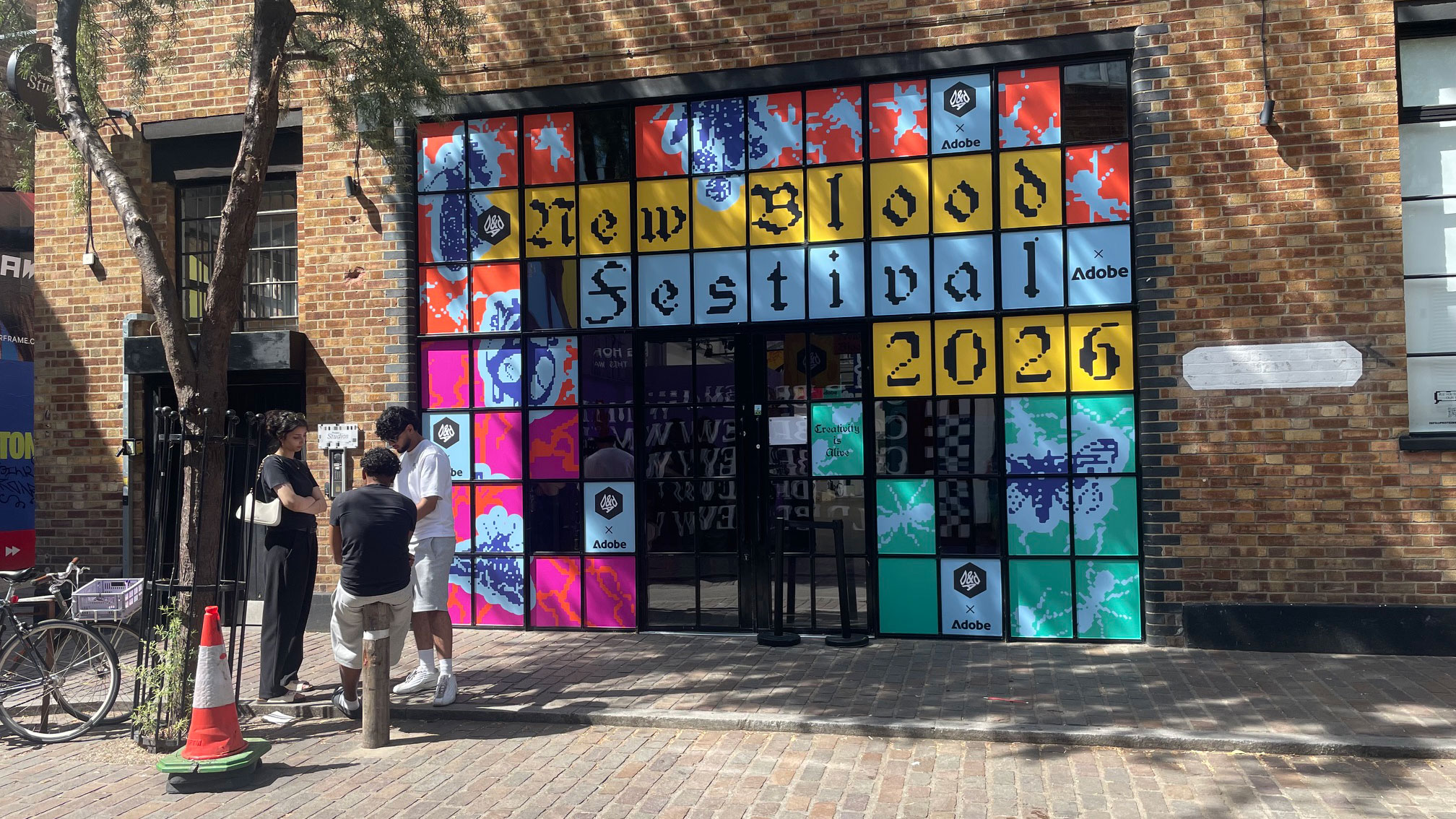
The D&AD New Blood Festival stands as a premier rite of passage for emerging creative talent, serving as the bridge between academic life and the professional industry. As a judge for this year’s "Best Stand" category, I had the privilege of walking the exhibition floor to evaluate how universities from across the UK translate complex creative journeys into a singular, cohesive physical experience.
The disparity in execution was revealing. While some stands acted as magnets, pulling industry professionals and recruiters into deep, meaningful conversations, others suffered from visual clutter or poor communication, inadvertently hiding the very brilliance they were meant to showcase. For a graduate, your stand is not just a display; it is your first professional pitch. To help you navigate this high-stakes environment, I have distilled my observations into a strategic guide for crafting an unforgettable degree show presence.
The Strategic Anatomy of a Winning Stand
1. Think Like a Retailer: The Art of Visual Merchandising
In the competitive landscape of a festival like New Blood, your stand must function like a high-end boutique. If a visitor enters your space and feels overwhelmed by competing colors, disorganized layouts, or conflicting narratives, they will likely disengage.
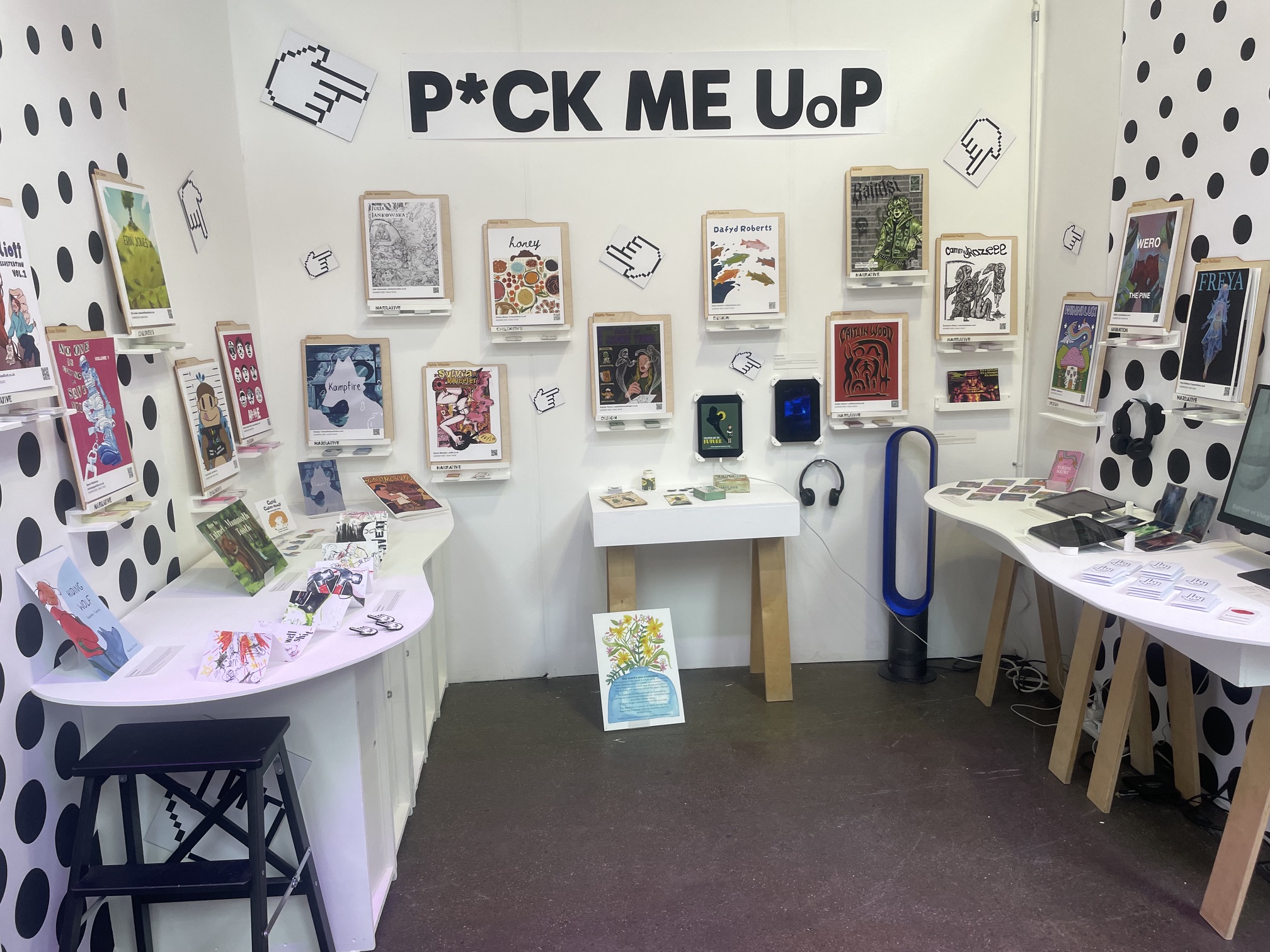
A successful stand requires a "hero" narrative that unites the collective work under a singular brand identity, while ensuring individual students’ contributions remain distinct and accessible. Think about "customer journey" mapping: Is the flow intuitive? Are your most striking pieces at eye level? Is the branding consistent, or does it feel like a chaotic patchwork? When the University of Plymouth designed their stand, they focused on interconnectedness, ensuring that while each student’s project had its own breathing room, the overall aesthetic felt like a unified, professional collection.
2. The Power of Interaction: Moving Beyond Static Displays
Passive observation is the enemy of engagement. During my rounds, the stands that commanded the most attention were those that invited physical interaction. Visitors at the D&AD New Blood Festival are often fatigued after hours of walking; providing them with a tactile or playful experience acts as an immediate anchor.
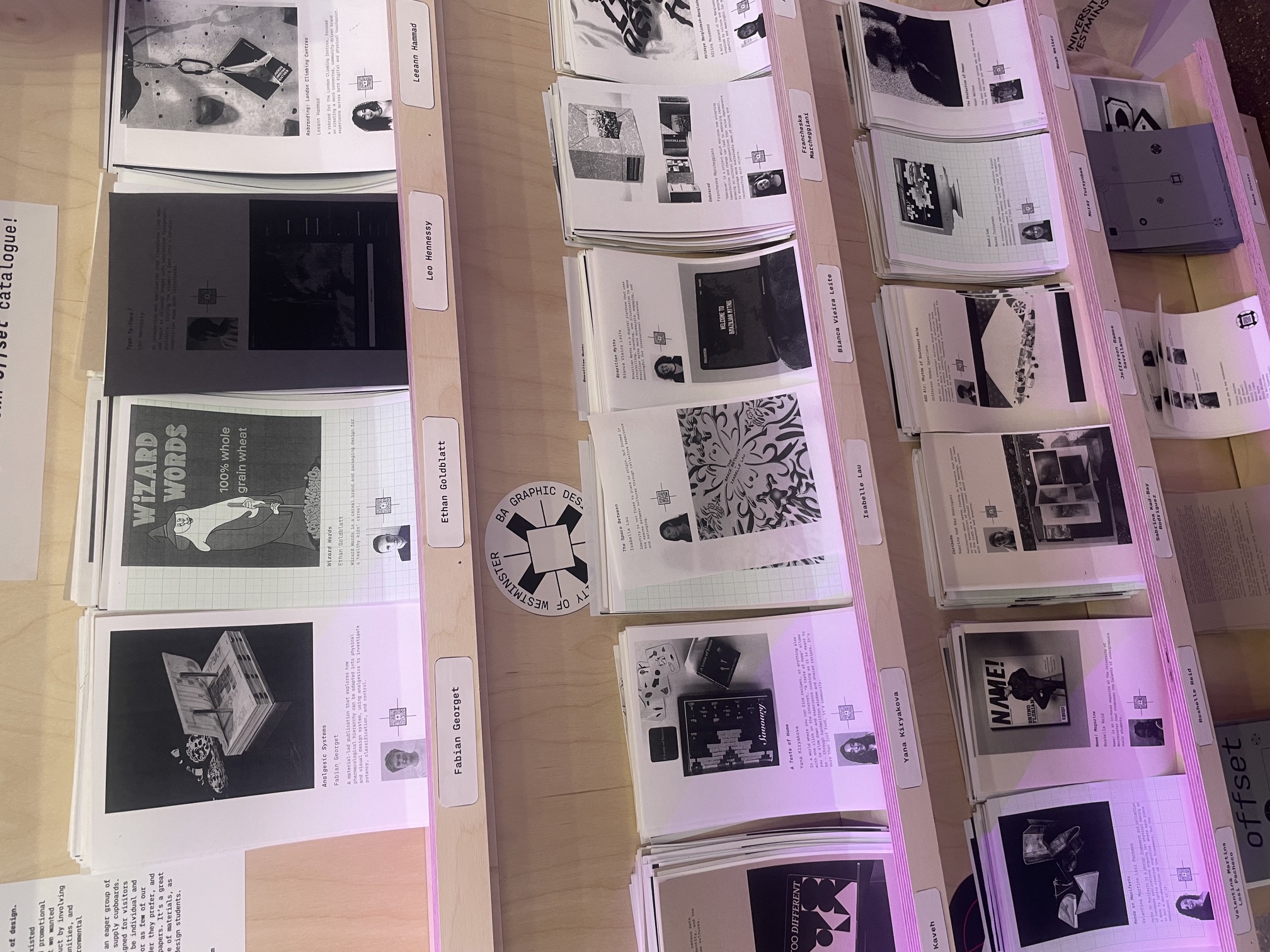
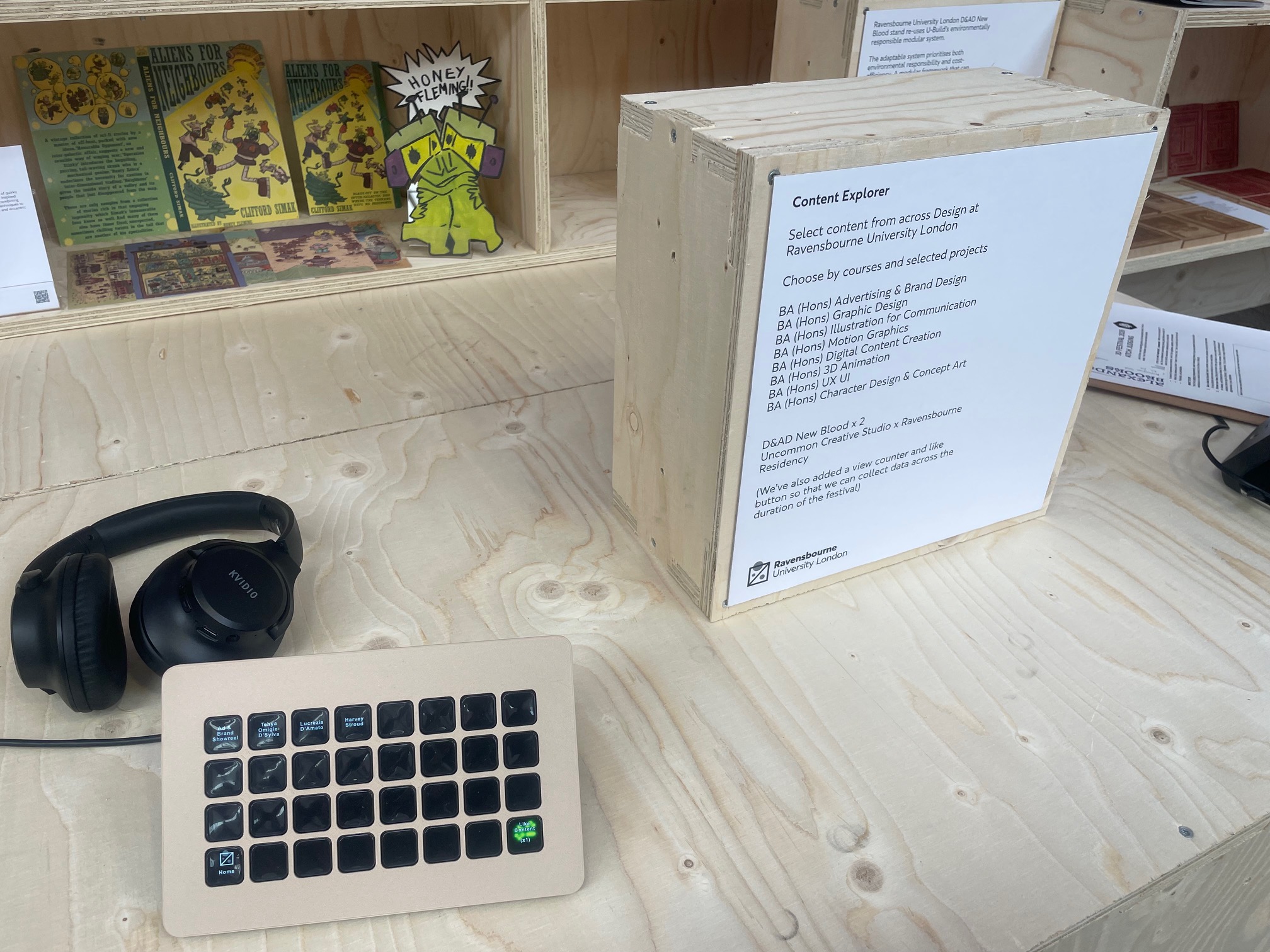
The University of Westminster’s BA Graphic Design stand offered a masterclass in this approach. By displaying project components that allowed visitors to physically assemble their own magazine, they created a memorable, tactile souvenir. This not only gamified the experience but ensured the visitor left with a physical piece of the student’s work, keeping their name top-of-mind long after the event concluded. Similarly, Ravensbourne University London utilized an interactive console for showreels, replacing the mundane "monitor on a wall" approach with a dedicated space that encouraged viewers to linger, play, and engage deeply with the motion graphics on display.
3. Precision in Attribution: The "Who Did What" Rule
There is nothing more frustrating for a recruiter than finding a piece of work they admire, only to be unable to identify the creator. Clear, concise labeling is non-negotiable. During the judging process, I encountered several stands where labels were missing, illegible, or placed so far from the corresponding work that it was impossible to discern authorship.
This is a failure of communication that can cost you a job. Your stand should function as an efficient directory. If your label system is confusing, you are essentially telling the employer that your organizational skills are lacking. Consider the design of the labels as part of your overall brand identity—ensure they are legible, consistent, and strategically placed.
4. The "Call to Action": Prioritizing Contactability
Following the thread of clear attribution, we must address the "Call to Action" (CTA). You are at this festival to secure employment, yet many students fail to make their contact details the centerpiece of their display.
Arts University Bournemouth offered a brilliant example of this, incorporating student contact information into a creative, boarding-pass-themed design. It was clever, on-brand, and impossible to miss. Whether it is a QR code that leads directly to a curated portfolio website, a high-quality business card, or a simple, bold email address, ensure your contact details are as prominent as your best work. If a recruiter has to hunt for your name or contact info, they will move on to the next person before you can blink.
5. Contextualizing Your Work: The Importance of the Brief
One of the most overlooked elements in graduate showcases is the "Why." While a finished piece of work is visually impressive, it is only half the story. Employers are looking for problem-solvers. By stating the original brief—even in a short, concise sentence—you allow the viewer to understand the limitations you were working under and the creative logic you applied to solve the problem.
Knowing if a project was a self-directed exploration or a rigid client brief helps a potential employer gauge your ability to follow instructions, manage constraints, and deliver results. If space is at a premium, use a small, elegant vinyl sticker or a well-designed caption card to explain the "brief-to-solution" journey.
6. The Technological Pitfall: Avoiding the "Glitch"
In our digital age, technology is a standard feature of any exhibition, but it must be implemented with extreme caution. Too often, I saw headphones that produced no sound, monitors that were black, or interactive elements that were unresponsive.
Before the doors open, conduct a rigorous audit of your tech. If you are showcasing video, ensure the playback is set to loop, that the volume is calibrated for a noisy environment, and that the setup is "tamper-proof"—meaning a passing visitor cannot accidentally exit your application or disconnect your hardware. A broken interactive element is worse than having no technology at all; it suggests a lack of attention to detail and a failure to perform final quality assurance.
Implications for Future Graduates
The lessons gathered from the D&AD New Blood Festival are not merely about decorating a wall; they are about professional presentation. As the creative industry becomes increasingly saturated, the way you package your talent is just as important as the talent itself.
Recruiters and judges aren’t just looking for the best artist or the most skilled designer; they are looking for the candidate who understands how to communicate, how to curate, and how to command a space. By treating your graduate stand as a professional storefront, you are signaling to the industry that you are ready to transition from a student to a practitioner.
Key Takeaways for Your Upcoming Show:
- Curate, don’t just dump: Less is often more. A selection of your strongest work is far better than a crowded stand that hides your talent.
- Test the tech: Assign one person in your group to be the "tech lead" responsible for verifying all digital displays every morning.
- Think of the takeaway: Whether it’s a printed zine, a sticker, or a well-designed business card, ensure the visitor leaves with something that reminds them of your stand.
- Staff the stand: If you are part of a group, ensure there is always a friendly, knowledgeable student present to answer questions and facilitate networking. A "manned" stand is an active, inviting stand.
As you prepare for your final show, remember that the goal is to create a seamless intersection between your creativity and the professional world. If you can make your stand easy to navigate, impossible to ignore, and simple to contact, you will have already cleared the first, and most important, hurdle in your career.
For those seeking further guidance on how to navigate the transition from degree show to career, I recommend reviewing my previous analysis on 6 things to do at your degree show, where I delve deeper into the networking nuances that turn a casual visit into a job offer.

 Muslim
 Siti Muinah