By Jamie Lang | June 29, 2026
The Annecy International Animation Film Festival has long stood as the beating heart of the global animation community. However, over the past decade, a significant tectonic shift has occurred: the festival has increasingly become the primary stage for U.S. studio showcases. While recent editions have seen a concerted effort by festival organizers to reclaim the event’s indie spirit, the reality of the industry remains clear: Hollywood’s financial and creative machinery is the engine that keeps the festival’s massive infrastructure operational.
In 2026, Annecy effectively supplanted San Diego Comic-Con as the most vital promotional platform for the animation industry. For major studios, it is no longer just a marketing stop; it is the annual convention where the future of the medium is negotiated, teased, and validated. As the dust settles on another banner year in the French Alps, we analyze the performance of the industry’s heavyweights.
The Strategic Landscape: Why Annecy Matters
The symbiosis between Hollywood and Annecy is rooted in necessity. For the studios, the festival offers an audience of superfans, critics, and industry professionals who speak the language of animation. Unlike general consumer conventions, the Annecy crowd is discerning. They are less impressed by star-studded panels and more engaged by Work-in-Progress (WIP) sessions that showcase technical innovation, narrative ambition, and directorial vision.
The studios that succeed at Annecy are those that pivot away from "corporate-speak" and toward genuine filmmaker-driven discourse. This year’s event was defined by a battle for "creative credibility," with studios vying to prove that they are not merely content factories, but homes for auteurs.
A Detailed Audit: Grading the Major Players
Netflix (Grade: A)
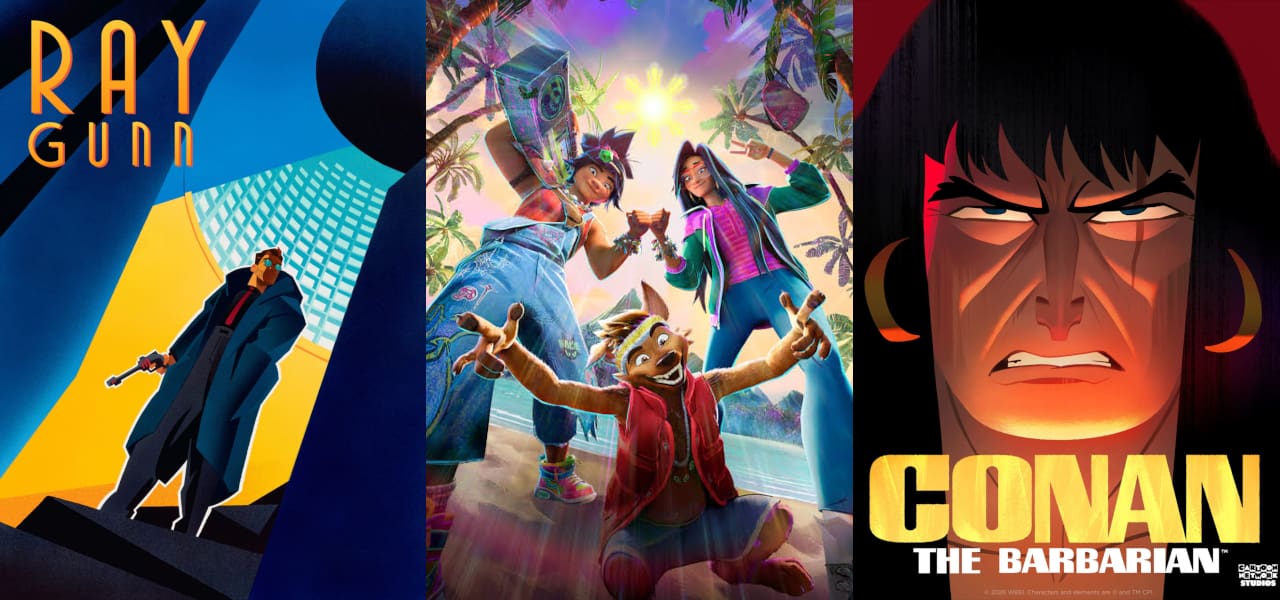
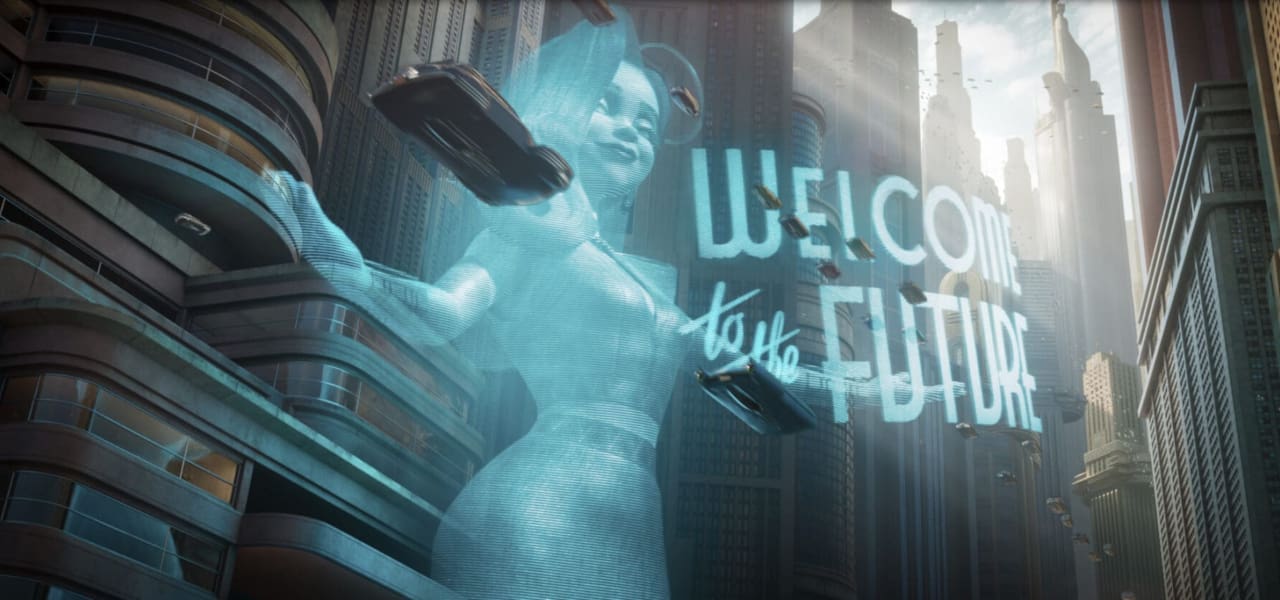
Netflix has mastered the art of the Annecy appearance. The streamer didn’t just bring trailers; they brought anticipation. The headline-grabber was undeniably Brad Bird’s Ray Gunn. From the moment footage was teased, it became the week’s defining topic. Bird’s involvement provided immediate prestige, but it was the execution of the presentation—focusing on the craft and the unique visual identity of the project—that solidified Netflix’s top-tier standing.
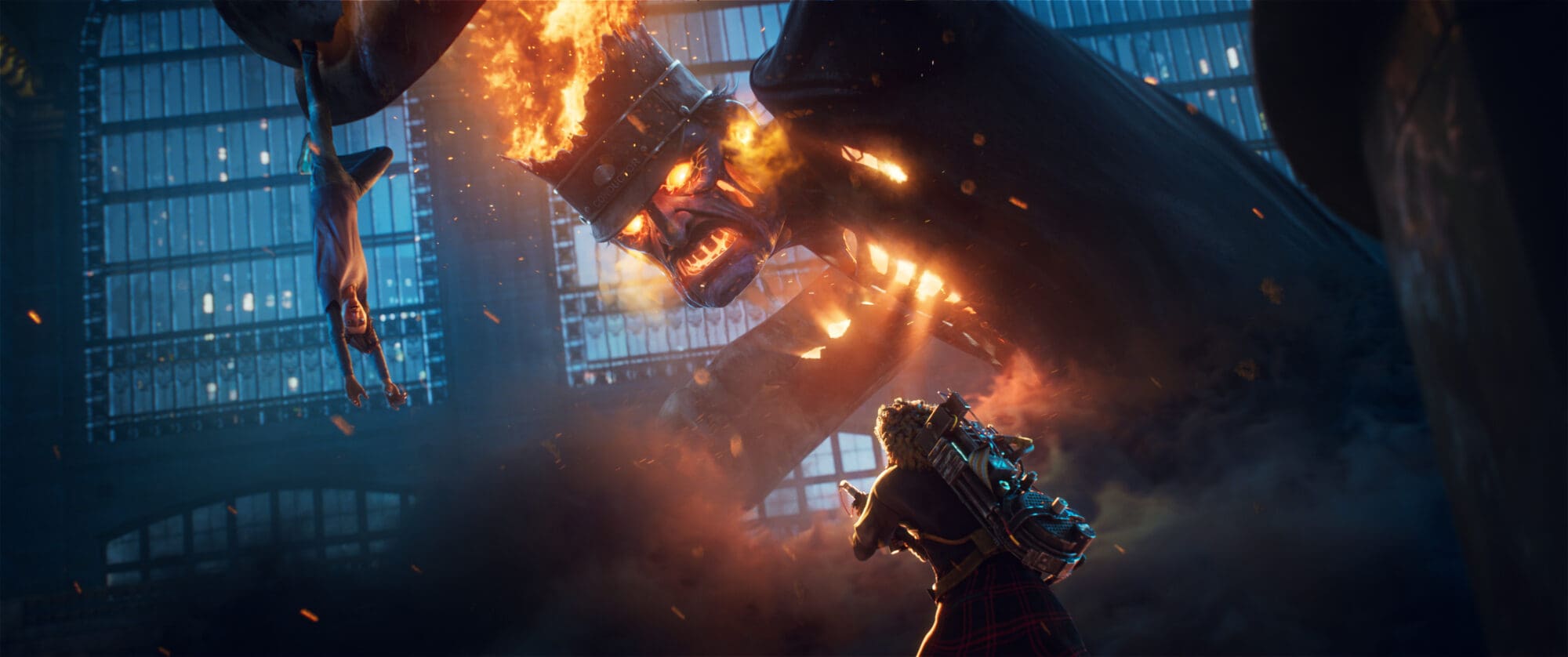
Beyond Ray Gunn, the studio surprised attendees with Ghostbusters: Night Shift and the Imageworks-animated Charlie vs. the Chocolate Factory. Visually, these projects were in a league of their own. Furthermore, the buzz surrounding the project Steps proved that the streamer has its finger on the pulse of what the community wants to talk about. By avoiding the generic marketing pitches of its competitors, Netflix continues to cultivate a reputation as a studio that genuinely respects the medium.
Warner Bros. (Grade: A-)
Warner Bros. treated Annecy with the gravity of a high-stakes trade summit. Under the leadership of Warner Bros. Pictures Animation (WBPA) president Bill Damaschke, the studio delivered an "artist-first" manifesto that resonated deeply with the audience. Damaschke’s pledge to move away from a singular "house style" and toward filmmaker-led creative direction was the most important public statement of the festival.
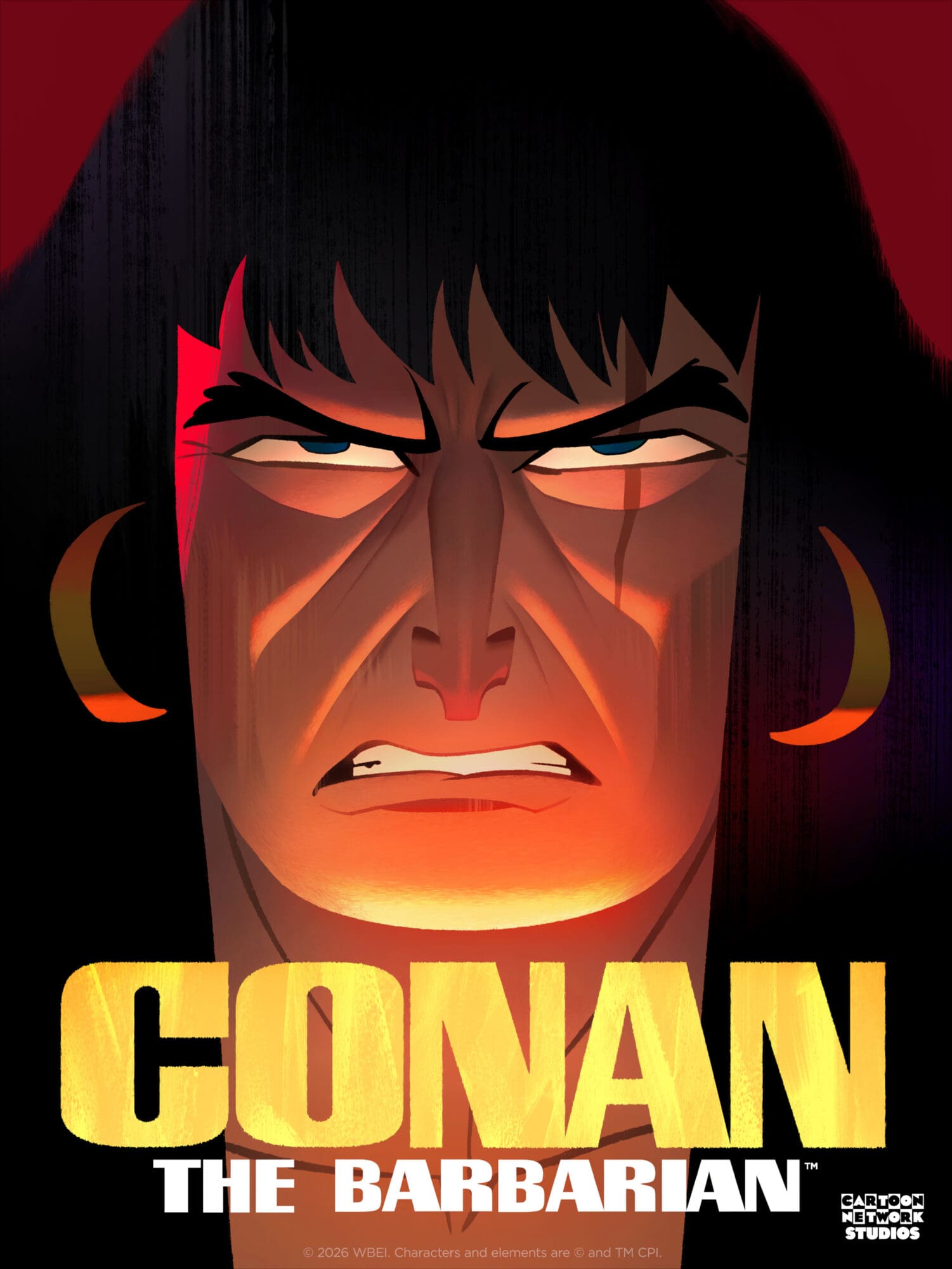
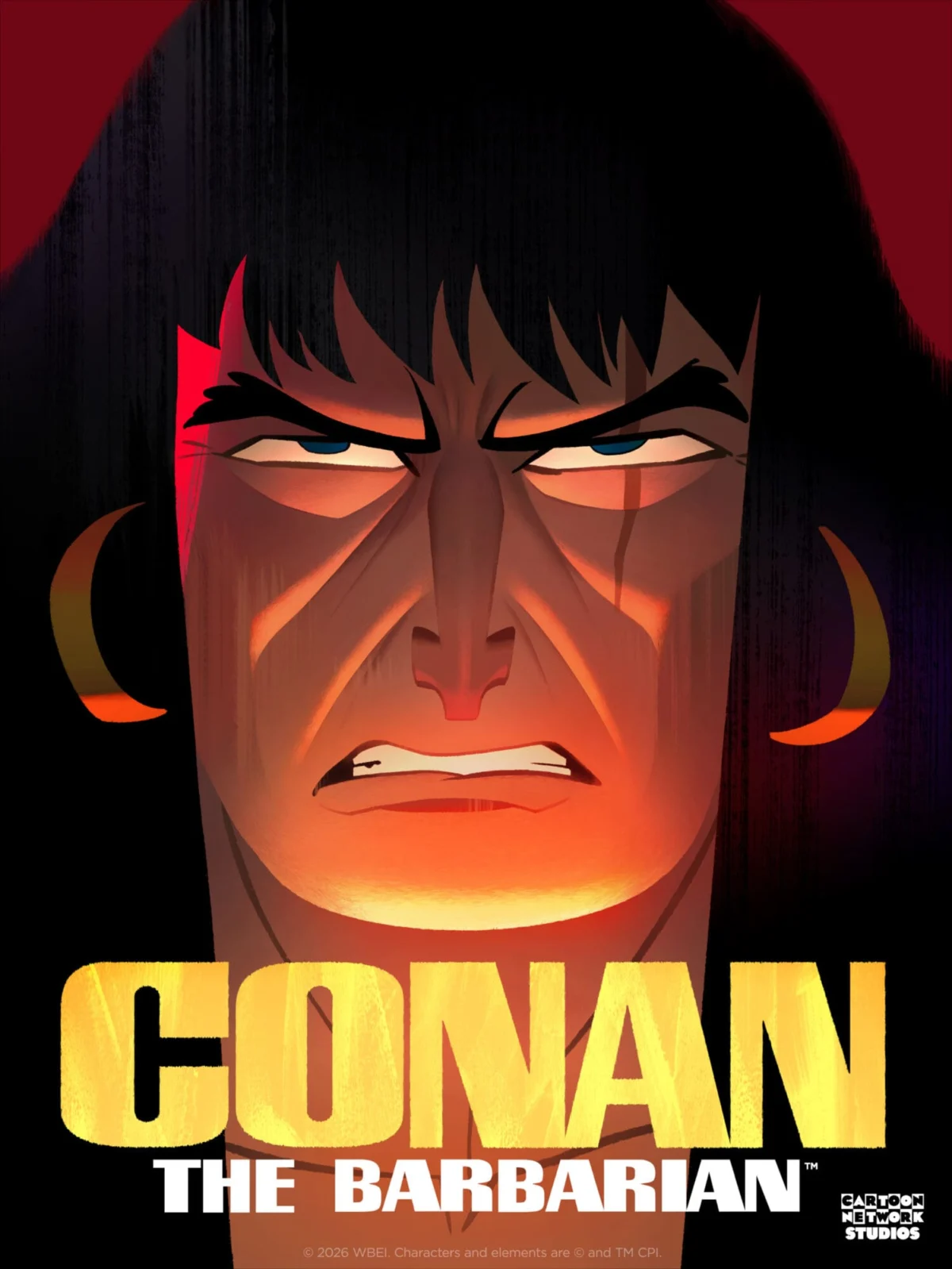
Their slate supported this rhetoric, prioritizing original concepts like Vivienne Medrano’s Prehistoria and the visually experimental Dynamic Duo over safer franchise bets. When combined with the excitement surrounding Adult Swim’s Common Side Effects and the confirmation that Genndy Tartakovsky’s Conan is headed to Prime Video, it became clear that Warner Bros. views Annecy as an essential hub for their entire creative ecosystem, from features to adult animation.
DreamWorks (Grade: B+)
DreamWorks proved that you don’t need a massive volume of content to win the festival; you only need one undeniable success. Forgotten Island was the breakout hit of the week. Directors Joel Crawford and Januel Mercado delivered a masterclass in filmmaker presentations, pulling back the curtain on the film’s mythology and emotional depth.

The strategic decision to host a surprise screening of the completed film the following day was a gamble that paid off with a standing ovation. Forgotten Island has now cemented itself as a leading contender for the 2026 awards season, demonstrating that a well-executed, singular focus can eclipse the noise of a broader, less impactful slate.
Sony (Grade: B)
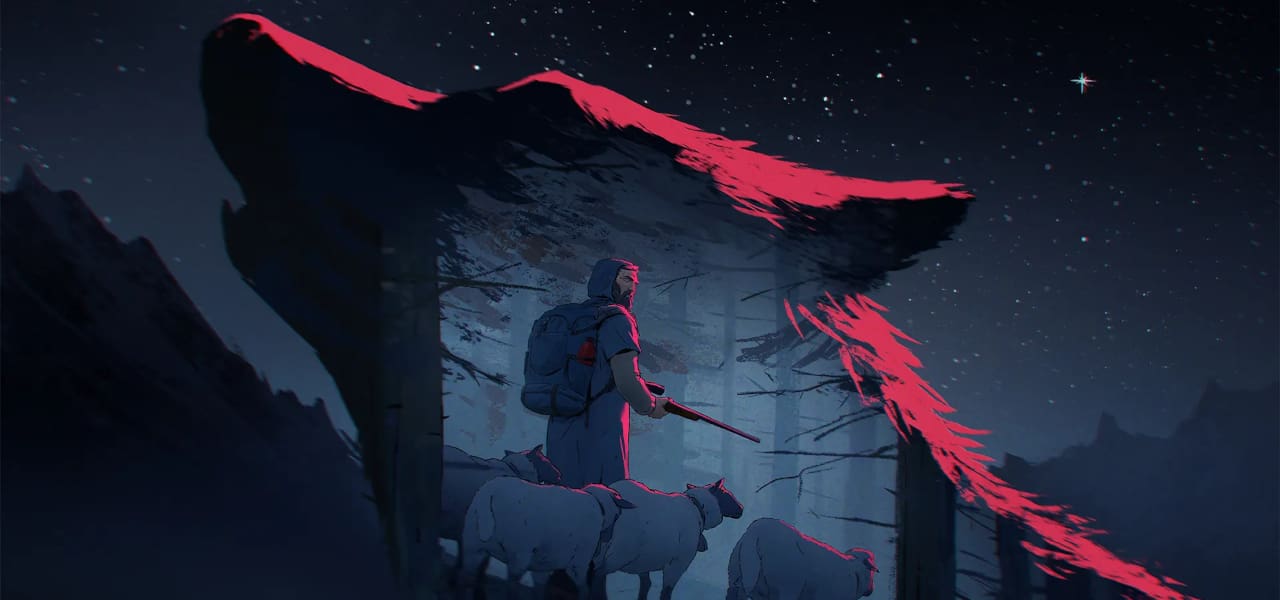
Sony’s performance was bolstered by the sheer ubiquity of the broader Sony ecosystem. While their internal animation studio had a relatively quiet week, the heavy lifting was done by Crunchyroll. By positioning themselves as a gateway for European collaborations—evidenced by the announcements for The Wolf and Dreamland—Crunchyroll proved that its future lies in fostering global, anime-inspired content. This nuance in strategy saved the broader Sony brand from a lower grade, as they effectively showcased how they are evolving beyond traditional Japanese licensing.
Illumination (Grade: C+)
Illumination’s presence was marked by a newfound visibility for CEO Chris Meledandri. His active engagement with the festival, including interviews and events, signaled a desire to pivot the studio’s reputation from "franchise machine" to "filmmaker-supporting powerhouse." However, the studio’s failure to synchronize their major announcements with the festival’s timeline—such as the news regarding Not Alone breaking elsewhere—limited their impact. They arrived with a warm reception for Minions & Monsters, but missed a clear opportunity to own the narrative cycle.
Disney/Pixar (Grade: C)
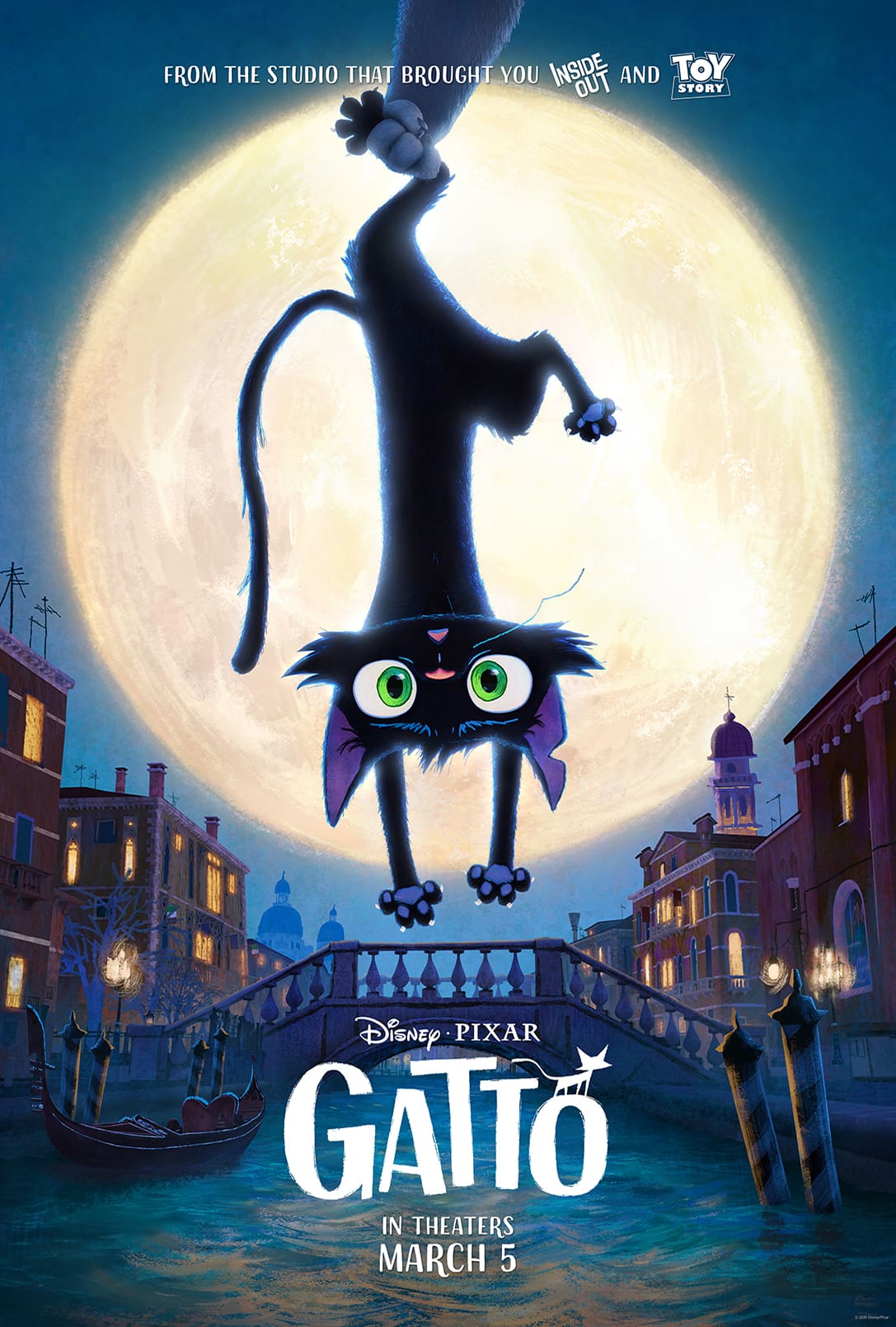
Disney and Pixar’s performance can be best described as "business as usual." While their presentations were professional and the footage for films like Gatto was visually striking, there was a palpable lack of urgency. The reliance on legacy franchises and the lack of truly ground-breaking news left the audience feeling satisfied but not electrified. In a week dominated by bold, original pitches from competitors, the industry titan’s conservative approach felt somewhat disconnected from the festival’s spirit of discovery.

Prime Video (Grade: C-)
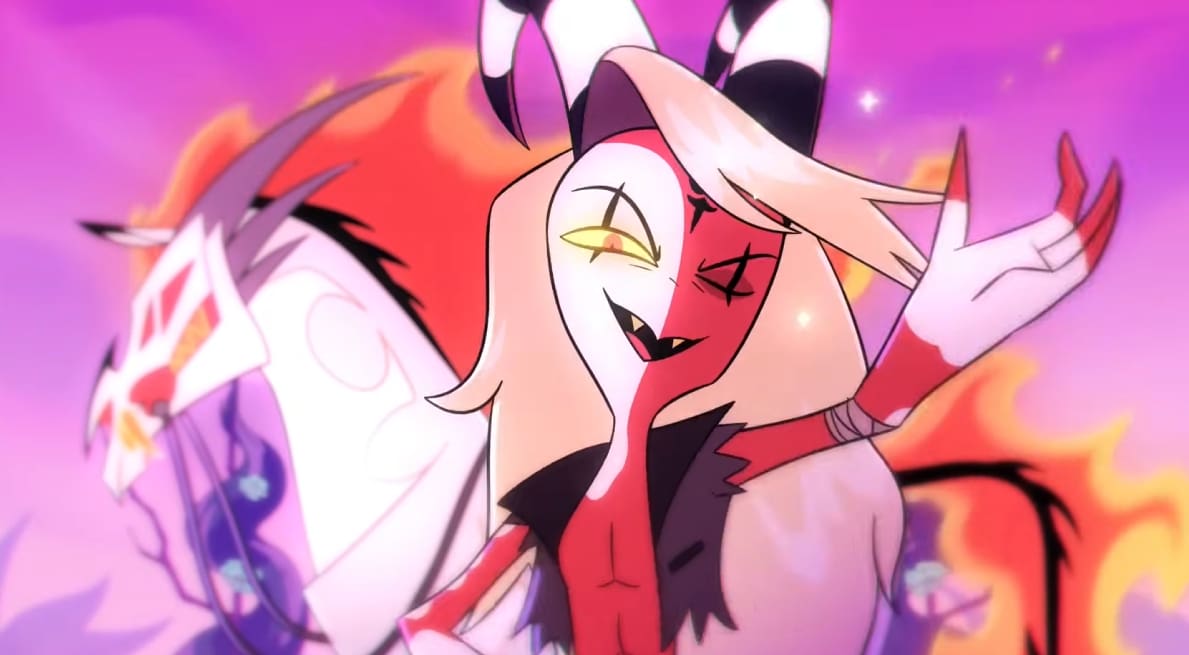
Prime Video’s inaugural studio-focused presence was respectable, but safe. They leaned heavily on their existing hit catalog—Invincible, Hazbin Hotel, and Helluva Boss. While these projects boast passionate fanbases, they did not offer the sense of "newness" that makes an Annecy session feel essential. The collaborative win on the Conan series with Warner Bros. was a highlight, but Prime Video needs to provide more original surprises to justify the long queues and high expectations of the Annecy audience in future years.
Paramount Skydance (Grade: F)
Paramount Skydance occupies a strange space in the 2026 festival retrospective. While they are technically the producers behind the lauded Ray Gunn, their actual presence at the festival was virtually non-existent. There were no major announcements and no defining moments that the studio could claim as its own. More damaging was the "anxiety factor": industry whispers regarding the potential acquisition of Warner Bros. Discovery cast a pall over the week. In a festival designed to celebrate creativity, the only legacy left by Paramount Skydance was the shadow of corporate uncertainty.
Implications: The Future of Annecy
The 2026 edition of Annecy highlights a clear trend: the "Hollywoodization" of the festival is complete. As these studios pour more resources into the French Alps, the standard for what constitutes a successful festival appearance has risen. It is no longer enough to bring a sizzle reel; studios must now bring a vision.
The successful studios this year were those that understood that Annecy is an intellectual and creative space as much as it is a promotional one. For the indie and international filmmakers who have traditionally called Annecy home, this corporate dominance presents a challenge. However, for the animation industry at large, the high bar set by Netflix, Warner Bros., and DreamWorks ensures that the quality of public discourse and creative presentation remains at an all-time high.
As we look toward 2027, the question remains: will the studios continue to push for deeper, more meaningful engagement, or will the "corporate-speech" of the past eventually return to dilute the festival’s unique, high-octane magic? For now, the gears of the industry are turning, and the world is watching.