Ali Ikhwan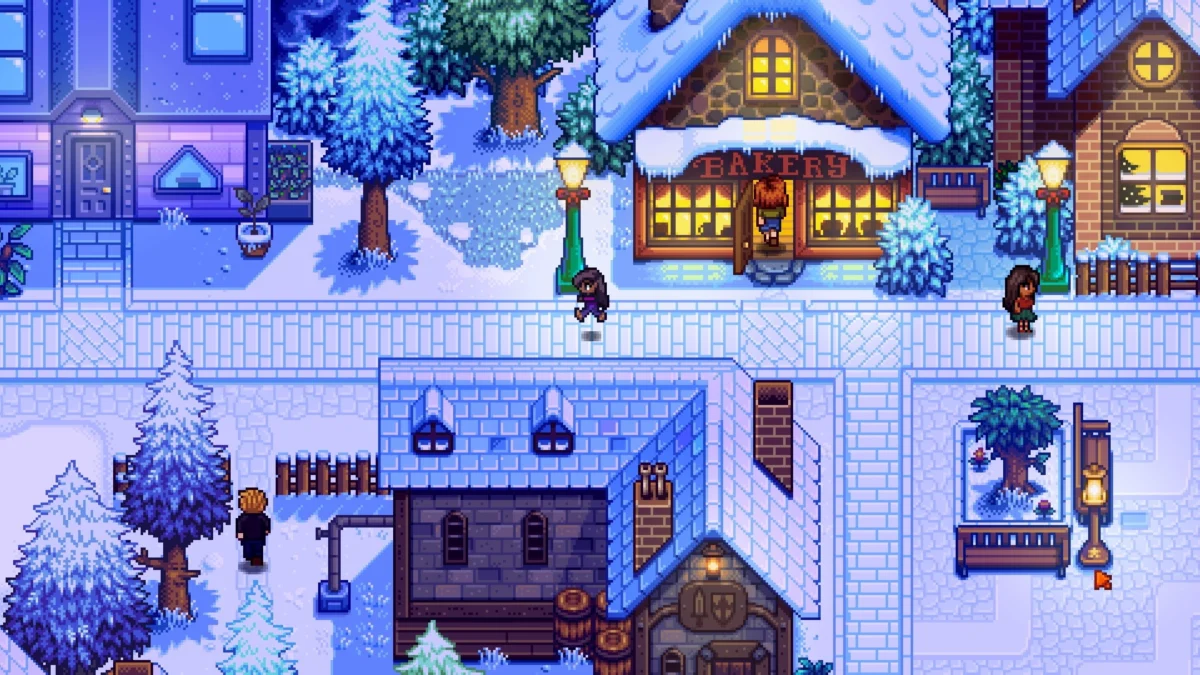
Eric "ConcernedApe" Barone, the singular force behind the global phenomenon Stardew Valley, has once again emerged from his development sanctuary to address the growing anticipation surrounding his next project, Haunted Chocolatier. In a recent, candid blog post, Barone provided fans with a rare glimpse into the grueling, meticulous process of game design, emphasizing that while progress is steady, the pursuit of perfection remains his primary obstacle—and his guiding philosophy.
The Quest for the Perfect Interface
At the heart of Barone’s recent update is an in-depth look at the development of the game’s "recipe book" interface. For most developers, a UI element is a functional necessity; for Barone, it is a canvas requiring obsessive iteration. He describes the process of designing the book as a journey toward a standard that is "seamless, clear, intuitive, satisfying, and aesthetic."
"As with many things in the game, I’ve iterated on this many times, each time bringing it closer to its final form," Barone writes. "To me, it’s not a simple task, as I torture myself over every last detail."
This internal "torture" highlights a significant challenge in modern game design: balancing the density of information with the user experience. Barone notes that the interface must facilitate player goals with the absolute minimum number of clicks. He stresses the psychological weight of visual data, arguing that poorly clustered information becomes "disgusting to look at." Instead, he aims for groupings that are compelling and intuitive, striving for a result that does more than just function—it must "delight" the player.
Chronology of a Highly Anticipated Follow-up
The path to Haunted Chocolatier has been defined by a deliberate, slow-burn approach that stands in stark contrast to the rapid-release cycles of major studio titles.
- October 2021: Barone officially announced Haunted Chocolatier via a trailer that showcased gameplay reminiscent of Stardew Valley but with a darker, more whimsical tone—featuring ghosts, magical ingredients, and the management of a confectionery shop.
- 2022–2023: During this period, Barone balanced the development of Haunted Chocolatier with the ongoing maintenance and updates for Stardew Valley, particularly the massive 1.6 content update. His transparency regarding this split focus kept the community engaged, though it naturally extended the projected development timeline.
- Mid-2024: Updates became more sporadic, leading to increased speculation among fans. Barone’s recent blog post serves as the first significant "check-in" regarding the game’s core systems, specifically the UI and mechanics that will define the player’s day-to-day experience.
The timeline reflects a developer who is acutely aware of the "sophomore slump" phenomenon but is seemingly unbothered by market pressures, choosing instead to prioritize the integrity of his vision.
Supporting Data: The Stardew Legacy
To understand why the industry monitors Barone’s progress so closely, one must look at the staggering success of Stardew Valley. Since its initial release in 2016, the game has transcended the "indie" label to become a cultural touchstone, selling over 50 million copies globally.
This financial independence is a critical factor in the development of Haunted Chocolatier. Unlike many developers who operate under the thumb of venture capitalists or demanding publishers, Barone is entirely self-funded. This unique position allows him to reject the "crunch" culture prevalent in AAA studios. As he noted in his latest update, he is in a position where he does not need to market the game aggressively, allowing him to avoid the industry-standard practice of showing "half-baked" screenshots or early prototypes that might misrepresent the final product.
Official Responses and the "Perfectionist’s Trap"
Barone’s approach has drawn comparisons to other legendary perfectionists in the creative arts, such as George R. R. Martin. The "tricky second album" narrative is a common trope in music and literature, and Barone appears to be living it in real-time.
When asked about the lack of new visual assets, Barone was firm: "I don’t need to market the game, so I can take my preferred approach." This response underscores his philosophy that the game should be presented only when it achieves his personal threshold for quality.
However, this raises a question of scope. Barone admits that Haunted Chocolatier is a "big game," and because he is a solo developer, every minor detail—from the shading on a piece of chocolate to the font spacing in the menu—rests solely on his shoulders. The "perfectionist’s trap" is that the game is never truly finished; it is only abandoned when the creator runs out of time or interest. Given the success of his previous work, Barone has granted himself the luxury of time, but the industry remains curious: will this relentless iteration lead to a masterpiece, or will it lead to a project that never reaches the finish line?
Implications for the Indie Industry
The development of Haunted Chocolatier serves as a case study for the sustainability of solo-developer projects. Barone’s methodology challenges the current industry trend of "Early Access" releases. While many developers use Early Access to subsidize development and gather community feedback, Barone is opting for a "traditional" development cycle where the game is polished behind closed doors until it is ready for public consumption.
The Impact on Consumer Expectations
Barone’s communication style—honest, vulnerable, and slightly agonizing—creates a unique bond with his audience. Fans aren’t just waiting for a game; they are participating in the emotional journey of the creator. By sharing his struggles with the recipe book UI, he humanizes the development process, making the eventual release feel like a shared victory rather than a mere consumer product.
The Economic Freedom of the Indie Developer
The fact that Barone does not need to release the game to survive is a double-edged sword. Economically, it provides the ultimate creative freedom. Creatively, it removes the "deadline pressure" that often forces developers to make difficult, necessary cuts to their scope. The implication is that Haunted Chocolatier will be exactly what Barone wants it to be, regardless of whether that is what the market "needs."
Conclusion: The Wait Continues
As it stands, there is no release date for Haunted Chocolatier. For the impatient, the wait may feel like an eternity. For those who appreciate the sanctity of the creative process, Barone’s refusal to rush is a breath of fresh air.
He is, in his own words, "fussing" over every detail. Whether that translates into a game that captures the same magic as Stardew Valley remains to be seen. But in an industry defined by quarterly earnings, layoffs, and aggressive monetization, the image of a solo developer in a quiet room, obsessing over the clarity of a virtual recipe book, is a powerful testament to the enduring power of the creator’s vision.
The chocolate, it seems, will be ready when it is ready. And for the fans of ConcernedApe, that remains enough.


 Asro
Asro
 Muslim