

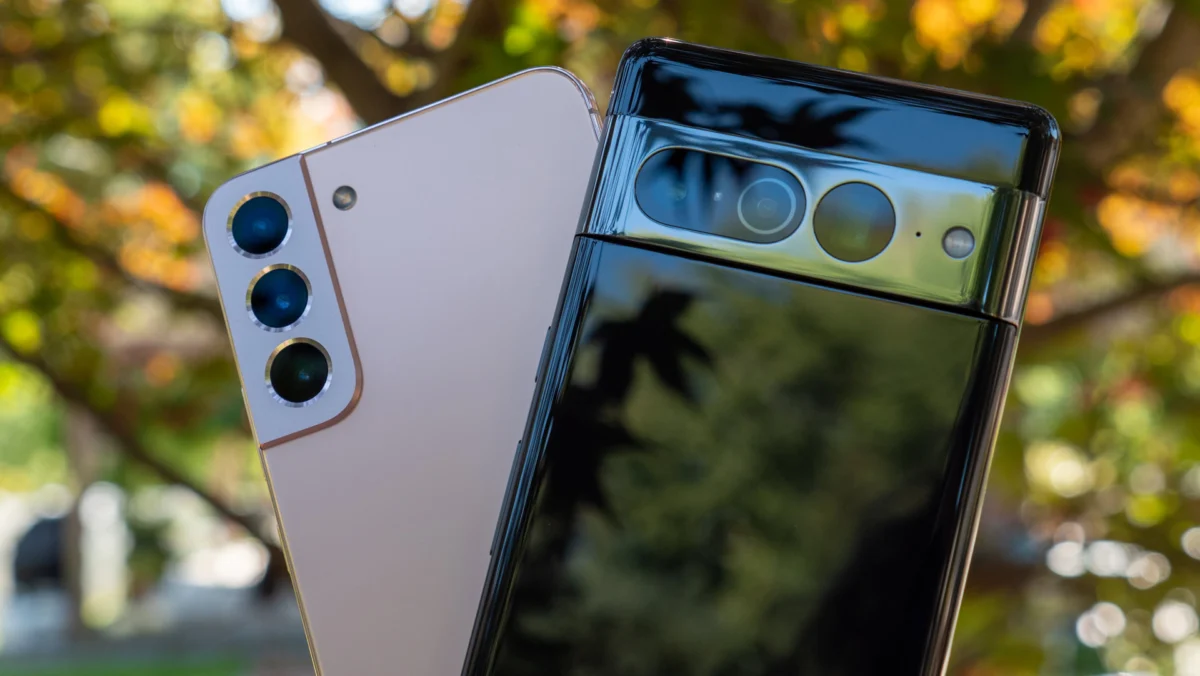
In an era where the two-year smartphone upgrade cycle has become a relic of the past, consumer behavior has shifted toward long-term ownership. Today, it is increasingly common for users to hold onto their mobile devices for three, four, or even five years. This trend is bolstered by the telecommunications industry’s move toward extended 36-month and 48-month financing agreements.
However, purchasing a smartphone with the intent of keeping it for half a decade requires a strategic approach. Not all devices are built to withstand the physical and software-related rigors of long-term use. To ensure your investment remains viable, secure, and functional for years to come, consumers must evaluate hardware longevity, software support, and repairability before committing to a purchase.
1. The Criticality of Software Longevity
The most significant factor determining a phone’s lifespan is its manufacturer’s update policy. Software updates do more than just introduce aesthetic changes or new features; they patch critical security vulnerabilities that emerge as an operating system ages.
The Landscape of Support
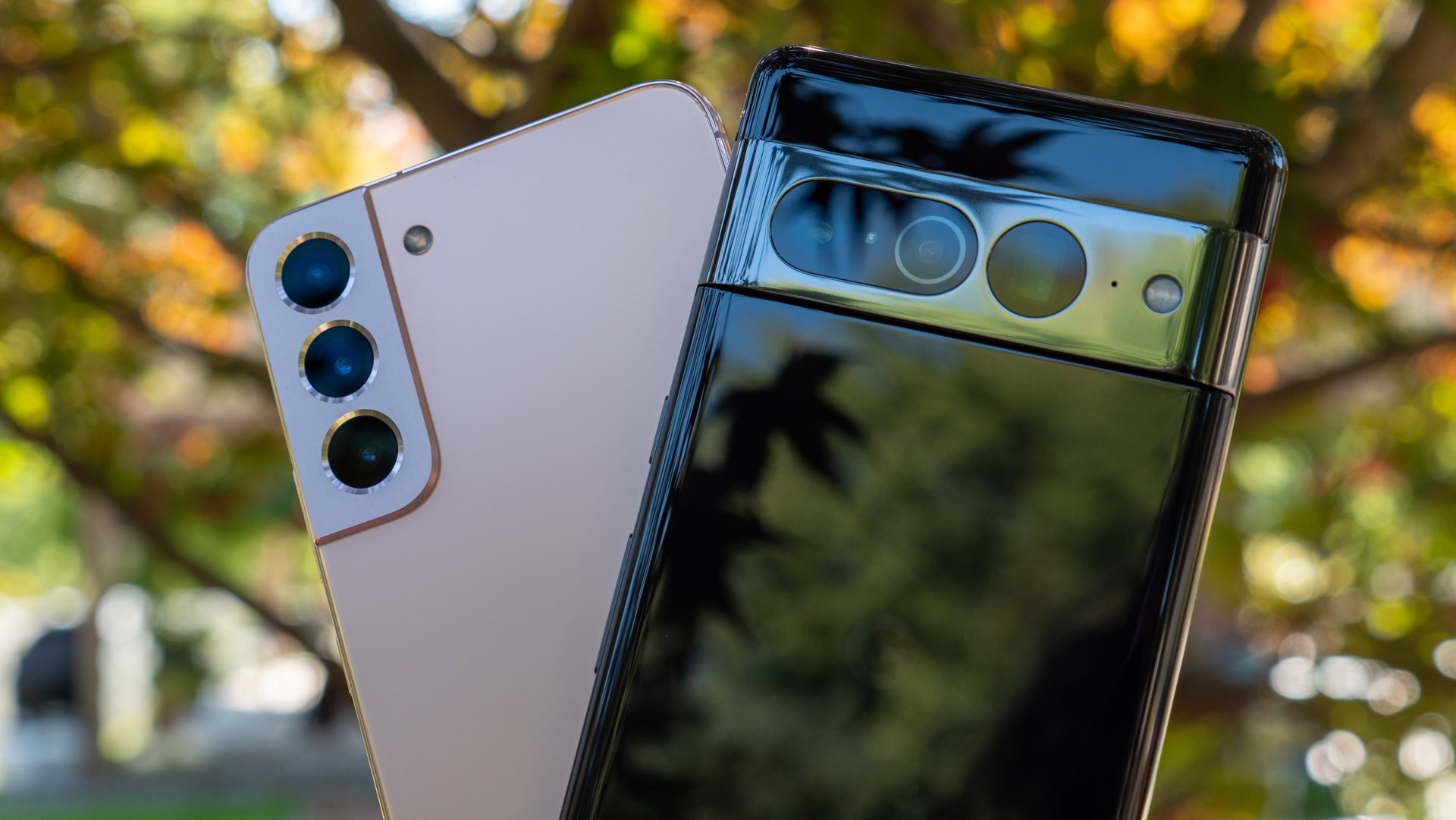
Currently, the industry has seen a race to the top regarding update guarantees. Google, Samsung, and HONOR have set the industry standard, offering an unprecedented seven years of OS and security upgrades on their flagship devices. This commitment effectively ensures that a device purchased today will remain current and secure well into the 2030s.
In contrast, other major players like OnePlus and Xiaomi typically offer four major Android OS upgrades paired with six years of security patches. While respectable, this leaves a gap compared to the top-tier offerings. At the lower end of the market, budget-oriented devices—such as many entries in Motorola’s Moto G series—often provide only two OS updates and three years of security patches. If a user intends to keep a budget device for five years, they will spend the final two years using a device that is essentially "dead" in terms of security, making it a liability for modern digital life.
2. Battery Chemistry and Long-Term Health
The battery is the most common point of failure for aging electronics. Lithium-ion batteries naturally degrade over time, losing roughly 20% of their total capacity after a specific number of charging cycles.
Understanding Cycle Ratings
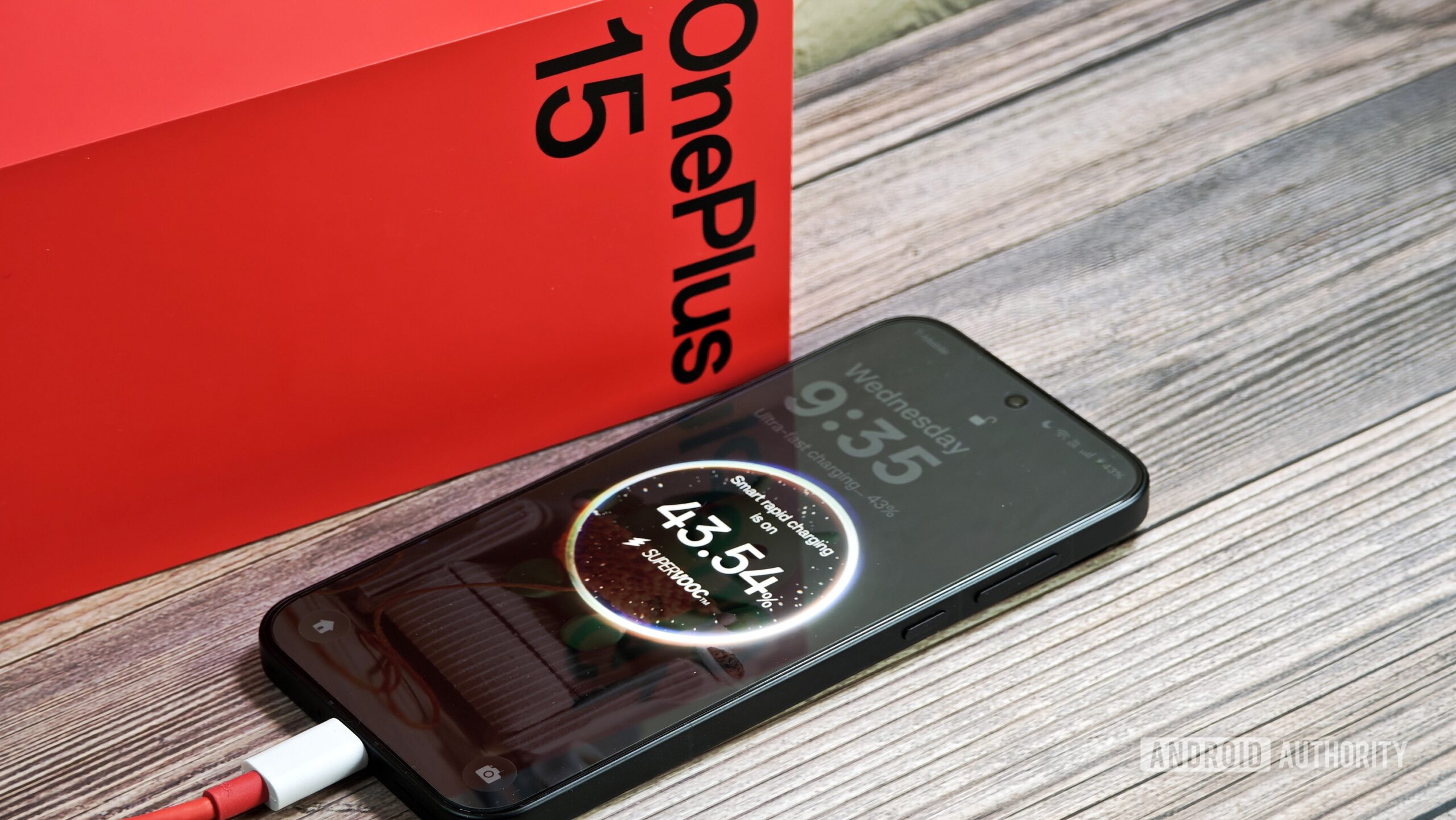
A charging cycle is defined as the usage of 100% of a battery’s capacity, though not necessarily in one go. A phone rated for 800 cycles will likely show significant degradation after two years of daily use.
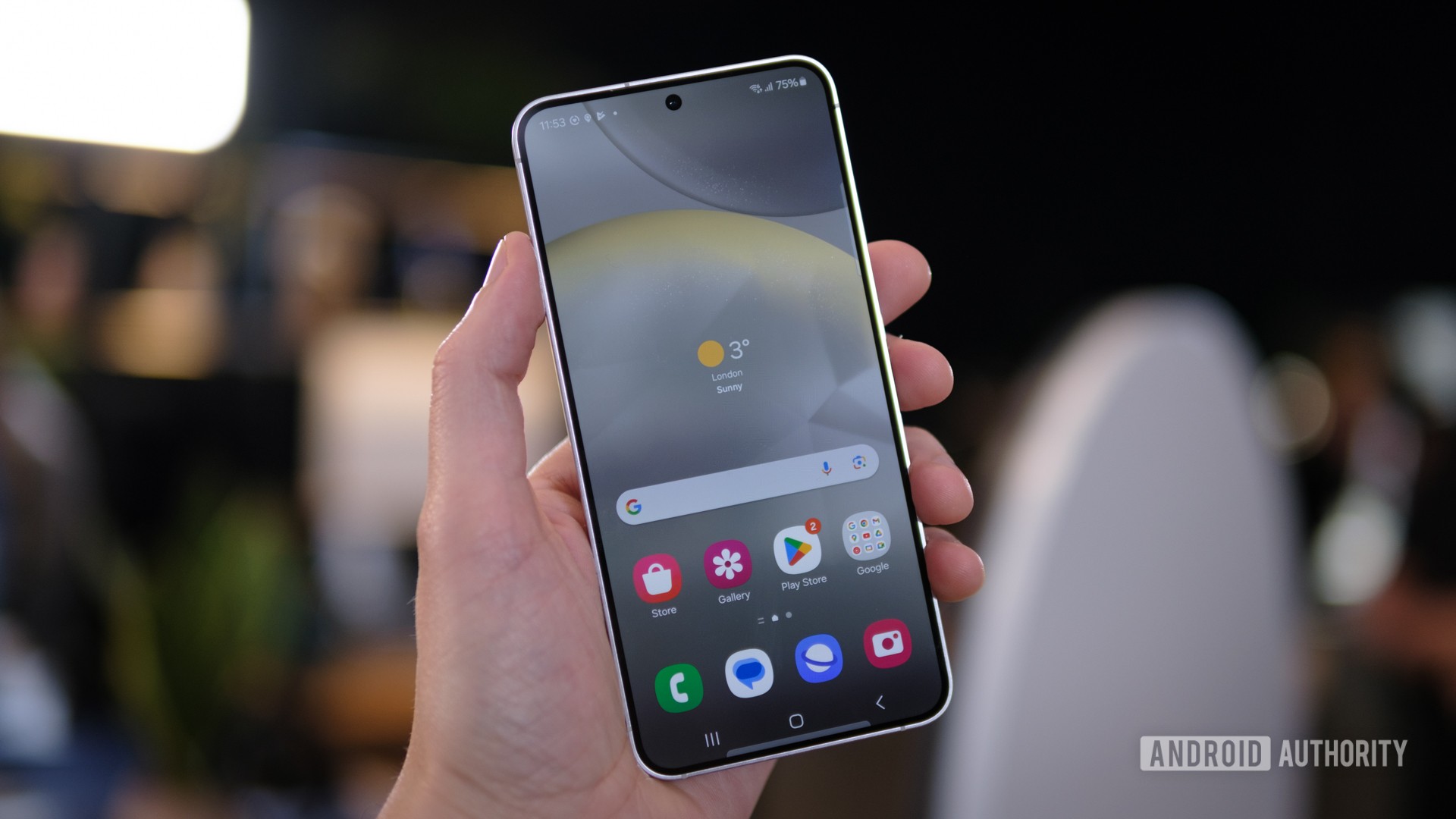
Samsung has distinguished itself as the leader in battery longevity, with its latest flagship devices rated for up to 2,000 charging cycles—double that of many competitors. This means a Samsung device may retain its optimal performance for over four years before the user notices a drastic drop in endurance. Consumers are encouraged to consult the EU’s EPREL (European Product Registry for Energy Labelling) database to find objective, standardized data on the cycle ratings of various models, as marketing materials from manufacturers can sometimes be intentionally vague.
3. The "Buffer" Strategy: Capacity and Performance
When long-term ownership is the goal, relying on a baseline model is rarely the best strategy. Two specific hardware areas—storage and processing power—act as buffers against the inevitable creep of "digital bloat."
Storage Expansion vs. Base Capacity
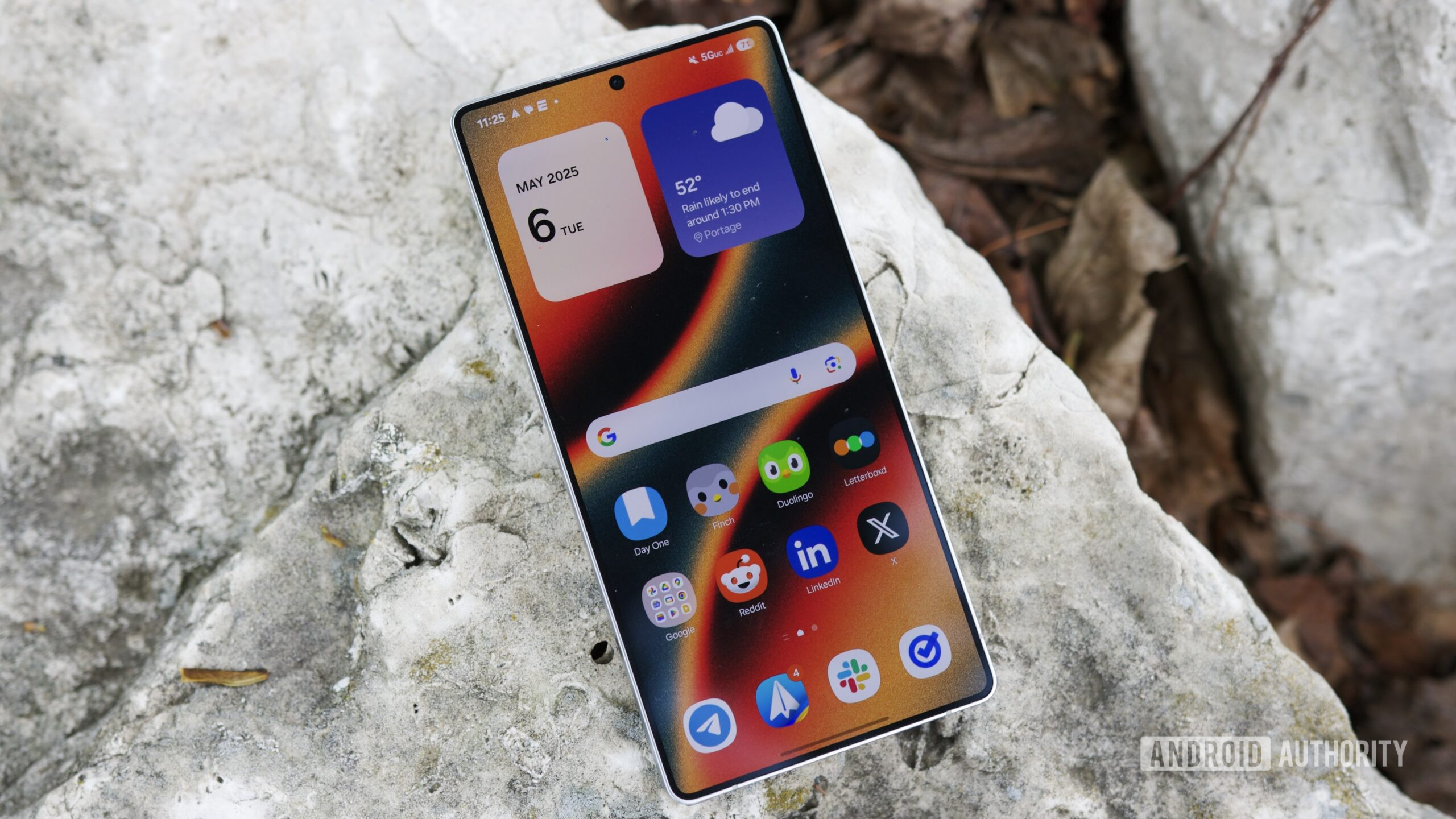
Modern apps, high-resolution media, and system caches consume more space every year. A 128GB handset that feels spacious today will likely feel restrictive within 24 months. For long-term viability, 256GB should be the absolute minimum entry point.
While some budget devices and select high-end models, such as those from Sony, still offer microSD card slots for physical storage expansion, most modern flagships have removed this feature. Consequently, "buying up" at the point of sale is the only way to ensure you don’t spend your third or fourth year of ownership constantly deleting photos and clearing app caches to keep your phone operational.
Processor Longevity
You can replace a battery, but you cannot upgrade a processor. A mid-range chip that handles basic tasks perfectly today may struggle to keep up with the increasingly complex OS updates and gaming requirements of 2029. Investing in high-end silicon—such as the Snapdragon 8 series, Dimensity 9000 series, or top-tier Exynos and Google Tensor chips—is a form of insurance. These processors are designed with overhead that allows them to remain performant even as software demands increase.
4. Durability: Beyond Gorilla Glass
A device that is theoretically capable of lasting five years is useless if it shatters upon its first accidental drop. Durability has become a key marketing differentiator, yet it remains a complex landscape for the average buyer.
Protective Standards
- Glass Technology: While "Gorilla Glass" is a common term, consumers must distinguish between generations. Gorilla Glass Victus and the newer 7i/Armor variants offer superior scratch and drop resistance compared to older iterations like Gorilla Glass 3.
- IP Ratings: An IP68 rating is the gold standard, ensuring the device is sealed against dust and can survive full submersion in water. If a phone lacks a formal IP rating, even if it is marketed as "water-repellent," it is significantly more vulnerable to environmental damage over a long period.
5. The Repairability Revolution
Repairability is the final pillar of a device’s lifespan. If a screen cracks or a charging port fails in year three, the availability of parts and the ease of access to the internal components determine whether the phone is fixed or discarded.
The Fairphone Example and Manufacturer Programs
Fairphone has pioneered modular design, allowing users to replace individual components—like the camera module or battery—with little more than a screwdriver. While not every user wants to perform DIY repairs, the industry is shifting in this direction.
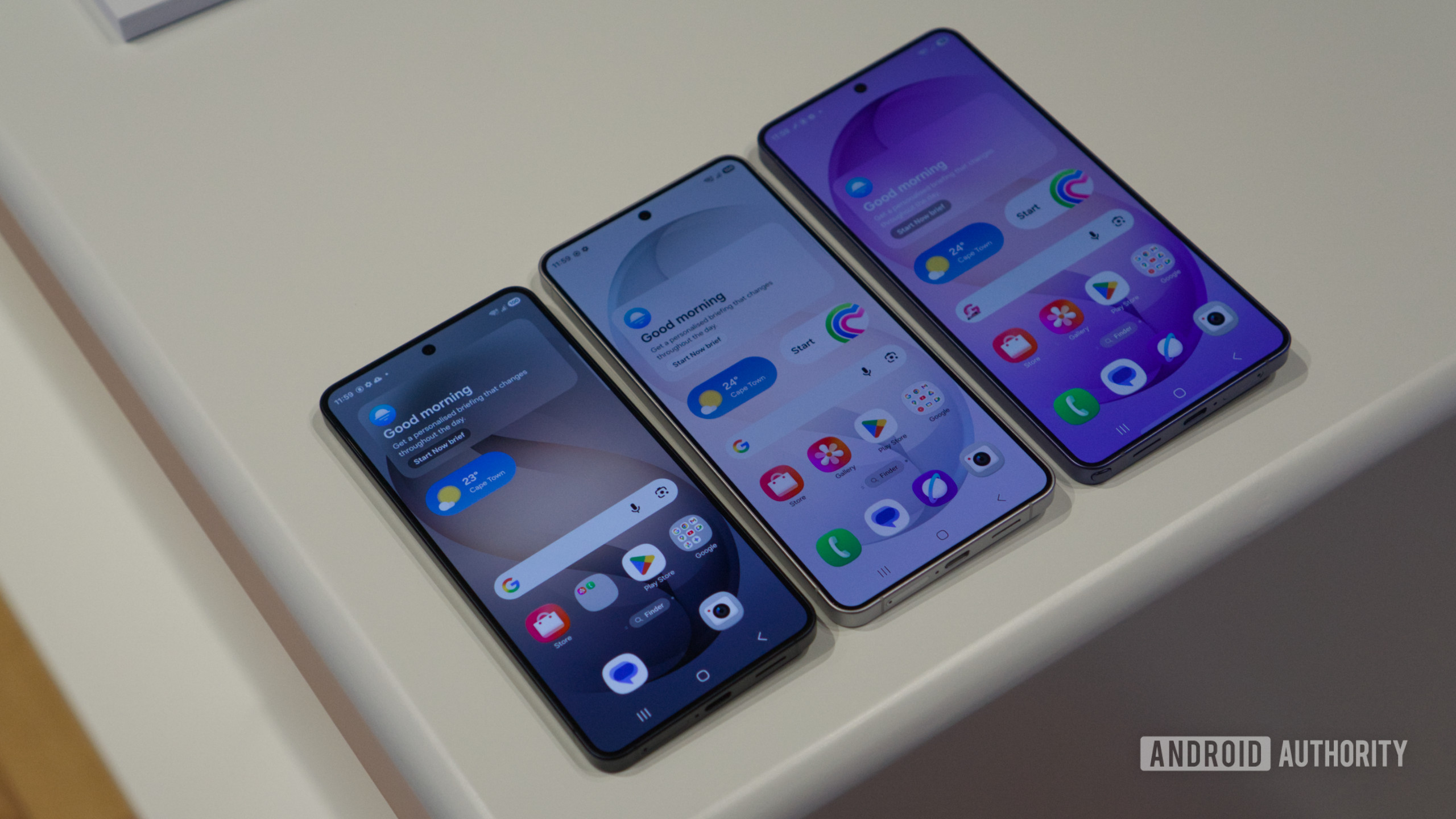
Google and Samsung have established partnerships with iFixit, providing official repair guides and genuine replacement parts to the public. Google’s commitment to offering spare parts for seven years mirrors its software update policy, creating a cohesive ecosystem where hardware and software are supported in tandem. Before purchasing, check if your prospective device has a high repairability score from organizations like iFixit or YouTube teardown channels like PBKReviews.
Implications of Long-Term Ownership
The shift toward longer smartphone lifespans has profound implications for both the consumer and the environment.
- Economic Impact: While the upfront cost of a flagship device with seven years of support may seem high, the "cost per year" is significantly lower than purchasing a budget phone every two years.
- Environmental Sustainability: Extending the life of a single device by two years drastically reduces the e-waste footprint of a consumer. By choosing a device with a long-term update policy, high battery cycle rating, and available spare parts, the user actively participates in a more circular economy.
- The "Performance Ceiling": Consumers must recognize that even the best hardware will eventually hit a performance ceiling. However, by adhering to the principles of high-capacity storage, robust processing power, and modular repairability, users can ensure that their transition to a new device is a choice made on their own terms, rather than a necessity forced by hardware failure.
In conclusion, buying a phone for the "long haul" requires ignoring the hype of yearly iterations and focusing on the unglamorous metrics of support cycles, battery chemistry, and serviceability. By prioritizing these elements, the modern smartphone user can transform their device from a disposable commodity into a reliable tool that stands the test of time.











