Rifan Muazin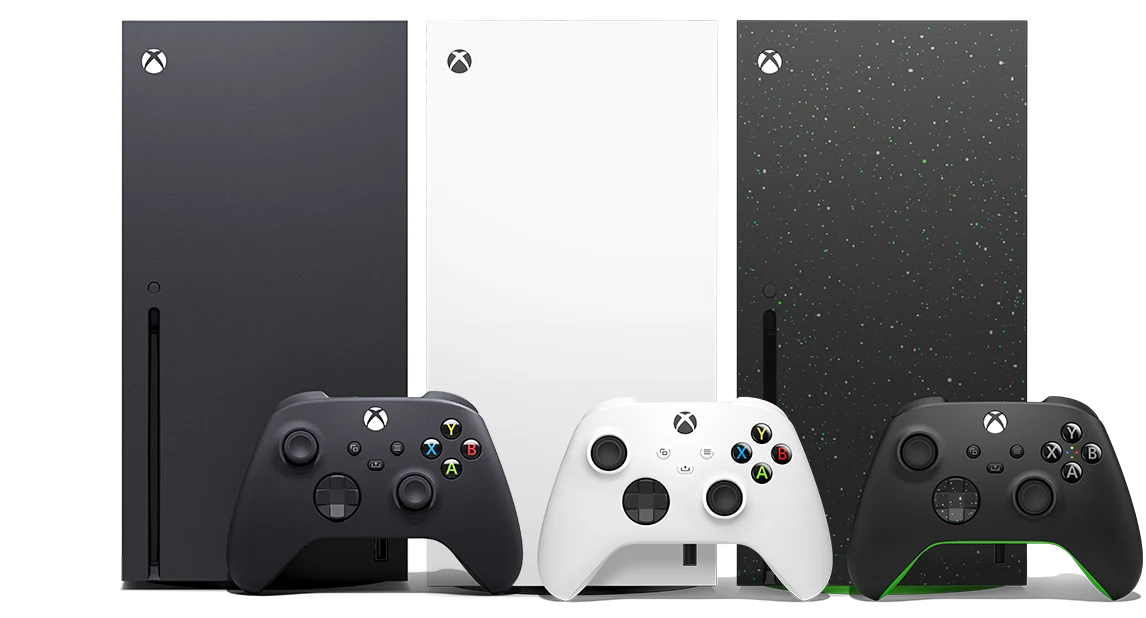
In a move that underscores the deepening volatility within the global hardware supply chain, Microsoft has officially announced a significant restructuring of its Xbox console pricing strategy. Effective August 2, the technology giant will implement substantial price increases across its current console lineup. Citing an unprecedented surge in the cost of raw materials and specialized components—specifically storage and memory—Microsoft is adjusting its retail model to account for a market environment that has shifted dramatically over the past 24 months.
The adjustment will see the 512GB model increase by $100, while the high-capacity 1TB variant will see a $150 premium added to its manufacturer’s suggested retail price (MSRP). Additionally, the company has announced the immediate withdrawal of the 2TB variant from its primary retail channels, signaling a pivot toward streamlining production to mitigate losses.
The Main Facts: A Shift in Market Strategy
The decision to raise prices is not one that Microsoft has taken lightly. In an official communication released via the Xbox News blog, the company outlined the harsh fiscal realities currently facing the consumer electronics sector. According to the data provided, the cost of console-grade storage and memory has risen by over 250% since the start of the current hardware cycle. Even more concerning for analysts and industry stakeholders is Microsoft’s projection that these costs are expected to double again by the fall of 2027.
Unlike many other consumer electronics categories—such as smartphones, tablets, or standalone PC components—gaming consoles have historically occupied a unique, razor-thin margin category. Microsoft reiterated a long-standing industry standard: consoles are frequently sold as "loss leaders." Because the hardware is often priced at or below the cost of manufacturing, the company relies on ecosystem engagement, software sales, and subscription services to recoup its investment. With the cost of production spiraling, maintaining that traditional price point has become mathematically untenable.
Chronology: The Road to the August Adjustment
To understand why this price hike is occurring now, one must examine the timeline of the current hardware crisis.
- Late 2023 – Early 2024: Industry experts began tracking significant inflationary pressures in the semiconductor market. While many analysts initially predicted a cooling period, the demand for specialized NAND flash memory and high-speed RAM continued to outpace global supply.
- October 2025: Microsoft initiated its first round of price adjustments. At the time, the company maintained that it would do its best to absorb the costs of component volatility. However, this period marked the beginning of the "new normal" where the price of stability could no longer be subsidized by corporate coffers alone.
- June 2026: Following a series of internal fiscal reviews, Microsoft confirmed that the "component crisis" was not a transient issue but a systemic long-term challenge.
- August 2, 2026: The date slated for the new pricing structure to take effect globally. While the company has released USD figures, it has remained notably quiet regarding specific currency adjustments for international markets, implying that regional fluctuations will be addressed on a case-by-case basis.
Supporting Data: The Economics of the Components Crisis
The "components crisis" is not merely a buzzword; it is a measurable economic phenomenon. The surge in demand for artificial intelligence infrastructure, high-performance computing, and data center expansion has created a fierce competition for the same silicon-based components required for gaming consoles.
As Microsoft noted in its briefing, the effects are particularly brutal on the gaming sector. Because console manufacturers commit to fixed retail prices for years at a time, they lack the agility of PC component manufacturers, who can adjust their prices weekly based on market fluctuations. When the price of DRAM (Dynamic Random Access Memory) and SSD (Solid State Drive) controllers skyrockets, the console manufacturer is the entity that absorbs the entirety of that delta.
Industry analysts suggest that for every console sold at current prices, Microsoft is potentially incurring a loss that exceeds the profit generated by the average software purchase. By raising the MSRP, the company is effectively attempting to bring its hardware margins back to a break-even point.
Official Responses and Accessibility Initiatives
Recognizing that a price hike could alienate a significant portion of its consumer base—particularly those in lower-income brackets or younger demographics—Microsoft has attempted to frame the announcement within the context of "accessibility."
The company’s statement emphasizes several new initiatives designed to dampen the shock of the price increase:
- Flexible Payment Structures: Microsoft is expanding its "Buy Now, Pay Later" (BNPL) options directly through the Microsoft Store, allowing consumers to amortize the cost of their hardware over several months without the burden of upfront lump-sum payments.
- Interest-Free Financing: Partnering with retail giants like Amazon, Microsoft is rolling out interest-free credit programs, acknowledging that the barrier to entry for current-gen gaming is becoming increasingly prohibitive.
- The Secondary Market Push: Perhaps the most notable strategic shift is the formal endorsement of the "previously played" market. By collaborating with retail partners to standardize the quality and warranty of used consoles, Microsoft hopes to provide a sub-tier entry point for gamers who are priced out of the new hardware market.
- Certified Refurbished Expansion: Microsoft is doubling down on its Certified Refurbished program, which offers units at up to $100 off the standard MSRP, providing a "middle ground" for value-conscious buyers.
Implications: The Broader Gaming Landscape
The decision by Microsoft is not happening in a vacuum. It follows a recent, high-profile announcement from Valve, which revealed that its Steam Machine hardware would be retailing at a significantly higher price point than originally projected. Valve cited similar hardware supply issues, noting that the $1,049 entry price for its 512GB unit was the absolute minimum required to keep the project viable.
These developments signal a fundamental shift in the gaming industry. For the last decade, consumers have been accustomed to the "fixed-price console" model, where a device’s price remains static from launch until it is eventually discontinued or replaced. We are now entering an era where console hardware prices may become fluid, subject to the same supply-and-demand volatility that dictates the pricing of graphics cards or high-end laptops.
The Impact on Consumer Sentiment
The immediate reaction from the gaming community has been one of apprehension. While the industry understands the reality of the global supply chain, the optics of paying more for hardware that is several years old are challenging. Critics argue that this price hike may drive consumers toward cloud gaming services or mobile platforms, where the barrier to entry is significantly lower.
Future Outlook
Looking toward 2027, the prospect of a further doubling in component costs is a sobering reality for all hardware manufacturers, not just Microsoft. If the current trajectory continues, we may see a bifurcation in the market:
- Premium Tier: High-end consoles that cater to enthusiasts willing to pay for top-tier performance, regardless of the fluctuating component costs.
- Accessible/Cloud Tier: Low-cost hardware or subscription-based streaming services that bypass the need for expensive, localized silicon entirely.
Ultimately, Microsoft’s decision is a defensive maneuver in a volatile market. By adjusting its pricing, the company is attempting to ensure the sustainability of the Xbox ecosystem. However, the move also sets a precedent that will likely force competitors to either follow suit or face unsustainable losses. As we move into the second half of the decade, the gaming hardware industry must reconcile the consumer desire for affordability with the harsh economic realities of a world where the building blocks of technology are becoming increasingly scarce and expensive.
Whether these price hikes will be accepted by the market or whether they will lead to a cooling of console adoption remains to be seen. What is certain, however, is that the era of "stable, static pricing" in gaming hardware has come to a definitive end.


 Lina Hope
 Pevita Pearce