Iffa Jayyana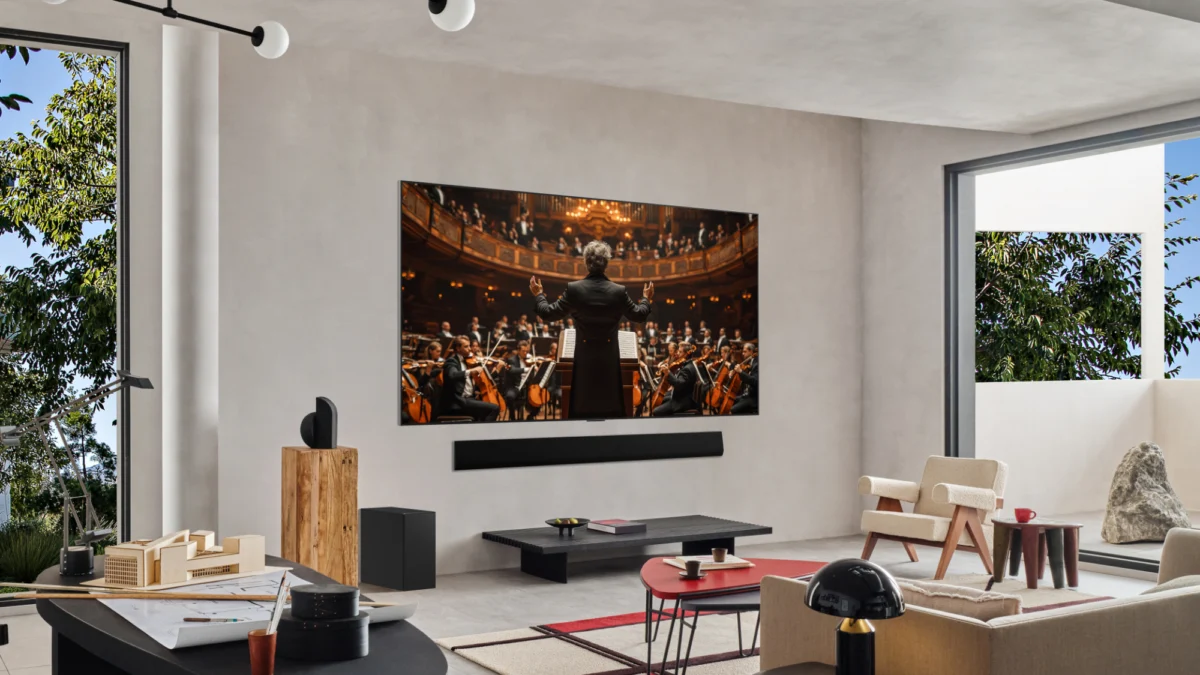
Just as consumers have finally grown comfortable with the nuances of HDMI 2.1—the standard that brought us 4K/120Hz gaming and Variable Refresh Rate (VRR)—the landscape is shifting once again. The HDMI Licensing Administrator has signaled that a new frontier in high-definition connectivity is on the horizon: HDMI 2.2. While the current standard has served us well, the industry is preparing for a new generation of hardware that demands significantly more bandwidth to accommodate the next leap in visual fidelity and audio synchronization.
As we look toward 2026 and beyond, the introduction of HDMI 2.2 promises to redefine the “pipeline” between our media sources and our displays. But what does this actually mean for the average consumer, and is it worth waiting for?
The Evolution of the HDMI Standard: A Brief Chronology
To understand the gravity of the jump to HDMI 2.2, one must look at the historical trajectory of the interface. The HDMI (High-Definition Multimedia Interface) standard has been the bedrock of home theater connectivity for over two decades.
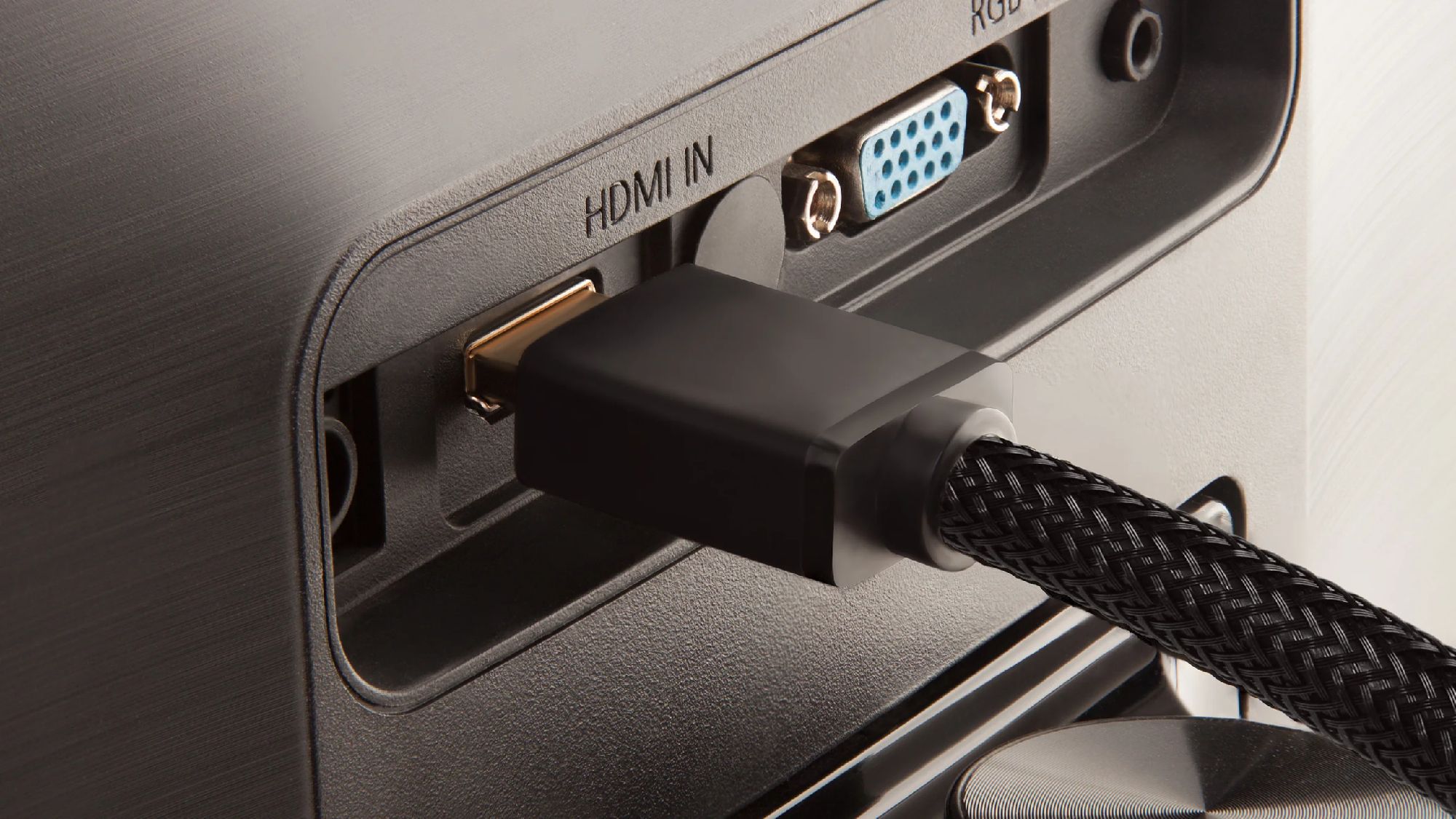
- HDMI 1.0 (2002): The inception of the digital interface, supporting 1080p resolution at 60Hz.
- HDMI 1.4 (2009): A major milestone that introduced support for 4K resolution (at 30Hz) and the Audio Return Channel (ARC), which simplified home theater audio setups.
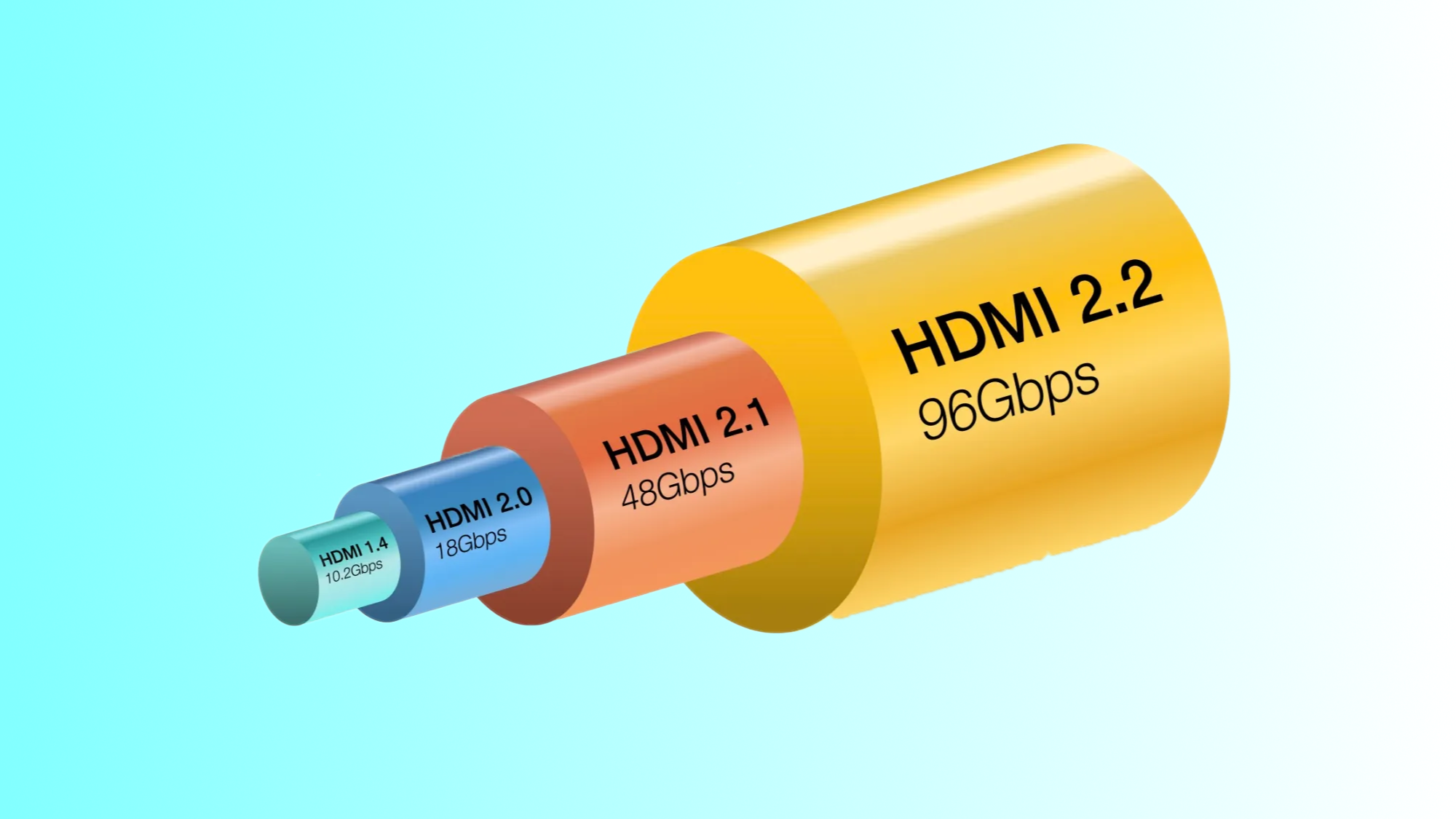
- HDMI 2.0 (2013): The standard that truly ushered in the 4K era, increasing bandwidth to 18 Gbps and allowing for 4K at 60Hz with HDR metadata support.
- HDMI 2.1 (2017/2019): A massive leap forward for the gaming community, raising bandwidth to 48 Gbps. This enabled 4K at 120Hz, 8K at 60Hz, and essential gaming features like VRR and Auto Low Latency Mode (ALLM).
- The Horizon (2025/2026): The announcement of HDMI 2.2. This iteration represents the next evolution, focusing on extreme bandwidth to support emerging display technologies and ultra-high-refresh-rate content.
Breaking Down the Tech: What Does HDMI 2.2 Actually Do?
At its core, the advancement of HDMI standards is almost exclusively a conversation about bandwidth. Think of an HDMI cable like a highway: HDMI 2.0 provided a two-lane road, while HDMI 2.1 expanded that into a multi-lane expressway. HDMI 2.2 is essentially turning that into a high-speed, multi-level superhighway.
Unlike its predecessors, which were largely defined by a single, static bandwidth ceiling, HDMI 2.2 introduces a tiered approach to performance. The specification will be available across three distinct bandwidth tiers: 64 Gbps, 80 Gbps, and 96 Gbps.
This tiered architecture is a strategic pivot for the HDMI Forum. It allows manufacturers to certify devices as "HDMI 2.2" even if they don’t utilize the full 96 Gbps capacity. Consequently, the onus will fall on the consumer to verify the specific capabilities of their hardware.
Key Technical Benefits:
- Uncompressed 4K/240Hz and 4K/480Hz: For high-end PC gamers and enthusiasts, this is the "holy grail." HDMI 2.2 at the 80 and 96 Gbps tiers can handle ultra-high refresh rates, providing motion clarity that currently requires specialized, often proprietary, display port connections.
- True 8K/60Hz: While 8K content remains scarce, HDMI 2.2 provides the necessary headroom to transmit uncompressed 8K signals at 60 frames per second, ensuring the interface is future-proofed for the next decade of display development.
- Latency Indication Protocol (LIP): This is perhaps the most practical addition for the general user. LIP allows for more intelligent, automated synchronization between audio and video processing, effectively eliminating the "lip-sync" issues that often plague complex home theater setups.
The Cable Conundrum: The Rise of "Ultra96"
One of the most frequent points of confusion for consumers during the transition to HDMI 2.1 was the need for "Ultra High-Speed" cables. The transition to 2.2 will be no different. To tap into the full potential of this new standard, users will need to acquire cables certified under the "Ultra96" designation.
The branding is designed to be intuitive—a reference to the 96 Gbps maximum bandwidth. However, there is a nuance: an "Ultra96" cable is backward compatible, but just because a cable is certified for 96 Gbps doesn’t mean the TV port it is plugged into will support that speed. Manufacturers are being encouraged to label ports with the specific tier (64, 80, or 96) they support. As we move into the next product cycle, shoppers will need to be vigilant about checking the technical specification sheets rather than relying on the "HDMI 2.2" marketing logo alone.
Implications for the Market: Should You Wait?
If you are currently in the market for a new television, the news of HDMI 2.2 should not induce "feature anxiety."
The current landscape of hardware—including the most advanced consoles like the PlayStation 5 and Xbox Series X—does not utilize the bandwidth capabilities of HDMI 2.1 fully, let alone 2.2. Most gaming titles are still optimized for 60Hz or 120Hz at 4K. Even the most ambitious developers are currently prioritizing graphical fidelity over pushing refresh rates into the 240Hz or 480Hz territory.
Furthermore, the implementation of HDMI 2.2 is expected to be gradual. Initial products will likely be high-end, enthusiast-grade displays and high-performance AV receivers. It may take several years for this technology to trickle down to mid-range and budget-friendly sets.
Strategic Advice for Consumers:
- The "HDMI 2.1" Sweet Spot: For the next 2–3 years, a TV with four full-bandwidth HDMI 2.1 ports remains the gold standard for connectivity. It offers all the features currently demanded by modern media, gaming consoles, and streaming devices.
- Future-Proofing is a Myth: In the world of consumer electronics, "future-proofing" is a relative term. By the time 8K content becomes mainstream or gaming consoles require 96 Gbps of bandwidth, current mid-to-high-end TVs will likely be due for an upgrade regardless of their port configuration.
- Focus on Picture Quality: Regardless of the HDMI standard, the core of the viewing experience remains the panel technology (OLED, QD-OLED, Mini-LED) and the image processing engine. A TV with HDMI 2.2 will not make a mediocre screen look better; it will simply provide a wider pipe for the signal to travel through.
Conclusion: A Measured Outlook
HDMI 2.2 is an impressive technical achievement that highlights the rapid advancement of digital display technology. It sets the stage for a future where high-resolution, ultra-smooth motion is the standard rather than the exception. However, it is an evolution, not a revolution.
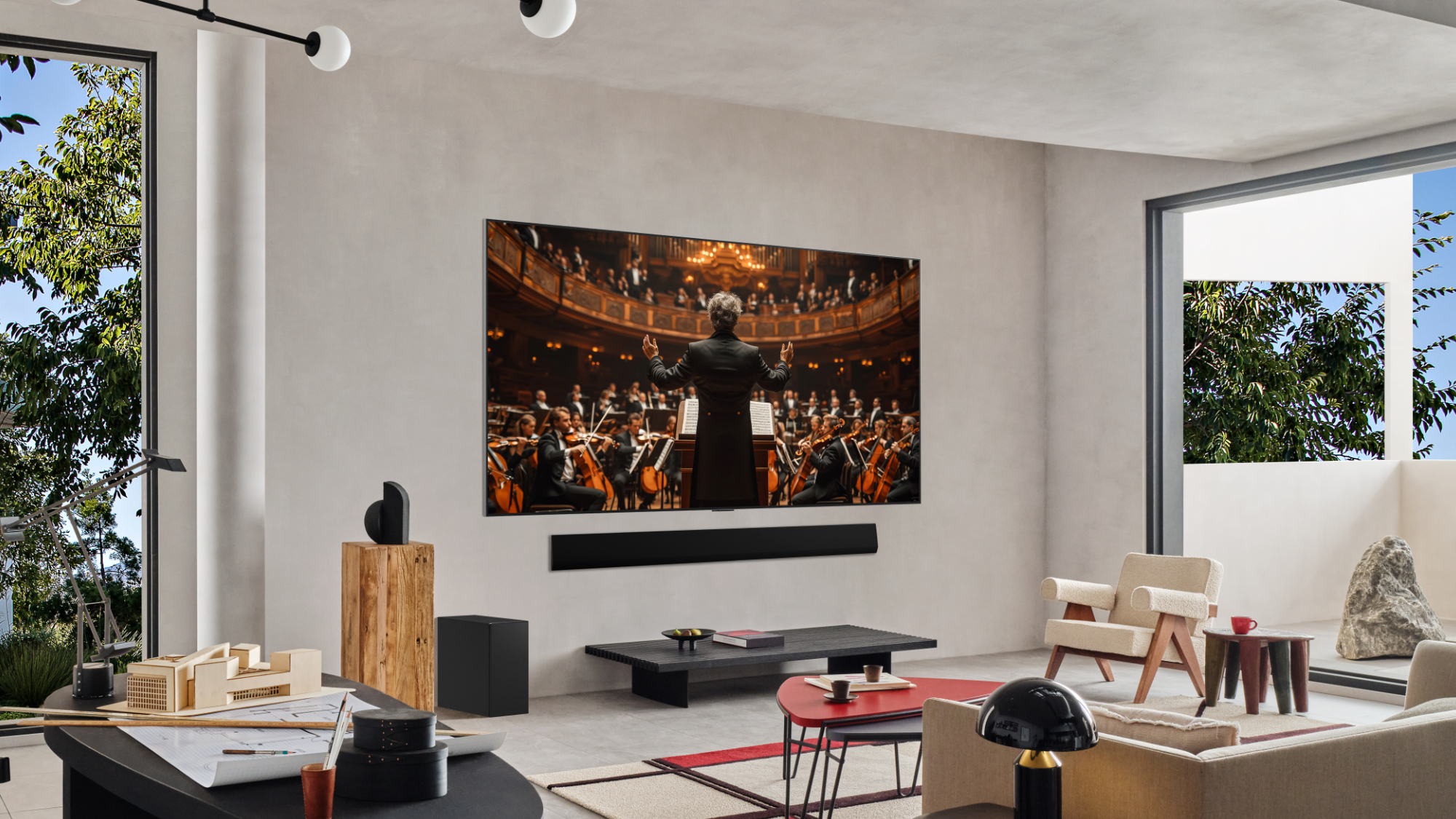
For the vast majority of consumers, the arrival of HDMI 2.2 is a distant milestone. It represents the industry preparing for the next generation of consoles (potentially the PlayStation 6 or the next Xbox iteration) and the eventual mainstreaming of 8K media. Until those content ecosystems mature, your focus should remain on the hardware capabilities that affect your daily viewing: color accuracy, contrast, brightness, and the existing, robust feature set provided by HDMI 2.1.
The cables and ports of tomorrow are exciting, but today’s technology is more than capable of keeping pace with the demands of the modern home theater. When you are ready to upgrade, look for the "Ultra96" label—but don’t feel pressured to rush the transition. The future of connectivity is coming, but for now, the present looks remarkably clear.


 Sagoh
Sagoh
 Azzam Bilal Chamdy