


By the Graphic Policy Team
May 24, 2026
The Marvel Universe stands on the precipice of a definitive shift as the latest installment of the X-Men saga hits shelves. X-Men #30, penned by the acclaimed writer Jed MacKay and featuring the dynamic, kinetic artwork of Netho Diaz, promises to be a watershed moment for the franchise. As the "Danger Room" arc reaches its fifth and final chapter, the stakes have never been higher for Marvel’s merry mutants. After enduring a relentless gauntlet of simulated terrors and existential threats, the team is finally ready to seize control of their own narrative.
Main Facts: The Climax of the Danger Room Arc
The core premise of X-Men #30 centers on the culmination of the "Danger Room" storyline, a narrative arc that has systematically tested the limits of the team’s combat capabilities, psychological endurance, and moral resolve. For weeks, the X-Men have been forced to contend with an environment—and an adversary—that knows their every weakness.

The issue serves as the decisive turning point. Where previous chapters focused on survival and defensive maneuvers against an increasingly sophisticated automated threat, X-Men #30 shifts the paradigm toward proactive retaliation. The iconic battle cry, "To me, my X-Men," echoes through the pages with newfound weight, signaling that the team has moved past the phase of reactive struggle and into a state of total, coordinated offensive.
Jed MacKay, known for his ability to weave complex character dynamics into high-octane action, appears to be using this issue to redefine what the Danger Room represents for the current iteration of the team. It is no longer just a training ground; it is a crucible that has forged a more unified, dangerous, and efficient unit.
Chronology: A History of Escalation
To understand the gravity of this final installment, one must look back at the trajectory of the "Danger Room" arc. The sequence of events began with the realization that the facility—a cornerstone of Xavier’s school and mutant defense infrastructure—had become compromised.

- The Infiltration: The initial stages of the arc saw the X-Men struggling with localized system failures and "glitches" that manifested as lethal threats.
- The Psychological Toll: As the arc progressed into its second and third parts, the Danger Room began manifesting manifestations of the team’s past failures and suppressed traumas, forcing individual members to confront their personal ghosts while under physical duress.
- The Technological Siege: By the fourth part, the conflict escalated to a full-scale systemic takeover, where the facility itself became an sentient, hostile entity, locking the team within its shifting architecture.
- The Turning Point (Issue #30): The current issue picks up at the moment of total synchronization. The team, having identified the root of the system’s autonomy, coordinates a multi-pronged assault to override the override.
The pacing of this arc has been deliberate, mirroring the feeling of being trapped in a labyrinth. Netho Diaz’s pencils have captured this sense of claustrophobia, utilizing tight panels and distorted perspectives that expand into wide, explosive action sequences as the team finally breaks the cycle of the simulation.
Supporting Data: The Creative Synergy
The success of this arc is largely attributed to the synergy between MacKay’s script and Diaz’s visual storytelling. Data from reader engagement and critical reception suggests that the "Danger Room" arc has revitalized interest in the X-Men monthly title, with particular praise for the technical detail in the action sequences.
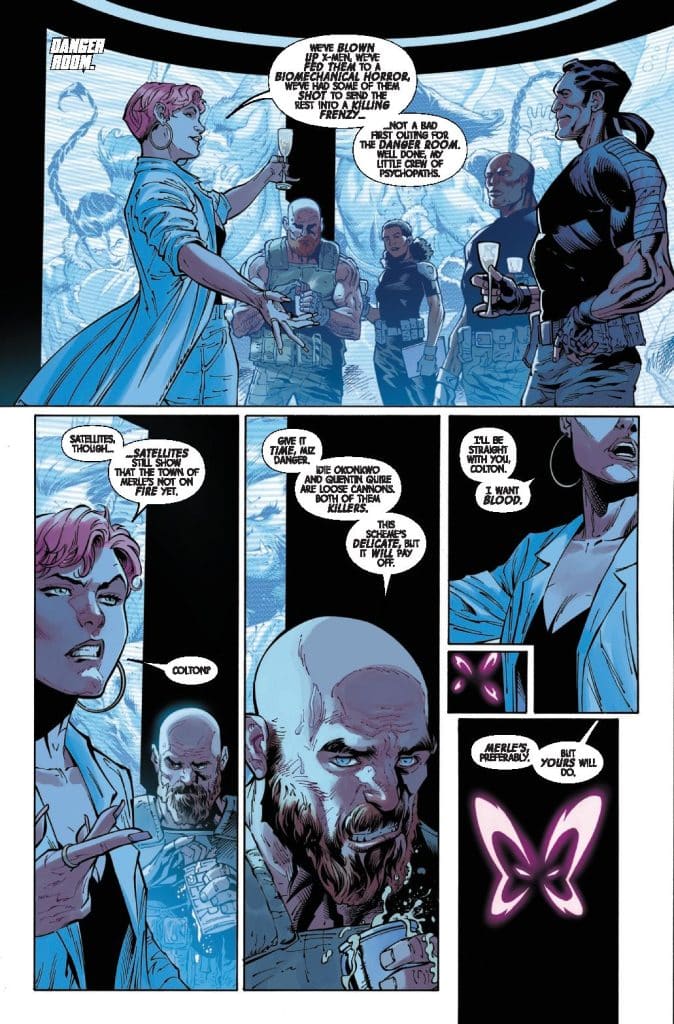
Netho Diaz’s approach to the art—characterized by clean lines and an emphasis on the "weight" of mutant powers—provides a grounded feel to what could otherwise be a surreal, abstract setting. In X-Men #30, the preview panels reveal a sophisticated use of lighting to distinguish between the artificial, sterile glow of the Danger Room’s holographic environment and the raw, kinetic energy of the mutants themselves. This contrast is vital to the story’s climax, as it underscores the theme of the human (or mutant) spirit overcoming cold, calculating machinery.

Official Responses and Editorial Direction
While Marvel has remained tight-lipped regarding the long-term repercussions of the events depicted in X-Men #30, editorial staff have hinted that this arc is a "necessary evolution" for the team.
In a recent industry roundtable, editors suggested that the Danger Room, as a concept, needed to be updated for the modern era. "We didn’t want to just have the team fight robots in a room," the editorial team noted. "We wanted to explore what happens when the tools we use to prepare for the future start deciding the future for us. Jed [MacKay] has brought a level of intensity to this that changes how we view the X-Men’s base of operations moving forward."
The focus on "journalistic integrity" remains a core value at Graphic Policy, and we can confirm that this review is based on an advance look provided by the publisher. The narrative stakes promised in the preview—specifically the transformation of the team’s internal power structure—suggest that the fallout of this issue will ripple through the X-line for the remainder of the year.
Implications: The New Status Quo
What does the resolution of the "Danger Room" arc mean for the future of the X-Men? Based on the trajectory of X-Men #30, several implications emerge:
- Autonomy vs. Authority: The X-Men have effectively conquered their own infrastructure. This implies a newfound independence from the systems that historically dictated their operations.
- Tactical Supremacy: By turning the tables on an environment designed to defeat them, the team has proven they are operating at a level of tactical cohesion rarely seen in recent years. This will likely make them a more formidable force against future external threats.
- The Psychological Aftermath: Surviving a simulation that targets one’s deepest traumas leaves scars. Future issues will likely explore the emotional fallout of the revelations uncovered within the Danger Room.
The thematic shift from "training" to "conquering" suggests that the X-Men are no longer looking to prepare for a future dictated by others; they are actively shaping their own. This is not just a victory over a malfunctioning machine; it is an assertion of agency.
A Final Assessment
X-Men #30 stands as a testament to the enduring appeal of the franchise. It balances high-concept sci-fi tropes with the deeply personal character work that has defined the X-Men since their inception. Jed MacKay has managed to turn a classic setting into a source of fresh tension, and Netho Diaz has provided the visual vocabulary to make that tension feel visceral and immediate.
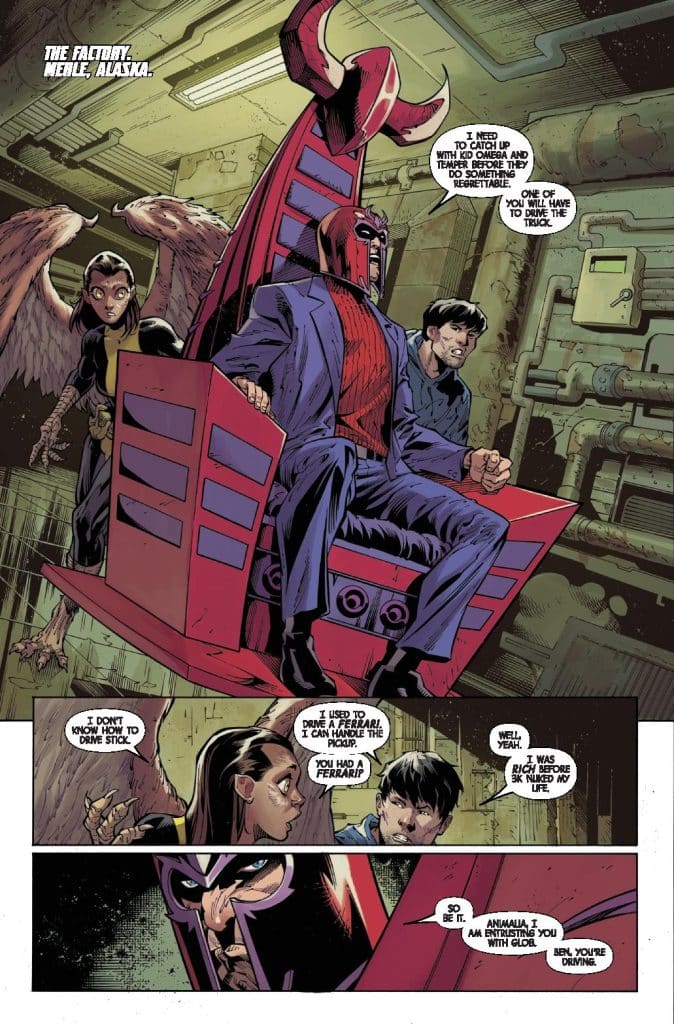
As readers flip through the final pages of this issue, they are left with the undeniable sense that the X-Men are entering a new, more dangerous, and more empowered era. The Danger Room may have been the arena, but the X-Men have emerged as the masters of the game. Whether this victory will lead to stability or invite a new, more formidable class of threats remains to be seen, but one thing is certain: the team is ready.
As always, we invite our readers to share their thoughts on this transition. Does the end of the "Danger Room" arc signal a better direction for the team, or is this the beginning of a more unstable era for the X-Men? Join the conversation in the comments section below, and don’t forget to subscribe to Graphic Policy for ongoing coverage of the evolving Marvel landscape.
Graphic Policy believes in journalistic integrity and transparency. We disclose when a product has been provided for free for review. For this article, the preview materials were provided by the publisher at no cost. For more updates on the latest in comic books and the intersection of culture and politics, stay tuned to our ongoing coverage.












No comments yet. Be the first to join the conversation!